REVIEW · SA PA
From Hanoi: 3-Day Sapa Tour with Cat Cat, Ta Van & Fansipan
Book on GetYourGuide →Operated by Lantern Travel · Bookable on GetYourGuide
Two villages, one big mountain, three days. This 3-day Sapa trip connects traditional H’mong life with serious mountain scenery, then caps it with a cable-car ride to Fansipan. I like how the schedule blends hands-on village visits with a guided trek, so you’re not just stuck on buses taking photos. My favorite parts are Cat Cat Village’s Black H’mong culture and the Muong Hoa Valley rice-terrace walking. The main consideration: weather can be rough in the highlands, and it may affect plans for going up to Fansipan.
The best value here is the “don’t make me plan” approach. You get round-trip transportation by sleeping bus, 2 nights in Sapa, a local English-speaking guide, key entrance fees, and most meals handled. I also appreciate that the tour is set up to help you keep moving—time gets spent in the villages and on the trails, not stuck in ticket lines for basic stops.
One more thing to keep in mind: this is a trek day. You’ll want solid shoes and warm layers, especially if rain rolls in.
In This Review
- Key highlights you’ll feel right away
- From Hanoi to Sapa by sleeping bus: you gain time, then you work with it
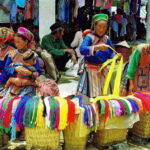
- Cat Cat Village (Day 1): H’mong culture you can actually see
- Muong Hoa rice terraces trek: Lao Chai and Ta Van village life (Day 2)
- Muong Hoa Funicular + Fansipan by cable car (Day 3): the summit, minus the chaos
- Meals, hotel nights, and the pace of your days
- Value check: what’s included in the $142 price, and what you’ll pay extra
- Packing and weather reality: what keeps your trip comfortable
- Who this tour is best for (and who should skip it)
- Should you book this 3-day Sapa tour with Lantern Travel?
- FAQ
- Is the Muong Hoa Funicular and Fansipan cable car ticket included?
- What meals are included in the tour price?
- How many nights will I stay in Sapa?
- What kind of rooms do they use?
- Do I need to pay extra if I want a single room?
- Are there entrance fees included for the villages?
- Is the tour available at all times?
- What about cancellation?
- Is this tour suitable for people with mobility issues or pregnancy?
- Do I pay more on weekends or holidays?
Key highlights you’ll feel right away
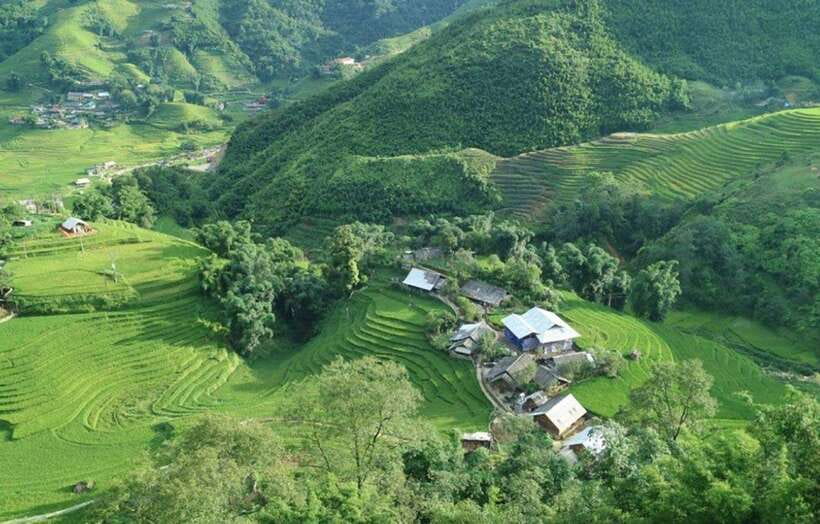
- Cat Cat Village: learn about Black H’mong customs, plus a stop at Cat Cat waterfall and the hydroelectric power plant area
- Muong Hoa Valley trekking: walk along Muong Hoa Stream between Y Linh Ho, Lao Chai, and Ta Van village areas
- Multiple minority villages: you pass through a mix of Black H’mong, Dzao, and Dzay communities during the trek route
- Muong Hoa Funicular views: a scenic ride that moves you toward the Fansipan cable-car area with valley panoramas
- Fansipan by cable car: reach the summit of the highest peak in Indochina (ticket costs apply separately)
From Hanoi to Sapa by sleeping bus: you gain time, then you work with it
The tour runs on round-trip transportation by sleeping bus. That matters because it buys you time: instead of burning a full day just getting to Sapa, you arrive and still have a real program once you’re there. It’s not “luxury lounge” time, but it’s efficient.
You’ll check into your hotel in Sapa on Day 1, then get your first meaningful village outing right after lunch. That rhythm helps. You get acclimated enough to enjoy the Cat Cat area without feeling like your first day is only paperwork and transportation.
Tip for your comfort: the highlands can feel colder than Hanoi, and buses can be drafty. If you’re the type who runs cold, pack your warmth so you’re not scrambling later.
You can also read our reviews of more tours and experiences in Sa Pa


Cat Cat Village (Day 1): H’mong culture you can actually see
Day 1 is built around Cat Cat Village. This is where you get the cultural anchor for the trip: Black H’mong people, everyday habits, and how the community fits into the landscape.
You’ll explore the village with your guide, then visit Cat Cat waterfall and the hydroelectric power plant area. That combo is more than sightseeing. It ties people, work, and environment together in one route, so you’re not just looking at scenery—you’re seeing how the valley is lived in.
What I especially like here is that it sets expectations for the next day. After Cat Cat, Lao Chai and Ta Van won’t feel like random names on a map. You’ll have a clearer sense of what you’re noticing: homes, traditions, and the way daily life and the terrain meet.
Practical note: wear shoes you don’t mind getting a little dusty. Even the “village day” involves walking on uneven paths.
Muong Hoa rice terraces trek: Lao Chai and Ta Van village life (Day 2)

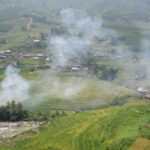
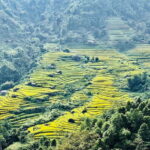
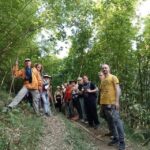
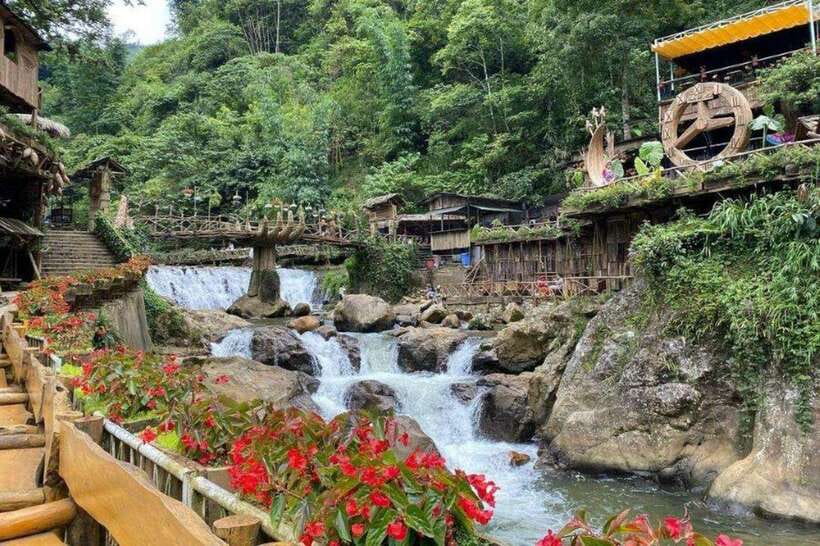
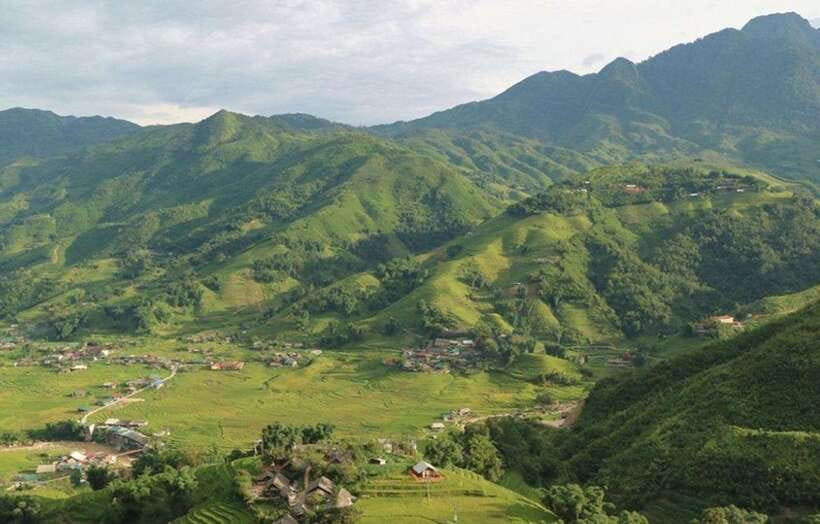
This is the heart of the trip: a guided trek through Muong Hoa Valley along the Muong Hoa Stream. On Day 2, you meet your guide after breakfast and head toward Y Linh Ho village, then continue through rice-terrace scenery to Lao Chai.
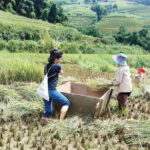
Lao Chai is the village of the Black H’mong minority. Along the way, your route passes several tribal villages, including areas associated with Black H’mong, Dzao, and Dzay minority peoples. Even when your time in each spot is brief, the walk gives you something that a bus tour can’t: a changing view with each bend and a better sense of scale.
Then comes the village contrast. You’ll have lunch at Ta Van village before returning to Sapa for dinner and your second night at the hotel. Ta Van is a strong end point because it’s not only about the trek—it’s about slowing down enough to experience village life at your pace.
A balanced reality check: the trek is the day you’ll feel most in your legs. The tour data emphasizes comfortable shoes and warm clothing for this reason. If you’re generally active, you should be fine. If you’re coming straight from long travel and you’re not used to walking, plan to take it steady and don’t sprint for photos.
Muong Hoa Funicular + Fansipan by cable car (Day 3): the summit, minus the chaos
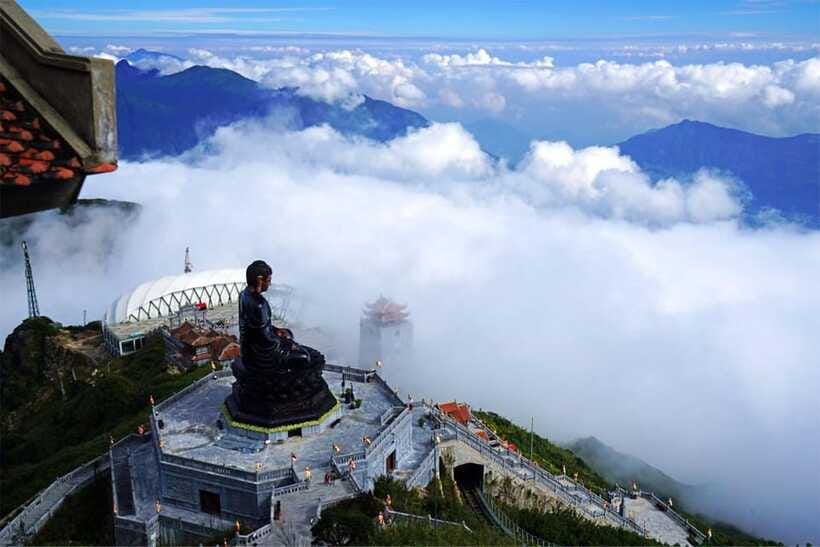
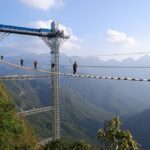
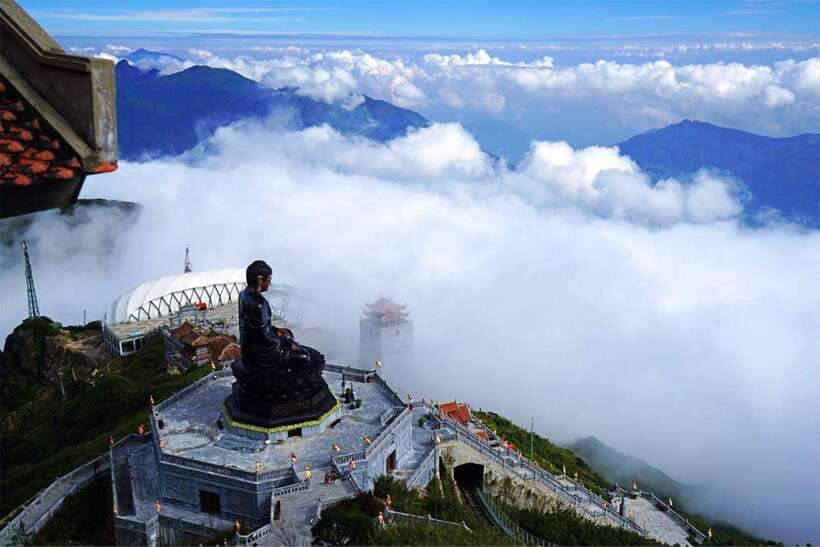
Day 3 starts with the Sun Station and a ride on the Muong Hoa Funicular. This part is about views. The funicular transports you to the Fansipan cable-car station with sweeping Muong Hoa Valley panoramas—exactly the kind of payoff that makes the earlier walking feel worth it.
Then you take the cable car up to Fansipan, described as the highest peak in Indochina. From the summit area, you get panoramic mountain vistas, and this is where the trip shifts from “valley village story” to “big-mountain moment.”
Weather is the only spoiler you can’t fully control. One review summary notes a situation where Fansipan wasn’t possible because conditions were very bad. So here’s the sensible approach: if you’re going specifically for the summit photo, keep a flexible mindset on Day 3. Fog and rain happen in Sapa, and they can change what you can enjoy.
After lunch, you’ll get free time to visit and shop at Sapa market, then explore Sapa town before heading back to Hanoi. Your return drop-off is at Tran Quang Khai or Ly Thai To Street.
Meals, hotel nights, and the pace of your days

This tour is structured so you’re not guessing where to eat or when to be ready. It includes 05 main meals and 02 breakfasts across the 3 days. That’s a big deal for Sapa, where weather can slow you down and you don’t want to spend half your energy searching for a place to eat.
Your Day 1 meals include lunch plus dinner (with hotel overnight in Sapa). Day 2 includes breakfast, lunch in Ta Van village, and dinner back in Sapa. Day 3 includes breakfast and lunch, plus some free time on the town side.
On lodging: you get 2 nights accommodation in Sapa with 2–3 people per room. This helps keep the overall price down, but it also means you should be comfortable sharing space if you want the best value.


Value check: what’s included in the $142 price, and what you’ll pay extra
At $142 per person, this isn’t “cheap,” but it’s not out of line for a 3-day package that combines transport, lodging, guiding, and multiple cultural stops.
Here’s what your price does cover:
- Round-trip transportation by sleeping bus
- 2 nights accommodation in Sapa (2–3 people per room)
- 05 main meals and 02 breakfasts
- Local English-speaking tour guide
- Entrance fees to Cat Cat village, Lao Chai, and Ta Van village
What’s not included (and you should plan for it):
- Muong Hoa Funicular & cable car tickets
- Drinks during meals
- Tax
- Single room upgrade fees: +600,000 VND for 2 nights in a 3 hotel, or +900,000 VND in a 4 hotel
Also note:
- The price is described as applicable on weekdays and not on public holidays.
- Cable car tickets have a Saturday or holiday surcharge of $2 per ticket.
My practical take: if you’re aiming for Fansipan, the separate cable car and funicular costs are the one chunk you can’t ignore. Still, because the tour handles transport, accommodation, meals, and the guiding for the cultural and trekking parts, the overall package can feel efficient—especially if you’d otherwise have to line up a bus + guide + multiple tickets on your own.
Packing and weather reality: what keeps your trip comfortable

Sapa weather can shift quickly, so think layers. The tour guidance is clear on what you should bring:
- Comfortable shoes
- Warm clothing
- Hat
- Camera
- Sunscreen
- Water
- Insect repellent
And it helps to plan for rain. You don’t need to go full “mountaineer,” but a light rain layer can be the difference between enjoying the trek and feeling miserable.
One more small but important rule: no pets, no smoking, and no alcoholic drinks in the vehicle. It’s not about being strict for fun—it keeps the shared ride comfortable.
Also keep your ID handy. You’ll need a passport or ID card for hotel check-in.
Who this tour is best for (and who should skip it)
This tour fits best if you want a guided mix: village culture + rice-terrace trekking + Fansipan summit time without building your own logistics puzzle.
It’s not suitable for:
- Pregnant women
- People with back problems
- People with mobility impairments
- Wheelchair users
If you’re physically able and comfortable with a trek day, you’ll get more from it. If you have joint or back issues, the walking route and terrain might be a problem. And if weather gets bad on Day 3, be ready for a summit plan that’s less predictable than it looks on clear-day photos.
A nice bonus for many visitors: the tour is run with an English-speaking local guide, so you’re not stuck reading signs and guessing.
Should you book this 3-day Sapa tour with Lantern Travel?

If you want a ready-made Sapa plan with clear structure—two nights in town, guided village time, a real trek, and the chance to ride up to Fansipan—this is a solid pick. The included meals and transport reduce stress, and the guide support makes the cultural stops and trekking feel more meaningful.
I’d especially consider it if you’re the kind of traveler who likes learning what you’re seeing while still getting exercise. Cat Cat sets the cultural context, Day 2 gives you the valley experience on foot, and Day 3 offers the big panoramic payoff.
Skip it (or choose a different style of trip) if you can’t handle trekking, if you have mobility or back concerns, or if you know weather chaos would ruin your trip. For Fansipan fans: keep your expectations flexible on Day 3—Sapa weather has opinions.
If you want a trip that keeps you active but organized, this tour has the right balance.
FAQ
Is the Muong Hoa Funicular and Fansipan cable car ticket included?
No. Muong Hoa Funicular & Cable Car Ticket is listed as not included.
What meals are included in the tour price?
The tour includes 05 main meals and 02 breakfasts. Drinks during meals are not included.
How many nights will I stay in Sapa?
You’ll stay 2 nights in Sapa.
What kind of rooms do they use?
Accommodation is listed as 2–3 people per room.
Do I need to pay extra if I want a single room?
Yes. The tour lists an extra charge of +600,000 VND for 2 nights in a 3 hotel, or 900,000 VND for 2 nights in a 4 hotel.
Are there entrance fees included for the villages?
Yes. Entrance fees to Cat Cat village, Lao Chai, and Ta Van Village are included.
Is the tour available at all times?
The duration is 3 days and you should check availability to see starting times.
What about cancellation?
Free cancellation is offered up to 24 hours in advance for a full refund.
Is this tour suitable for people with mobility issues or pregnancy?
No. It’s not suitable for pregnant women, people with back problems, people with mobility impairments, or wheelchair users.
Do I pay more on weekends or holidays?
The price is applicable on weekdays and not on public holidays. Cable car tickets also have a Saturday or holiday surcharge of $2 per ticket.