REVIEW · HANOI MOTORBIKE TOURS
Sapa: Local Exploration on a Guided Motorbike Tour
Book on GetYourGuide →Operated by Lazycrazy · Bookable on GetYourGuide
Sapa’s backroads feel like another world fast. This guided motorbike loop in Dong Bac takes you past Tavan, Lao Chai, Y Linh Ho, and Cat Cat, where you’ll ride with local guidance and see daily life in the valleys. I like the way the route prioritizes small, less-touristed villages and the chance to cool off in a river that can feel pleasantly cold (often under 20°C), plus the payoff of a sunset viewpoint from higher ground. The main thing to weigh is that this is not a lazy sightseeing day: the roads can get muddy and steep, and you may need to walk off the bike when conditions turn rough, plus it’s not a fit for people with heart issues, pregnancy, or seniors over 60.
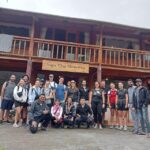
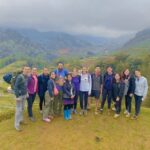
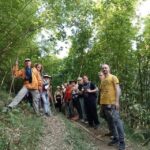
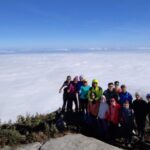
A big plus is the human factor. Your local English-speaking guide (one guide name that comes up often is Ms Lai) drives with a careful approach on narrow mountain edges, and her style seems to focus on keeping you moving safely rather than showing off. You’re also in a small group (up to 7), so you’re not just a face in a crowd.
Before you go, pick your comfort level and motorbike setup. You’ll normally ride behind the guide, but you can request to drive yourself (automatic or gear). If you’re expecting a smooth ride with minimal off-road time, the easier option still has some rocky village roads, and the plan can shift with weather and even landslides.
In This Review
- Key things that make this Sapa motorbike tour worth your time
- A Sapa backroads day: what this tour feels like from the start
- Choosing your ride: behind the guide or driving yourself
- The route that builds the day: villages, swim time, and valley viewpoints
- Tavan Village: your first taste of local life
- Lao Chai Village: a valley village feel
- Y Linh Ho Village: more time with the daily scene
- Cat Cat Village: swim time and optional ticket considerations
- Saxeng and Sau Chua: more village-road authenticity
- Hau Thao and then Su Pan or back toward Tavan: the view payoff
- Easy, moderate, hard: how difficulty really changes your day
- Swimming, sunset, and the cool river moment you’ll plan around
- Lunch and the real-food factor (plus what’s not included)
- Price and value: what $50–$80 buys you in Sapa
- Logistics that can make or break your comfort
- Timing and how plans can change
- What to pack
- Who should skip this trip
- Safety on steep roads: your job is to listen
- Who this Sapa motorbike loop suits best
- Should you book this Sapa guided motorbike tour?
- FAQ
- How long is the motorbike tour?
- What villages are included in the day plan?
- Is Cat Cat Village entrance included?
- Can I drive the motorbike instead of riding behind the guide?
- What’s included in the price?
- What should I bring for the day?
Key things that make this Sapa motorbike tour worth your time
- Hidden-village stops like Tavan and smaller hamlets where most day tours never aim
- Cat Cat swim time in cool river water (often described as under 20°C)
- Sunset from the top with views across the valley when the weather cooperates
- Difficulty levels that change how much steep, muddy road you ride (easy, moderate, hard)
- Local guide support, including careful driving habits on steep sections
- Small group size (max 7) plus one-on-one guiding attention
A Sapa backroads day: what this tour feels like from the start
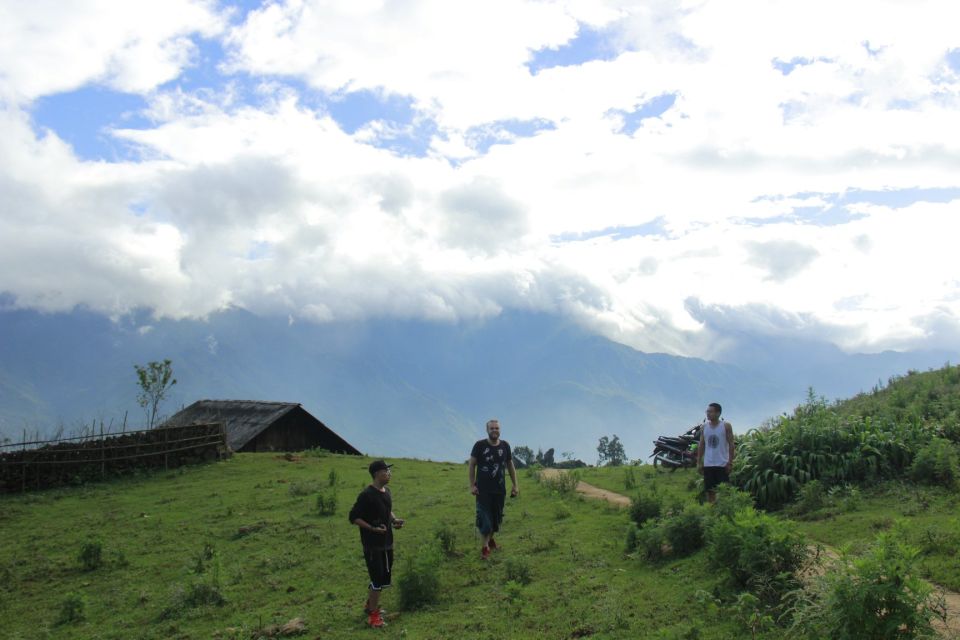
This is the kind of Sapa outing that starts like a simple pickup… then turns into a real mountain day. You get hotel pickup (or meet at a starting point in Sapa), then your guide explains the rules and how the day works. From there, the ride quickly moves away from the easy main roads and into the village approach roads that matter for seeing how people actually live.
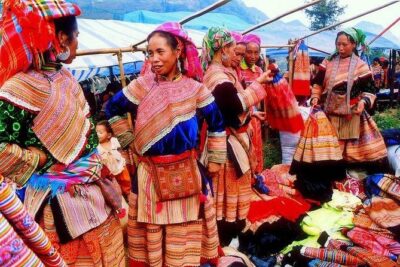
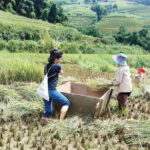
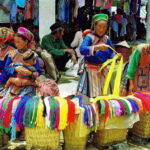
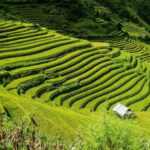
What you’re chasing here isn’t just photos of scenery. It’s the feeling of moving through ethnic minority villages and working areas, seeing homes, animals, and everyday routines along the way. You’ll make multiple village stops through Dong Bac, with breaks built into the schedule for swimming and for time in Sapa town.
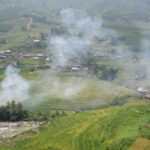
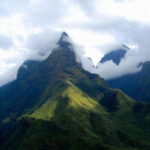
The tour’s pace also matches the mountain reality: it depends on the weather and season. If clouds sit low, expect more dramatic, misty views and cooler temps. If visibility is clear, you’ll notice how much farther the valley opens up from higher points.
You can also read our reviews of more guided tours in Sa Pa
Choosing your ride: behind the guide or driving yourself
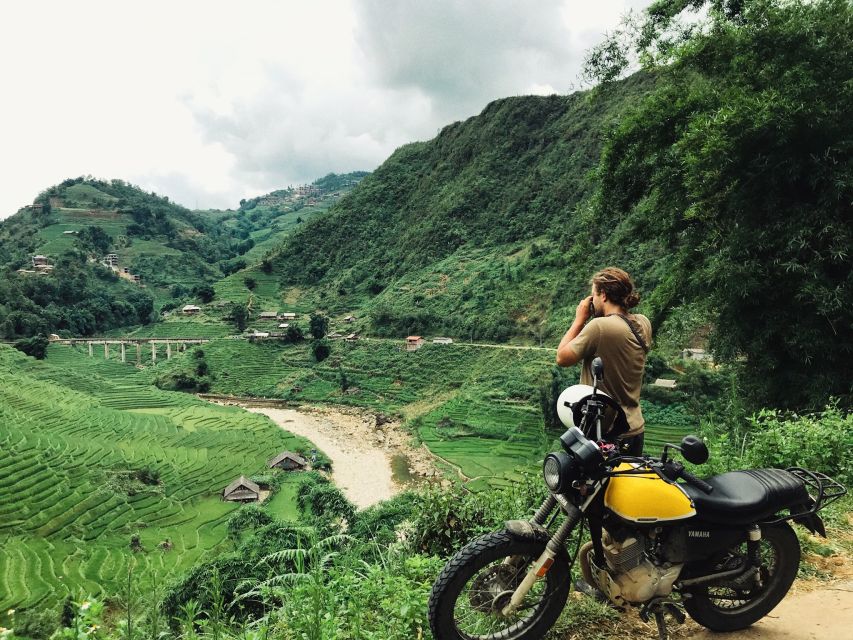
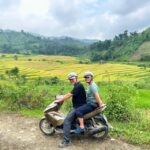
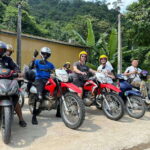
Most people will ride on the back of the local guide’s motorbike, and that’s the easiest way to enjoy the day without adding stress. Your guide does the navigation and handles the traffic and steep sections, while you focus on the views and getting your body positioned for the bumpy parts.
If you want more control, you can request to drive yourself. You’ll just need to say ahead of time what kind of motorbike you prefer: automatic or gear. That matters on mountain roads where smooth shifting can make the ride less tiring.
One more practical note: this is a guided day, but it still includes a hands-on moment. At times when conditions get too muddy or too steep, your guide may ask you to walk off the bike for safety. It’s not a failure state. It’s part of mountain driving in Sapa, and it keeps everyone moving safely.
The route that builds the day: villages, swim time, and valley viewpoints
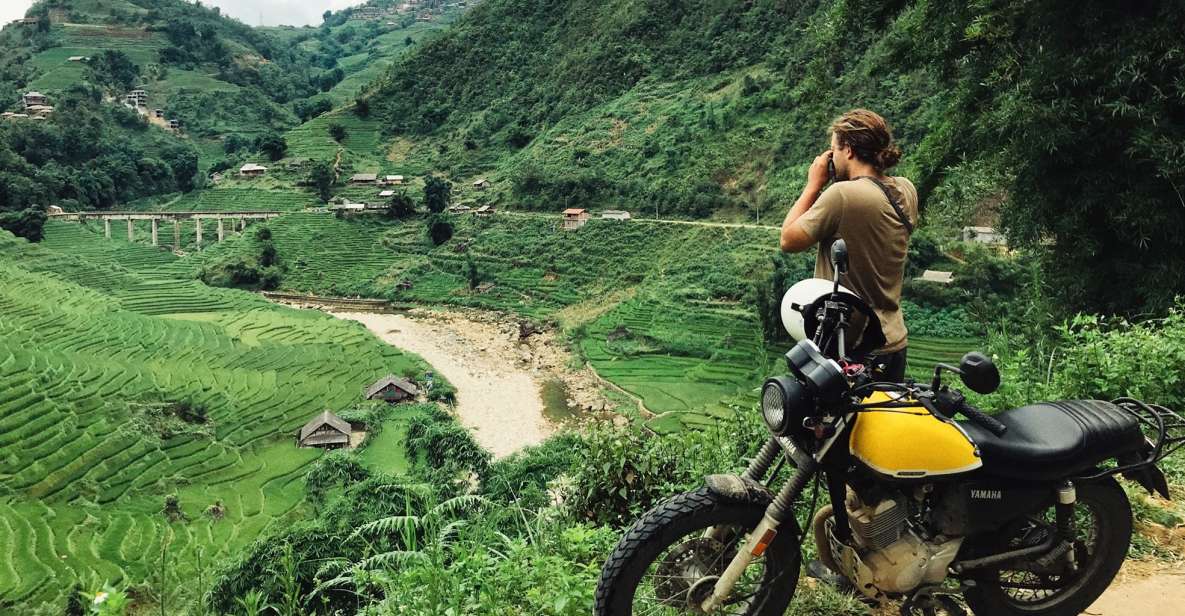
This tour is structured like a loop that layers the experience. You start with village time, then gradually rise and shift back toward viewpoints and back to the starting area. Here’s what to expect from the main stops and why each one is valuable.
Tavan Village: your first taste of local life
Tavan Village is often the early anchor. You’ll typically reach it in the first stretch of the morning. The point of starting here is to help you adjust to the rhythm of mountain travel right away—short roads, tight turns, and a steady change in scenery.
Expect more than a quick walk-through. You’re generally there long enough to feel the village layout and watch daily movement. If you like the social side of travel, this is where you’re most likely to notice how people work, where small animal enclosures sit, and how the village connects to the roads.
Lao Chai Village: a valley village feel
Next comes Lao Chai. This stop tends to feel more settled and valley-centered. In practical terms, it also helps you build momentum: by this point, you’ve already experienced the uphill/downhill cycle, so you’re less likely to feel overwhelmed by the road work.
This is also a common stop for photos, but I’d treat it as a time to slow down. The roads might be the highlight, but the villages are the reason you’re in the area.
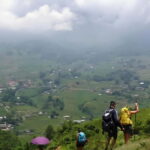
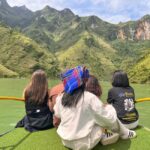
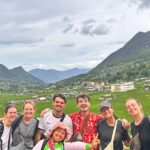
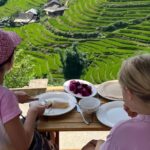
Y Linh Ho Village: more time with the daily scene
Y Linh Ho keeps the day grounded in village life rather than turning it into only a viewpoint hunt. You’re moving through different village micro-areas across Dong Bac, and each one has its own feel.
A nice thing about having multiple village stops is that you’re not forced to guess what the region looks like from one single location. You start to understand how these communities sit in the valley and on the mountain edge.
Cat Cat Village: swim time and optional ticket considerations
Cat Cat is the stop most people remember because of the swimming time. The river water is often described as having a cool temperature (often under 20°C), so it’s refreshing rather than a warm soak.
Plan for the practical side: bring a towel, and expect you’ll want dry clothes afterward. Also note that entrance tickets are not included for Cat Cat Village. If you arrive and want to go in for specific viewpoints or areas that require payment, you’ll need to handle that cost separately.
If you’re traveling in wetter months, the river area can be slippery. Keep your balance and take the guide’s lead on where to stand and walk.
Saxeng and Sau Chua: more village-road authenticity
After lunch time, the tour often continues with Saxeng and Sau Chua. This portion helps you experience what’s between the “main” tourist spots. You’ll ride roads that feel more like a local commute than a tour route.
This is the segment where your difficulty level can start to show. Even if you chose easy, you’ll still be on mountain roads inside villages, not on smooth highways.
Hau Thao and then Su Pan or back toward Tavan: the view payoff
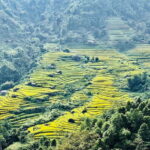
When the weather is clear, the late-day stops become the visual payoff. Hau Thao is often described as a place where you can observe the whole valley from higher ground. Then you loop back toward Tavan and return.
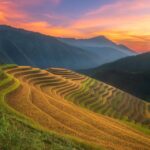
If you’re chasing sunsets, this is where the schedule is aiming: you get a mountain-top moment. If clouds roll in, you might get a softer, misty view instead. Either way, it’s usually the part that makes the roads feel worth it.
Easy, moderate, hard: how difficulty really changes your day
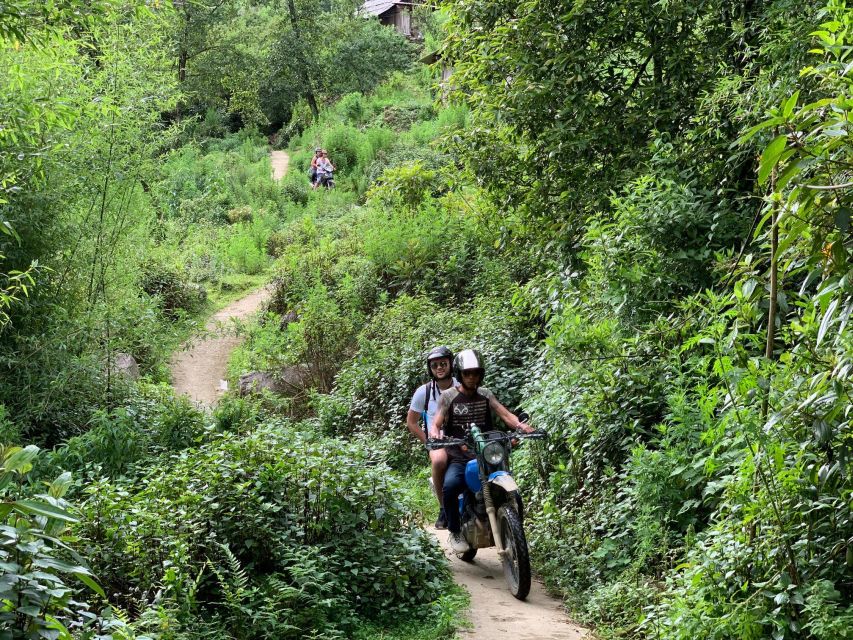
The tour doesn’t just use the words easy and hard. It assigns rough proportions of time on smaller local roads.
- Easy: about 5% is small local road with muddy/rocky bits and steep up-and-down sections. The rest is main road riding but still inside villages, with less steep climbing.
- Moderate: about 20% includes more small-road time, often with muddy/rocky sections and more uphill/downhill.
- Hard: about 40% of the ride focuses on small local roads, muddy/rocky sections, and steep up-and-down driving.
The practical takeaway: if you want a ride that still feels adventurous but doesn’t turn into a full-on workout, choose easy or moderate. If you want to understand how challenging life can be for people who rely on motorbikes as transport, hard is the one that matches that goal.
Also, your guide’s safety approach matters more than your comfort setting. Even on higher levels, you should listen carefully to instructions. When the road gets too bad, you might walk. That’s part of the mountain day.
Swimming, sunset, and the cool river moment you’ll plan around
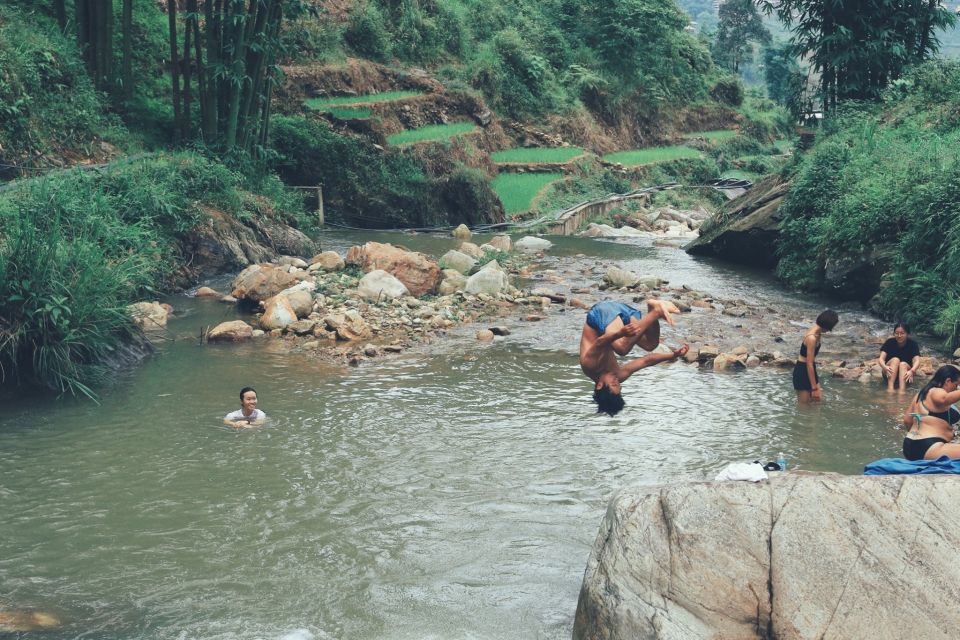
This tour is one of the few Sapa options that includes a built-in water break. Cat Cat swim time gives you a reset—especially if you’re coming from cooler mountain weather.
What I like about this stop is that it’s not just about jumping in. You’re tying the swim to a village stretch of the day, so it feels like part of the local route, not an add-on activity.
For sunset, the plan aims for a mountain-top viewpoint. The exact feel depends on weather and season, but if you’re lucky with visibility, you’ll get a wide view across the valley. If not, you’ll still get that mountain-sky mood. Either way, treat it like a timed moment: bring sunscreen even if it’s cloudy, and keep an extra layer handy if temps dip.
Lunch and the real-food factor (plus what’s not included)
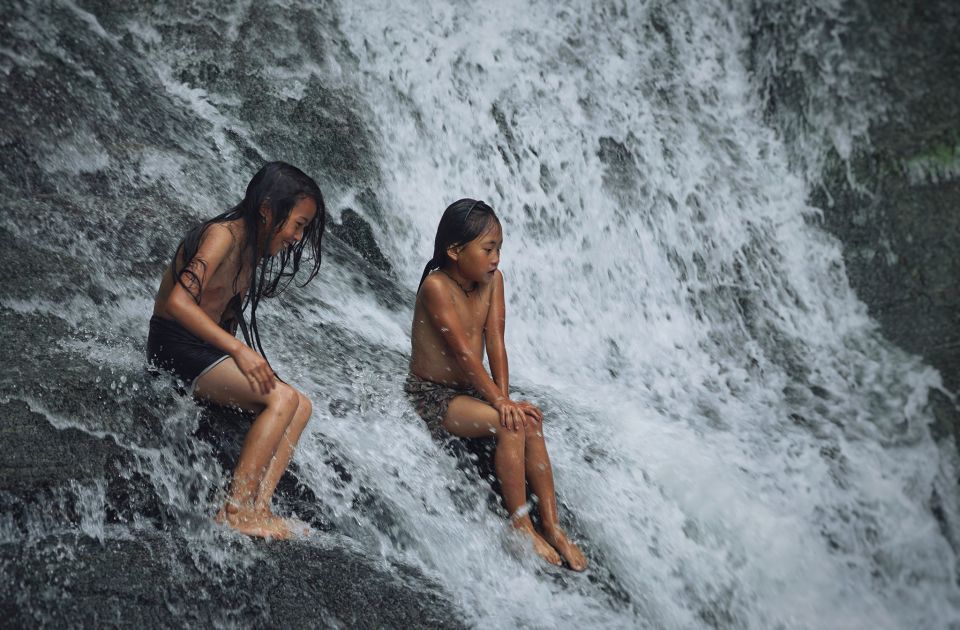
Lunch is built into the schedule. The plan includes time for lunch in Sapa town, and some days can also feel very family-based. One thing that stands out from real-world guide stories is how local guides can cook and share food in family settings, not just do a standard restaurant stop.
Here’s what you need to know for budgeting:
- Food and drinks are not included.
- Entrance tickets to Cat Cat Village and certain waterfall areas (Love waterfall, Silver waterfall) are not included either.
Also, pack for the basics. You’ll want snacks in your bag, plus water (drinking water is included with the tour, but having extra is still smart). Bug spray and sun cream are not included, so bring your own if you’re sensitive.
Price and value: what $50–$80 buys you in Sapa
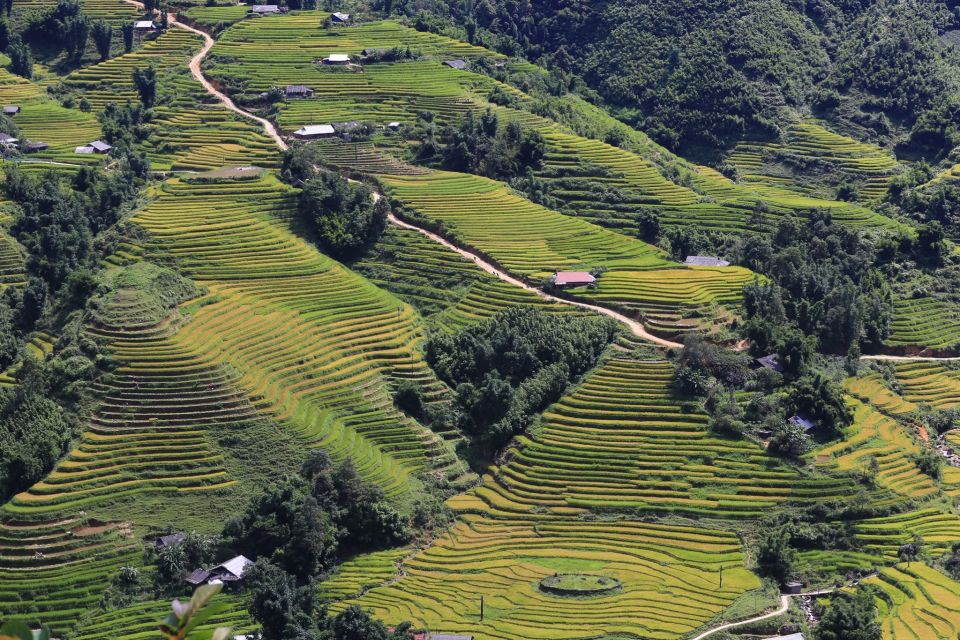
Depending on the option, pricing can vary. The info you have lists a shorter experience around $58 per person, plus set options of half day at $50 and full day at $80. In practice, the value question is less about the number and more about what you get for that price.
You’re paying for:
- Pickup and drop-off
- A one-on-one English-speaking local guide
- Drinking water
- A route that strings together several villages plus viewpoint time
Compare that to cheaper motorbike tours that focus on fewer stops or use a group format where you can’t ask questions. Here, the small group size (up to 7) and the guide attention matter. You’re also not just sitting at a viewpoint; you’re moving through village roads, and that’s the real “what you’re paying for” part.
The only strong warning on value: if you’re expecting fully included meals and all paid attractions, you’ll still need extra cash for food/drinks and Cat Cat entrance tickets. Factor that in early so you don’t get surprised at the first stop.
Logistics that can make or break your comfort
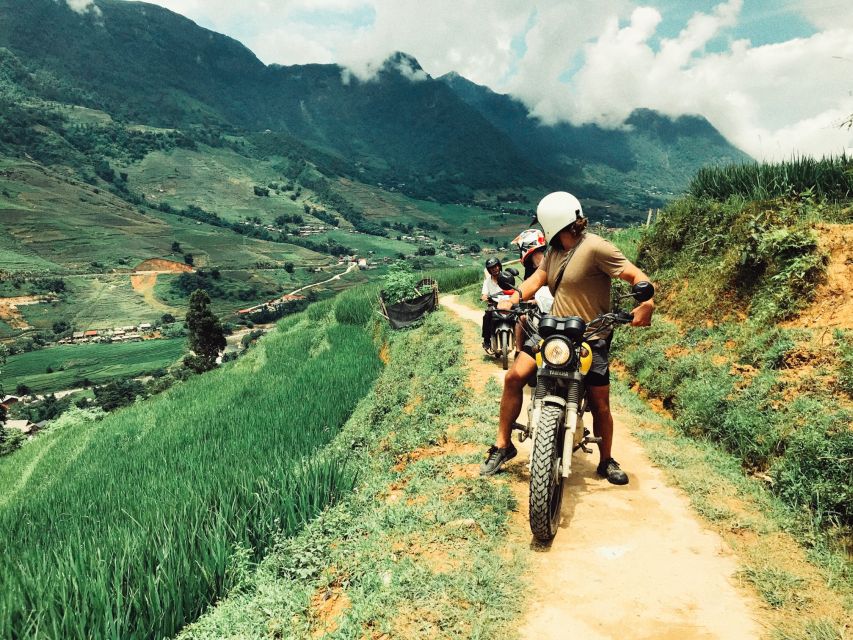
A few details matter more than you’d think on a mountain bike day.
Timing and how plans can change
Starting times are available by check-in availability, and the exact route can shift with weather and season. The notes also mention possible landslides, which can block roads. If that happens, your guide will adjust and tell you beforehand.
So go in with flexibility. This isn’t a museum line where everything is guaranteed.
What to pack
Don’t overthink it. Bring:
- Rain gear
- A towel
- Water and snacks
- Weather-friendly clothes that can handle getting dusty
- Optional but smart: bug spray and sun cream (not included)
Who should skip this trip
This tour is not suitable for:
- People with heart problems
- Pregnant women
- People over 60
If you’re unsure about your fitness level for steep roads, choose the easier level and be honest with your guide. It’s safer that way.
Safety on steep roads: your job is to listen
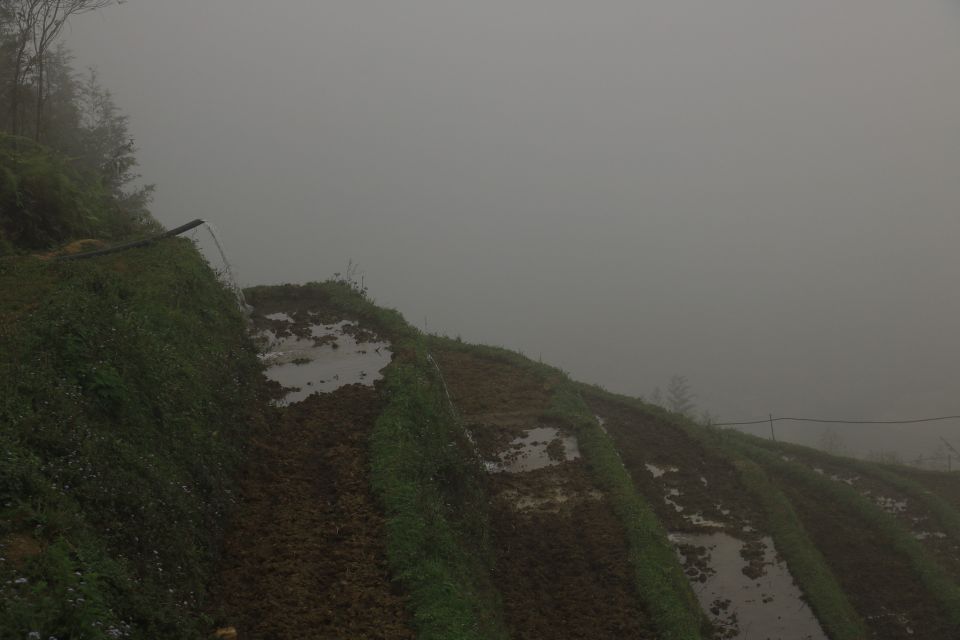
This is an active road day. Your guide’s job is driving and route choices. Your job is following instructions, especially at steep up/down sections and muddy areas.
The notes spell it out: you might need to walk off the bike when conditions are too difficult. That doesn’t mean the guide is careless. It means the guide is managing risk.
One detail I trust is that experienced guides like Ms Lai are described as careful on steep roads, which makes the ride feel more controlled than you might expect in rainy conditions. There’s also an example of quick help offered when a fellow rider fell off a bike, which reinforces that these guides are used to handling real-life problems fast.
Who this Sapa motorbike loop suits best
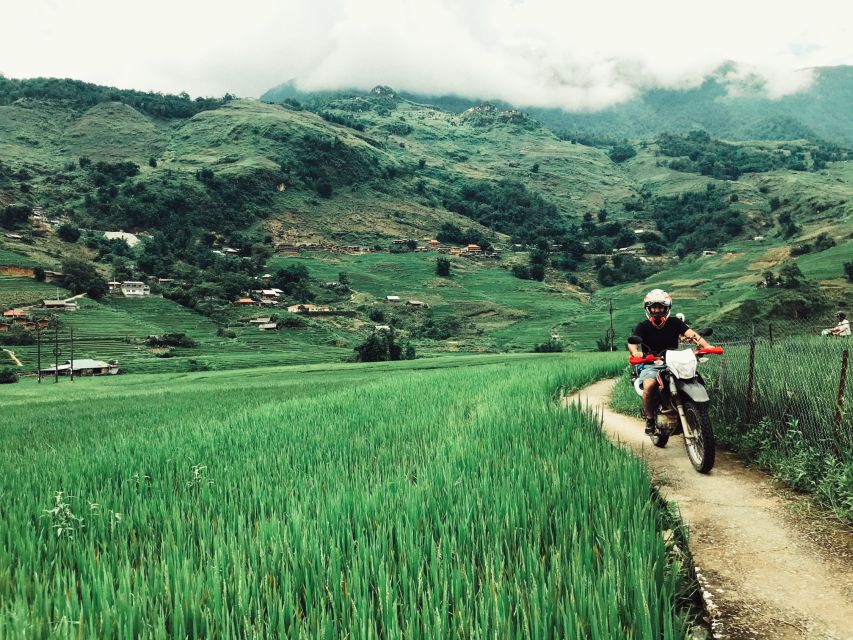
This is a great fit if you:
- Want village life more than just viewpoints
- Enjoy active travel and don’t mind bumpy roads
- Like meeting locals and asking questions along the way
- Want a guide who can help you understand what you’re seeing, not just deliver you to stops
It’s also a good choice for photographers. You’ll have multiple chances to stop, plus the sunset viewpoint. The mountain roads create changing angles that you won’t get from a single base town.
If you hate uncertainty, choose a different kind of Sapa day. Weather and landslides can adjust timing and road access.
Should you book this Sapa guided motorbike tour?
I’d book it if your idea of a great Sapa day includes real village roads, a cool river break, and the chance to end with mountain sunset views. The small group size and one-on-one English-speaking guiding add real value, especially if you care about understanding local life rather than only collecting checkmarks.
I would hesitate if any of these are true for you:
- You need fully flat, easy walking
- You’re not comfortable with steep roads, mud, or possible walking segments
- You fall into the provided non-suitable categories (heart problems, pregnancy, or over 60)
If you go in with the right expectations, this becomes the kind of trip you remember for its motion—riding from village to village in Dong Bac, then cooling off by the river and catching the sky change over the valley.
FAQ
How long is the motorbike tour?
The experience is listed as lasting about 4–6 hours. There are also set half-day and full-day options with schedules in the morning that include multiple village stops.
What villages are included in the day plan?
The route includes village stops such as Tavan, Lao Chai, Y Linh Ho, and Cat Cat, plus additional stops later in the day like Saxeng, Sau Chua, Hau Thao, and Su Pan (depending on the option and timing).
Is Cat Cat Village entrance included?
No. Entrance ticket(s) for Cat Cat Village are not included, and the same is true for Love waterfall and Silver waterfall.
Can I drive the motorbike instead of riding behind the guide?
Yes. Normally you ride behind the local guide, but you can request to drive yourself and choose automatic or gear.
What’s included in the price?
Hotel pickup and drop-off are included, along with a one-on-one English-speaking local tour guide and drinking water.
What should I bring for the day?
Bring rain gear, water, a towel, and snacks. Bug spray and sun cream are not included. If you plan to swim, a towel is especially important.