REVIEW · HIKING & TREKKING
Sa Pa: Muong Hoa Valley Trek and Local Ethnic Villages
Book on GetYourGuide →Operated by Vietnam Nomadtrails · Bookable on GetYourGuide
Rice terraces plus real villages.
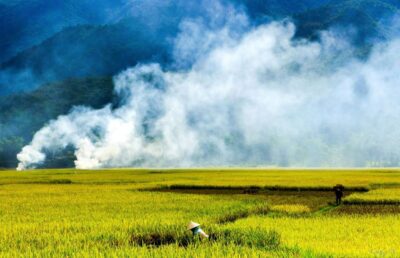
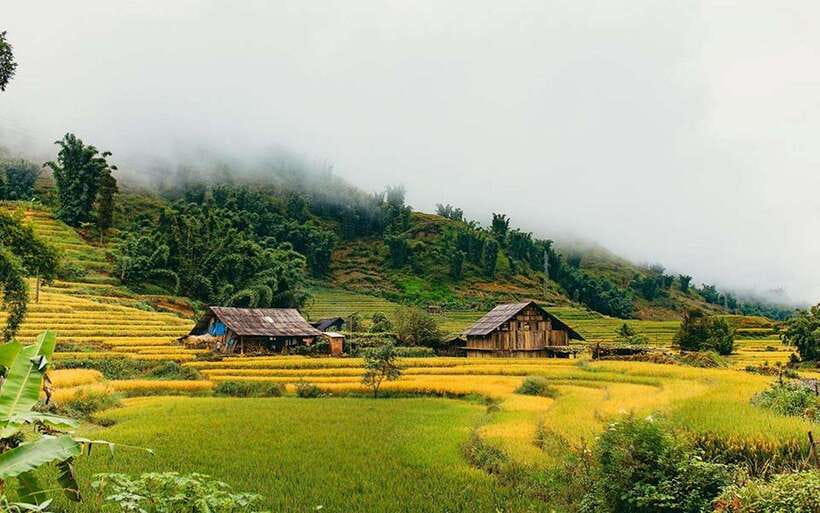
This Muong Hoa Valley trek is interesting because you walk past working rice fields in morning mist, then step into ethnic villages like Lao Chai (Black Hmong) and Giang Ta Chai (Red Dao), where everyday life is the main event. I especially like the mix of scenery and culture, plus a lunch at a local home that turns the day from sightseeing into a simple, human break. One drawback to plan around: the 10-kilometer walk can get slippery and muddy in wet weather, so good grip shoes matter.
What makes this trip feel good is the pacing and the small group size (limited to 11), which gives your English-speaking guide room to explain what you’re seeing and to help everyone stay on their feet. You’ll also get multiple river crossings and a change of terrain, from terraced paths to bamboo forest and up toward a main road where the vehicle is waiting. If you’re short on stamina or hate uneven footing, this is the one detail I’d take seriously before booking.
In This Review
- Key highlights you’ll feel on this trek
- A 10-kilometer Muong Hoa Valley trek with village lunch
- Pickup, timing, and how the 6 hours are paced in real life
- The route: rice terraces, Lao Chai, and Ta Van Giay
- River crossings and rock carvings: the stops that make the day memorable
- Bamboo forest to Giang Ta Chai Red Dao village
- Lunch at a local home: what you’re actually getting
- The real challenge: muddy terrain, steep bits, and shoe choice
- Small group size and English guide: why it feels safer
- Price and value: what $23 buys, and what you’ll pay extra for
- Who should book this trek, and who should skip it
- Should you book the Sa Pa Muong Hoa Valley trek and ethnic villages?
- FAQ
- How long is the Muong Hoa Valley trek?
- What is included in the $23 price?
- Where does pickup happen in Sa Pa?
- What should I bring for the hike?
- Is the tour suitable for children or people with mobility impairments?
- What’s lunch like?
- Are there extra costs besides the $23 base price?
Key highlights you’ll feel on this trek
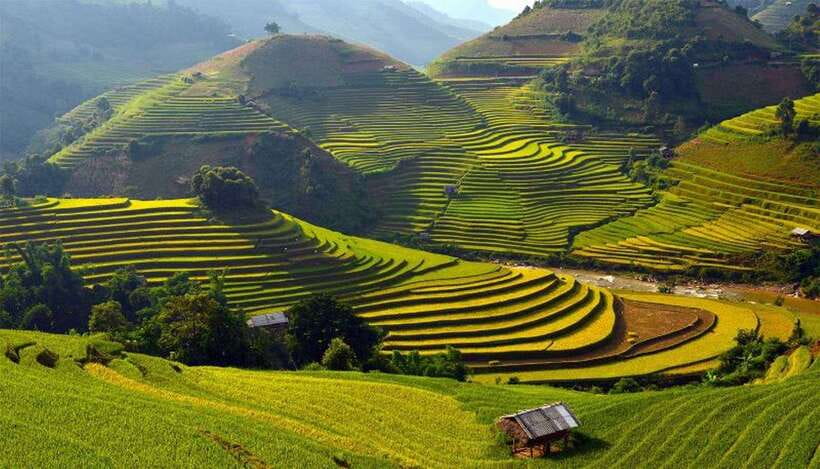
- Morning mist and rice terraces that you walk beside, not just look at
- Lao Chai and Ta Van Giay village time with a real sense of community routine
- Muong Hoa River crossings, including a suspension bridge partway through
- Ancient rock carvings with figures of men and stilt houses
- Bamboo forest walking that can be slick after rain
- Home lunch in a village house, sometimes with dietary options arranged
A 10-kilometer Muong Hoa Valley trek with village lunch
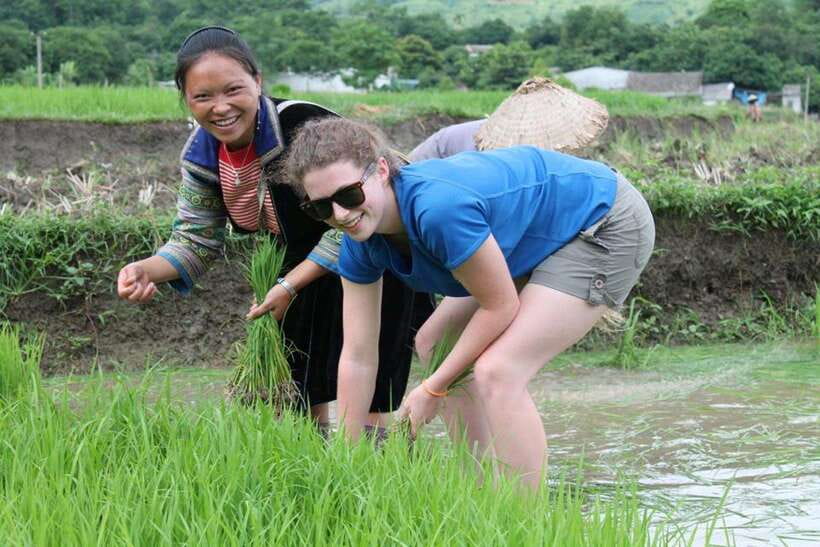
This is a day in Sa Pa’s Muong Hoa Valley that’s built around movement. You start with a hotel pickup in Sa Pa town, then you begin walking through the valley—10 kilometers on paper—through terraces, river edges, and village paths. The best part is how quickly the route changes from wide open views to narrow footpaths where you’re close to people’s daily work.
You’ll pass through a few different ethnic areas—Lao Chai with the Black Hmong community, then toward Ta Van Giay, and later into Giang Ta Chai, home to the Red Dao minority. That blend matters because it gives your day more than one “picture.” It feels like you’re seeing how people live, not just collecting photos.
The day ends around 3:30 PM after a final uphill push to the main road for your ride back.
You can also read our reviews of more hiking tours in Sa Pa

Pickup, timing, and how the 6 hours are paced in real life
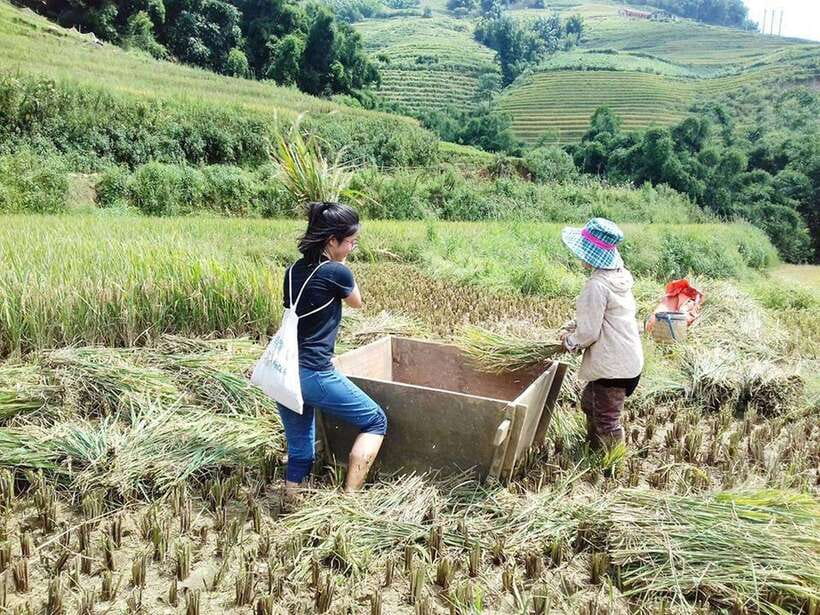
The tour is scheduled for about 6 hours total, and you’ll check starting times based on availability. Pickup is included if your hotel is in Sa Pa center town, and it can also be from the Vietnam Nomadtrails office. If your lodging is outside that area, pickup isn’t available, so plan to get to town first.
Once you’re moving, the timing is focused on keeping you walking without rushing past the villages. You get lunch in the middle of the day, plus built-in pauses like a short rest at a nearby waterfall. In practice, the walking time is what drives everything, and the trail condition can change how “fast” the day feels.
Also note the simple rule of thumb from the trail: if it rained, the valley can slow you down. Mud and slippery sections mean you move carefully.
The route: rice terraces, Lao Chai, and Ta Van Giay
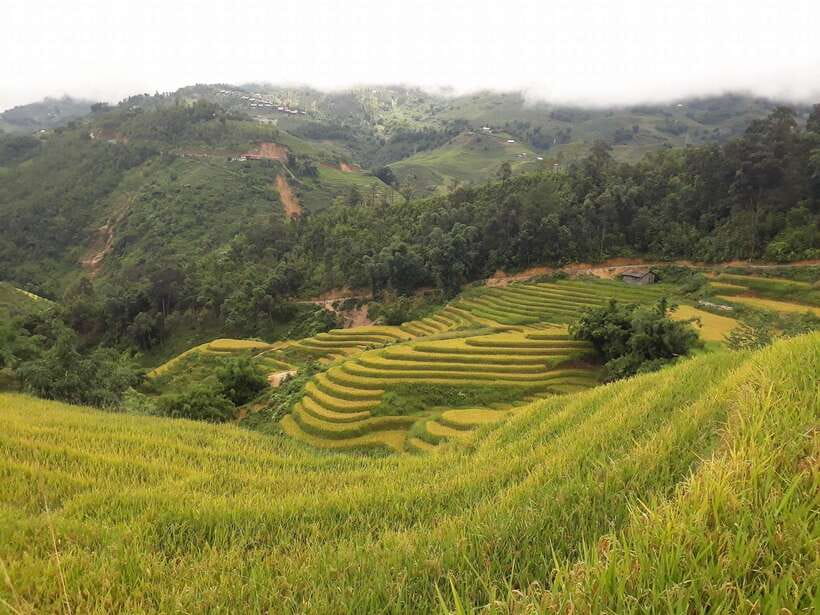
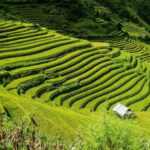
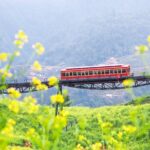
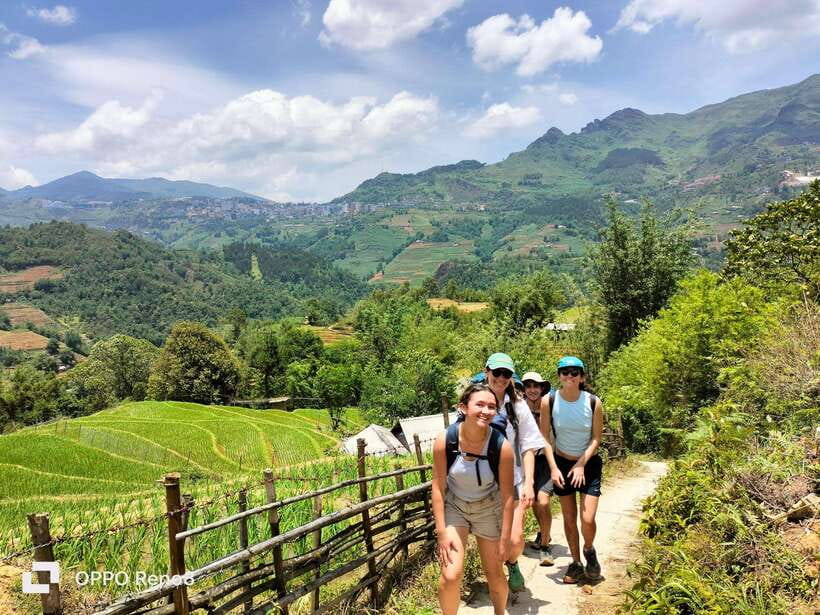
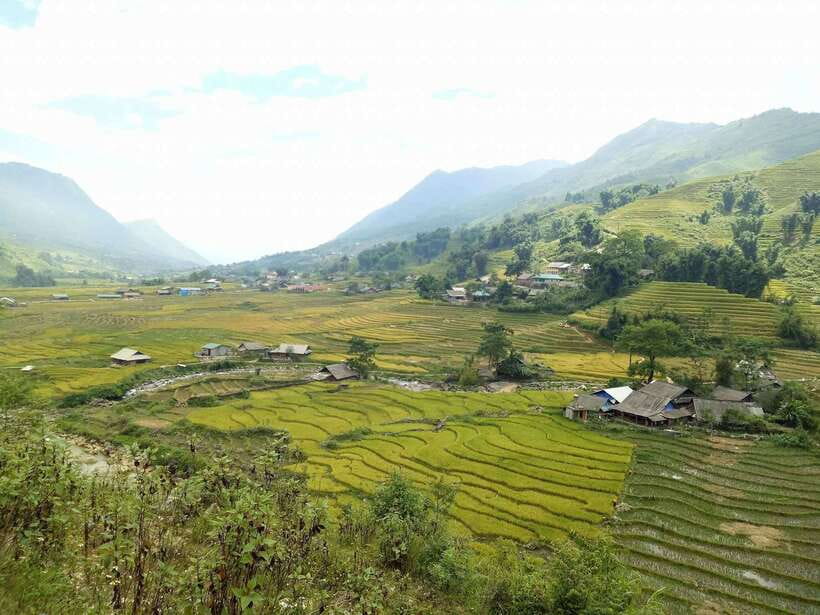
Your walk begins with the valley trails, with views of rice terraces that often sit behind morning mist. You follow a small trail to cross the Muong Hoa River early on, then continue past well-tended terraced rice fields.
From there you head toward Lao Chai, where the Black Hmong community lives. This village stop is less about a show and more about watching how a community works through the day—people moving between fields and homes, and a landscape shaped by farming.
Then the route continues toward Ta Van Giay. This part of the walk keeps you moving along valley routes and river-linked paths. You’ll also be looking for the shift in terrain: sections can feel smoother, then suddenly rougher as you move from one footpath style to another.
River crossings and rock carvings: the stops that make the day memorable
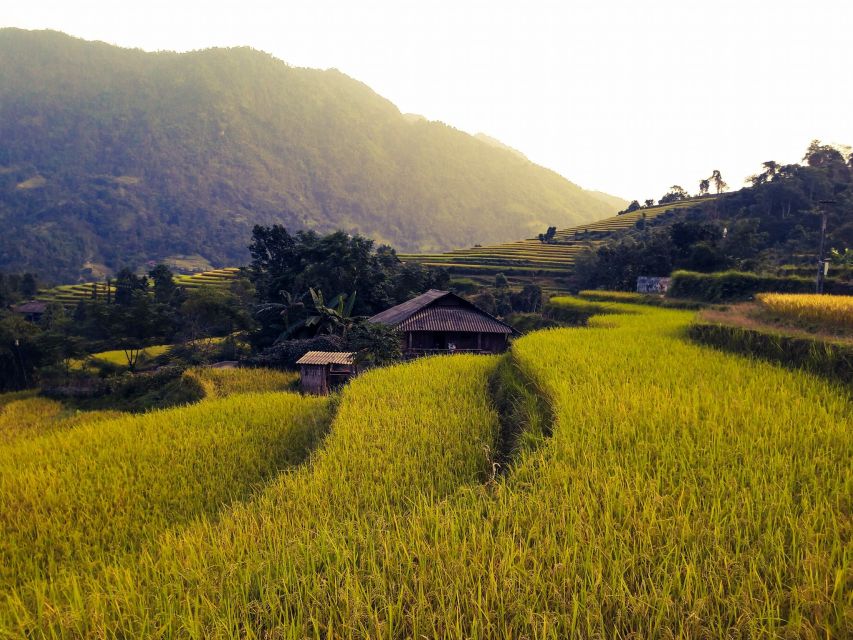
One reason this trek gets high marks is the mix of “walk plus wow.” You don’t just hike between villages; the day includes specific features that break up the route.
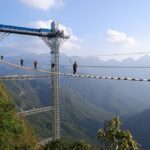
About 2 kilometers from the Ta Van Giay settlement, you cross a small suspension bridge over the Muong Hoa River. It’s short, but it changes the rhythm. Your attention shifts immediately to footing and balance, and you get a different angle of the valley below.
Later, you also see a fascinating collection of ancient rock carvings. The carvings depict images of men, stilt houses, and different decorative patterns. Even if you’re not a history buff, the physical closeness of the carvings adds meaning to the trail. It’s not just scenery; it’s something made by people in that landscape.
Bamboo forest to Giang Ta Chai Red Dao village
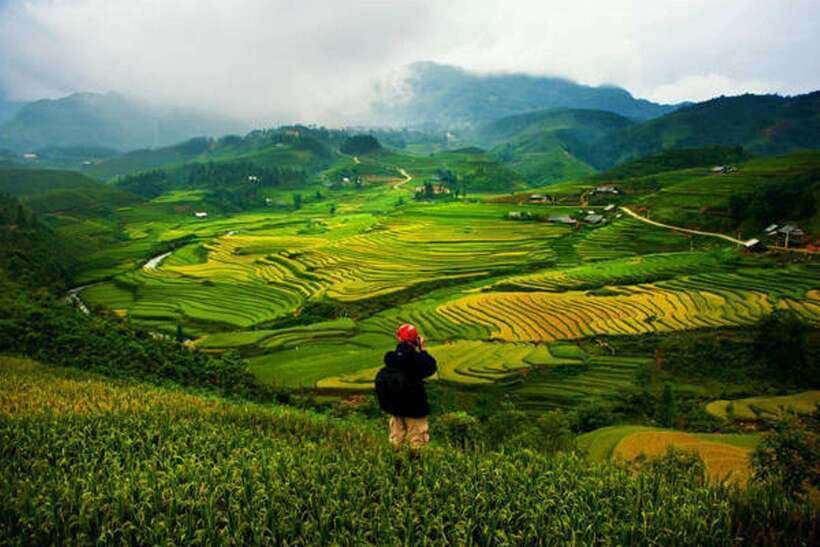
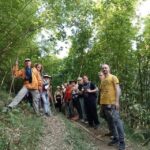
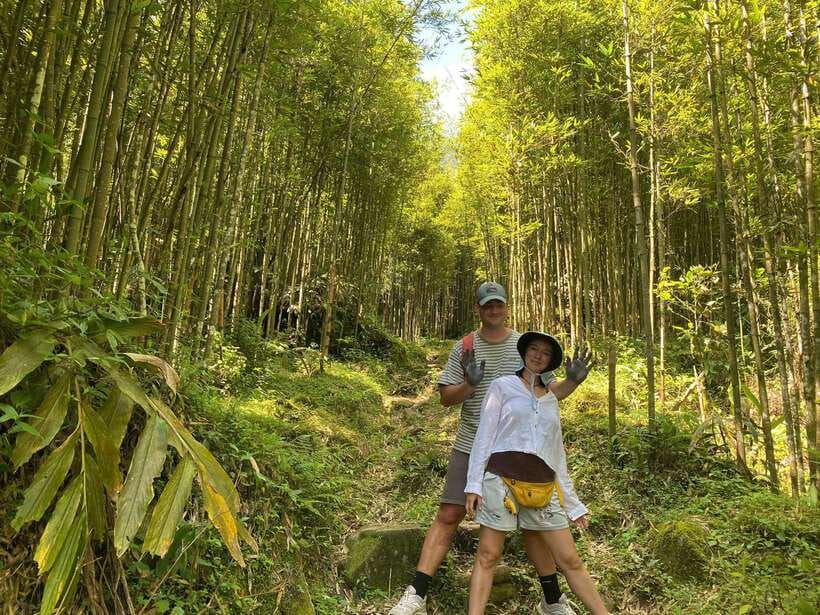
After lunch, the route heads into a bamboo forest. This section is a favorite for many people because it changes the feel of walking: the path narrows, the light changes, and the air cools a bit compared with open terraces.
Here’s the caution: if it’s wet, the bamboo-forest stretch can be very slippery. In multiple experiences, local helpers from the area are brought in to steady walkers. You can think of them as “trail support,” especially on steep or muddy patches where handholds and quick balance help prevent falls.
You’ll then reach the Red Dao ethnic minority village of Giang Ta Chai. This is where the day rounds out with more village time after the shift from open rice fields. The best way to experience it is slowly—pause when your guide explains something, look around at homes and daily routines, and keep your attention on people rather than just the view.
A short rest near a nearby waterfall gives your legs a break before the final climb uphill to where the driver is waiting.
Lunch at a local home: what you’re actually getting
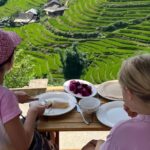
Lunch is included and served at a local house in the village. This is one of the parts that changes the tone of the day. Instead of stopping at a tourist restaurant, you eat in the place where people live—simple, practical, and part of the trek’s pacing.
Food details can vary by household and day, but one set of reported lunch items included vegetarian spring rolls, rice, vegetables, tofu, and eggs. Another traveler mentioned that the guide helped accommodate a vegan diet, which is a good sign if you have dietary needs—just be clear in advance when you book or message the operator.
If you eat with appreciation, you’ll get more out of the moment. Ask questions about what you’re eating if your guide says it’s okay. Small conversations here tend to stick with you longer than the steepest muddy hill.
The real challenge: muddy terrain, steep bits, and shoe choice
This trek is not for slippery-shoe people. It’s a 10-kilometer hike that can be challenging, especially in wet weather. Even when the itinerary looks straightforward on paper, the valley can turn into a slip-and-slide on rainy mornings.
The bamboo forest and some trail sections can get muddy and unstable. Multiple accounts describe local women walking alongside the group to offer steadying hands through steep or slick parts. If you’re the type who hates feeling out of control, this is still manageable—but you’ll feel the trail.
What to wear:
- Hiking shoes with real grip
- Avoid runners with low traction, especially on muddy slopes
- Expect your shoes to get dirty
If your footwear is a problem, fix it before you go. Several people mentioned soaking wet conditions when they used trainers, and others advised not to wear brand-new or white sneakers because the trail stains fast.
One extra practical tip: there can be a simple way to clean shoes at the end. I’d still assume you’ll wipe mud off in your own way, but it’s helpful to know that some operators plan for it.
Small group size and English guide: why it feels safer
This tour caps at 11 participants, which keeps the group manageable on narrow paths and uneven ground. A smaller group also means your guide can check in on people more often when the trail gets tricky.
Your guide is English-speaking. In recent experiences, guides named include Kau, Chai, Su, Khu, Sunny, Minh, Choo, and Thao Nu. You shouldn’t expect the exact same guide each day, but these names show the kind of person leading the trek: alert on safety, willing to explain village life, and good at adjusting pace when conditions change.
Another safety factor is the local support that may show up during the most slippery sections. People describe local helpers stepping in—sometimes by holding hands—so the group stays steady.
If you’re nervous about the hike, this structure helps. You’re not alone out there.
Price and value: what $23 buys, and what you’ll pay extra for
At $23 per person, this is priced like a budget-friendly trekking day, but it includes the big essentials:
- Hotel pickup in Sa Pa center town
- English-speaking guide
- Entry tickets
- Lunch at a local house
- Mineral water (500ml per person)
- Transport back as mentioned
What’s not included:
- Beverages
- Personal purchases
- Soft drinks
Two “real life” costs to plan for:
1) Cash for village selling. Several accounts mention local women following during parts of the trek and that you’re expected to buy something afterward as a thank-you. Bring small bills so it doesn’t become awkward.
2) If you want a French-speaking guide instead, there’s a 19 USD per person supplement payable upon confirmation.
Timing matters too. You’re getting a half-day to late afternoon trek, so you’re not paying for a full-day tour when the walking is the core of the experience.
On balance, the value comes from the combination: guide + lunch + the itinerary elements like river crossings and rock carvings. If you want only high-view photo spots, you might question the effort. If you want a day that mixes movement and village connection, it’s a solid deal.
Who should book this trek, and who should skip it
This fits best if you:
- Like walking and want to see villages beyond the main strip in Sa Pa
- Can handle uneven ground and muddy conditions
- Want a small-group experience with an English-speaking guide
- Are open to a bit of effort in exchange for access to rice terraces, river crossings, and village time
Skip it if:
- You have mobility impairments (it’s not suitable)
- You’re traveling with children under 6
- You can’t manage steep, slippery sections in wet weather
Also consider the season. Warm clothes are recommended from October to March, and you should pack what keeps you comfortable on cooler, foggy mornings.
Should you book the Sa Pa Muong Hoa Valley trek and ethnic villages?
I’d book this if you want a genuine Sa Pa day where the valley is the classroom and the villages are the point. The biggest reason to say yes is the structure: you don’t just look from a viewpoint. You walk the terraces, cross the river, see rock carvings, eat lunch in a local home, then finish with bamboo forest and another village.
I’d think twice if you’re worried about mud, steep steps, or losing traction. This trek can be tough under wet conditions, and shoes are the difference between a great day and a painful one.
If you go, go prepared:
- Wear grip hiking shoes
- Bring sunglasses, sunscreen, and insect repellent
- Bring some cash for small purchases at the villages
- Layer up if you’re traveling Oct–Mar
FAQ
How long is the Muong Hoa Valley trek?
The tour lasts about 6 hours total, and the trek distance is around 10 kilometers. The tour ends at approximately 3:30 PM.
What is included in the $23 price?
Pickup (if you’re in Sa Pa center town), an English-speaking guide, entry tickets, lunch, mineral water (500ml per person), and transport back as mentioned are included.
Where does pickup happen in Sa Pa?
Pickup is available from the Vietnam Nomadtrails office or from hotels in Sa Pa town. Pickup from outside the Sa Pa area is not available.
What should I bring for the hike?
Bring hiking shoes/trekking shoes. It’s also recommended to pack sunglasses, sunscreen, and insect repellent. Warm clothes are recommended from October to March.
Is the tour suitable for children or people with mobility impairments?
No. The activity is not suitable for disabled people and children under 6 years old.
What’s lunch like?
Lunch is included and served at a local house in a village. One guide has been reported to accommodate a vegan diet.
Are there extra costs besides the $23 base price?
Yes. Beverages and personal purchases aren’t included. A French-speaking guide costs 19 USD per person if you need it. There is also a Lunar New Year surcharge of 30 USD per person from 14 Feb to 21 Feb 2026.