REVIEW · HIKING & TREKKING
Sapa: Eco Adventure Terrace Fields and Local Villages Trek
Book on GetYourGuide →Operated by Da Nang Happy Tour · Bookable on GetYourGuide
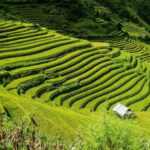
Rice terraces start early in Sapa.
This eco adventure turns a classic Sapa view into a full morning and early afternoon of trekking, village paths, and culture—starting with a viewpoint toward Fansipan Peak and then dropping into the Muong Hoa Valley’s rice-terrace rhythm.
I love two things most: the 10–12 km hike with changing terrain (rivers, wooden houses, and farmers), and the chance to eat a home-cooked lunch with a Hmong family in Lao Chai Sang—plain, local food in a real setting, not a staged restaurant stop.
The big catch is the ground. Expect mud and slippery sections, especially after rainy days, and plan your footwear like you mean it.
In This Review
- Key highlights worth the time
- From Sapa Church to Fansipan Views in Time for the Best Light
- Muong Hoa Valley Trek: Rice Terraces, Streams, and Working Farms
- The Hmong Stop at Y Linh Ho: A River Crossing and Village Connections
- Lao Chai Sang Lunch: Home-Cooked Food That Actually Tastes Like a Village
- Lao Chai Village and Hmong Clothing-Making Lessons
- Ta Van Village: Dzay Life, Another Mountain Rhythm, and a Calm Ending
- Mud, Steps, and Footwear: How to Actually Enjoy the Tough Parts
- Price and Value: Why This Trek Can Be a Smart Use of One Day
- Who Should Book This Sapa Trek (and Who Might Skip It)
- Should You Book? My Practical Take
- FAQ
- Where does the tour meet?
- What time does the trek start and end?
- How long is the trek and how far do you walk?
- Is lunch included, and is it local?
- What’s included in the price?
- Do I need to arrange hotel transfers?
- What should I bring?
- Is the tour suitable for everyone?
Key highlights worth the time
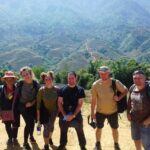
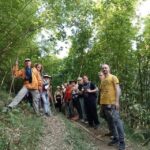
- Small group up to 10 people helps the guide keep track of everyone on uneven paths
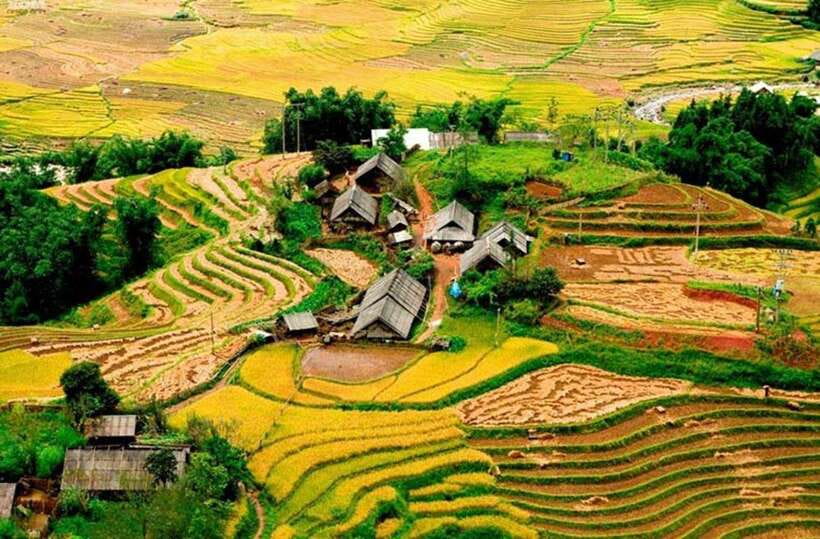
- Muong Hoa Valley rice terraces plus rivers and wooden homes make the walk feel varied, not repetitive
- Y Linh Ho, Lao Chai, and Ta Van village visits give you a layered look at Hmong and Dzay daily life
- Lunch with a Hmong family in Lao Chai Sang is the cultural anchor of the day
- Clothing-making and daily-life lessons add context beyond photos of houses and fields
- Local women often help on tricky muddy stretches, which makes a big difference for comfort and safety
From Sapa Church to Fansipan Views in Time for the Best Light
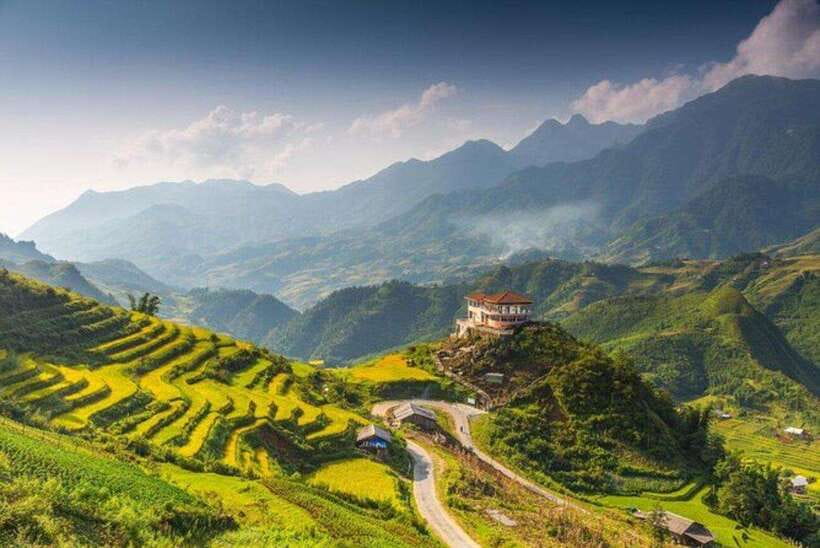
This trek begins at 9:00 AM, with your guide meeting you in front of Sapa Church. If you like starting early, you’ll appreciate the timing—Sapa can be foggy in the morning, and visibility often improves as the day moves on.
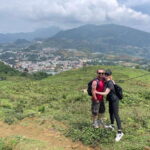
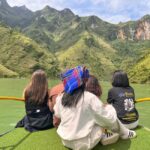
The first stop is a small hill viewpoint. It’s not just a “stand here and take a pic” moment. You get a sense of where everything sits: the valley shape, the terrace lines, and the way Fansipan Peak dominates the horizon when clouds cooperate. Even on weaker visibility days, this initial pause helps you understand the geography before you start walking.
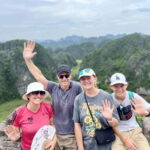
One practical note: this is a guided trek, not a casual stroll. You’ll be moving for hours, and the guide sets the pace. Many guides (I’ve seen names like Chai, Vu, Wu, and Rou in the day’s guide lineup) are good at keeping the group together, answering questions, and pointing out what to watch for—terraces, fields, and village life.
You can also read our reviews of more hiking tours in Sa Pa

Muong Hoa Valley Trek: Rice Terraces, Streams, and Working Farms
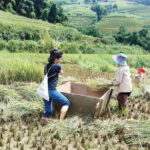
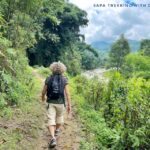
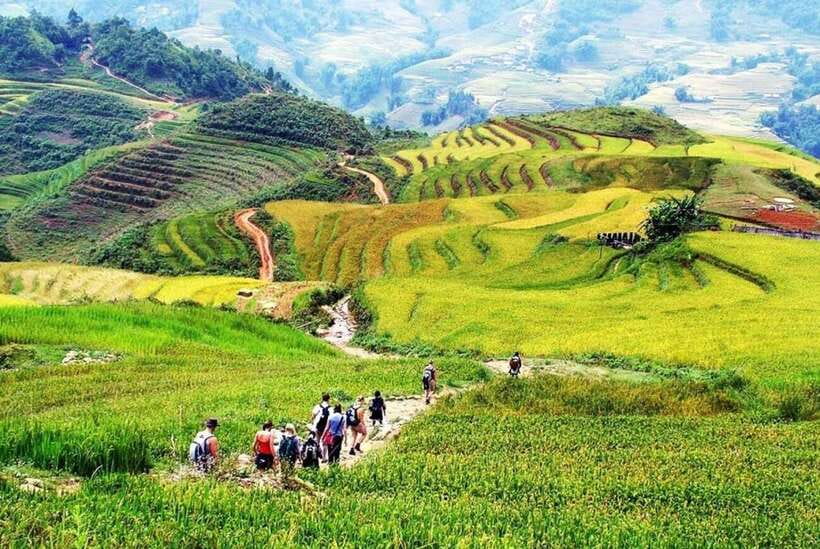
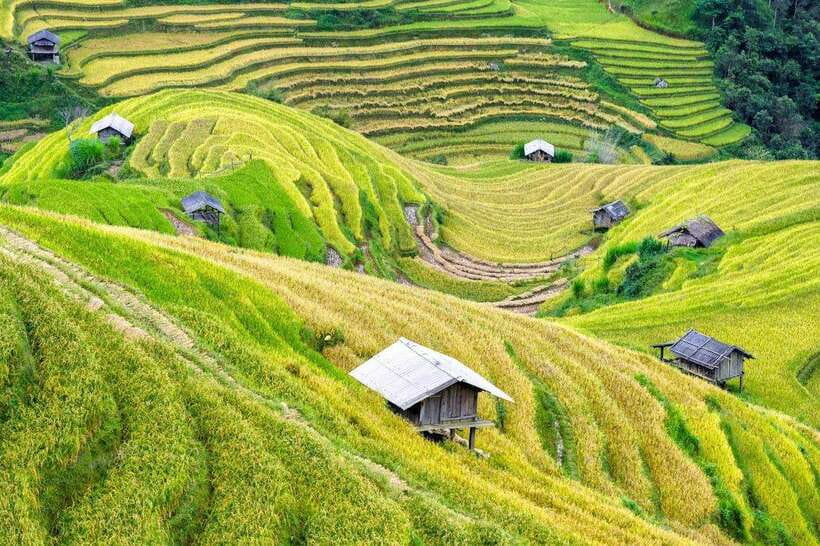
After the viewpoint, the route continues into Muong Hoa Valley. This is where the day earns its reputation. Expect layered rice terraces, dramatic mountain surroundings, and little moments that feel quietly normal: farmers in the fields, paths that follow the contour, and streams cutting through the valley.
Your trek passes:
- meandering streams and river edges
- traditional wooden houses along the way
- working farmland where you can see agriculture up close
This part of the hike is also where weather matters most. Several guides and hikers note that mist and fog can limit the morning view, but it often clears later. If you arrive on a gray day, don’t panic—you’re still walking through a living mountain system, not just chasing a single perfect panorama.
Also, read the ground early. Even when trails look fine from a distance, they can turn slick once you step onto clay or packed earth. Plan for the possibility that the first chunk of the trek may feel more challenging than expected, mainly due to mud rather than steepness.
The Hmong Stop at Y Linh Ho: A River Crossing and Village Connections
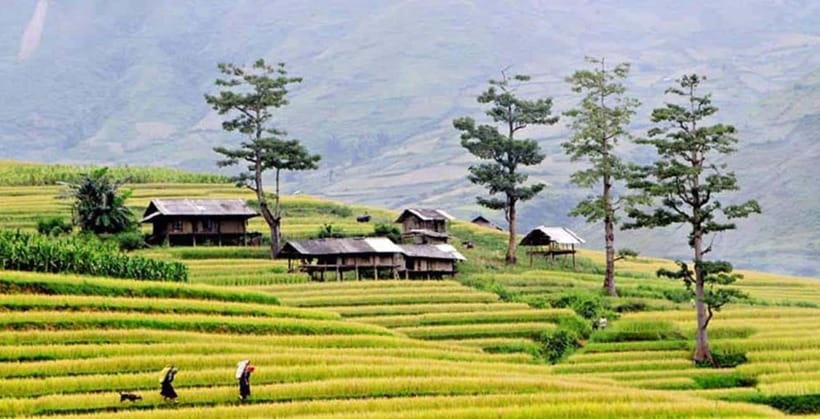
Around 11:00 AM, you reach Y Linh Ho Village, home to the Hmong ethnic minority. The route includes a small bridge crossing over a scenic river, which is a nice transition point. It breaks up the walk and gives you a natural “slow down” moment before the next stretch.
From here, you continue toward Lao Chai Sang, where you’ll see long lines of rice fields and the surrounding mountains. The route is designed to keep you moving through different “layers” of the valley—terraces down low, village paths in the middle, and mountains framing the background.
This is also where the cultural side turns from a theory into something you can feel. Guides often explain daily life and local customs in a way that doesn’t require a classroom setting. Names that show up frequently include guides like Chai and Vu, who tend to focus on how people live, not only what they wear or how villages look.
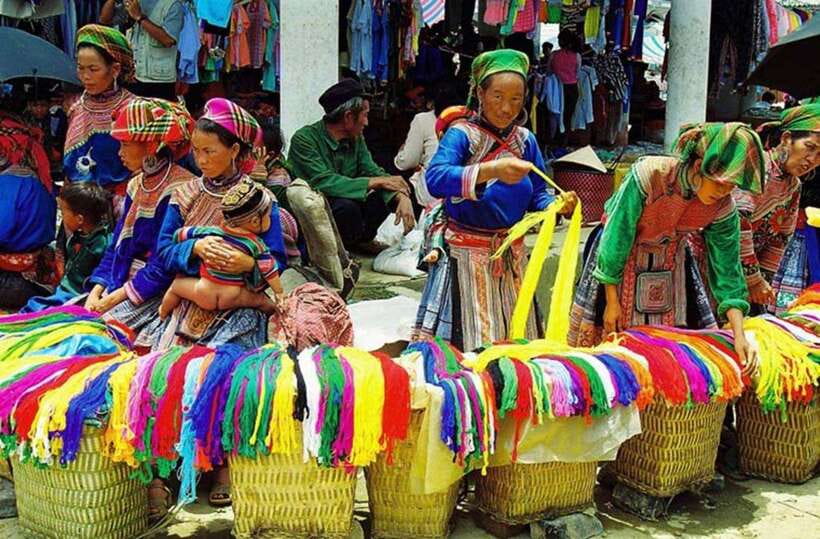
And yes, you may see roadside selling of handmade items (clothes, bags, crafts). It’s normal here. If you choose to buy, you’re directly supporting local income. If you don’t want to purchase, you can still be respectful and just keep walking—there’s no need to turn it into a negotiation.
Lao Chai Sang Lunch: Home-Cooked Food That Actually Tastes Like a Village
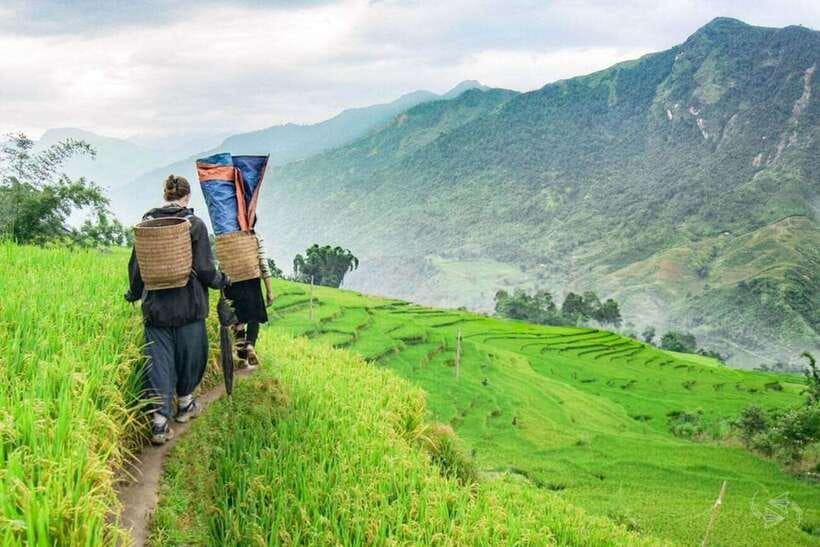
At about 12:30 PM, the day’s main comfort break arrives: lunch with a local Hmong family in Lao Chai Sang.
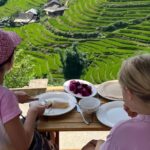
What makes this stop valuable is the setting. You’re eating as part of someone’s daily reality, not under bright lights in a tourist cafeteria. The food is described as tasty and filling, and some groups note vegetarian options can be available—so if you eat vegetarian, it’s worth asking when you meet your guide.
This is also the moment where you can reset your energy. You’ve walked the valley side up to the village area, and the meal gives you time to:
- warm up if it’s cool outside
- refuel before the afternoon trek
- ask questions in a calmer environment
If you like food as a cultural shortcut, this lunch is one of the best parts of the itinerary. It also helps explain what you’ve been seeing: fields, routines, and the way community hospitality shows up on a normal day.
Lao Chai Village and Hmong Clothing-Making Lessons
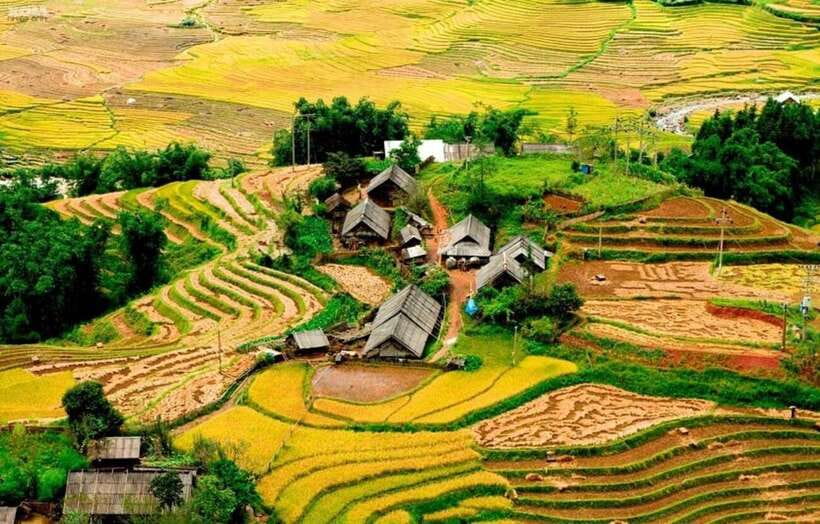
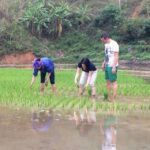
After lunch, the trek continues to Lao Chai Village. Depending on the season, you might see villagers planting or harvesting rice. That seasonal detail matters because it changes what you notice: terrace patterns, the pace of fieldwork, and even what people are focused on in conversation.
Later in the afternoon, there’s a cultural experience built around Hmong daily life and traditional clothing-making. This part is less about shopping and more about understanding the skills and meaning behind traditional textiles. If you’ve ever wondered why clothing styles look the way they do, this is the practical bridge between the visual and the story.
This is also a good time to slow down and look at hands, not just outfits. Guides tend to connect clothing to everyday work—how items are made, why certain techniques matter, and what routines look like.
Ta Van Village: Dzay Life, Another Mountain Rhythm, and a Calm Ending
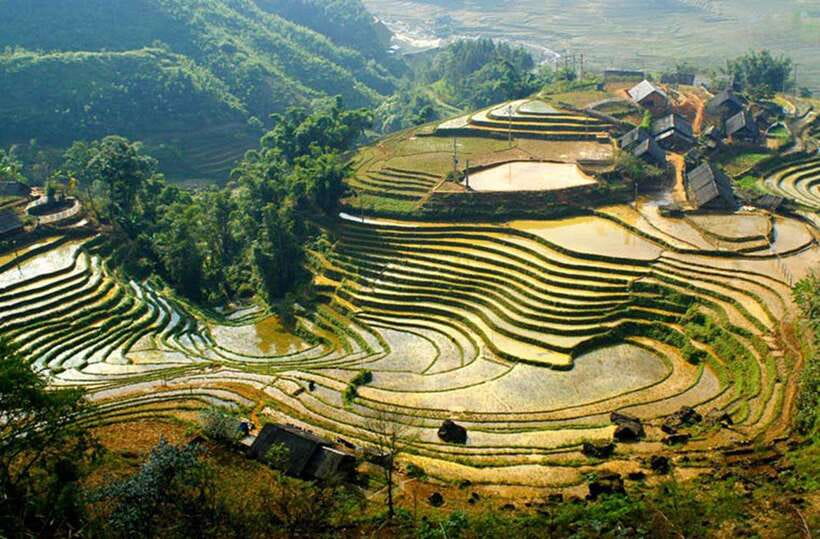
Your trek continues to Ta Van Village, home to the Dzay (Zay) minority. The change of village community adds another layer to the day. Even though you’re still in the same broad Sapa region, each village has its own rhythm—paths, daily tasks, and what people choose to show you as part of village life.
By later afternoon, your group heads back toward Sapa, typically finishing around 3:30 PM. This timing is one reason the trek is popular as a single-day activity. It’s long enough to feel like you left the town behind, but not so long that you’re still hiking when dinner plans start calling.
Mud, Steps, and Footwear: How to Actually Enjoy the Tough Parts
Let’s talk about the terrain honestly. You’re walking about 10–12 kilometers, and the trail can be muddy, especially in the first portion of the route. Several people specifically recommend renting gumboots or wellies. If you’re arriving without proper traction, renting boots can be the difference between enjoying the day and spending the whole time worrying about slips.
A few practical tips that keep showing up in real-world feedback:
- Wear shoes you don’t mind getting dirty
- Expect slippery downhills and plan slower steps
- If offered, take the route choice that fits your comfort level
- Bring insect repellent, since you’re moving through rural areas
Safety matters here. Guides often manage group spacing carefully, and local women may help on trickier stretches. That extra human support is one reason this trek can feel manageable even when the ground gets ugly.
Weather is the other wildcard. If it’s foggy early, don’t stress—conditions often improve by afternoon. Still, pack warm clothing. Sapa mornings can feel colder than you expect, and the hike includes time outdoors even if the sun is playing hard to find.
Price and Value: Why This Trek Can Be a Smart Use of One Day
At $27 per person, this trek can feel like a bargain if you compare it to paying for separate village visits, a guide, and lunch on your own.
What’s included:
- local English-speaking guide
- entrance tickets
- local lunch
What’s not included:
- hotel transfer service
- drinks
- other expenses not mentioned
So where is the value? In the combination. A full morning of guided walking through multiple villages, with cultural explanations and a home lunch, is hard to replicate cheaply by yourself—especially if you want the village perspective rather than only photos.
Also, the small group size (limited to 10 participants) helps. You’re less likely to feel like a number in a conveyor belt. And because the route includes muddy, uneven stretches, smaller groups make it easier to manage pace and safety.
One small “budget reality” item: you’ll likely want cash if you plan to purchase handmade textiles or support villagers who guide or assist on paths. Your guide can point out the appropriate moments.
Who Should Book This Sapa Trek (and Who Might Skip It)
This experience fits best if you:
- want a real walking day rather than a drive-by tour
- enjoy understanding how people live, not only photographing scenery
- are comfortable with uneven paths and mud
- like longer pauses for explanations (not nonstop talking)
It’s not suitable for children under 5, pregnant women, people with mobility impairments, wheelchair users, or people over 75.
If you have knee issues, consider how you handle slippery downhills. Some groups mention that certain parts can be challenging, and the option to choose easier walking sections is not guaranteed—so ask your guide what flexibility they can offer for your pace.
Also, if you hate getting dirty, this is not your “stay clean” day. This is a working countryside trek.
Should You Book? My Practical Take
I’d book this trek if you want Sapa beyond the viewpoint loop. The best reason is the structure: you start with a view, walk through the valley on village paths, eat lunch with a family, then carry the cultural learning into clothing-making and a second village community.
Skip it if:
- you need a low-mobility experience
- mud and slippery steps make you anxious
- you’re only in Sapa for a short burst and you’d rather do shorter, less physical options
If you do book, come prepared with warm layers and shoes that can handle mud. Consider renting gumboots if offered. And bring a curious mindset. This day is mostly about the people and routines you meet along the way, with the views as a constant bonus.
FAQ
Where does the tour meet?
The guide meets you in front of Sapa Church.
What time does the trek start and end?
It starts at 9:00 AM and typically returns to Sapa around 3:30 PM.
How long is the trek and how far do you walk?
The duration is about 390 minutes, and the hike is roughly 10–12 kilometers.
Is lunch included, and is it local?
Yes. Lunch is included, and it’s described as a home-cooked meal with a local Hmong family in Lao Chai Sang.
What’s included in the price?
Included are a local ethnic English-speaking guide, entrance tickets, and local lunch.
Do I need to arrange hotel transfers?
No hotel transfer service is included, so you’ll need to get yourself to the meeting point.
What should I bring?
Bring warm clothing, hiking shoes, and insect repellent.
Is the tour suitable for everyone?
No. It is not suitable for children under 5, pregnant women, people with mobility impairments, wheelchair users, or people over 75.