REVIEW · HIKING & TREKKING
Sa Pa: 2-Day Trekking Trip with Ethnic Minority Homestay
Book on GetYourGuide →Operated by Vietnam Nomadtrails · Bookable on GetYourGuide
Two days, three valleys, one Dzay homestay. You’ll hike through Muong Hoa Valley from Sa Pa, passing villages like Y Linh Ho and Ta Van, with big Dzay homestay vibes and mountain views on the way.
I love how this trip turns culture into something you can actually see and ask about. With guides such as Lan and Khu, you get real explanations of daily life and traditions, capped by a hosted village dinner that feels personal, not scripted.
The one caution: if it rains, expect slippery mud and a hike that’s not for everyone (no mobility issues, and it’s not built for kids under 6 or pregnancy).
In This Review
- Key highlights you’ll feel fast
- Where this Sapa trek earns its reputation
- Day 1: Sa Pa to Y Linh Ho, Lao Chai, and Ta Van (plus the Dzay homestay night)
- Y Linh Ho: Black H’mong village and wooden-house details
- Lao Chai to Ta Van: villages on the move and valley viewpoints
- Ta Van homestay: a real village night with a Dzay family
- Day 2: Ta Van, bamboo forest, waterfall break, and Giang Ta Chai return
- Breakfast, then a dirt-trail start from Ta Van
- A small H’mong village stop
- Bamboo forest and the waterfall break
- Giang Ta Chai and lunch on the way back
- Homestay reality check: what you gain (and what to plan for)
- What you’ll likely appreciate most
- The honest downsides to consider
- Guide quality: why names like Lan and Khu matter
- Food on the trail: two lunches, a hosted dinner, and real breakfast
- Price and value: is $55 a fair deal?
- What to pack for Muong Hoa Valley mud, cold mornings, and river time
- Who should book this (and who should skip it)
- Should you book this Sapa 2-day Dzay homestay trek?
- FAQ
- How long is the trek, and what distances are covered?
- What’s included in the price?
- Does the tour include transportation from Sa Pa?
- Is there a river swim during the trek?
- What should I bring for the trek?
- Who might not be able to join this trek?
Key highlights you’ll feel fast
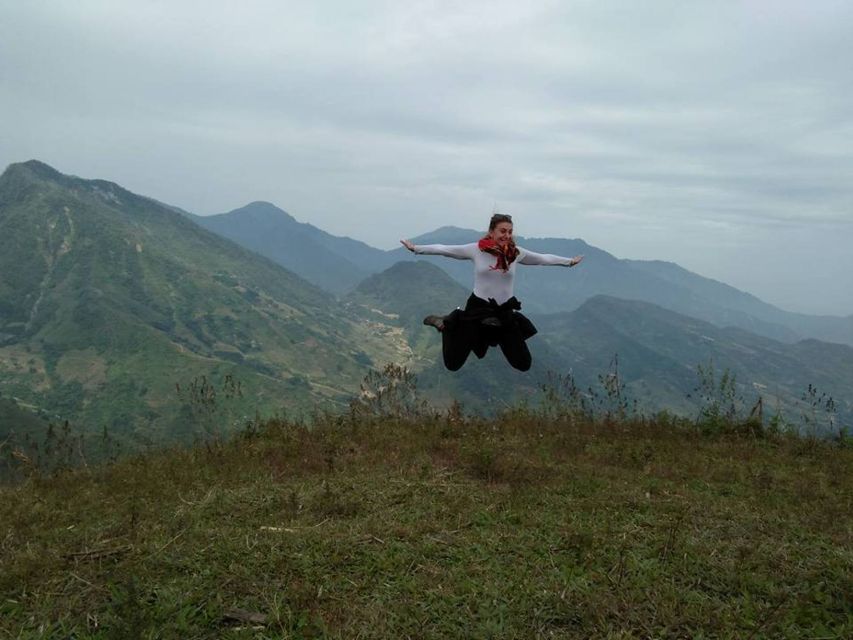
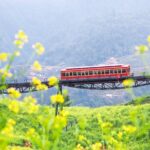
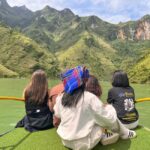
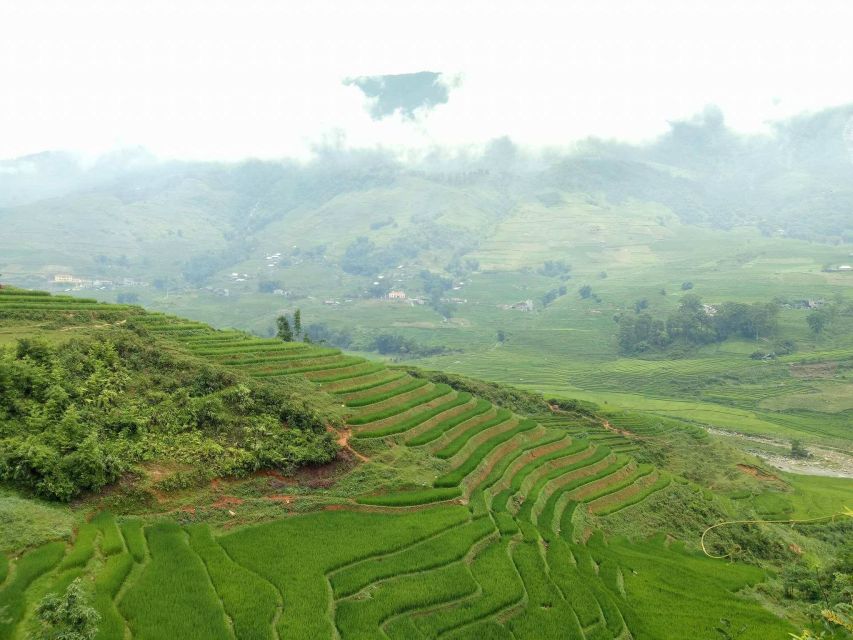
- Muong Hoa Valley views with rice paddies and strong mountain scenery, especially when the weather cooperates
- Two different ethnic communities on the trail, including Black H’mong stops like Y Linh Ho and villages along the route
- Dzay homestay night where you learn customs and sleep in a local family setting
- Day 2 bamboo forest + waterfall break, with a possible cool-off swim in the Muong Hoa River
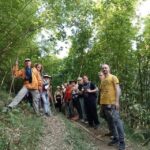
- Small group size (up to 14) and a guide who keeps an eye on everyone’s pace and safety
- Meals are part of the deal: two lunches plus a homestay breakfast and a hosted dinner
Where this Sapa trek earns its reputation
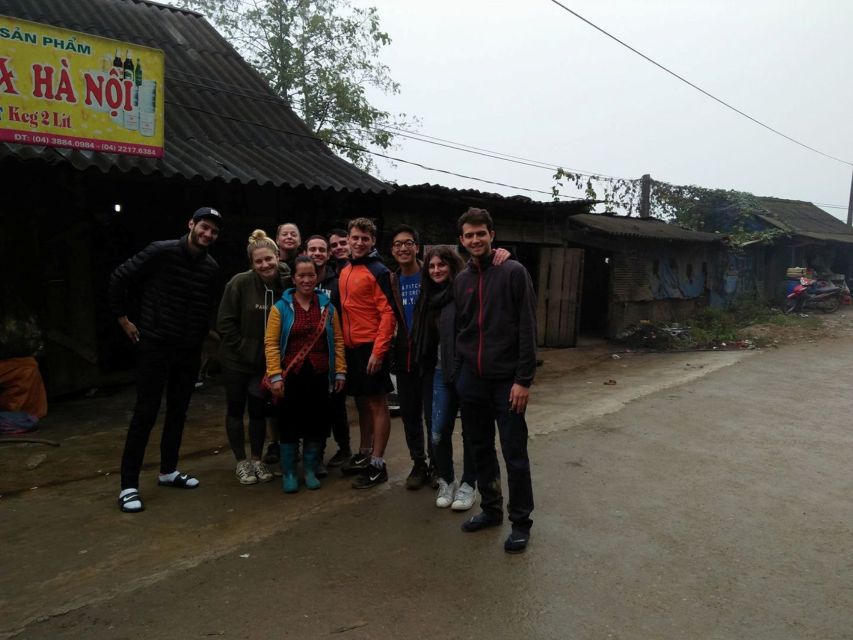
Sapa can be chaotic at street level, but this trek pulls you into a quieter world. In two days, you walk through Muong Hoa Valley, meet ethnic minority communities, and end the night in a Dzay homestay—so you don’t just look at culture from afar.
What I like most is the balance. You get proper hiking time (not a token walk), and you also get enough stops—villages, viewpoints, bamboo forest, and river time—that it feels like a real journey, not a checklist tour.
There’s also a practical side. With a small group and an English-speaking guide, you’re less likely to feel lost when paths get muddy or when village life gets busy around you.
You can also read our reviews of more hiking tours in Sa Pa

Day 1: Sa Pa to Y Linh Ho, Lao Chai, and Ta Van (plus the Dzay homestay night)
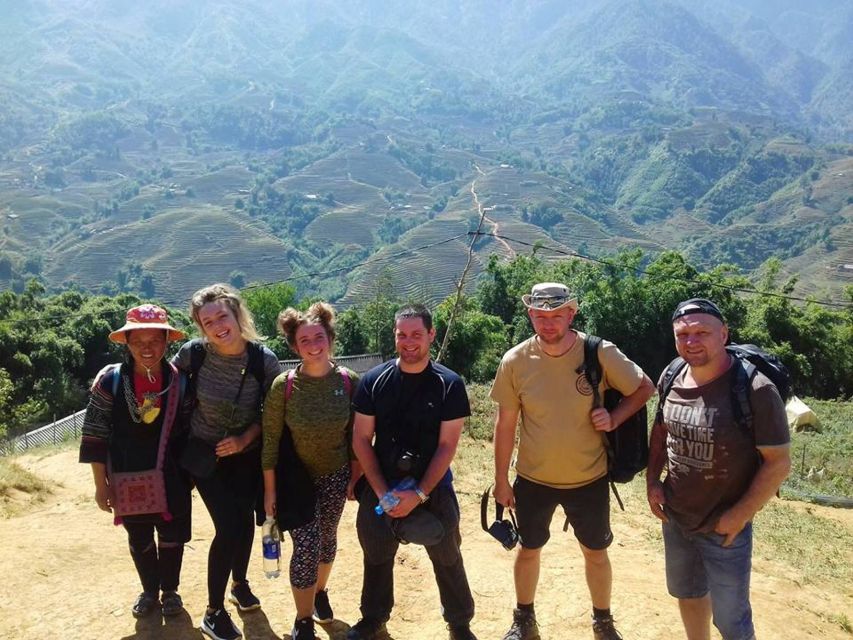
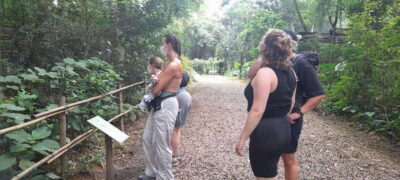
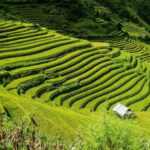
Day 1 is your main introduction walk—about 11 kilometers—through Muong Hoa Valley. You start from Sa Pa, then head toward Y Linh Ho, with plenty of chances to look out over rice paddies and catch views toward Fansipan (weather-dependent, but it’s the kind of mountain sight that makes people pause without meaning to).
Y Linh Ho: Black H’mong village and wooden-house details
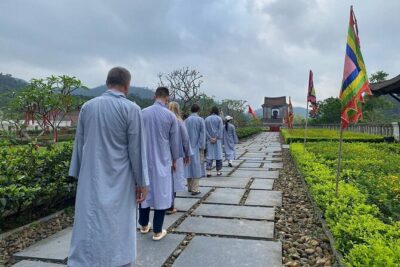
One of the early highlights is meeting the Black H’mong community in the village of Y Linh Ho. You’ll see the rhythm of village life up close, and your guide will point out details like the layout and style of traditional wooden houses. It’s not just staring from a distance—you’re encouraged to ask questions and get context for what you’re seeing.
Practical note: village paths can be uneven. Comfortable shoes matter here more than fashionable ones.
Lao Chai to Ta Van: villages on the move and valley viewpoints
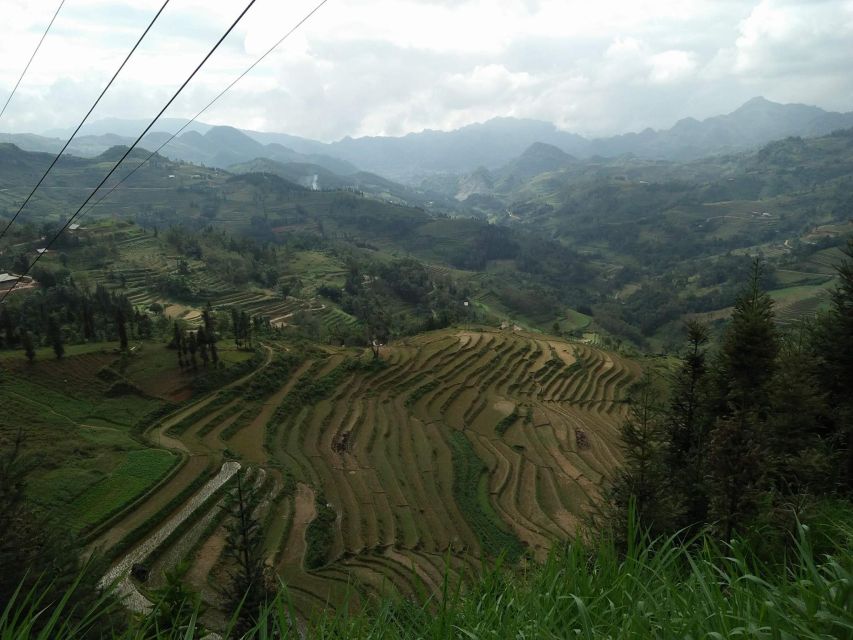
As you pass settlements on the way to Ta Van, the valley changes character. The rice terraces and mountain views tend to steal the show, but the real payoff is that you’re walking through a patchwork of homes and fields rather than a single scenic lookout.
Ta Van homestay: a real village night with a Dzay family
By the time you reach Ta Van, you check into a homestay with a Dzay ethnic minority family. This is the heart of the experience for many people: you get a hosted dinner with the family and learn customs in a way that feels day-to-day, not staged.
Expect a simple, local setup. Several people also noted that some homestays can have useful comforts like internet access and outlets—nice, but not something I’d count on without asking ahead.
You can also read our reviews of more tours and experiences in Sa Pa
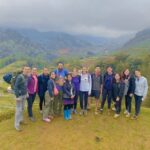

Day 2: Ta Van, bamboo forest, waterfall break, and Giang Ta Chai return
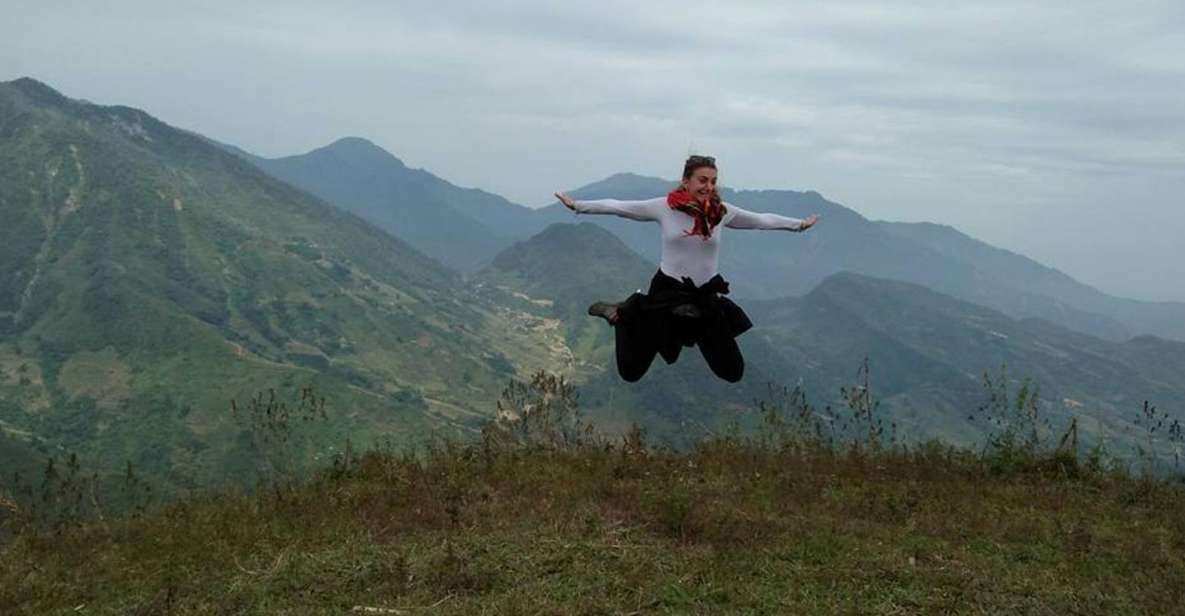
Day 2 is about 8 kilometers and feels different from Day 1—more about nature and short pauses than long stretches of village-to-village movement.
Breakfast, then a dirt-trail start from Ta Van
You’ll start with breakfast at the homestay, then hit the trail. If Day 1 is about getting your legs used to the terrain, Day 2 is where you start noticing smaller details: the texture of the dirt path, how the air shifts in the valley, and how often you’ll be slowing down to watch farmers at work.
A small H’mong village stop
You pass a small H’mong village before you reach a bamboo forest. This middle section is a reminder that these are living communities, not photo sets. It’s also a good moment to slow your pace and be present. A respectful attitude matters a lot here.
Bamboo forest and the waterfall break
Then comes the bamboo forest—cooler, quieter, and a big contrast from open rice fields. After that, you stop at a waterfall and take a break.
The best part is the option to cool off with a swim in the Muong Hoa River. If you’re coming in warm, it feels like a free reset. If you’re coming in cold, you’ll still be glad you have the chance to refresh—just be smart about how long you stay.
Giang Ta Chai and lunch on the way back
After the river and waterfall time, you head toward Giang Ta Chai, then stop for lunch at a local restaurant. Finally, you drive back to Sa Pa.
One small logistical thought: your return drive timing can get affected by how the groups are scheduled. One traveler mentioned waiting for another group on the way back, so if you have a strict onward connection (like a bus or train later that day), I’d build in some cushion.
Homestay reality check: what you gain (and what to plan for)
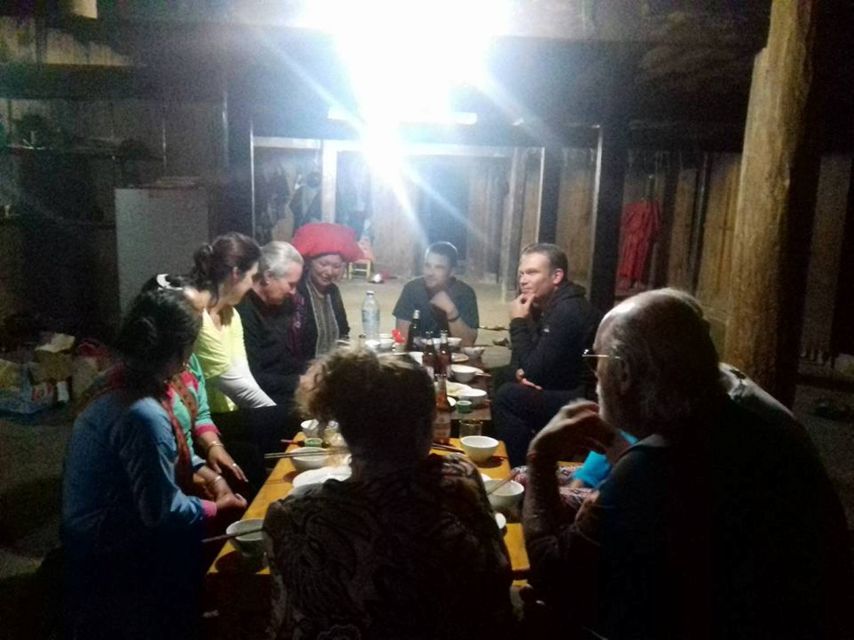
Staying in a Dzay homestay is the part that most strongly shapes how people rate this trip. You get access to daily life: the hosted dinner, the family conversation, and the slower pace of an evening that feels like home even when you’re a visitor.
What you’ll likely appreciate most
- Warm blankets and simple comfort after a hike
- A family meal that’s part of the experience, not an afterthought
- Customs explained by your guide, so you’re not left guessing
The honest downsides to consider
- The homestay is basic by design. If you need lots of entertainment, don’t plan on it. People described evenings as calm and quiet, which is perfect when you’re tired from walking.
- One reported issue was bedbugs in some beds. I can’t promise what you’ll get, but I’d treat this as a serious note: check bedding carefully, ask to see the sleeping arrangement before you settle, and consider bringing a light sleeping liner if that’s your style.
Guide quality: why names like Lan and Khu matter
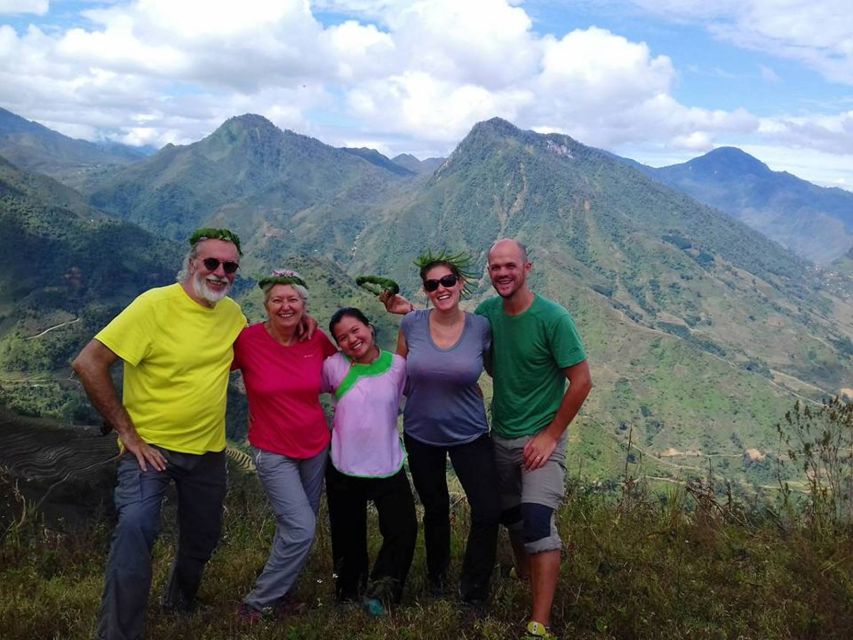
On a trek like this, the guide isn’t just there to point out scenery. They handle pacing, safety, and the cultural translation that makes the villages meaningful.
People repeatedly highlighted guides such as Lan and Khu for being friendly, patient, and helpful on the trail. When the ground is muddy, that matters. Even when the hike isn’t labeled extreme, slippery sections can make you appreciate local support and a guide who keeps an eye on the slowest walkers.
Also: this trip uses a small group size (up to 14). That’s a big deal when you’re moving through villages and narrow paths. You don’t feel like you’re glued to a big bus crowd.
Food on the trail: two lunches, a hosted dinner, and real breakfast
Meals are included, and they’re a core part of why this feels like a complete experience.
You’ll get:
- Lunch twice at a local restaurant
- A hosted dinner in the village
- Breakfast at the homestay
- Mineral water with the tour
One thing to plan for: drinks aren’t included, so you’ll want a strategy for water and any extra beverages you prefer. Also, if you’re sensitive to spicy food, tell your guide early and let them help you choose.
Price and value: is $55 a fair deal?
At $55 per person, this can be solid value because you’re not just paying for hiking. Your price covers:
- An English-speaking guide
- Homestay accommodation in a Dzay village
- Meals (two lunches, breakfast, and a hosted dinner)
- Entrance tickets to the planned stops
- Return transfer by bus, plus pickup in central Sa Pa hotels
- Mineral water
That’s a lot packed into one fee. The one cost add-on you should know about is the $30 per person surcharge for Lunar New Year (from Jan 26 to Feb 2, 2025). If you’re traveling in that window, factor it in early.
If you’re trying to compare with DIY travel, the main question is time and stress. Here, someone already coordinates the homestay and the day-to-day flow, which is worth real money when you’re tired and the terrain is wet.
What to pack for Muong Hoa Valley mud, cold mornings, and river time
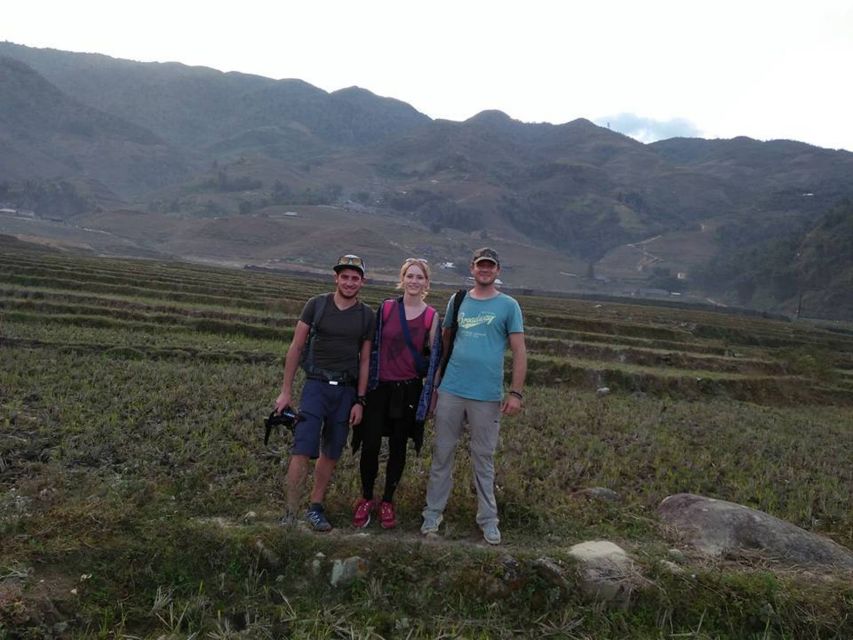
This trek is doable for many fit walkers, but it’s still a mountain hike. Pack for the weather shifts and slippery moments.
Bring:
- Comfortable shoes designed for uneven ground
- Warm clothing (recommended from October to March)
- Sunglasses
- Sunscreen
- Insect repellent
If you’re hiking in the colder season, don’t treat warm clothes like optional. People feel the chill fast once you’re in shaded sections and near water.
Who should book this (and who should skip it)
This is a great fit if you want:
- A real trek through Muong Hoa Valley with village time
- A night in a Dzay homestay
- A small group experience where your guide can answer questions in English
It’s not a good match if you:
- Have mobility impairments, significant back problems, or need step-free routes
- Are pregnant (the tour is listed as not suitable)
- Have children under 6
- Expect a low-walking “easy stroll” day
If you’re on the edge fitness-wise, here’s the reality: the hikes are not described as super long for marathoners, but you’re on dirt paths and mountain terrain. Rain makes it harder.
Should you book this Sapa 2-day Dzay homestay trek?
I’d book it if you want a mix of mountain scenery, ethnic minority village visits, and a meaningful homestay night—without having to coordinate the hard parts yourself.
Skip it if you hate muddy terrain, need very predictable schedules, or you’re uncomfortable with basic overnight conditions. Also, if you’re sensitive to insect or bedding issues, ask questions before you settle in.
One last tip: bring your patience. Some parts of village life are fast, curious, and crowded with daily activity. Your best experience comes when you slow down, follow your guide’s cues, and treat the homestay as a guest relationship, not a set piece.
FAQ
How long is the trek, and what distances are covered?
It runs for 2 days. Day 1 is a trek of about 11 kilometers, and Day 2 is about 8 kilometers.
What’s included in the price?
The price includes an English-speaking guide, entrance tickets to indicated sites, two lunches at local restaurants, a hosted dinner in the village, a homestay breakfast, homestay accommodation in a Dzay ethnic minority village, mineral water, and return transfer by bus.
Does the tour include transportation from Sa Pa?
Yes. Pickup is available at hotels in Sa Pa town center, and you also get return transfer by bus back to Sa Pa.
Is there a river swim during the trek?
There is a waterfall break on Day 2, and you may cool off with a swim in the Muong Hoa River.
What should I bring for the trek?
Bring comfortable shoes, warm clothing (recommended from October to March), sunglasses, and also sunscreen and insect repellent.
Who might not be able to join this trek?
The tour is not suitable for disabled people and children under 6, and it’s also listed as not suitable for pregnant women, people with back problems, and people with mobility impairments.