REVIEW · HIKING & TREKKING
Sapa Trekking Bargains With Local Guide
Book on GetYourGuide →Operated by Chan Giang · Bookable on GetYourGuide
Sapa trekking can feel commercial. This one feels like real village life in the valley, with a day that mixes walking, chat, and views that don’t come from a bus window. You’ll see Hmong traditions and daily routines at a pace that’s meant to fit you, not the other way around.
I especially love the less-touristy route options the guide can choose from, including the chance to swap between easier and more challenging stretches. I also like the small comfort upgrades: leave your luggage at the office and get a shower before and after, which matters when the path is muddy. One thing to consider: you’re still going to walk a lot—your day can be slippery and tiring if you don’t have solid shoes and rain gear.
In This Review
- Key highlights I’d circle before you go
- Why this Sapa village trek feels different from the usual day tours
- Getting started at Sapa Stone Church and timing your day right
- Village-by-village: Y Linh Ho, Lao Chai, and Ta Van on foot
- Bản Y Linh Ho: photo stops, shopping, and the first feel of the valley
- Lao Chai: the lunch hour and a deeper look at Hmong community life
- Ta Van: Dzay culture, a final walking stretch, and time to get back to Sapa
- The guide factor: English, local family ties, and flexible pacing
- Lunch at a Hmong family restaurant: where the day slows down
- Route distance (5–11km) and how to pick the right difficulty
- Weather, mud, and what to pack so your day stays enjoyable
- Shower and luggage drop: a small luxury that makes the hike easier
- Price and value: $19 for a guided day in the Hmong countryside
- Who should book this trek (and who should skip it)
- Should you book this Sapa trekking day trip?
- FAQ
- Where is the meeting point?
- What time does the trek start?
- What time does the tour end?
- How long is the activity?
- How far will I walk?
- Which villages are included?
- What’s included in the price?
- Is the guide available in English?
- Can I pay later and book now?
- What’s the cancellation policy?
- Who is this tour not suitable for?
Key highlights I’d circle before you go
- 5–11km route choices with different difficulty levels, so you’re not stuck doing someone else’s pace
- Hmong village visits including Y Linh Ho and Lao Chai, plus Ta Van with the Dzay people
- Lunch at a local Hmong family restaurant, not a generic stop
- Flexible guidance in real conditions, including rain-day route adjustments when needed
- Shower + luggage drop at the office, a rare convenience for a day hike
- English-speaking local guide and transport, with transport scoring 95% perfect
Why this Sapa village trek feels different from the usual day tours
Sapa sits high in Vietnam’s mountains, and the “day tour” version can sometimes feel like a checklist: photo, bus, photo, repeat. This trek is built around time on foot and time talking—so you understand what you’re seeing instead of just collecting snapshots.
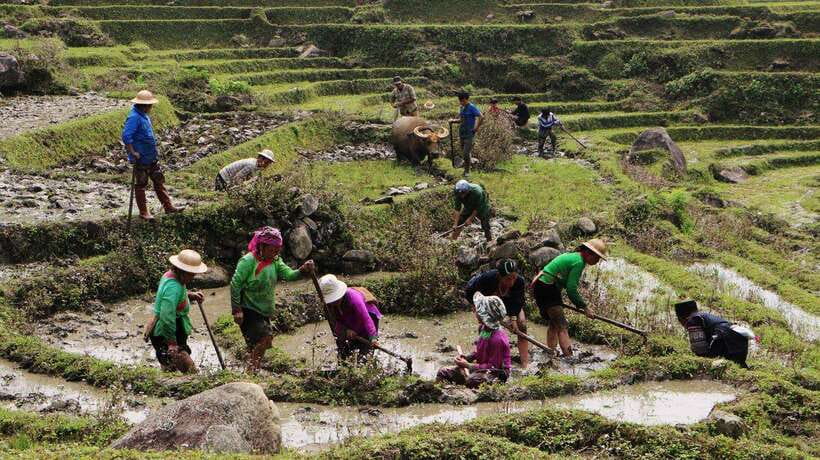
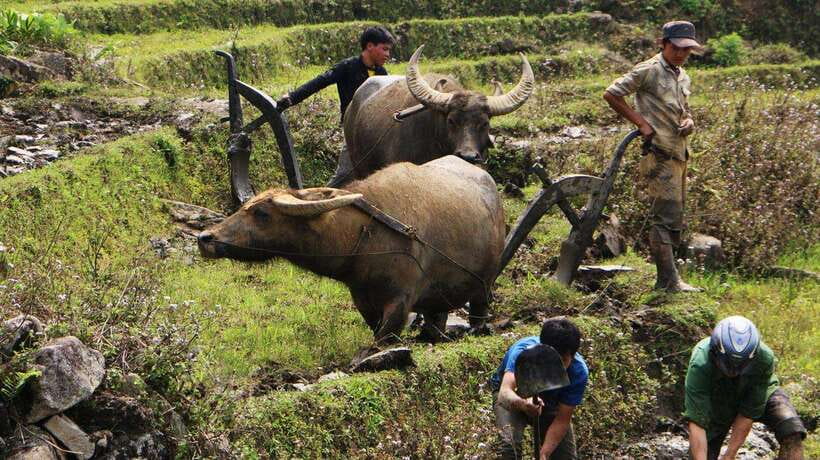
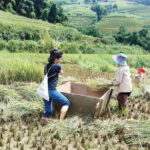
The day is structured around ethnic communities rather than viewpoints alone. You’ll move through Y Linh Ho village, then Lao Chai (described as one of the oldest and largest Hmong communities in the region), and finish in Ta Van, home to the Dzay people. Along the way, the guide shares customs and day-to-day details, and if you’re lucky with the season, you might also catch rice planting or harvesting in action.
The other big reason it works: you’re not forced onto one rigid walking loop. The route is flexible and can run roughly 5–11km, from easy strolls to more demanding treks, depending on what fits your legs and comfort level.
You can also read our reviews of more guided tours in Sa Pa
Getting started at Sapa Stone Church and timing your day right
You meet at Sapa Stone Church, and the trek starts at 9 AM. The plan runs until about 3 PM in Ta Van, with transport back to Sapa afterward so you can still catch your bus to Hanoi.
That timing is handy. Many Sapa treks run long into the evening, which can scramble dinner plans or make bus transfers tight. Here, you’re back early enough to plan the rest of your travel day without stressing every minute.
Transport is included, and it has a strong score: 95% of reviewers gave it a perfect score. That’s a practical reassurance in a place where roads can be rough and pickup points can be confusing.
Village-by-village: Y Linh Ho, Lao Chai, and Ta Van on foot
Bản Y Linh Ho: photo stops, shopping, and the first feel of the valley
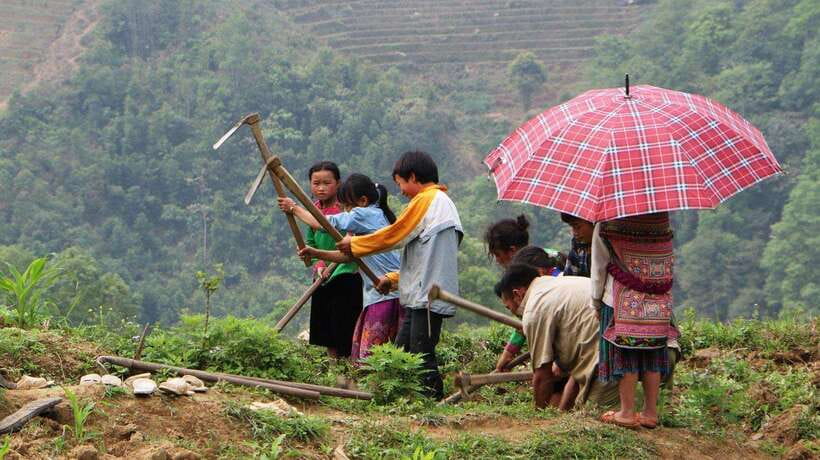
Your morning includes a guided visit around Y Linh Ho, with time for a photo stop and walking through the village area. This part is often where you start spotting how the communities live—paths, household rhythms, and the small visual cues that make the day feel real.
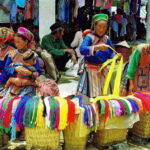
You’ll also have time for shopping. Don’t treat it like a pushy market stop. It’s more like an opportunity to see what’s made locally and buy something directly from people you meet. If you’re the type who likes supporting crafts, this is usually the moment to do it.
One reality check: the first sections can set the tone for the day. If conditions are wet, some footpaths may be slick, so good grip shoes matter right away.
Lao Chai: the lunch hour and a deeper look at Hmong community life
After you’ve walked, you head into Lao Chai. Lunch is included here, at a local Hmong family restaurant. The meal is a major part of the experience because it breaks up the hike and gives you a chance to slow down and see how food fits into village routines.
Lao Chai is described as one of the oldest and largest Hmong communities in the region, which means the guide can connect what you see now to how the community formed and how it functions today. In the best moments, the lunch conversation turns into a cultural Q&A: clothing, daily work, family life, and why certain traditions remain important.
A practical note from real-world experiences: some guides and family-run restaurants can accommodate vegetarian diners if you ask. The tour data doesn’t promise every dietary option, so if you need something specific, I’d message the operator ahead of time.
You can also read our reviews of more hiking tours in Sa Pa

Ta Van: Dzay culture, a final walking stretch, and time to get back to Sapa
The last village stop is Ta Van, home to the Dzay people. You’ll have another guided portion plus time for a photo stop and some sightseeing and shopping.
Ta Van is also where the day is designed to end—around 3 PM—so you’re not trapped in a late-afternoon scramble. From there, you take transport back to Sapa with time to catch your Hanoi bus.
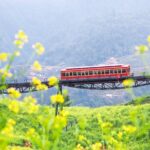
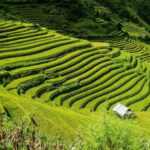
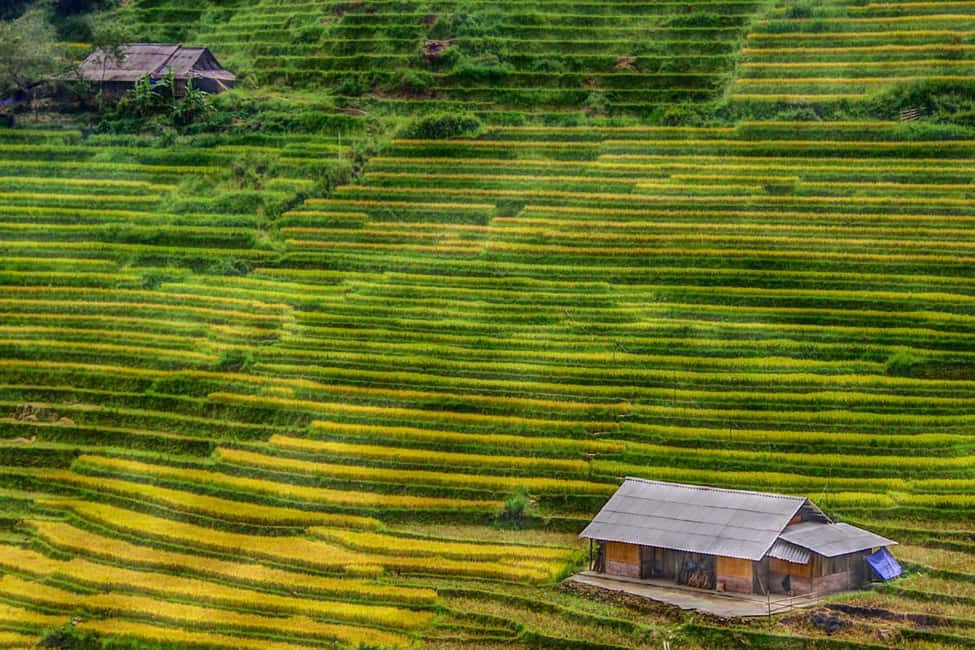
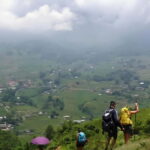
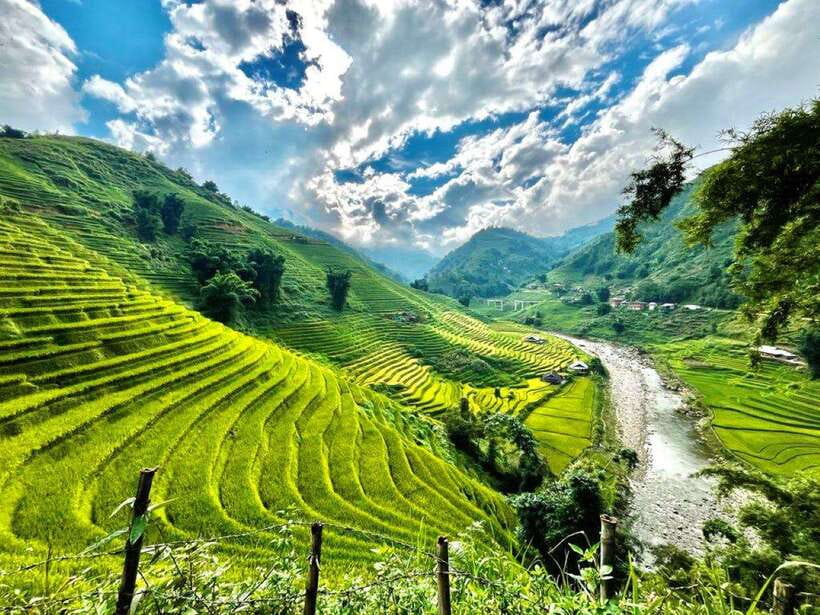
A bonus that shows up on many routes: depending on the specific path chosen, you might cross rice fields, pass waterfalls, or use bamboo bridges. That stuff isn’t guaranteed on every walk, but it’s the kind of terrain feature that can pop up when the guide selects a less crowded route.
The guide factor: English, local family ties, and flexible pacing
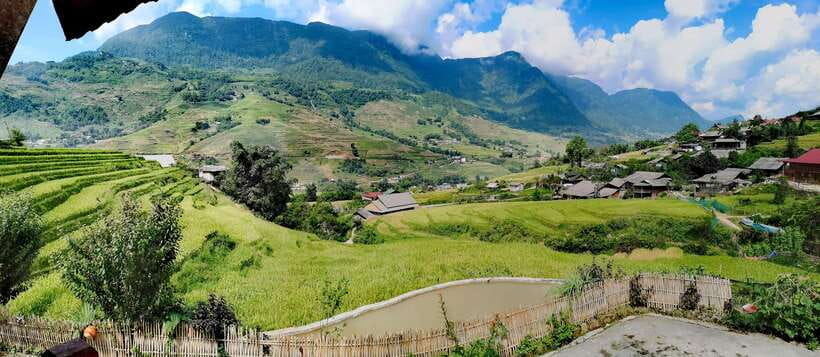
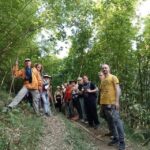
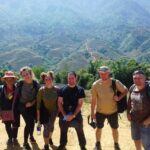
This trek includes a live English-speaking guide. The guide you meet may be Chan Giang, and you might also spend time with family members such as Sung (often mentioned as her husband) or Vu (her sister). In practice, what matters most is the same: you’ll be walking with someone who knows the valley and can adjust the plan as conditions change.
You’ll feel the flexibility in two ways:
- The guide can choose from different route options, roughly 5–11km, depending on your hiking ability.
- If weather turns—especially if it rains—your route may be adjusted so you don’t waste the day on parts that are too dangerous or unpleasant to cross.
I like this approach because Sapa’s paths aren’t always “tourist-friendly.” A route that’s fine for one group may be too slippery for another. Here, the goal is that you keep moving safely and still get the best views and village moments.
Lunch at a Hmong family restaurant: where the day slows down
The lunch is included, and it’s one of the best parts of the day because it’s not just food. It’s a pause that turns the trek from sightseeing into connection.
Here’s what you can expect:
- You’ll eat in a local Hmong family setting
- The break typically lands around the Lao Chai section
- After lunch, you get back on the trail with time to reach Ta Van by early afternoon
If you’re the type who likes learning while you eat, you’ll likely get plenty of conversation. Many visitors highlight that the day feels guided through real explanations, not one long lecture.
Route distance (5–11km) and how to pick the right difficulty
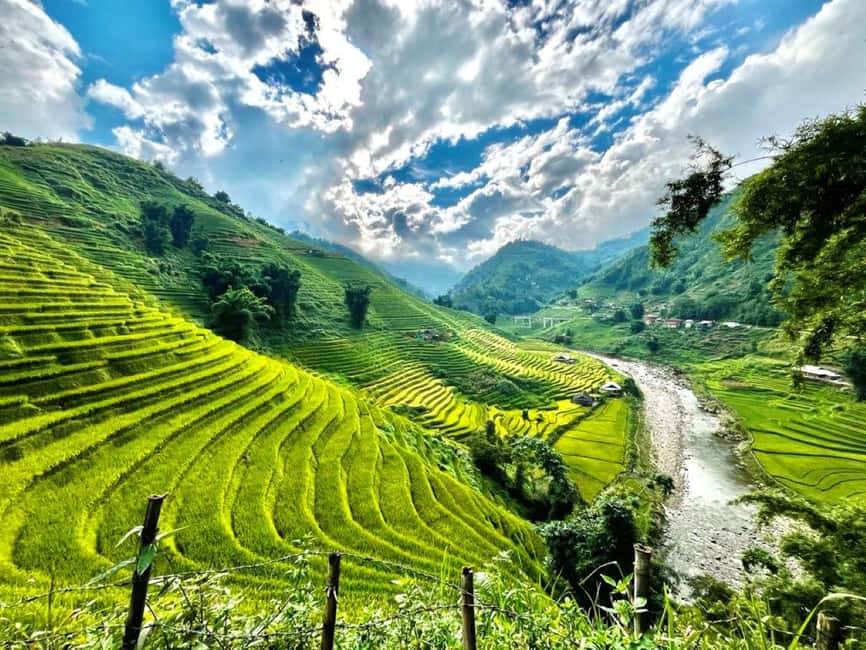
The tour offers multiple routes with distances roughly 5–11km and different difficulty levels. That matters because Sapa hiking can feel easier at the start and harder halfway through—especially if it’s muddy or if you take steeper paths to cut through.
From practical experience with this kind of terrain, here’s how I’d choose:
- Pick an easier option if you’re new to hills or you’re worried about slipping.
- Pick the longer or tougher option if you want more time with views and you’re comfortable on uneven ground.
Some routes may include steeper scrambles or slick sections. One helpful strategy that came up: if a climb feels too steep or risky, you can switch to a safer route on the road while still keeping the day moving. The key is that the guide is there to match the trek to your reality, not a brochure idea.
Weather, mud, and what to pack so your day stays enjoyable
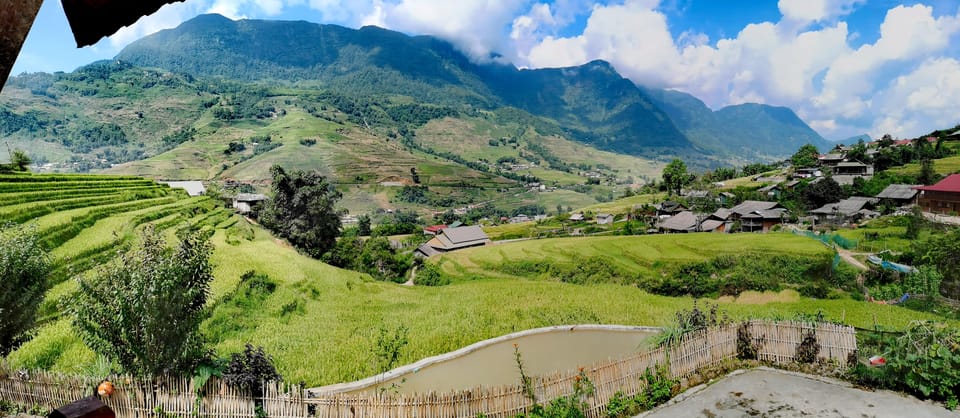
Sapa can be wet, and your shoes will get tested. The operator’s packing list is solid, and I’d take it seriously:
- Comfortable shoes or proper hiking shoes
- Rain gear
- Sunglasses and sun hat
- Drinks
- Camera and a charged smartphone
- Trekking gear (whatever you normally use for day hikes)
One more thought: even if you love walking, slippery steps can steal your confidence fast. If you show up with light sneakers, you’ll spend more time thinking about footing than taking in the valley.
If it rains, the guide can adjust the route. Still, you’ll get wet. Plan for that, not around it.
Shower and luggage drop: a small luxury that makes the hike easier
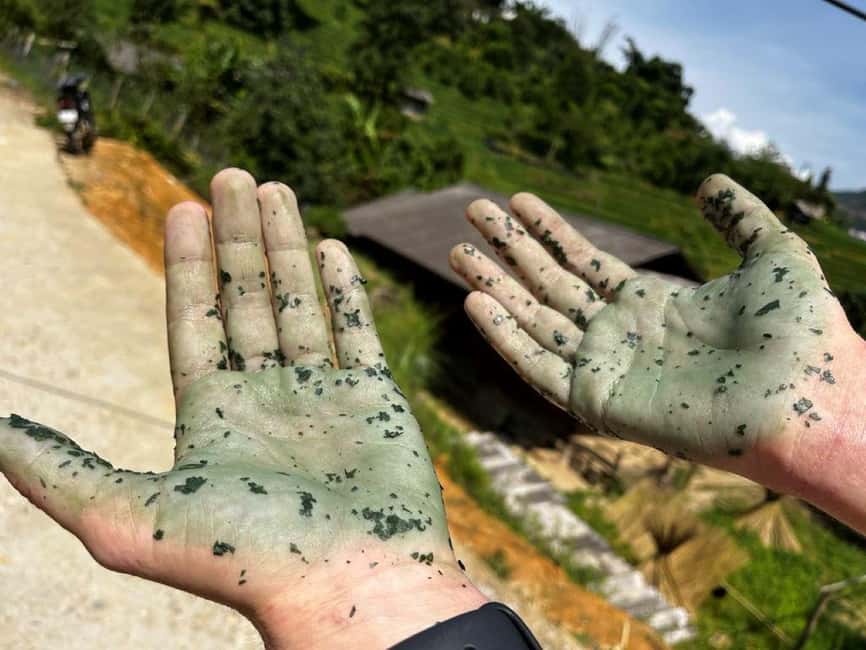
This trek has a smart comfort upgrade: leave your luggage at the office and enjoy a shower before and after your hike. That’s not a gimmick. In Sapa, where you might return muddy or sweaty, having a place to clean up turns the end of the day from grim to doable.
It also helps you travel lightly with what you truly need for the trail. You won’t have to drag extra bags around villages and switchback paths.
Price and value: $19 for a guided day in the Hmong countryside
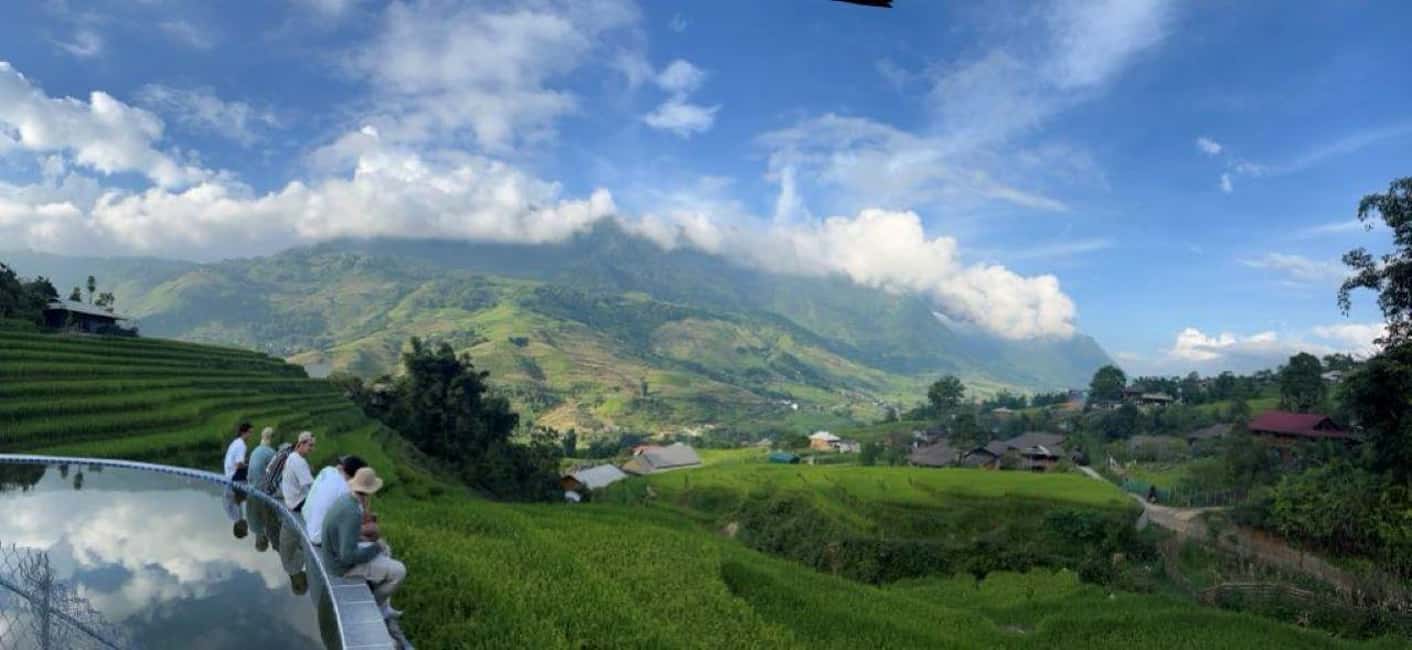
At $19 per person, this is budget-friendly for a guided trek that includes:
- An English-speaking guide
- Lunch
- Transport back to Sapa
The real value isn’t just the price tag. It’s that the day includes local village time with route flexibility and real conversation. Many low-cost tours in Vietnam still deliver a “fast pass” vibe—here, the structure suggests more time on foot and less time stuck in transit.
Is it free of trade-offs? No. You’ll be walking, and the experience depends on your willingness to do a proper hike. But if you want Sapa beyond the busiest viewpoints, this is strong value.
Who should book this trek (and who should skip it)
This day hike is a good match if you want:
- A less-touristy Sapa day with village life
- Walking in the valley with ethnic communities like the Hmong and Dzay
- English guidance and time for questions
- Flexible route lengths around 5–11km
It’s not suitable for people with:
- heart problems
- wheelchair users
- low level of fitness
- high blood pressure
- haemophilia
- lactose intolerance
- and it also lists non-swimmers and divers under certain conditions
That last set is unusual for a day trek, but it is explicitly stated by the operator. If any of those apply to you, it’s worth checking directly before booking.
Should you book this Sapa trekking day trip?
I’d book it if you want a Sapa day that feels human: villages, stories, lunch with a local family, and walking routes chosen for your comfort. The best sign is the mix of English-guided explanations and route flexibility, plus the practical perks like luggage drop and showers.
I’d skip it if you hate walking on uneven ground or if you expect a mostly flat, low-effort experience. This is a mountain valley hike, and conditions can be muddy.
If you’re aiming for Sapa that goes beyond quick photos, this is one of the better bets at this price.
FAQ
Where is the meeting point?
You meet at Sapa Stone Church.
What time does the trek start?
The tour starts at 9 AM.
What time does the tour end?
The plan wraps up at 3 PM in Ta Van, with transport back to Sapa after.
How long is the activity?
The duration listed is 330 minutes.
How far will I walk?
Route options range from about 5 to 11 km, depending on the difficulty level.
Which villages are included?
The day includes visits to Y Linh Ho village, Lao Chai village, and Ta Van village.
What’s included in the price?
Included are the guide, lunch, and the transfer back to Sapa.
Is the guide available in English?
Yes, the live tour guide speaks English.
Can I pay later and book now?
Yes. You can reserve now and pay later.
What’s the cancellation policy?
Free cancellation is available up to 24 hours in advance for a full refund.
Who is this tour not suitable for?
It’s not suitable for people with heart problems, wheelchair users, non-swimmers, people with haemophilia, people with high blood pressure, people with low fitness, and people with lactose intolerance. It also lists divers without certification and certain recent diving conditions.