REVIEW · SA PA
SAPA : Climb up to Fansipan mountain with LOCAL GUIDE
Book on GetYourGuide →Operated by Sa pa Rice Terraces View Homestay & Bar · Bookable on GetYourGuide
Fansipan in one day is serious fun. I love how a local Black H’mông guide turns the climb into more than steps on a mountain, with stories and real mountain life. You’ll start early from Sapa and work your way up from the Tram Ton Pass toward the roof of Indochina with a guide like Za, Zo, Ke, Mai, or Khu (all named on the tour team).
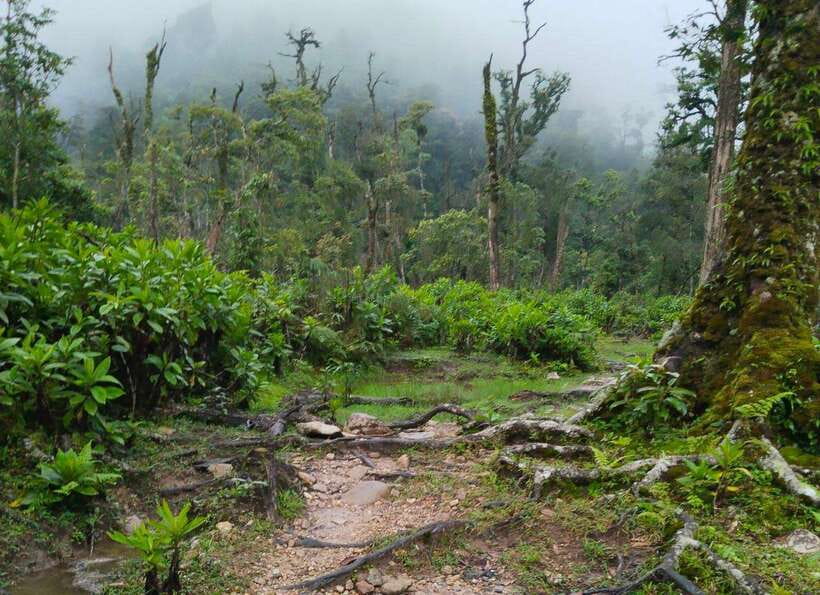
What makes this trek click for me is the mix of effort and care. I really like that you’re fed well on the go (picnic-style lunch, often banh mi or soup) and you get practical support like 1.5 liters of water, gloves, and pacing that fits your group. The one drawback to plan around is weather: at this altitude the top can be clouded or you can hit muddy, slippery trail after rain, which can make the last stretch feel longer and the views less predictable.
Key practical take: this is a tough day. If you’re in decent shape, you’ll feel proud when you reach 3,143m—and you’ll also understand why guides insist on good shoes and rain gear.
In This Review
- Key Points You’ll Feel on the Day
- Why This One-Day Fansipan Climb From Sapa Feels Different
- The Early Pickup and the Trip to Tram Ton Pass (5:30 AM Start)
- The Trek Itself: 7–9 Hours, Forest Changes, and Cardamom Clues
- Pace and scrambling reality
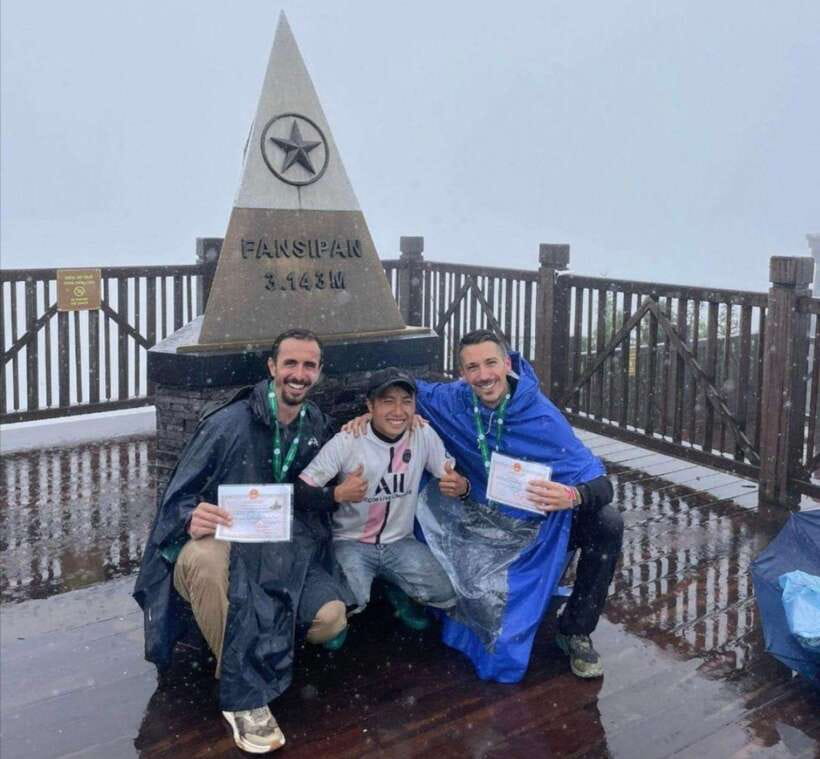
- The Summit Moment at 3,143m: Roof of Indochina, Fog Included
- The Descent Plan: 2,900m Check, Return to Tram Ton, and Late-Day Energy
- The descent can feel harder than the climb
- Cable car option (ticket not included)
- A practical note about timing
- What’s Included for $72: Where the Value Actually Shows
- Who This Trek Fits Best (And Who Should Think Twice)
- Packing Tips That Matter at 1,800m and Above
- Should You Book This Fansipan Summit Trek With a Local Guide?
- FAQ
- Where do we get picked up for the Fansipan hike?
- What time does the trek start?
- How long does the tour take?
- Is the cable car included if I’m tired?
- What’s included in the $72 per person price?
- What should I bring?
- Is the tour suitable for kids or older adults?
- Can I cancel for a refund?
Key Points You’ll Feel on the Day
- Local guide culture + safety: You’re not just hiking; you’re learning the mountain from people who live nearby, with guides who adjust pace and watch footing.
- Tram Ton Pass start (about 1,800m): You’ll feel the altitude right away, so warm up and move steadily.
- 7–9 hours of ascent and descent: It’s one-day moderate to challenging, with some light scrambling and lots of stairs.
- Summit at 3,143m: The roof of Indochina moment is real, even if fog limits photos.
- Lunch and snacks matter: Expect a picnic lunch and, in some cases, extra snack time around the 2,800m area.
- Cable car is your escape hatch (not included): If you’re cooked, you can take it down for an extra ticket cost.
Why This One-Day Fansipan Climb From Sapa Feels Different
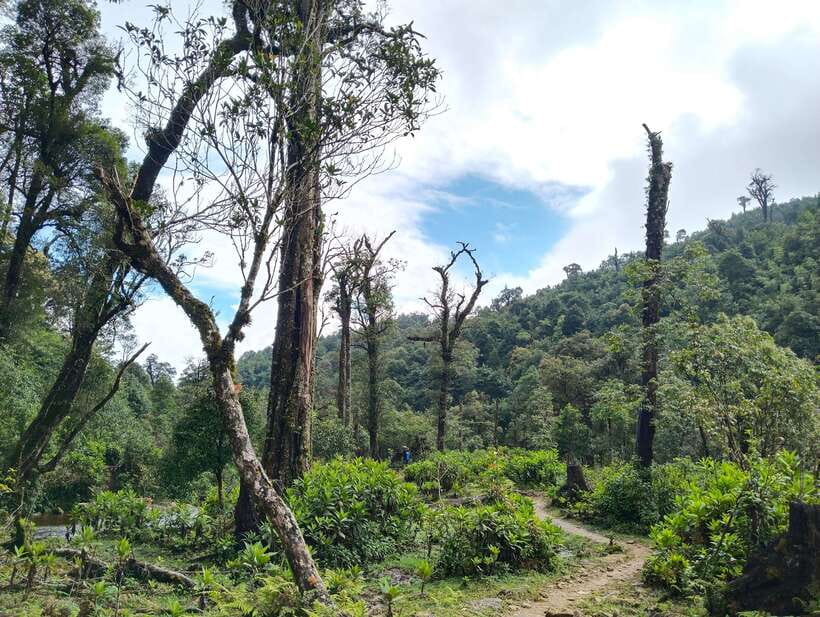
Fansipan isn’t a gentle walk-up. It’s a full-day effort with changing trail, steep sections, and weather that can swing fast. What I like most is that the tour gives you structure: you’re picked up in town, transported to Tram Ton Pass, guided up and down, and fed along the route—so you can focus on the climb instead of logistics.
And the local guide piece is not just a label. The best moments on this trek are the in-between ones: hearing how the Black H’mông community relates to the mountain, spotting plants tied to daily life (cardamom gets mentioned on the route), and watching how the forest changes as you gain altitude.
The other big win is that you get the official finish touches: entrance fees are handled, and you leave with a Fansipan climbing certificate (plus your medal and certificate are treated as a meaningful extra in the day’s flow). Even if you don’t care about paperwork, it’s a nice way to mark the achievement.
You can also read our reviews of more guided tours in Sa Pa
The Early Pickup and the Trip to Tram Ton Pass (5:30 AM Start)
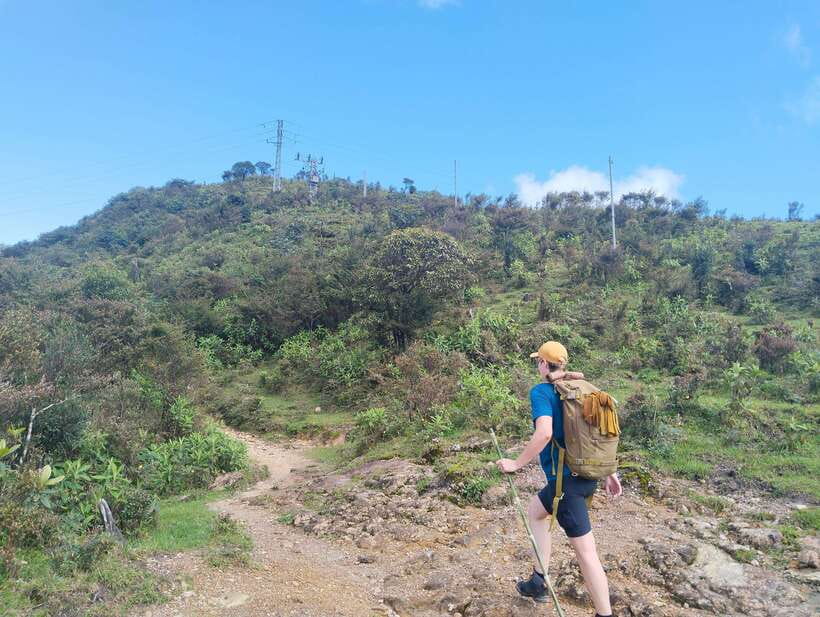
The day starts early for a reason: you want daylight, you want time on the trail, and you want a buffer for slow sections or bad weather. You’ll meet your guide and driver at 5:30 AM at a pickup point like Stone Church Sapa or a hotel along the route to Tram Ton Pass.
From there, you’ll ride by car or motorbike up toward the trailhead area. The trekking begins around 6:00 AM when you arrive at Tram Ton Pass, at about 1,800m above sea level.
Two things you should know here:
- You’ll feel altitude quickly even though this is still “only” the start. Warm layers help.
- Your guide’s job begins before you even step onto the trail. Several guides (Za and Zo are named often) are described as clear about what to bring and what to expect, so you’re less likely to start underprepared.
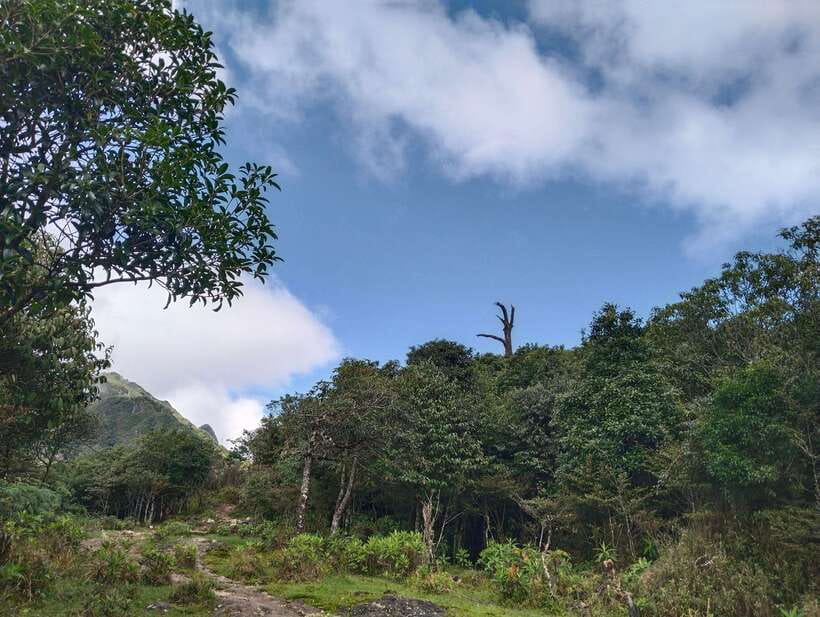
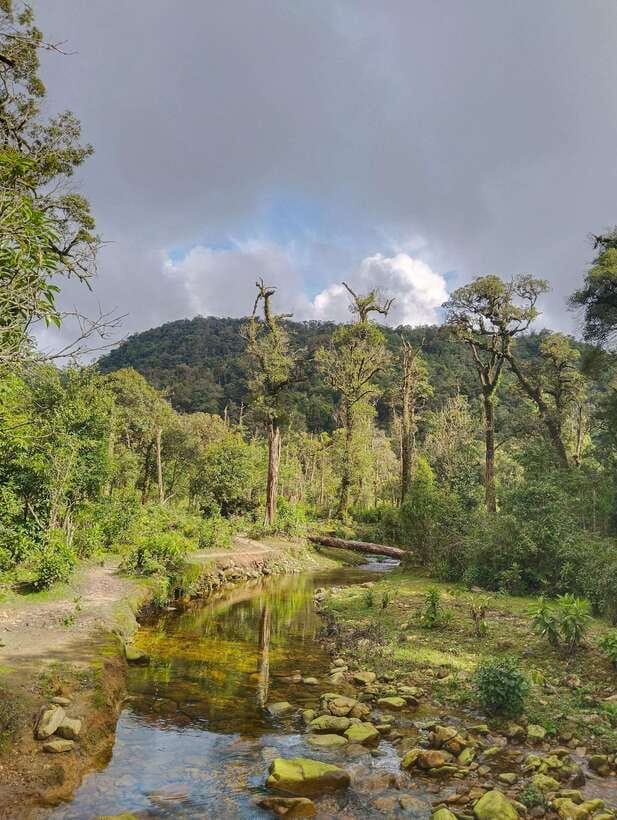
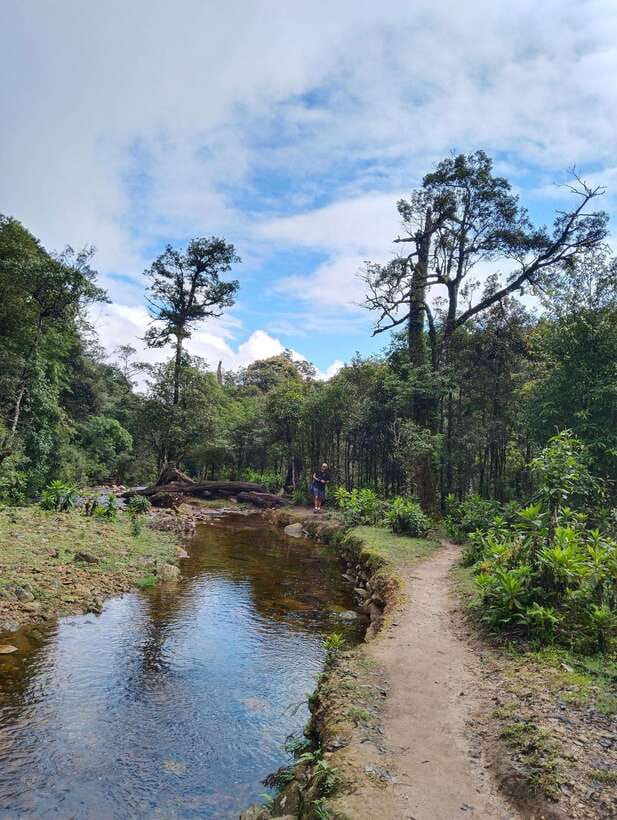
If you’re tempted to show up with flimsy shoes or no rain protection, resist that. Mud and slick rock are common enough that good traction isn’t optional.
The Trek Itself: 7–9 Hours, Forest Changes, and Cardamom Clues
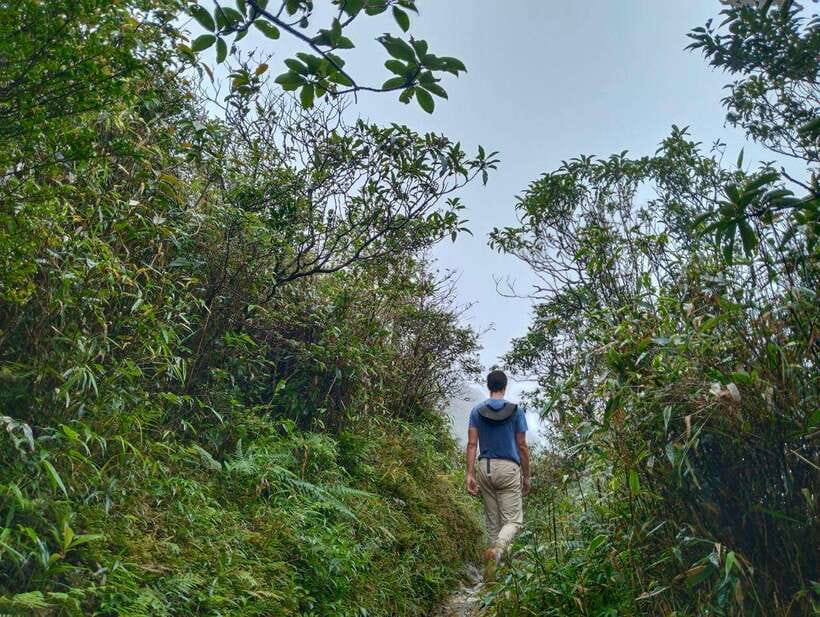
The climb up (and back down) is where this tour earns its moderate-to-challenging label. The total time for ascent and descent is typically 7–9 hours, including breaks.
As you hike, the trail runs through different forest types as altitude increases. The tour description even calls out the natural diversity you can expect—around 2,024 floral varieties and 327 faunal species in the broader area. You don’t need to memorize that. The practical point is that the environment changes in visible ways: air feels different, the vegetation shifts, and the footing can vary section to section.
You’ll also pass through scenery connected to the Muong Hoa valley. This matters because the views aren’t just random photo stops. They’re your reward for the effort, and your guide will usually build in moments to look around while you still keep moving.
One cool detail to watch for: cardamom. The route includes a mention of cardamom as a spice linked to local plants, and it’s the kind of info a guide can connect to real life—how people use plants, how the mountain feeds communities, and why certain spots stand out.
Pace and scrambling reality
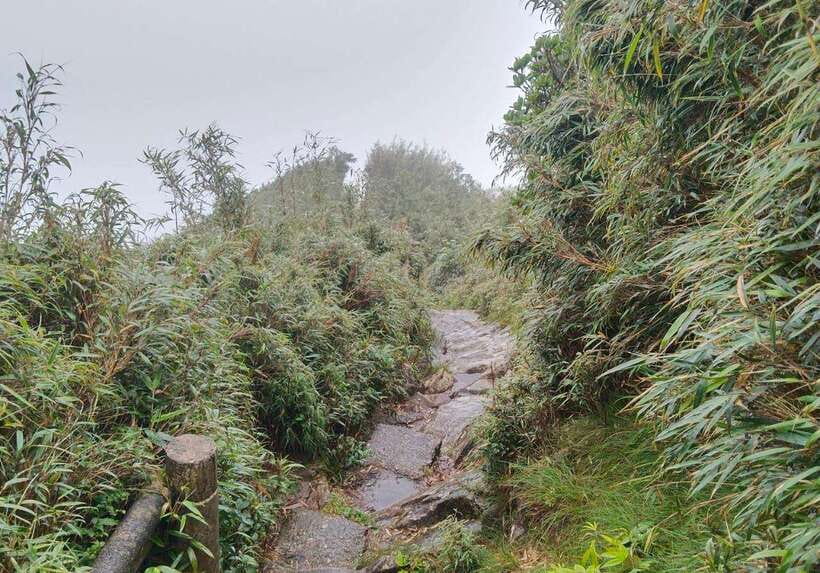
This hike includes stairs and rocky sections, and some light scrambling shows up depending on conditions. It’s not described as extreme technical climbing, but it is tough physically—especially in the last couple hours of the climb and on the descent.
What I’d recommend: treat it like a controlled endurance hike. Don’t sprint early. Guides in this program are described as adjusting tempo to the group, and that’s a huge deal for anyone who’s fit but not a mountaineer.
The Summit Moment at 3,143m: Roof of Indochina, Fog Included
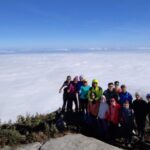
You’ll reach Fansipan Peak at 3,143m around midday—about 12:00 PM to 1:00 PM in the flow described. At the top, the highlight is the view and the symbolism: this is the highest mountain of Indochina.
In real life, though, you have to plan for a common twist—cloud and fog. Some groups describe being in cloud at the summit, which limits photos. You can’t control the weather, but you can control your attitude and your preparation. Even in fog, being at the top is still the payoff for hours of climbing, and you’ll still get the summit experience your body earned.
Also, the tour builds a clear “reach and reset” rhythm:
- You arrive.
- You take in what you can see.
- You enjoy unique summit photos (when visibility allows) and mark the achievement.
- Then you start the descent.
This matters because summit time can turn into a trap. If you linger too long in cold, wet conditions, you’ll pay for it on the way down. A good guide keeps it moving with short stops, and named guides like Za and Zo are repeatedly described as attentive and encouraging when people start to fade.

The Descent Plan: 2,900m Check, Return to Tram Ton, and Late-Day Energy
After the summit, you’ll descend to around 2,900m by about 1:30 PM, then continue back to Tram Ton Pass. The schedule in the tour flow says you’ll return to the pass where the driver is waiting, then transfer back to Sapa Town.
From 4:00 PM to 6:00 PM, you’ll be back in town and the day ends.
The descent can feel harder than the climb
This is the part many first-timers underestimate. Your legs are tired, your balance is tested on uneven rock, and rain can turn steps into slick slopes. Some guides in this program are described as checking in continuously—helping people find footing, encouraging them through rough sections, and adapting breaks.
Cable car option (ticket not included)
There’s a safety valve built into the plan: when you reach the top, if you’re too tired, you can take the cable car down. The tour’s included portion does not cover the cable car ticket, and it also does not include any shuttle from the cable car station to your accommodation.
If you’re considering it, plan this in advance mentally. Several people noted the cable car as a wise call when the climb feels harder than expected. One detail that comes up: the cable car ticket can cost around 800,000 VND per person, and you may need cash.
A practical note about timing
In one described case, the guide stayed prepared for a later return, including a headlamp for a dark stretch during descent. You don’t need to panic about that, but it’s a good reminder: if you move slowly, you may extend the timeline. Go steady, keep breaks short, and let your guide know early if you’re struggling.
What’s Included for $72: Where the Value Actually Shows
At about $72 per person, this tour is priced as a guided, all-day effort with transport and food, not a budget “just hire me” hike. And for that money, you get real value points:
- Tour guide (English): not just direction—also cultural context and on-trail pacing.
- Entrance fee: handled for you.
- Transportation: pickup and return from Sapa.
- Picnic lunch: described as banh mi or soup, and one guide even prepared coffee/tea moments.
- 1.5 liters of water + gloves: small items that prevent big problems.
- Porter (for 4 people or more): useful when a group wants help carrying.
- Fansipan climbing certificate: a nice record of completion.
If you were to piece it together yourself, you’d likely spend time (and stress) coordinating permits, a guide, transport up to Tram Ton, and a meal plan for a long day. This tour packages the work so your time goes to the mountain, not logistics.
Who This Trek Fits Best (And Who Should Think Twice)
This is listed as not suitable for children under 15 and not suitable for people over 70. That’s not just policy; it matches what the day demands: long hours, altitude, stairs, and weather risk.
You’ll likely love it if:
- You’re comfortable doing 7–9 hours of hiking with a challenging descent.
- You have good shoes and don’t mind muddy trail after rain.
- You want a guide who can explain mountain culture, not just point at the path.
You might want a different plan if:
- You’re traveling with mobility limitations or you know you struggle with steep stairs.
- You get altitude headaches easily (a headache risk is mentioned in the tour notes, with altitude sickness tablets suggested by one experience).
- You’re expecting a casual hike with easy photo stops. This one is physical first, scenic second.
Packing Tips That Matter at 1,800m and Above
For this climb, your best gear decisions are the boring ones. They protect you when the mountain turns wet or cold.
Bring:
- Comfortable hiking shoes or sturdy closed-toe shoes
- Rain gear (you’ll be happier with a real shell than a light poncho)
- Long-sleeved layers and a spare T-shirt
- Gloves (you get them in the included list, but you’ll still want warmth if weather is nasty)
And don’t forget the mental packing: plan for reduced visibility on top. Fog happens. Cloud happens. When it does, trust the process and enjoy the climb even if the summit “wow” is more about achievement than scenery.
Should You Book This Fansipan Summit Trek With a Local Guide?
Yes, if you want a real mountain day with a guide who keeps you safe, fed, and moving—and you’re okay with weather randomness.
Book it when:
- You like guided hikes that include culture, not just GPS direction.
- You want an all-in plan from Sapa with transport, lunch, water, and a completion certificate.
- You can handle a challenging day and you’ll respect the downhill.
Pass or adjust expectations if:
- Your priority is guaranteed summit views. Fog can steal that.
- You’re not ready for unpredictability like muddy trails after rain.
- You need cable car convenience as a default. The cable car isn’t included, and any shuttle connection back isn’t part of this tour.
If you’re even a little unsure about your pace, choose this tour anyway—but go conservative early. Most guides here are described as patient and supportive, adjusting to you. That’s the difference between a grind and a story you’ll talk about for years.
FAQ
Where do we get picked up for the Fansipan hike?
Pickup is at Stone Church Sa Pa or at hotels located along the route from Sa Pa to Tram Ton Pass.
What time does the trek start?
You meet at 5:30 AM, and the trek begins when you arrive at Tram Ton Pass around 6:00 AM.
How long does the tour take?
The tour runs about 8 hours total, with the challenging ascent and descent taking around 7–9 hours.
Is the cable car included if I’m tired?
No. The cable car is optional and not included in the tour price. If needed, you can take it down, but the ticket and any shuttle to your accommodation are not provided.
What’s included in the $72 per person price?
Included items are the tour guide (English), entrance fee, picnic lunch, transportation, a porter for groups of 4 or more, Fansipan climbing certificate, 1.5 liters of water, and gloves.
What should I bring?
Wear comfortable hiking shoes, bring rain gear, and pack long-sleeved clothing plus a T-shirt. Closed-toe shoes are important for uneven and slippery sections.
Is the tour suitable for kids or older adults?
The tour is not suitable for children under 15 and not suitable for people over 70.
Can I cancel for a refund?
Yes. Free cancellation is available up to 24 hours in advance for a full refund.