REVIEW · HIKING & TREKKING
1-Day Sapa Long Trek – Rice Field Terrace, Ethnic Culture
Book on GetYourGuide →Operated by Cat ba memories · Bookable on GetYourGuide
Mountain mornings in Sapa can feel unreal. This long day trek threads terraced rice fields and ethnic village life into one steady walk, with views toward Fansipan and real conversations with Hmong and Giay people. The big drawback: the trail can get muddy and slippery after rain, and it’s not built for people who need flat, easy ground.
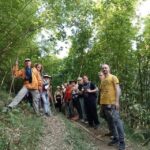
I like that this trip keeps its focus on what matters—people, paths, and the daily rhythm of the valley. I also love the small-group vibe (up to 10), which makes it easier to move at a comfortable pace with local guides who can steer you toward easier or steeper sections.
One more thing to consider: it’s a proper hike. You’ll be walking through uneven terrain, with uphill climbs in parts, so bring the right shoes and expect some leg work.
In This Review
- Key Highlights You’ll Feel Fast
- Sapa’s Long Trek: What the Day Really Offers
- Starting at 9:00 AM in Sapa, Then Climbing Toward Fansipan Views
- Muong Hoa Valley: Rice Terraces, Streams, and the Real Walking Pace
- Y Linh Ho at 11:00 AM: A Calm Hmong Village by the River
- Lao Chai Sang Lunch at 12:30 PM: Home-Cooked Food That Feels Like an Actual Meal
- Learning Craft in the Afternoon: Clothing, Natural Dyes, and Incense Making
- If you’re wondering what to say or ask
- Ta Van to Sapa by Mid-Afternoon: Rest, Photos, and a Smooth Return
- Trek Reality Check: Terrain, Weather, and What to Pack
- Guides Make This Tour: What the Best Day Feels Like
- Price and Value: Why This Costs $24 and What You Actually Get
- Who This Trek Is Best For (And Who Should Rethink It)
- Should You Book This Sapa Long Trek?
- FAQ
- How long is the trek?
- What time does the tour start?
- Is hotel pickup included in Sapa town?
- What language is the guide?
- What meals are included?
- Does the price include entrance fees to villages?
- Is the trek offered in rain?
Key Highlights You’ll Feel Fast
- Small group (max 10) so the guide can actually manage the pace
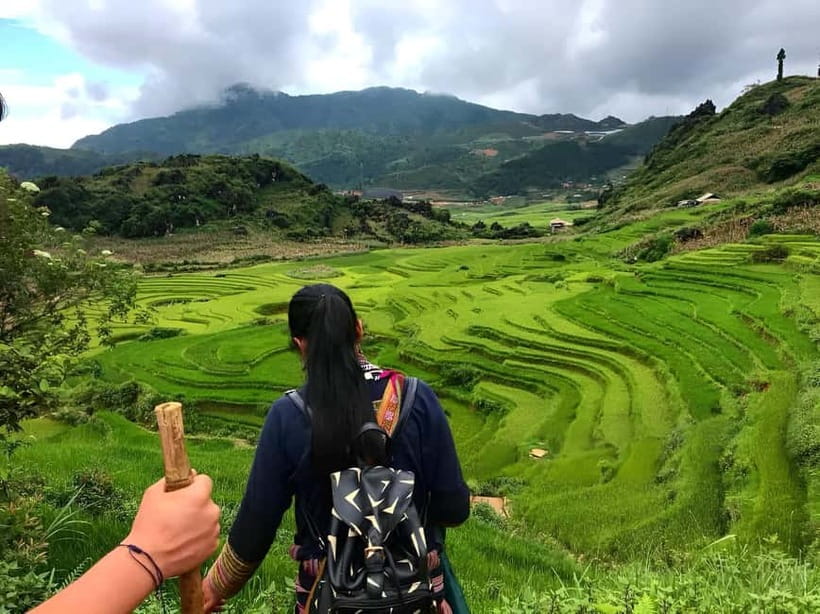
- Muong Hoa Valley rice terraces with river views and quiet rural stretches
- Lunch with a Hmong family that’s hearty, family-style, and truly local
- Ta Van village culture stop, including traditional crafts like incense making
- Local clothing and dye craft learning using handwoven fabrics and natural dyes
- Guide flexibility with route choices (lower vs higher trails when weather changes)
Sapa’s Long Trek: What the Day Really Offers
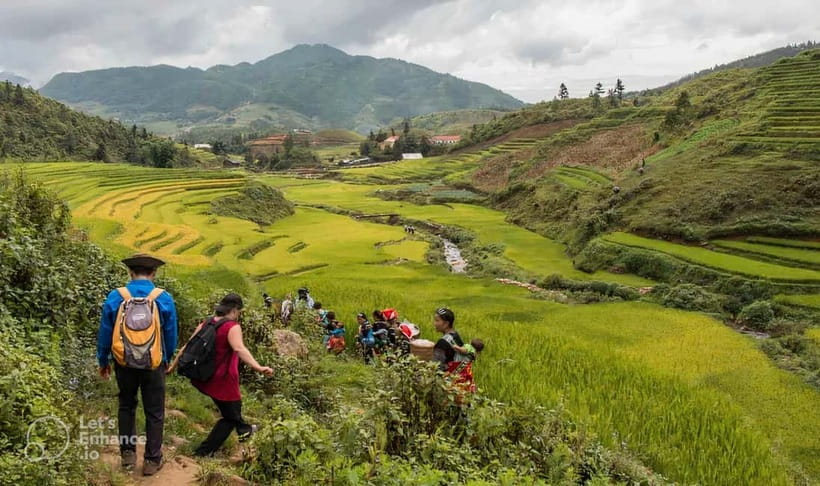
This isn’t a quick “snap a photo and leave” walk. It’s a guided day in northern Vietnam where the scenery keeps shifting, and the culture is the main course. The best part for me is the way the route flows from town air into valley life: ridge views first, then rice terraces, then villages, then the slower pace of craft-making in Ta Van.
At $24 per person for a 7-hour experience, the value comes from what’s included. You’re not just buying a “walk”—you’re paying for a local guide, village entrance access, and a home-cooked lunch. On top of that, you get rain gear and a small bottle of water. In Sapa, that mix usually costs more if you piece it together on your own.
The other value is the human scale. Multiple guides on this style of trek are praised for caring, good English, and staying flexible—so you’re not stuck suffering through a route that doesn’t match your comfort level. You’ll still work your legs, but you should feel guided rather than dragged.
You can also read our reviews of more hiking tours in Sa Pa
Starting at 9:00 AM in Sapa, Then Climbing Toward Fansipan Views
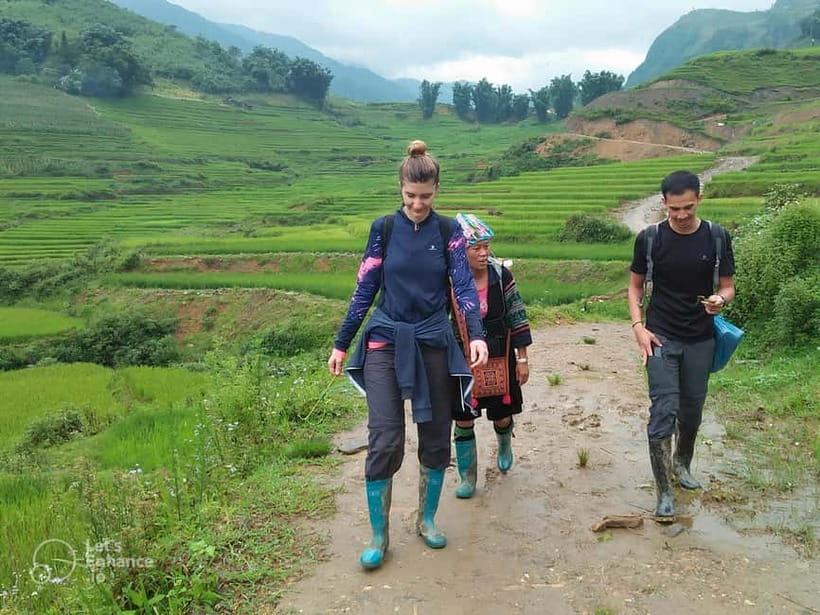
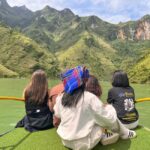
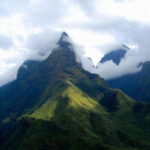
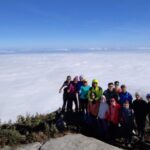
The day begins in Sapa town around 9:00 AM, with pickup at a hotel within town. After a morning start, you’ll head up toward a ridge for a panoramic look at Fansipan, often called the Roof of Indochina.
This early climb matters because it gives you a “map in your head” for the rest of the trek. From up high you can see how Muong Hoa Valley opens below you, and you get a sense of direction before the trail starts descending.
Practical tip: the morning can be cooler than you expect. Bring a hat and wear layers you can adjust. If it’s misty, the ridge view may be softer, but that can still make the valley feel like a quiet foggy dream rather than a harsh glare.
Muong Hoa Valley: Rice Terraces, Streams, and the Real Walking Pace
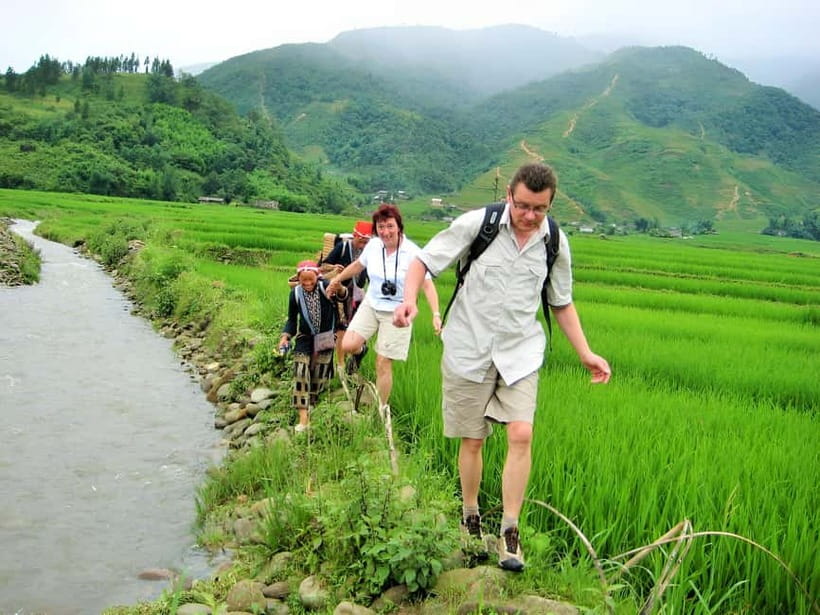
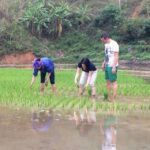
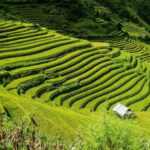
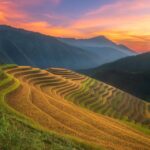
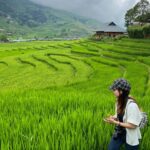
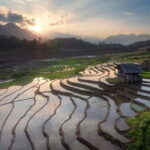
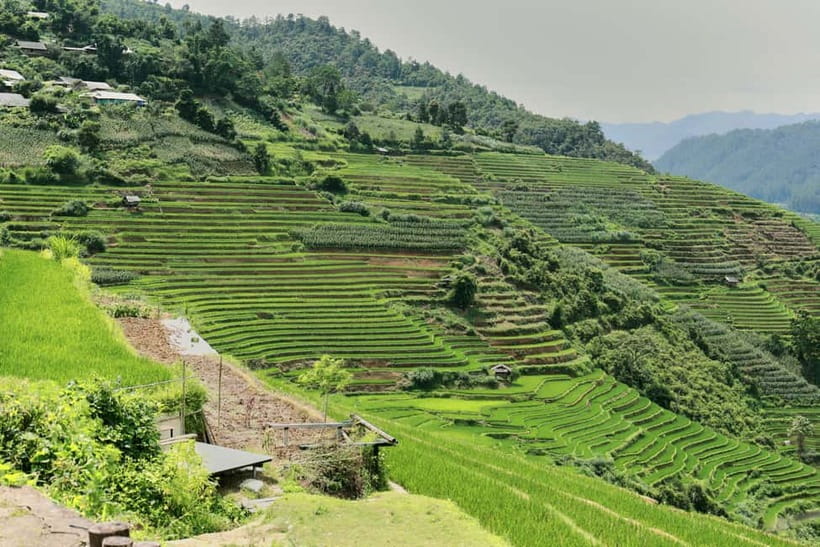
Once you leave the ridge area, the trail turns gentle-to-steady as you descend into Muong Hoa Valley. This is where the day becomes visually addictive. You’ll walk past and through rice terraces that cascade down slopes, with small streams and village field rhythms nearby.
What I like here is that the walk isn’t only about big views. You start to notice the details: water channels, footpaths worn into the ground, and farmers working at a human pace. If the weather turns damp, the terrain can get slick—some guides handle this well by choosing paths that are safer and less crowded.
From multiple guide experiences, the common thread is that guides adjust. In misty or cloudy conditions, I’d expect a choice between pushing higher for visibility or staying lower for comfort and views anyway. That kind of flexibility is a big deal when you want the day to feel enjoyable instead of stressful.
Y Linh Ho at 11:00 AM: A Calm Hmong Village by the River
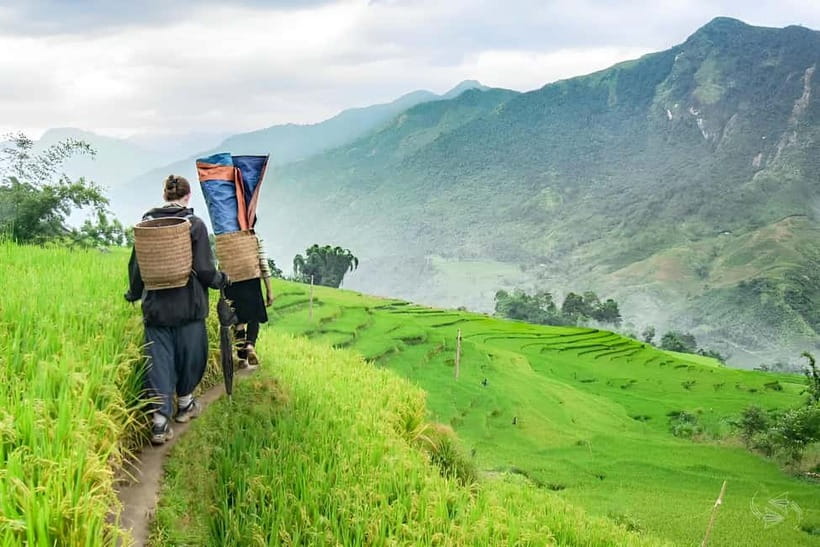
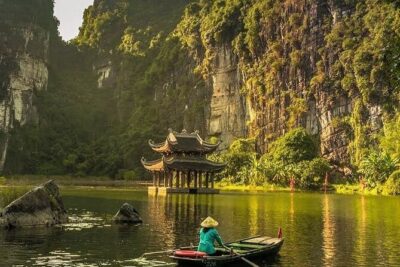
Around 11:00 AM, you reach Y Linh Ho, described as a peaceful Hmong village beside a clear river. You’ll cross a charming wooden bridge, then continue along paths that run deeper into the valley.
This stop is more than a checkbox. The village setting by the river gives you a break from constant uphill work, and it’s a good moment to slow down, take photos, and watch daily movement. It also helps you understand how the valley communities are connected to water and farming.
A drawback to know: even on respectful cultural treks, you might see some local sellers trying to show products. It’s normal enough in areas with tourist traffic, but if you’re sensitive to sales pressure, keep your budget simple and politely set boundaries early.
Lao Chai Sang Lunch at 12:30 PM: Home-Cooked Food That Feels Like an Actual Meal
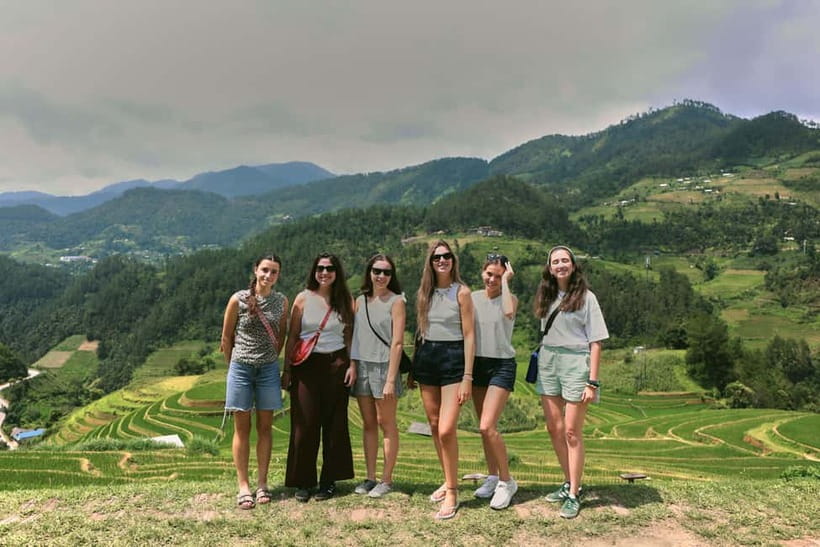
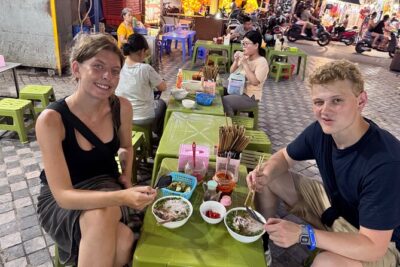
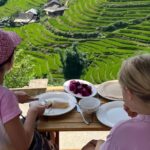
At 12:30 PM, you arrive at Lao Chai Sang for lunch with a welcoming Hmong family. This is one of the most loved parts of the day: family-style dishes, home-cooked flavors, and the warm feeling that you’re eating with people—not at a production-line restaurant.
Based on guide-led experiences I’ve seen described, portions are generally generous, and you can ask for more if needed. If you have dietary restrictions, the tour notes that you can cater them—so tell the operator in advance rather than hoping at the table.
What to expect about the lunch itself: it’s not “fine dining.” It’s food meant for strength. After hours of walking, it tastes better because you’re actually hungry, and you can tell the meal is part of village life, not staged for strangers.
You can also read our reviews of more tours and experiences in Sa Pa
Learning Craft in the Afternoon: Clothing, Natural Dyes, and Incense Making
Around 2:00 PM, there’s a cultural stop to learn how Hmong people create traditional clothing using handwoven fabrics and natural dyes. This is a rare part of a Sapa trek: instead of only viewing culture from a distance, you learn how the designs and colors are made.
Then, as you reach Ta Van around 3:00 PM, you’ll have time in the village area for walking and photo stops, plus culture experiences like traditional incense making (highlighted for this trek). Ta Van is where the day slows down into hands-on learning and storytelling.
I like this portion because it connects the visual side of Sapa (what people wear, how they decorate, what they burn or use) to the practical skills behind it. It turns your photos into something more meaningful than scenery.
If you’re wondering what to say or ask
You don’t need rehearsed questions. A simple approach works: ask what materials are used, how colors are made, and how long certain steps take. Most guides on these village routes do a good job translating and helping the conversation move beyond surface-level comments.
Ta Van to Sapa by Mid-Afternoon: Rest, Photos, and a Smooth Return
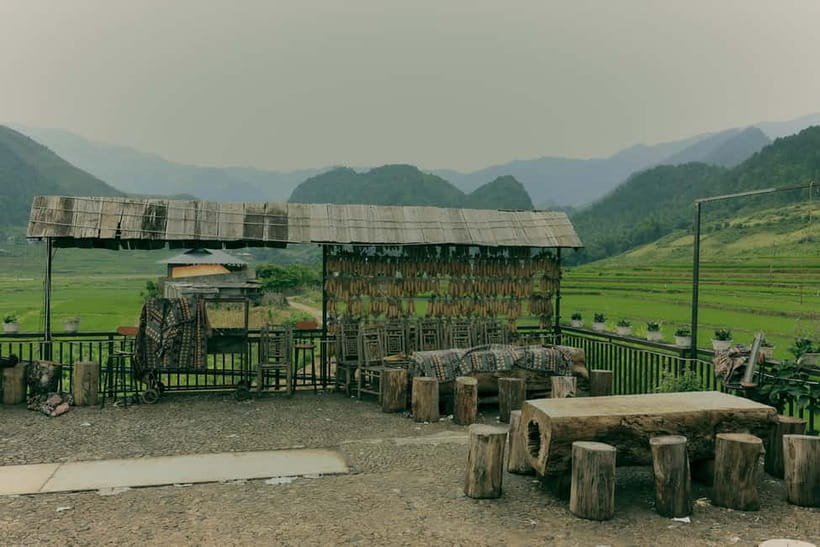
By about 3:00 PM, your driver waits to bring you back to Sapa town. This timing matters because you still feel like you’re finishing strong, not limping home at dusk.
You’ll likely end up with a mix of:
- rice terrace photos
- village home photos
- portraits (only if people are comfortable)
- and the “I can’t believe we walked that far” feeling
That last one is normal. Several guide experiences describe total walking around 12–15 km, with steep or uneven segments. The tour is doable, but it rewards people who prepared.
Trek Reality Check: Terrain, Weather, and What to Pack
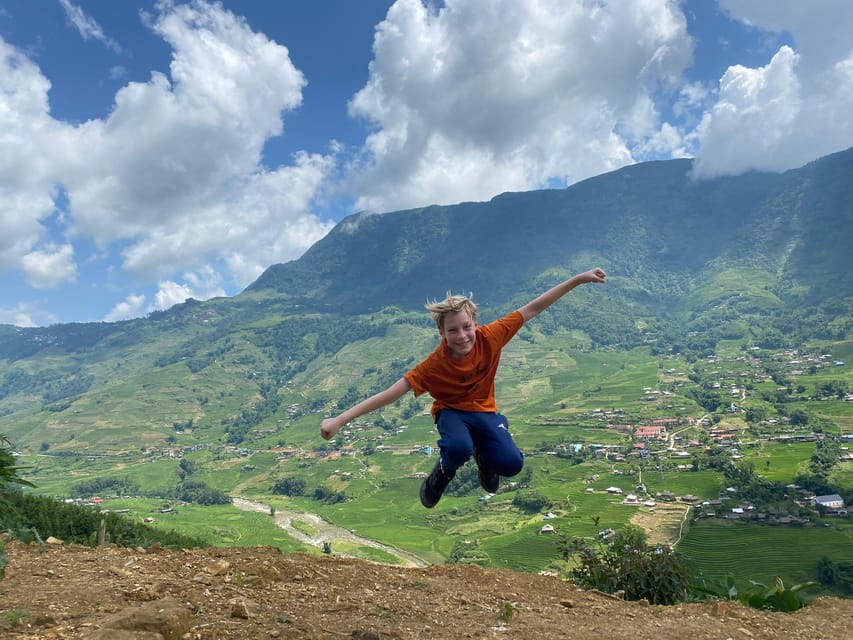
This trek runs rain or shine. In wet conditions, paths in and around forested sections can get slippery, and the day becomes more physical. You’ll be given rain ponchos/rain coats, but that doesn’t mean the ground magically stops being muddy.
Here’s what I’d pack based on the tour guidance:
- Hiking shoes with grip (not smooth soles)
- Insect repellent
- Sun hat and sunglasses
- Sunscreen
- Toiletries basics
- Water plus a small snack if you’re prone to hunger
Also, some hikers have found that rented rubber boots (wellies) can be a game-changer on very muddy days. It’s not guaranteed, but it’s worth asking on arrival if conditions look rough.
Not allowed items: no weapons or sharp objects, and no nudity (standard tour rules, but still stated clearly).
Guides Make This Tour: What the Best Day Feels Like
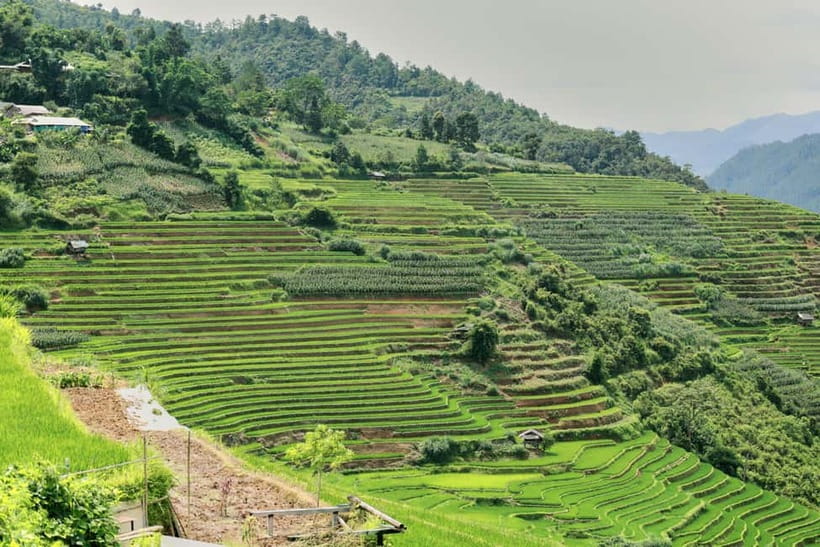
This trek is powered by the guide. And the good news is the experience consistently praises guides who:
- show up on time
- speak English or Vietnamese
- go at a comfortable pace
- explain the geography and culture clearly
- stop often for photos
You’ll see guide names across recent experiences like Pao, Sue, Mao, Giang, Sung, Thao, Vu, Soso, Chai, Ly, and Dinh. While you can’t pick your exact guide from this info, the pattern is consistent: people love the personality and care.
One specific theme I’d call out: flexibility. Some guides adjust the steepness on the fly, depending on weather and comfort. If you tell your guide you want easier walking, you should get options rather than a one-size-fits-all route.
Price and Value: Why This Costs $24 and What You Actually Get
At $24 per person for roughly 7 hours, you’re paying for several things that quickly add up if you self-plan:
- Pickup and drop-off in Sapa town
- A friendly local Hmong guide
- Access/entrance fees to villages (included)
- A home-cooked lunch
- Rain gear and a small bottle of water
This is where the value shows. Even if you’re a confident hiker, paying for local guiding helps you connect with the villages and get the cultural context without guessing.
One more value factor: the group limit. With up to 10 participants, you’re less likely to get stuck in a giant line. Smaller groups make it easier to stop, ask questions, and keep the day from feeling rushed.
Who This Trek Is Best For (And Who Should Rethink It)
This day trek is best for people who enjoy walking through villages and rice terraces, and who care about culture rather than just views. It’s also a strong “first Sapa trek” if you’re short on time, because it packs multiple villages into one day.
It’s not a fit if you:
- have back problems
- have mobility impairments or use a wheelchair
- have heart problems
- are afraid of heights
- are visually impaired
- have pre-existing medical conditions
Even if you’re healthy, take the “terrain uneven and steep in places” seriously. You don’t need to be a mountain athlete, but you do need shoes and stamina.
Should You Book This Sapa Long Trek?
If your goal is a long, guided walk that connects rice terraces, Hmong and Giay culture, and hands-on village learning in one day, I’d book it. The combination of a small-group pace, home-cooked lunch, and afternoon craft learning is the kind of Sapa experience that feels more human than sightseeing.
I’d hesitate only if you’re worried about mud, steep steps, or uneven ground. Because this trek runs in rain too, you should plan for damp conditions and wear proper footwear.
FAQ
How long is the trek?
The duration is listed as 7 hours.
What time does the tour start?
Pickup and the start in Sapa town begin at 9:00 AM.
Is hotel pickup included in Sapa town?
Yes, pickup and drop-off are included for locations in Sapa town (or you can meet at the pickup point). If you’re outside Sapa town, pickup may be possible with a fee, by request.
What language is the guide?
The live tour guide offers English and Vietnamese.
What meals are included?
Lunch is included, prepared by local families. The tour notes home-cooked lunch is part of the experience, and a picnic lunch is listed for the Fansipan trekking option.
Does the price include entrance fees to villages?
Yes, entrance fees to villages are included. Entrance fees for Fansipan national park apply only for Fansipan trekking.
Is the trek offered in rain?
Yes, the trek runs rain or shine. You should bring a raincoat during the wet season, and rain ponchos/rain coats are provided.