REVIEW · HIKING & TREKKING
2 days authentic trekking tour in Sapa ( Homestay – Less touristy )
Book on Viator →Operated by Sapa Original Trek · Bookable on Viator
Two days in Sapa can feel like a whole week. This trek mixes terraced rice walking with real village stops, plus an overnight in a traditional wooden homestay.
What I like most is the way the tour keeps you on paths a lot of visitors never find, guided by people who know the area and culture. I also like that the food and village timing are built into the plan, so you’re not constantly hunting for meals after walking all day.
One thing to weigh: this is not a gentle stroll. Expect steep sections and a solid walking day, especially in hot weather, even though you may be able to choose a lighter or heavier pace.
In This Review
- Key things that make this Sapa homestay trek worth it
- Two-day Sapa trekking with Hmong and Dzao village life
- Price and value: what $89 covers (and what it doesn’t)
- Your day-by-day walk: Ta Phin to Ngũ Chỉ Sơn and onward
- Day 1: Ta Phin Village, pine forest trails, and terrace views
- Day 2: Breakfast at the homestay, Ngũ Chỉ Sơn, and Suối Thầu
- The homestay night: rustic wooden house, real hosting
- Guides make (or break) this trek: Mai’s role on the route
- How hard is it, really? Steep sections and smart pacing
- Weather, fog, and timing: when Sapa is misty and when it’s clearer
- What to pack for a two-day homestay trek
- Is this truly less touristy?
- Who this Sapa trek is best for
- A few balanced expectations before you book
- Should you book this Sapa Original Trek?
- FAQ
- How long is the Sapa trekking tour?
- What time does the tour start?
- What’s included in the price?
- What isn’t included?
- Is pickup offered, and is the tour private?
- Can I get a full refund if my plans change?
Key things that make this Sapa homestay trek worth it
- Village-route focus (not just viewpoints): you visit Hmong and Dzao communities and see daily life up close
- Guide quality with local path knowledge: guides like Mai help you find trails you’d struggle to locate on your own
- Homestay in a wooden house: rustic, but coordinated and generally comfortable
- Food is part of the experience: meals are included, not an afterthought
- Real effort, real payoff: plan for steep walking and bring what you need for comfort
- Flexible route when weather hits: fog can change the day’s details, and the tour adjusts
Two-day Sapa trekking with Hmong and Dzao village life
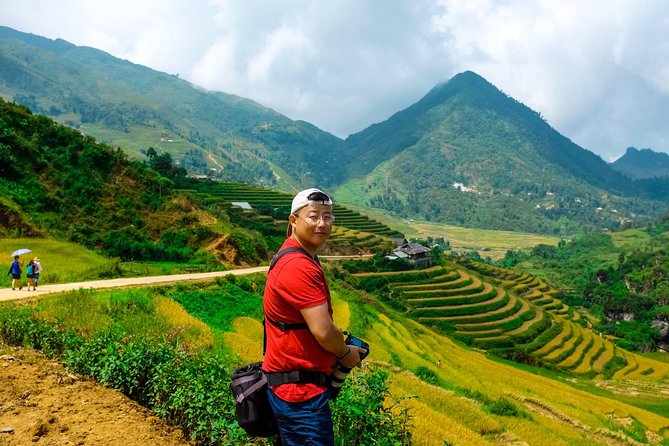
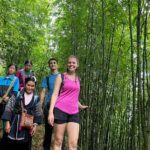
Sapa sits in Vietnam’s northern highlands, where terraced rice is only part of the story. The real draw is the people and how the villages fit into the hillsides. This tour leans hard into that: you walk through rice paddies and forests, then spend time with ethnic communities instead of only stopping for quick photos.
This is also a good length for first-timers. Two days gives you a full walking arc and one true night in a community, without turning the trip into a week-long grind. It’s built as a private experience, so you’re not stuck waiting behind large tour groups.
If you want something “less touristy,” the biggest tell is the rhythm: village meals, village interactions, and village routes that are easier to miss when you travel on your own.
You can also read our reviews of more hiking tours in Sapa

Price and value: what $89 covers (and what it doesn’t)
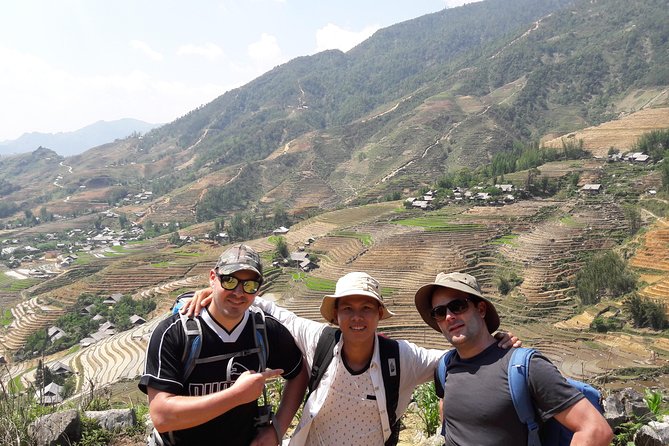
At $89 per person, this trek is priced like an actual guided outdoor experience—not like a cheap day hike. You’re paying for an English-speaking guide, transport, entrance fees, and the homestay infrastructure, plus the big practical stuff like meals and water.
Here’s what’s included:
- Homestay for your night
- Meals: dinner, breakfast, and 2 lunches (so you’re fed through both days)
- Water: 1.5 liters per day
- Transport and entrance fees
- English guide
- Pickup offered (when available for the area)
What’s not included is also clear, which helps you budget:
- tip
- insurance
- personal expenses
- herbal bath
- soft drinks
My take on value: the cost makes sense if you’d otherwise pay separately for guiding, transport, and at least one full meal plan. If you prefer ultra-flexible independent travel where you choose everything on the fly, you might find cheaper options—but you’ll also lose the guided village route element that’s the whole point here.
Your day-by-day walk: Ta Phin to Ngũ Chỉ Sơn and onward
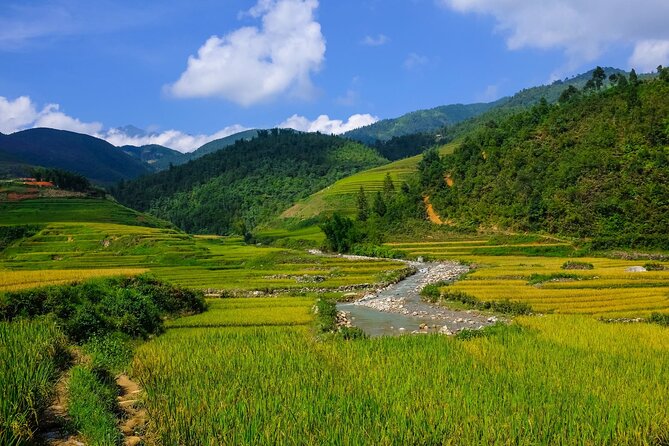
This tour is structured around two main walking days with village stops, plus an overnight homestay. The pacing is realistic for highland terrain: you’ll spend hours walking, with steep bits that can catch you off guard if you only plan for flat paths.
Even if you’re fit, treat this as a “workout with views” rather than a casual stroll. Several guides and hosts on this route are known for choosing paths that feel both scenic and practical for village travel, which can mean uneven footing and uphill climbs.
Day 1: Ta Phin Village, pine forest trails, and terrace views
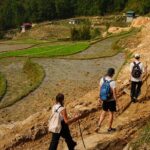
Day 1 starts at 9:00 am. You begin trekking downhill along a dirt trail through mountainous terrain and pine forest. That mix matters: pine shade can make the first hours easier, and it also gives you a different feel than just walking beside rice paddies all day.
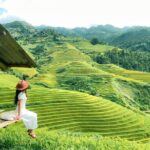
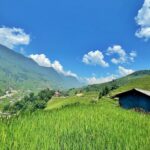
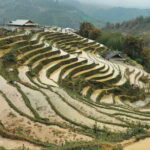
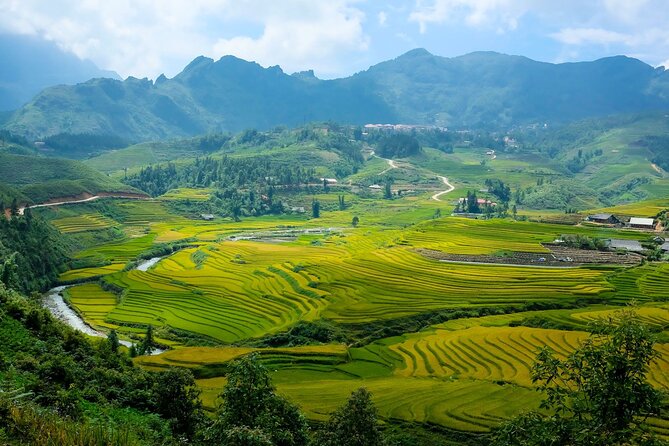
As you go, you get repeated chances to look out over terraced rice fields and cornfields. Those views aren’t just one big photo stop; they come in pieces as you move, which usually feels better when you’re actually walking the area instead of standing still.
What to watch for: downhill doesn’t always feel easier. Your knees can still take a hit, and the footing may be slippery when mist rolls in. Wear shoes with grip and plan to take your time on rocky sections.
Day 2: Breakfast at the homestay, Ngũ Chỉ Sơn, and Suối Thầu
Day 2 begins with breakfast at the homestay. Then you head toward Suối Thầu village, with stops along the way in minority villages. This part of the day is often what makes the trek feel more like a cultural walk than a nature hike.
You move through rice paddy terrain and toward higher ground, finishing with time on top of the mountain to enjoy the views. Even when rice is already harvested (timing varies by month), you still get the structure of the terraces and the feel of the valley.
A practical tip: if fog is thick, expect the day to adjust. Guides on this route are used to changing plans so you still get walking time and the most workable sights.
You can also read our reviews of more tours and experiences in Sapa

The homestay night: rustic wooden house, real hosting
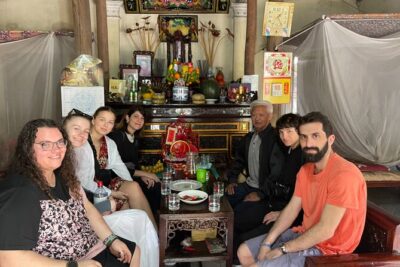
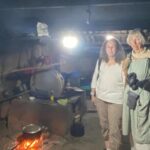
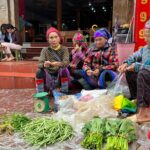
The homestay is not a hotel. You’re sleeping in a traditional wooden house in a local community, which is part of the authenticity. The trade-off is comfort: it’s “rustic,” but it’s also coordinated, so you’re not left guessing what happens next.
What makes the homestay experience work is the hosting style. Names like Mr. Tinh come up as an example of how warmly the stay is handled—making arrival smoother and ensuring you have what you need to settle in. Another name you may hear from the team is Maykeiun, described as taking care of people well through the trek.
Even the best homestay is still a rural overnight. Bring an open mind about basic conditions, pack light, and keep your expectations realistic. If you’re okay with that, you’ll likely appreciate what you’re paying for: one full night tied to the walking route and village rhythm.
Guides make (or break) this trek: Mai’s role on the route
On this tour, the guide isn’t just a translator and timekeeper. A strong guide changes what the trip feels like because they choose the path and explain what you’re seeing.
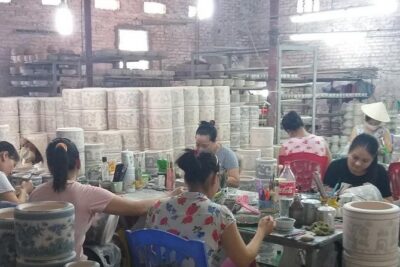
The name Mai stands out for guiding people along routes they’d struggle to find alone. That matters in Sapa because so many paths blend into the terrain. A good guide can also keep you oriented when weather rolls in, and help you understand what you’re looking at—like terrace farming patterns, village life routines, and local crafts.
Another small but important detail: you may be able to choose a level, like medium or heavy, depending on how you feel that day. That lets you match the walking intensity to your body, instead of forcing everyone into the same pace.
How hard is it, really? Steep sections and smart pacing
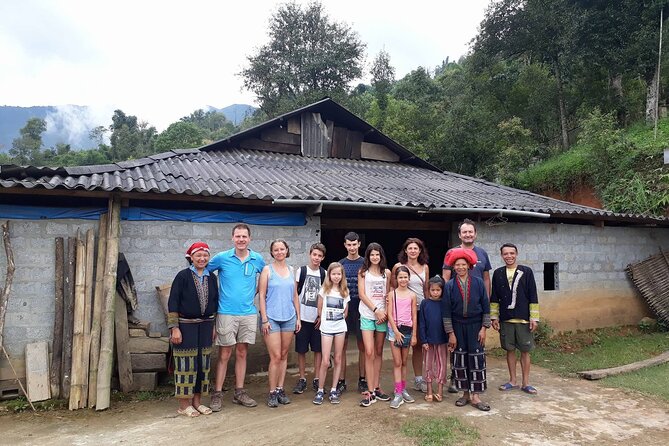
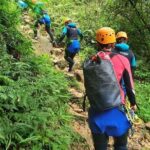
Let’s be honest: this is a trekking tour with real hills. One strong theme in the feedback is that it’s challenging, especially in heat, and it includes steep climbs and descents.
Across the two days, the walking adds up to around 9 hours for many people, depending on pace and conditions. In other words, you’ll be tired, and that’s normal.
Here’s how I’d plan it:
- Start early with water in hand and a calm pace
- Expect uneven terrain and take breaks when needed
- Don’t save all your energy for the final viewpoint; the best experience comes from steady effort
The good news is that the guide system is built for people with different comfort levels. If you’re feeling rough on day 1, you’re not powerless—you have options for pacing and route choices.
Weather, fog, and timing: when Sapa is misty and when it’s clearer
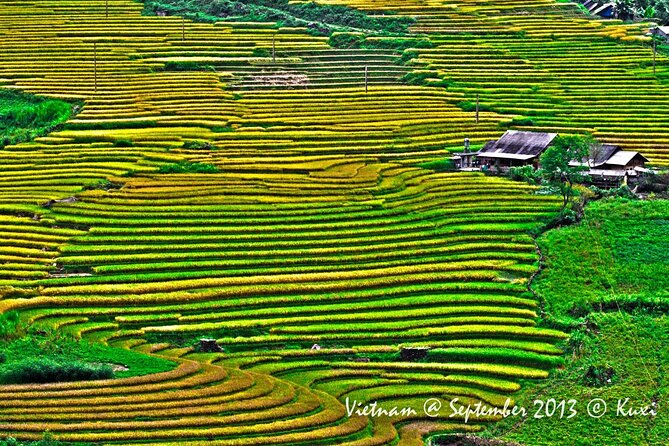
Sapa is famous for mist, and this tour seems designed with that in mind. One reason people feel the trip goes smoothly is that the plan can pivot when fog makes certain routes less workable.
You also get seasonal differences. For example, in October the rice may already be harvested, but you can still enjoy strong terrace views because the hills and field lines remain dramatic even without green crops.
My practical advice: dress in layers even if the forecast looks mild. Highland weather can shift fast, and being able to adjust helps you stay comfortable during climbing and cooling down.
What to pack for a two-day homestay trek
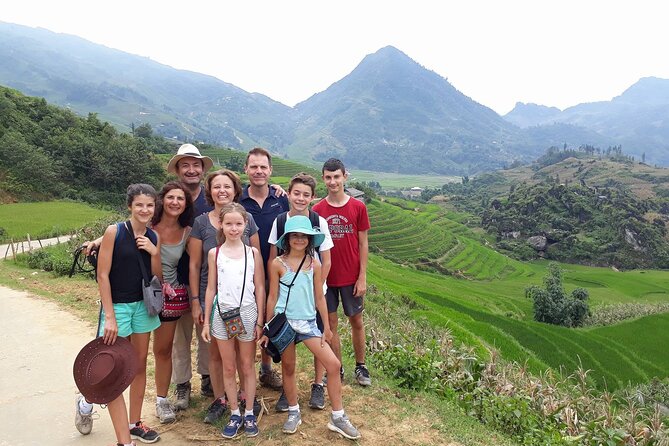
You don’t need a summit pack, but you do need basic outdoor comfort. Since the tour includes meals and water, your packing list is mostly about walking and sleeping basics.
At minimum, I’d bring:
- grippy walking shoes
- light rain layer or poncho (fog can mean wet ground)
- breathable layers and one warmer top
- a day small pack for water and personal items
- sun protection (yes, even in misty areas)
- a small towel or wipes for the homestay evening
Also, consider that the tour doesn’t include tips or soft drinks. If you like having a little extra comfort after a long day, plan for it on your own.
Is this truly less touristy?
“Less touristy” can mean a lot of things, but here’s what matters based on how the tour is set up.
First, it’s private, meaning you’re not weaving through big crowds. Second, the itinerary is built around village visits and homestay life, not only major check-the-box stops. Third, the guide’s ability to find trails and choose the route makes your experience feel grounded in how locals move through the hills.
The biggest authenticity gain often comes from the overnight. A homestay forces slower time. You’re not just passing through; you’re staying long enough to experience the end-of-day rhythm.
Who this Sapa trek is best for
This is a strong match if:
- you like walking and want a challenge that still feels rewarding
- you want Hmong and Dzao cultural time, not only scenery
- you’re comfortable with a rustic overnight setting
- you want the structure of a guided tour, including meals and transport
It’s less ideal if:
- you need fully flat, easy walking
- you dislike rural basic accommodations
- you don’t want to manage steep uphill/downhill terrain
If you’re a first-time visitor to Sapa and you want value without going full independent, this balances effort and access well.
A few balanced expectations before you book
This tour looks straightforward on paper, but terrain changes everything. Even if you’re experienced, treat the trek like a workout day. The payoff is the combination of rice terraces, forests, and community stops.
Food is part of the package. People tend to feel it’s delicious and properly planned into the schedule, which makes a difference after long walking hours. And because water is included at 1.5 liters per day, you won’t need to constantly track down snacks just to stay going.
The homestay is the authenticity anchor. If you’re open-minded and respectful, it’s often the most memorable part. If you need hotel-style comfort, you’ll likely feel disappointed.
Should you book this Sapa Original Trek?
I’d book it if you want a guided, culturally focused two-day trek that doesn’t feel like a rushed photo circuit. The mix of rice paddies, ethnic village stops, and a wooden-house homestay gives you variety in one trip, without forcing you to plan everything yourself.
I’d skip it if you’re looking for easy walking, or if rustic accommodations are a hard no for you. Also, if you’re extremely heat-sensitive or knee-sensitive, consider asking your guide about pacing options before you commit.
If you’re the kind of traveler who loves being on the move, learning from a real guide like Mai, and spending a night with local hosts, this is one of the more meaningful ways to see Sapa in a short time.
FAQ
How long is the Sapa trekking tour?
It’s a 2-day tour, listed as approximately 2 days.
What time does the tour start?
The start time is 9:00 am.
What’s included in the price?
The price includes an English guide, homestay, meals (dinner, breakfast, and two lunches), entrance fees, transport, and water (1.5 liters per day).
What isn’t included?
Not included are tip, insurance, personal expenses, herbal bath, and soft drinks.
Is pickup offered, and is the tour private?
Pickup is offered, and it’s private, meaning only your group participates.
Can I get a full refund if my plans change?
Yes. You can cancel up to 24 hours in advance for a full refund. If you cancel less than 24 hours before the experience starts, the amount paid isn’t refunded.