REVIEW · HIKING & TREKKING
Sapa Easy Trekking Tour 1 Day – Rice Paddies and Cultures
Book on Viator →Operated by Trekking Tour Sapa · Bookable on Viator
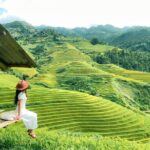
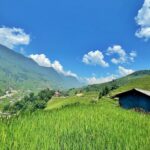
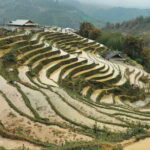
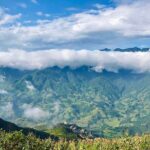
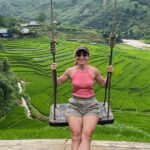
Rice terraces with real people beat photos. This Sapa day trek blends rice paddies, village culture with the Black Hmong and Red Dao, and a stop at Ta Phin’s cave, all while you hike up to around 1,900m. I love how you get out of town and into the working countryside fast, with cardamom trees and mountain views feeding your walk from the start.
My second favorite part is the human scale. When the guide is local Hmong (like Pang or Zhu, depending on your group), you learn what daily life looks like from the inside, not from a script. The one drawback to plan for: even if the name says easy, the path is still trekking. You’ll want solid shoes and a willingness to move over uneven, sometimes slippery ground.
In This Review
- Small Group Hiking in Sapa: what $40 gets you in real time
- Meeting at Sapa Church and starting smart at 9:00am
- Rice paddies, cardamom trees, and water buffalo near Ta Phin
- Ta Phin cave: a worthwhile stop, but plan for the walk
- Black Hmong and Red Dao villages: what you should look for
- Lunch, water, and why the included meal matters
- How the route feels: why it’s called easy, but not effortless
- Price and logistics: what’s included and what you need to plan
- Who should book this Sapa trek, and who should skip it
- Should you book Sapa Easy Trekking Tour 1 Day: Rice Paddies and Cultures?
Small Group Hiking in Sapa: what $40 gets you in real time
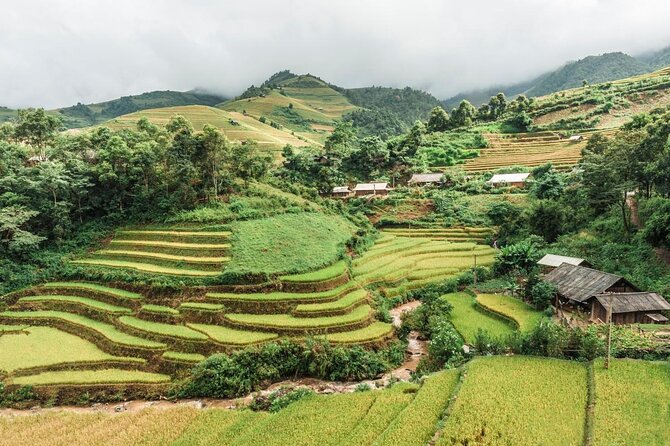
This tour is short enough to feel doable, but it’s not a stroll. Expect about 5 hours 30 minutes of walking time (give or take), with an up-to-around 1,900m high point depending on conditions. The tradeoff for that kind of altitude and terrain is that you’re not just sightseeing from a bus.
At $40 per person, the value is in how much is folded in. You get a local guide, village entry fees, transport back to Sapa, and lunch (vegetarian), plus a small bottle of water. That’s not nothing in Vietnam, especially when meals and entry fees can quietly add up.
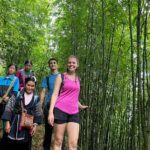
One more thing: the group is limited to 2 travelers max. So you’re more likely to get a slower, more personal rhythm—if you ask for it early when the trail gets technical.
Meeting at Sapa Church and starting smart at 9:00am
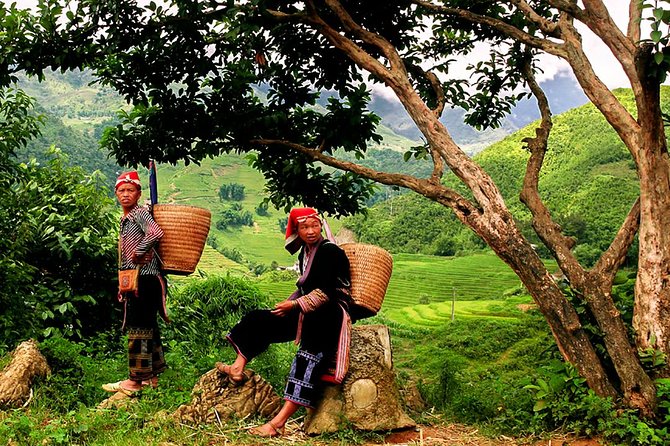
The day begins at 9:00am. Your meeting point is Sapa Church (P. Hàm Rồng, TT. Sa Pa, Sa Pa, Lào Cai 333100), and pickup is offered, so you may be met at your hotel in Sapa town instead.
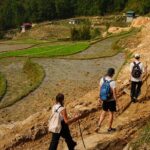
This matters because the first stretch sets the tone. You’ll start with a quick intro, then head to small trails where the scenery changes quickly—valleys, old-style village houses, and rice terraces appearing as the path drops and rises.
Also, you’ll be walking on trails that don’t care about your schedule. Go out the door knowing you’ll take a few short stops for photos, and that you’ll likely step onto muddy or wet ground at least once if weather has been active. Bring shoes you trust.
You can also read our reviews of more hiking tours in Sapa

Rice paddies, cardamom trees, and water buffalo near Ta Phin
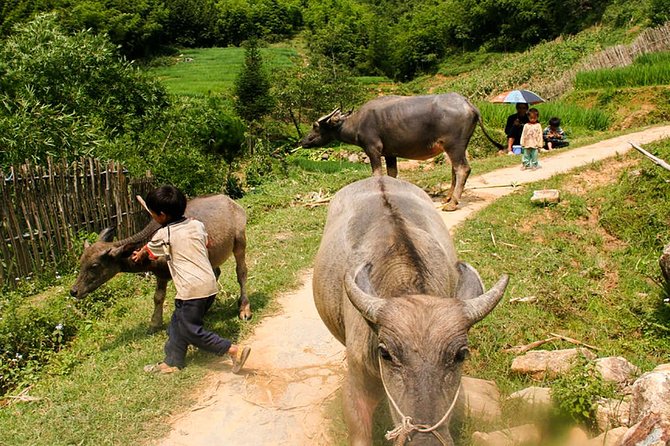
The trekking route brings you through the Ta Phin area and surrounding valleys. One of the first things you’ll notice is vegetation. You’ll see cardamom trees in a small valley early on, and it’s a great reminder that this region isn’t just scenic. It’s agricultural.
As you head toward the Suoi Ho area (connected with the Black Hmong community), the terrain gives you a mix of views and village detail. You’ll walk through or near fields and then into places where village life is right beside the trail—houses that are older and smaller, plus the everyday animals people keep.
Expect to see common farm animals used by locals, including water buffalo, chickens, dogs, and pigs. This isn’t a zoo moment. The value is that you’re seeing how the landscape supports work and routine, not just posing in front of it.
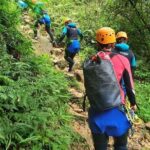
What can catch you off guard is that a “countryside trek” can still have narrow sections and uneven ground. If you’re prone to slipping, ask for a careful pace early. Don’t wait until the trail starts getting dicey.
Ta Phin cave: a worthwhile stop, but plan for the walk
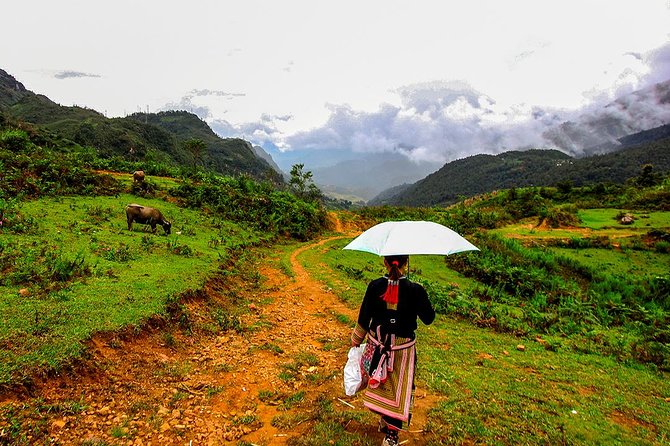
Ta Phin’s cave is a highlight mentioned for the tour, and it fits the day’s rhythm well. You’re moving through working village terrain, then you stop at a famous local landmark. It gives the day structure: hike, meet life on the ground, then visit a site that people in Sapa talk about.
Caves in this part of Vietnam usually mean cooler air and sometimes damp stone. The tour data doesn’t list exact cave rules or how long you’ll spend inside, so treat it as a “prepare for your comfort” stop: expect some uneven surfaces around the cave area and wear footwear with grip.
I like putting cave visits on trekking days because it prevents the trip from becoming photo-only. The cave gives you a different kind of Sapa contrast—mountain life outside, rock-and-shadow inside.
Black Hmong and Red Dao villages: what you should look for
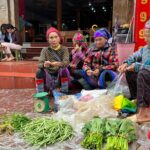
This tour is built around two community visits: Black Hmong and Red Dao. You’ll spend time in the village settings and learn what daily life looks like in these ethnic minority communities.
The guide-led angle is important. In a place like Sapa, how you ask questions matters. I’ve found it helps to focus on ordinary things: how they use land, what kinds of plants matter, and what work looks like across the day. The guide can translate the meaning behind what you’re seeing—like why certain crops are prized in the area.
Pacing also matters in villages. It’s easy to speed through “for the photos,” but village time is most respectful when you slow down a bit, listen, and don’t treat people’s homes like a backdrop.
And if you’re lucky enough to have a local Hmong guide such as Pang or Zhu, you’ll likely hear personal stories connected to traditions and daily life. That’s the part that makes the tour feel like you’re there, not just moving past points on a map.
Lunch, water, and why the included meal matters
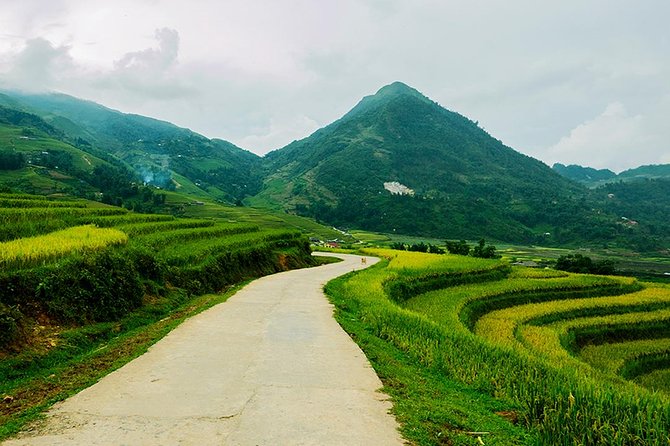
Lunch is included, and it’s vegetarian. The tour notes that drinks are not included at the restaurant or homestay, so bring cash or plan to buy water and other drinks separately.
Here’s why I think the included lunch is a real value: on a trekking day, you don’t want to hunt for food mid-walk. You also don’t want the decision fatigue of trying to find a place with the right timing. Getting lunch handled means you can focus on walking and the village visits instead of logistics.
You’re also given 1 small bottle of water. Since you’ll be at altitude and moving for hours, I’d treat that bottle as a minimum, not a full solution. If you tend to drink a lot, plan to carry a bit more water yourself.
You can also read our reviews of more tours and experiences in Sapa
How the route feels: why it’s called easy, but not effortless
The tour is described as easy trekking, and the fitness guidance is moderate physical fitness. That combination usually means: you’ll be able to do it, but you’re still hiking. The highest point is around 1,900m, and even “moderate” hikes can feel longer in cooler mountain air.
One review detail stood out indirectly: there can be slippery slopes. That’s not surprising for a mountain trek where rain, mist, or damp trails are possible. If you’re there in wetter weather, expect the ground to be slick at times.
My practical advice:
- Wear shoes with real tread, not smooth soles.
- Walk slower on downhill sections. It’s where slips happen.
- Tell your guide right away if you need a slower pace. Better to address it early than mid-slope.
Also, because the group is small (up to 2), your pace becomes more “you-shaped.” This is good news if you like control. It’s also a sign that communication matters.
Price and logistics: what’s included and what you need to plan
Let’s break down the money in a way that helps you decide.
Included:
- Vegetarian lunch
- Transport back to Sapa
- Village entry fees
- 1 small bottle of water
- Local guide
Not included:
- Personal travel insurance
- Extra drinks (bottled water or beer) at the restaurant/homestay
- Tips
When a tour includes entry fees and lunch, it’s usually aiming at fewer surprises. That makes it easier to budget on the day itself. At $40, you’re paying mainly for guide time, access, and the guided structure that takes you through Black Hmong and Red Dao villages plus the Ta Phin stop.
The main “you” part is footwear, water beyond the included bottle, and deciding what to tip. Tips are not huge here, but if the guide gives good pacing and explanations, it’s a way to say thanks.
One more practical note from the tour info: the experience runs with good weather in mind. If weather is poor, you’ll be offered a different date or a refund.
Who should book this Sapa trek, and who should skip it
This is a great fit if you want:
- A half-day-feeling day trip (about 5.5 hours walking time total) without committing to a multi-day trek
- Real village contact with Black Hmong and Red Dao communities
- A guide who can explain what you’re seeing, including agricultural details like cardamom
- A small group where you can ask questions and adjust pacing
It’s not the best choice if you:
- Are looking for a true flat, step-free stroll
- Hate uneven ground or slippery sections
- Want lots of free time with no structure
If you’re the type who likes to get moving early, enjoy short stops, and learn as you walk, you’ll probably have a strong day here.
Should you book Sapa Easy Trekking Tour 1 Day: Rice Paddies and Cultures?
I’d book it if your goal is a compact Sapa experience that blends working rice scenery, Ta Phin’s cave, and time with Black Hmong and Red Dao villages—without turning your day into a complicated puzzle. The small group limit makes it especially appealing if you value a more personal guide relationship.
If you’re on the fence, the deciding factor should be your comfort with trail walking. This is “easy” in the sense that it’s manageable for moderate fitness, not in the sense that it’s painless or perfectly smooth.
Give it a go if you can walk steadily, ask your guide for a slower pace when you need it, and treat the villages with the respect that comes from slowing down and paying attention.