REVIEW · HIKING & TREKKING
2-Day Trekking Adventure of Sapa from Hanoi with Night Bus
Book on Viator →Operated by Vietnam Travel Top · Bookable on Viator
Sapa’s hills can feel too polished. This 2-day trek keeps you in the countryside, with an overnight in Ta Van village and guided walks that mix rice terraces, streams, and local culture. I like the small group (max 10) because it keeps things personal on narrow trails. I also like that you use a sleeper bus from Hanoi, so you gain time and avoid paying for an extra night in town.
Day 1 builds into the walk with an early arrival to Sapa Town, luggage storage, and a guided trek through the area around Y Linh Ho, then down toward Lao Chai. The overnighter is in a bungalow with an en-suite, modern self-contained toilet in Ta Van, and the Giay community is front and center—especially when you spend time with your host family. One thing to weigh: the schedule runs full and starts with a late-night bus, so you’ll want to travel light and be ready for an active two days.
From what I’ve seen shared by guides like Cat, Vu, and Mû, the best part is how they connect what you’re seeing to daily life in these mountain communities. Still, there can be minor hiccups with how information is communicated, and one common complaint is that some mattresses are quite firm.
In This Review
- Key highlights worth packing for
- The night bus Hanoi to Sapa: value and real sleep strategy
- Sapa morning timing: breakfast, bag storage, then you’re walking
- Day 1 around Y Linh Ho: terraces, stream paths, and Lao Chai
- Ta Van Village overnight: Giay culture in a real family setting
- Dinner, local music, and social time in Ta Van
- Day 2: bamboo forest, bridge crossing, and Giang Ta Chai views
- How hard is it, really? Distances, hours, and what to wear
- Food and comfort: five meals plus a modern toilet in the village
- Price and logistics: is $79 a good deal for two days?
- Best fit: who will love this and who might not
- Weather realities and small frustrations to expect
- Should you book this Sapa trek with Ta Van overnight?
- FAQ
- Where do you meet in Hanoi and when does the trip start?
- How many people are in the group?
- What meals are included during the 2 days?
- Do you provide pickup from hotels in Hanoi?
- How much trekking is involved on each day?
- If I cancel or weather turns, can I get a refund?
Key highlights worth packing for
- Sleeper-bus start: Hanoi to Sapa at night, with an early morning arrival that helps your day feel less wasted.
- Tiny groups: no more than 10 people on the trek, which matters when trails get narrow.
- Ta Van bungalow, en-suite toilet: modern comfort inside a village setting.
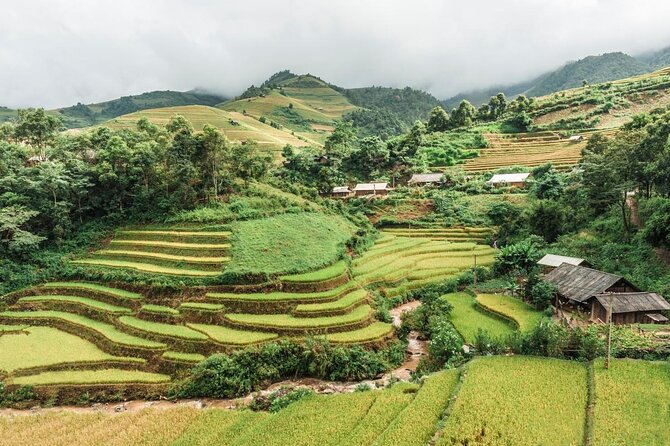
- Guided village-to-village walking: rice terraces, Muong Hoa Stream area, and several ethnic villages along the way.
- Meals are handled for you: breakfast and lunch plus a full dinner where you can join in if you want.
- Two shorter treks rather than one huge one: 12 km on Day 1, then a 3 km Day 2 with lots of viewpoints.
The night bus Hanoi to Sapa: value and real sleep strategy

This tour’s biggest advantage is timing. You meet in Hanoi Old Quarter at 9:00 pm and head to Sapa on a luxury sleeper bus. The plan has you picked up around 10:00 pm, then you arrive in Sapa at about 5:30 am. That means you’re not losing a full daylight block to transport, and you also save the cost of an extra overnight hotel in Hanoi or Sapa.
Is a sleeper bus always comfortable? Not in a guaranteed way. But the point here is practical: you trade a night of travel for a full day of trekking. You’re also given a couple of bottles of water for each leg (Hanoi–Sapa and back), which helps on the road without needing to hunt for snacks at odd hours.
One small planning note: if you’re carrying a heavy backpack, aim to pack with the thought that you’ll want easy access in the morning. You’ll still have big luggage storage handled in Sapa Town, but your comfort starts with how you organize your essentials for the first hours.
You can also read our reviews of more evening experiences in Hanoi



Sapa morning timing: breakfast, bag storage, then you’re walking
After arrival (around 5:30 am), you’ll sleep on the bus until roughly 6:00 am, then you get picked up for breakfast in Sapa Town. You check out of your hotel (or proceed with the morning routine—this part is designed to set you up fast), then you get your big luggage handled so you can trek without dragging it along.
Then the trek day really begins. Day 1 runs about 12 km and around 4 hours of walking. That’s long enough to feel like a real trek, but it’s not a suffering contest. The payoff is that the scenery changes as you go, and you’re not stuck in one view for the entire day.
Day 1 around Y Linh Ho: terraces, stream paths, and Lao Chai
The day starts with a short drive to Y Linh Ho, followed by trekking through rice terraces and along the Muong Hoa Stream area. The route then heads toward the Black Hmong village of Lao Chai. This is where the Hoang Lien Son mountain setting starts to feel big. The air often feels cooler than Hanoi, and the views can be genuinely dramatic early in the day.
Why I like this portion: it’s structured like a story. You move from terrace scenes to stream-side walking to a village stop. That pacing helps you notice details without feeling rushed.
Potential drawback: because you’re on foot for about four hours, you’ll want shoes with grip and socks you trust. Also, terraces can be uneven. Even if you’re not hiking daily at home, you should be ready for uneven footing.
Ta Van Village overnight: Giay culture in a real family setting
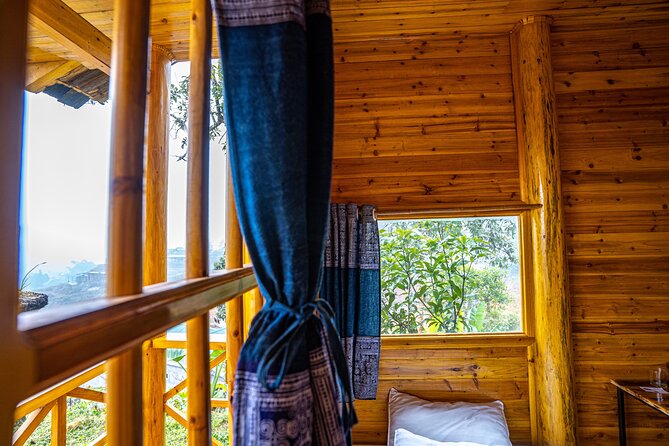
After trekking and arriving in Ta Van, you get a welcome drink and a family-style lunch with Vietnamese dishes. Then you settle into the bungalow in Ta Van village for check-in, connect with the family, and spend time at your own pace in the late afternoon.
This is the part that many people come for: Giay minority life in Ta Van. The tour isn’t just passing through; you stay overnight, in a bungalow with an en-suite room and a modern self-contained toilet. That combination matters because it lets you enjoy village life without sacrificing basic comfort.
In the evening, there’s a sunset window built into the schedule. You can also join the family for cooking local dishes if you want. If you’ve ever felt like cultural tours can be too much watching and not enough participating, this is the fix: you’re given a chance to be hands-on, even if it’s just trying a few tasks in the kitchen.
Dinner, local music, and social time in Ta Van

After dinner, the plan offers two social options: keep it calm at your bungalow, or walk to a nearby local bar with music where you can meet other group members. This isn’t required downtime, but it’s a nice way to round out the day after walking. Mountain evenings can feel cooler, and the change in pace often makes the day’s trekking sink in.
This is also where your guide helps steer the experience. In past versions of this trek, guides like Cat have been praised for connecting tribe life to what you’re seeing on the trail, and Vu has been highlighted for sharing insight into community life while you walk. Even if you’re not the type who asks lots of questions, a good guide keeps the walk from turning into just photos and steps.
One practical consideration: village nights can mean fewer late-night options. If you think you’ll want snacks or drinks beyond what’s provided, plan ahead. Drinks aren’t included.
You can also read our reviews of more hiking tours in Hanoi



Day 2: bamboo forest, bridge crossing, and Giang Ta Chai views
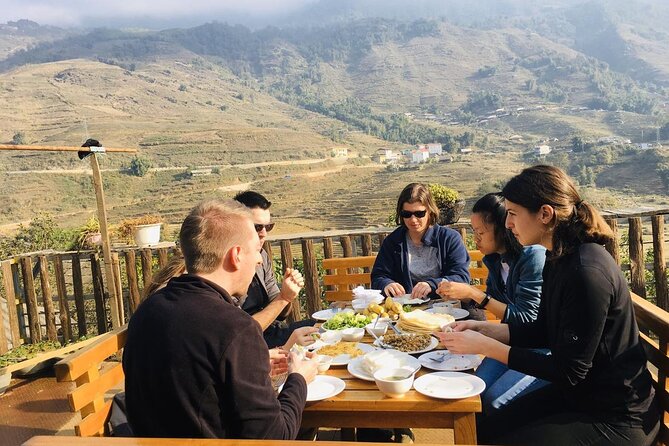
Day 2 starts with breakfast prepared by the family around 8:00 am. Then you head out for a shorter trek—about 3 km but roughly 3.5 hours, so it’s not a quick stroll. The pace is slowed by scenery stops and terrain.
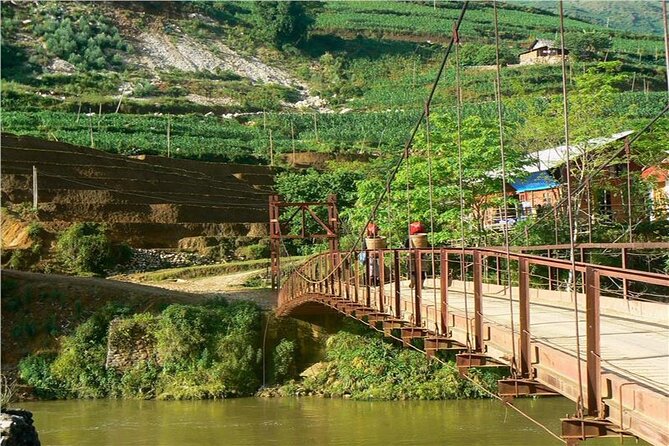
You’ll walk toward rice paddies for photo moments, then trek through a bamboo forest. There’s also a panorama view of Giang Ta Chai village, connected here with the Red Dzao community. After that, you cross Giang Ta Chai Bridge and reach the main road.
Then the tour switches to recovery mode. The bus picks you up and you return to Sapa Town. You get downtime, plus a chance to shower using a public bathroom at the hotel if you want. After meeting the group again, you leave for Hanoi at 3:00 pm with two rest stops, arriving in Hanoi at about 9:00 pm.
This return timing is a big deal. You get enough time to freshen up before the long ride back, without losing the afternoon entirely.
How hard is it, really? Distances, hours, and what to wear
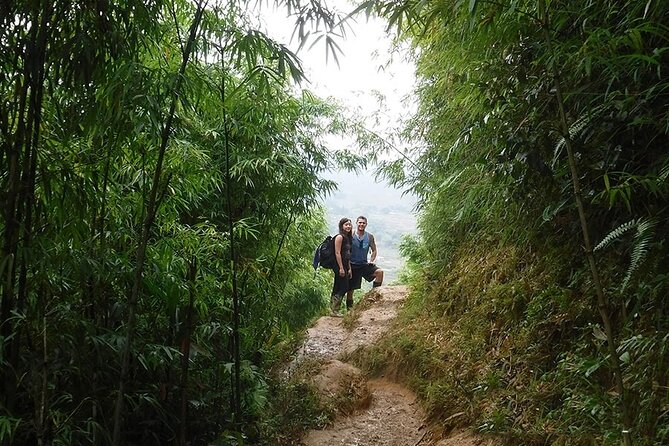
Let’s translate the numbers into effort. Day 1 is about 12 km for about 4 hours. Day 2 is about 3 km for about 3.5 hours. That tells you something important: Day 2 is shorter on paper but can feel longer because of stops, viewpoints, and footpaths.
You should pack for uneven ground and changing weather. Even in clear seasons, mountain areas can shift quickly. Layers help. Wear shoes you can trust on slippery spots. Trekking poles aren’t mentioned, so bring what you usually use for hiking.
If you’re traveling with a heavy bag, this tour still has luggage support. Big luggage is stored in Sapa Town so you don’t carry everything on the trails. Still, you’ll be happiest if your day pack is light enough that your shoulders don’t take a beating by hour two.
Food and comfort: five meals plus a modern toilet in the village
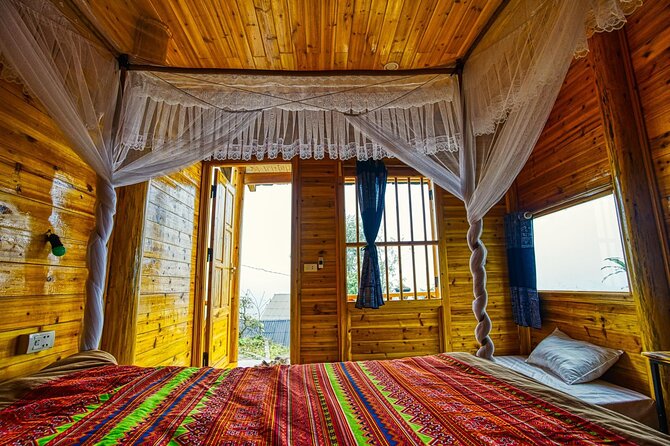
The tour includes five meals: dinner, two breakfasts, and two lunches. On the ground, this means you’re not stuck searching for a place to eat between village stops and trek segments. You also don’t have to budget for every meal day-by-day.
Meal style is set up to fit village life. Lunch includes Vietnamese dishes made by the family. Dinner is part of the overnight experience, with an option to help prepare local dishes. It’s not a restaurant meal, and that’s the point. You’re eating in the rhythm of the community where you’re staying.
Comfort-wise, you’re in a bungalow with a modern self-contained toilet in an en-suite room. That’s a big plus for a trek this short. One review drawback you should keep in mind: at least one person found the mattresses very firm, so consider bringing a thin travel pad or simply plan mentally that sleep might be a bit more solid than you’re used to.
Price and logistics: is $79 a good deal for two days?
At $79 per person, this is priced like a budget-friendly outdoor experience, not a luxury retreat. The value comes from how they package the main costs:
- Transport: you’re using a sleeper bus round trip between Hanoi and Sapa.
- Overnight: you’re staying in Ta Van without paying an extra hotel night separately.
- Guiding and group control: small group size (max 10) and guided trekking.
- Meals: five meals are covered.
- Some luggage handling: storage in Sapa Town reduces trek hassle.
If you tried to do this on your own, you’d likely spend time and money coordinating transport, guides, and lodging. Here, those moving parts are bundled. You do give up independence, but you gain a smoother route through a place that can be harder to navigate without local support.
Best fit: who will love this and who might not
This works best if you want countryside time around Sapa without being stuck only in town. You’re the right match if you like guided walks, don’t mind an active pace, and want a genuine overnight with a host family rather than a drive-through photo stop.
It may be less ideal if you’re hoping for a purely restful weekend. Between the late-night departure, early morning arrival, and trekking hours, your body will work. Also, if you hate firm mattresses or sleep that’s less cushy than a city hotel, be aware.
Weather realities and small frustrations to expect
This trek depends on good weather. If conditions are poor, the tour may be canceled and you’ll be offered a different date or a full refund. That’s not a reason to panic; it’s simply how mountain trekking works.
There can also be small annoyances. One review noted that transmission of information from the agency felt average, even though the trip itself ran well. That’s a reminder to confirm details close to departure and keep your own notes about meeting points and timing.
Finally, remember that village life and outdoor walking come with a bit of unpredictability. The trade is the experience itself: less polished, more real.
Should you book this Sapa trek with Ta Van overnight?
I’d book it if you want the Sapa area at a human scale—small group hiking, a real Ta Van village overnight, and meals handled without extra planning. The sleeper bus is a smart value play, and the itinerary is built to maximize time outdoors while still keeping your comfort reasonable with an en-suite, modern toilet.
Don’t book it if you want a relaxed, self-guided trip, or if you’re very sensitive to firm beds and packed schedules. Also, if you can’t travel with the late-night start on your calendar, the whole flow will feel harder than it needs to.
If you’re flexible, bring good hiking shoes, and show up ready to learn from your guide, this is one of the more practical ways to get beyond Sapa town and into the mountain life that surrounds it.
FAQ
Where do you meet in Hanoi and when does the trip start?
You start in Hanoi Old Quarter at P. Hàng Ngang, Hàng Đào, Hoàn Kiếm, Hà Nội 100000. The start time is listed as 9:00 pm, with pickup within the Old Quarter Monday to Thursday night at 21:00.
How many people are in the group?
The tour has a maximum group size of 10 travelers.
What meals are included during the 2 days?
Meals included are dinner (on Day 1), breakfast (2 times), and lunch (2 times). Drinks are not included.
Do you provide pickup from hotels in Hanoi?
Pickup is offered from hotels in Hanoi Old Quarter only from Monday to Thursday night at 21:00. If you’re outside that area or days, you may need to use the meeting point.
How much trekking is involved on each day?
Day 1 is about 12 km and lasts about 4 hours. Day 2 is about 3 km and lasts about 3.5 hours.
If I cancel or weather turns, can I get a refund?
Yes. You can cancel up to 24 hours in advance for a full refund. If the tour is canceled due to poor weather, you’ll be offered a different date or a full refund.