
REVIEW · HIKING & TREKKING
Sapa 3 Days 2 Nights Trekking Tour (1 Night In Ta Van Village, 1 Night In Hotel)
Book on Viator →Operated by Vietnam Travel Top · Bookable on Viator
Three days can change how you see the hills. This Sapa trek is built for active hikers who want real village life, guided paths through rice terraces, and a homestay night that feels personal. I especially liked the English-speaking guide who kept everything moving and made the scenery and culture make sense, and I liked that your meals and key entry fees are handled. The one drawback to plan around is that Sapa weather can turn misty and cold, and fog can hide the views.
You also get a smooth logistics bundle: air-conditioned bus from Hanoi, a hotel night in Sapa, then bungalow/homestay time in Ta Van, with trekking laid out day by day. It’s a small-group setup (max 15), so you’re not lost in a crowd, but it’s still active enough that you’ll earn every photo.
In This Review
- Key Things You’ll Notice on This Sapa Trek
- Sapa in Three Days: What This Tour Actually Delivers
- Price and Value: Why $139 Can Make Sense
- Hanoi Pickup to Sapa Arrival: The Bus Part You Should Expect
- Day 1 in Sapa and Cat Cat Village: A Valley Warm-Up
- Day 2: Y Linh Ho’s 12 km Walk and Your Ta Van Homestay Night
- Y Linh Ho segment: long distance, village lunch, big effort
- Ta Van village late afternoon: bungalow check-in and family time
- Day 3: Giang Ta Chai Photos, Rice Paddies, and the Return to Hanoi
- Guides Make or Break It: From Cat and Su to May and Vue
- Weather, Mud, and What to Pack for Real Hiking Comfort
- Bring warmth even if Hanoi feels mild
- Expect mud. Then plan for it.
- Carry cash in Dong
- Food on the Trip: Included Meals, Simple Choices, and Seller Pressure
- Handling the shopping “help” along the trail
- Who This Sapa Tour Fits Best (And Who Should Rethink It)
- Should You Book This Sapa Trekking Tour?
- FAQ
- How long is this Sapa 3-day 2-night trekking tour?
- What are the main places you visit?
- What kind of lodging is included?
- Are meals included?
- Is there an English-speaking guide?
- How far do the hikes go on the trek?
- What’s the transportation like from Hanoi?
- Where is the pickup and drop-off in Hanoi?
- Is this tour dependent on weather?
- What should I bring for trekking in Sapa?
Key Things You’ll Notice on This Sapa Trek
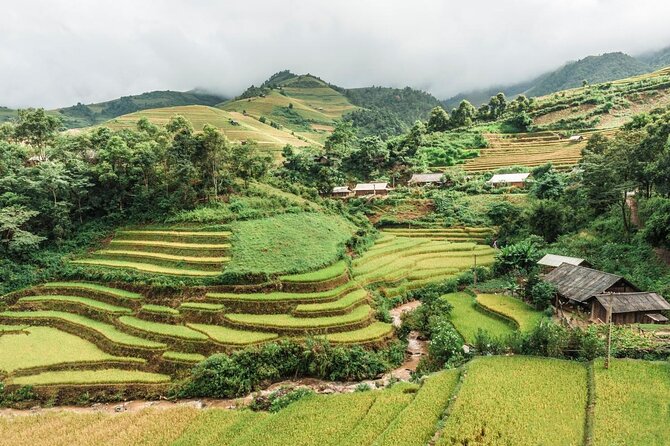
- Cat Cat Village as your first taste of Sapa with an easy-to-moderate start down toward the valley (about 3.5 km)
- Ta Van homestay night with family time, sunset atmosphere, and chances to join local cooking
- Rice-terrace hiking with real distance including a long day around Y Linh Ho (about 12 km)
- A guide who manages the pace and the details so you’re not stuck figuring things out mid-trek
- Weather and mud are part of the deal so what you bring matters as much as your fitness level
Sapa in Three Days: What This Tour Actually Delivers
This tour is for people who want Sapa beyond the quick viewpoints. You get two kinds of days: travel and settle in on Day 1, then full hiking days that move between villages and terrace paths. Between the two hiking days, you sleep in a Ta Van bungalow/homestay area, which is where the trip stops feeling like a day tour and starts feeling like a lived experience.
I like that the pace feels “guided but not scripted.” You’ll still hike your own body through steep bits, narrow paths, and slick sections, but your guide helps you understand what you’re seeing and keeps the group from wandering off track. That matters when the weather shifts and visibility drops.
Also, this is not a luxury spa getaway. You’re trading soft comfort for mornings in the mist and evenings where you can hear village life after dark. If that sounds like your kind of travel, you’ll love it.
You can also read our reviews of more evening experiences in Hanoi



Price and Value: Why $139 Can Make Sense
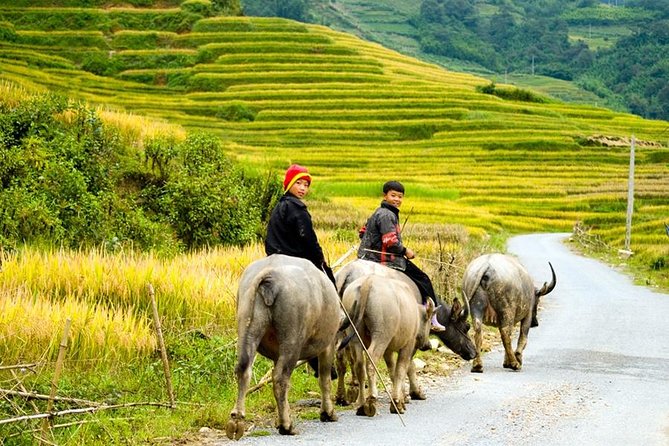
At $139 per person for roughly 3 days / 2 nights, you’re paying for more than a “hike ticket.” Your value stack includes:
- Hanoi ↔ Sapa round-trip air-conditioned bus
- 1 night at a Sapa hotel (listed as The View Sapa Hotel or similar)
- 1 night in a Ta Van bungalow/homestay
- An English-speaking local guide
- Meals: breakfasts plus lunch, and dinners (as stated)
- All entrance fees
- Basic water during bus travel
- Hotline support (24/7)
In other words, you’re not just paying for walking. You’re paying for the hard-to-plan pieces: cross-region transport, a guide, and lodging that’s already set for the trekking rhythm. That can be a real bargain compared to trying to stitch together bus schedules, hotel bookings, and a village guide separately—especially in winter when fog and cold can change your plans quickly.
One more practical point: your time in Sapa is limited. This kind of packaged trekking makes sure you’re not spending your short trip on logistics work.
Hanoi Pickup to Sapa Arrival: The Bus Part You Should Expect

Your day starts early in Hanoi. Pickup is offered from the Hanoi Old Quarter area around 6:00–6:20, then you transfer to the main bus for the drive north. Plan on comfort stops: first around 9:30 near Lao Cai, then another break around 11:00 before you continue up toward Sapa.
Arrival is around 13:00, and you’ll get to Sapa Town in time for lunch and check-in. From there, your first big village stop is later the same afternoon.
About the bus: experiences seem mixed. Some people find sleeper-style seating quite comfortable for a long ride; others wish it were better. Either way, treat this as a long road day. Bring something for warmth and pack your “must-use” items in a small bag. Also, leave the rest of your bigger luggage where the tour tells you—it’ll save you carrying weight during hikes.
Day 1 in Sapa and Cat Cat Village: A Valley Warm-Up
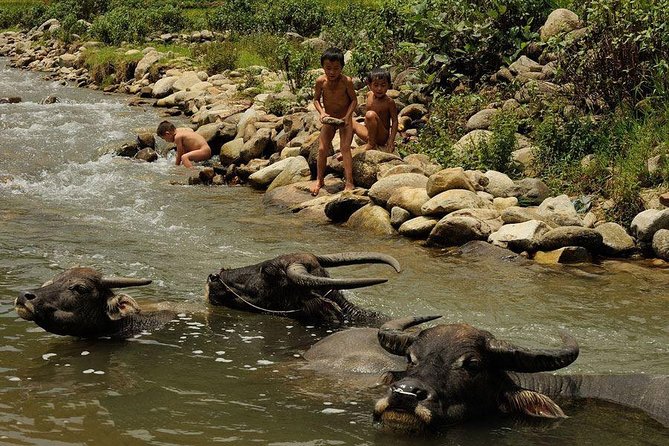
Day 1 is a gentle on-ramp. You arrive at Sapa Town around 13:00, check in, then head out for a first taste of village life.
The Cat Cat Village trek is listed at about 3.5 km and around 2 hours. You start with a walk to the village gate, then you’re in the Black H’Mong area near the foot of a deep valley. This is a good first trek because it gets your legs moving without jumping straight into the longer, harder distances.
What you’ll like here:
- It’s early enough in the trip that you still feel fresh.
- It’s a hands-on cultural introduction, not only a viewpoint photo stop.
- You’re hiking with a guide who can point out what matters as the trail drops into the valley.
What to keep in mind:
- Sapa weather can turn cold fast. Even if it doesn’t rain, mist can make the ground slick and cool.
- You’ll likely pass by market activity and small sellers near the route. The tour keeps you moving, but you should expect sales pressure in some areas.
Day 2: Y Linh Ho’s 12 km Walk and Your Ta Van Homestay Night

Day 2 is the main trekking day. After breakfast between 7:00 and 8:30, you check out and begin trekking around 8:30.
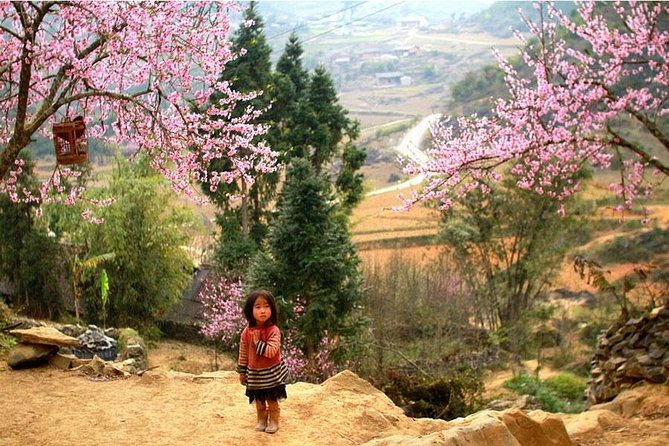
The itinerary takes you through rice terraces, which is the reason Sapa hikers come at all. These paths don’t look huge on a map, but they can feel steep and tiring in real life. Bring good shoes, and expect narrow stretches where you’ll step carefully.
You can also read our reviews of more hiking tours in Hanoi



Y Linh Ho segment: long distance, village lunch, big effort
The trek to Y Linh Ho is about 12 km, lasting about 4 hours. This is where fitness matters. If you’re moderately fit and steady on your feet, you’ll handle it. If you’re expecting flat walks, this will surprise you.
Lunch is a highlight: you’ll eat with a family (scheduled 12:00–13:30). That kind of meal is the difference between a photo trek and an experience with context.
Ta Van village late afternoon: bungalow check-in and family time
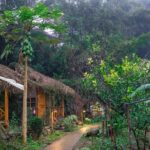
In the late afternoon you approach Ta Van Village, then check in around 14:30 at your bungalow. This is the night that changes the vibe of the trip.
You’ll meet the Dzay family, spend time in the mountain life mood at sunset, and you may join cooking local dishes with the family, then have dinner in the evening.
A few practical notes from the way homestays work in Sapa:
- You might find rustic comfort rather than hotel polish.
- Showers can be available, and warm water may be offered, but facilities are more basic than a city hotel.
- Expect insects and cool night air. Bring what you need for a comfortable sleep.
If the “homestay” part is why you booked, Day 2 is where it pays off.
Day 3: Giang Ta Chai Photos, Rice Paddies, and the Return to Hanoi

Day 3 starts with breakfast prepared by the family around 8:00, then you hit the trail again.
You walk toward the rice paddies for photos, then continue toward Giang Ta Chai Village. The scheduled trekking time for this segment is around 1.5 hours (as listed). Day 3 feels shorter on paper, but you’ll still notice that your legs are doing math now.
This is a great day for:
- calm morning pace,
- terrace views if the weather cooperates,
- and an easy win after the heavier Day 2.
Then, around 13:00–13:30, the bus picks you up back to Sapa Town. You’ll have time for leisure, and if you want, you can shower at the hotel public bathroom before your group meets up again.
The final transfer to Hanoi leaves at 15:00 with two rest stops, and you arrive back in Hanoi around 21:00.
Guides Make or Break It: From Cat and Su to May and Vue
This tour strongly depends on the guide. The good news: the guide crew here is consistently described as friendly, helpful, and tuned into the group.
Across the trip, guides you might see include names like Cat, Su, Dao, Miy, Chang, Khu, May, Zi, Vue, and Mu. Your experience will vary slightly by personality and English level, but the structure is the same: you’ll have someone who can explain village life and help manage the trekking flow.
A practical tip: if you have mobility limits, ask your guide early to match your pace. Guides can often help you take the right turns on uneven ground, and they can pace stops for photos so you don’t feel dragged or rushed.
Weather, Mud, and What to Pack for Real Hiking Comfort

Sapa is not one-weather zone. It’s colder than Hanoi, and fog can roll in—especially in winter months. The tour itself warns about unpredictable weather and fog in December through March. That means two things:
1) Your photos depend on timing and visibility.
2) Your comfort depends on layering and footwear.
Bring warmth even if Hanoi feels mild
Pack warm clothes, a scarf, and a hat. Even when the sun appears, the wind on paths can feel sharp. If you’re traveling in colder months, dress like you’ll be outside for hours.
Expect mud. Then plan for it.
Multiple hikers mention slippery, muddy tracks—especially in wet seasons. If you don’t want to slip or soak your feet, bring:
- trekking shoes with grip,
- and ideally traction or gumboots if you’re sensitive to wet conditions.
Some guides may offer borrowed gumboots for a small daily cost, and some homestays sell them on-site. Don’t wait until Day 2 to figure this out if you can avoid it.
Carry cash in Dong
You’ll want Vietnam Dong for small purchases, and banking access can be unreliable in Sapa. US dollars and euros may be accepted, but carry Dong if you plan to buy snacks, water, or small crafts from village vendors.
Food on the Trip: Included Meals, Simple Choices, and Seller Pressure
Meals are built into the experience: breakfasts (2), lunch (1 on Day 2), and dinners (2, including your homestay dinner). That’s valuable because trekking days are the last time you want to hunt for food in cold air.
That said, food can be simple and filling rather than restaurant-grade. One downside that pops up: dish variety may be limited, with more emphasis on choosing a protein option rather than a full menu. If you’re picky, plan to treat meals as nourishment after hikes, not a highlight on par with Hanoi restaurants.
Handling the shopping “help” along the trail
Sapa village routes can come with sellers who try to guide you, chat you up, or encourage purchases. You might feel pressure, especially when people “follow” your group and insist on helping.
My advice is straightforward:
- Smile, be polite, and keep moving at your pace.
- Decide what you want to buy (if anything) before the pressure starts.
- If you don’t want to pay, keep your answers calm and short. Your guide can also manage some situations.
You’ll still get the human connection—but you’ll keep control of your wallet.
Who This Sapa Tour Fits Best (And Who Should Rethink It)
This is a good match if you:
- want moderately fit hiking (especially with a long Day 2),
- like village stays more than constant sightseeing,
- enjoy learning from an English-speaking guide,
- and want your lodging, meals, and guides handled.
You should rethink it if you:
- want views with guaranteed sunshine (fog can happen),
- can’t handle steep, muddy, or narrow paths,
- or dislike homestay conditions like rustic rooms and night insects.
If you’re the type who gets cold easily, treat warm clothing as non-negotiable.
Should You Book This Sapa Trekking Tour?
I’d book this Sapa 3 days / 2 nights tour if you want a structured trekking experience that still feels personal. The best parts are the village focus and the homestay night in Ta Van, plus the fact that you don’t have to choreograph buses, lodging, and guide time yourself.
Book it with clear expectations:
- you’re hiking in real conditions, not walking on paved routes,
- you might lose some view clarity when fog rolls in,
- and you’ll likely deal with seller pressure near village paths.
If that sounds like your kind of adventure, you’re going to leave Sapa with stories, sore legs, and a better sense of how people live among the terraces.
FAQ
How long is this Sapa 3-day 2-night trekking tour?
It’s approximately 3 days. The schedule includes travel from Hanoi, 2 nights (1 hotel night in Sapa and 1 night in Ta Van), and a full return to Hanoi on Day 3.
What are the main places you visit?
You’ll spend time in Sapa Town, hike in/near Cat Cat Village on Day 1, hike toward Y Linh Ho and then Ta Van Village on Day 2, and hike around the rice paddies toward Giang Ta Chai Village on Day 3 before returning to Sapa Town and then Hanoi.
What kind of lodging is included?
You get 1 night in a Sapa hotel (listed as The View Sapa Hotel or similar) on a twin sharing basis, and 1 night in a bungalow/homestay in Ta Van Village.
Are meals included?
Yes. Meals included are breakfast (2), lunch (1), and dinner (2), plus water on the bus as stated.
Is there an English-speaking guide?
Yes. The tour includes an English-speaking local guide in Sapa.
How far do the hikes go on the trek?
Cat Cat Village is listed at about 3.5 km (around 2 hours). The Y Linh Ho trek is about 12 km (around 4 hours). The Giang Ta Chai Village segment is about 1.5 hours as scheduled.
What’s the transportation like from Hanoi?
You’ll travel by air-conditioned bus from Hanoi to Sapa and return. The schedule includes comfort breaks on the way both directions.
Where is the pickup and drop-off in Hanoi?
The start and end meeting point is at 30 P. Lý Thái Tổ, Lý Thái Tổ, Hoàn Kiếm, Hà Nội 100000, Vietnam.
Is this tour dependent on weather?
Yes. The experience requires good weather. If it’s canceled due to poor weather, you’ll be offered a different date or a full refund.
What should I bring for trekking in Sapa?
Bring warm clothes (weather can be unpredictable and cold), trekking shoes, and items like a scarf/hat/cap. You should also bring insect repellent, sun cream, and sunglasses. The tour also suggests taking cash in Vietnam Dong.
You Might Also Enjoy


More Evening Experiences in Hanoi


More Tours in Hanoi
- Ninh Binh Full-Day Tour from Hanoi to Hoa Lu, Tam Coc & Mua Cave Via Boat & Bike
★ 5.0 · 4,384 reviews