REVIEW · HIKING & TREKKING
2-Day Sa Pa Ethnic Homestay Tour & Trek with Limousine Bus
Book on GetYourGuide →Operated by Go Asia Travel · Bookable on GetYourGuide
The Sa Pa trek is short, but it hits hard. You’ll walk with a Hmong/English-speaking guide and spend the night in Ta Van, trading hotel comfort for mountain life. The best part is how quickly this tour turns scenery into real village moments you can actually talk about.
I especially like the way the guide connects what you see to how people live. You’ll spot traditional costumes from the Hmong, Dzao, and Tay groups, then follow trails through rice country and small paths that feel far from the main tourist strip.
One thing to plan for: the trek can get muddy and slippery, so skip fashion footwear. Good hiking shoes matter more than wishing for perfect weather.
In This Review
- Key highlights worth planning around
- A reality check: 2 days in Sa Pa means “route-smart”
- Hanoi to Sa Pa: the limousine bus via Lao Cai
- Meeting the mountain people: costumes, villages, and the guide’s role
- Day 1: rice terraces to Lao Chai, then Ta Van homestay
- Trek on Day 1: what the walk actually feels like
- Day 2: breakfast, rice paddies, bamboo forest, and Giang Ta Chai
- Back to Sapa, shower, lunch, then the ride to Hanoi
- Food on the tour: simple, filling, and repeatedly praised
- Cash, crafts, and the reality of village selling
- Who this tour fits best (and who should skip it)
- Price and value: why this package can beat DIY
- Should you book this Sa Pa 2-day homestay trek?
- FAQ
- What’s included in the tour for meals?
- Do I need to pay extra for the limousine bus?
- What kind of homestay accommodation should I expect?
- Is there a car ride on the second day?
- What trek difficulty level is this?
- What should I bring for the trek?
- Is cash required?
- Are there any holiday surcharges?
- Is this tour suitable for young children or mobility impairments?
Key highlights worth planning around
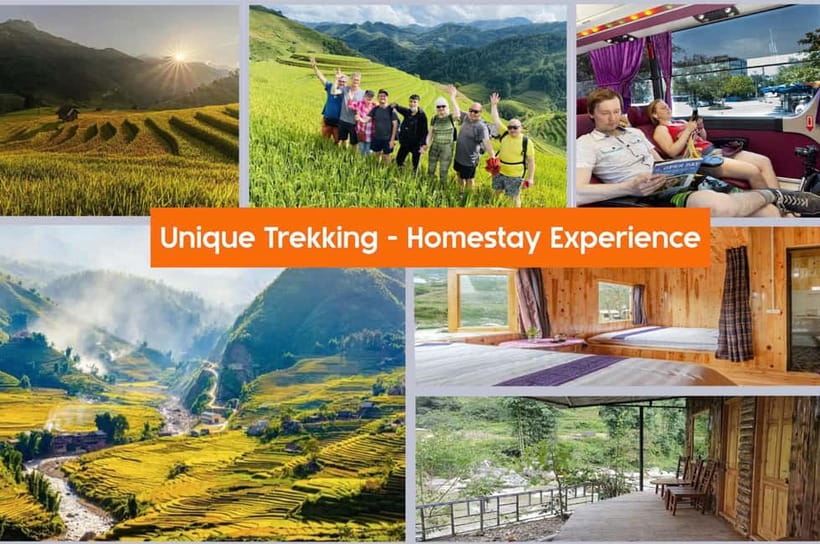
- Hmong English-speaking guide for village context, not just walking
- Ta Van homestay night in basic mountain-style comfort with included meals
- Rice terraces and Muong Hoa Stream area for classic Sa Pa views
- Day 2 bamboo forest trek plus a panoramic look over Giang Ta Chai village
- Limousine sleeper bus route via Lao Cai for an easier Hanoi transfer
A reality check: 2 days in Sa Pa means “route-smart”
This is the kind of Sa Pa tour that respects your time. You’re not trying to cram everything, you’re getting two solid trek days plus the homestay night that makes Sa Pa feel human instead of just postcard pretty.
The walking is manageable for most people, but it is not a casual stroll. Day 1 can feel longer and steeper on the way down; Day 2 is shorter but still undulating, and rain turns paths into slick clay. The good news is you’re traveling with guides and local support along the route.
If you want the cultural part without waiting a full week, this format is a strong match.
You can also read our reviews of more hiking tours in Hanoi

Hanoi to Sa Pa: the limousine bus via Lao Cai
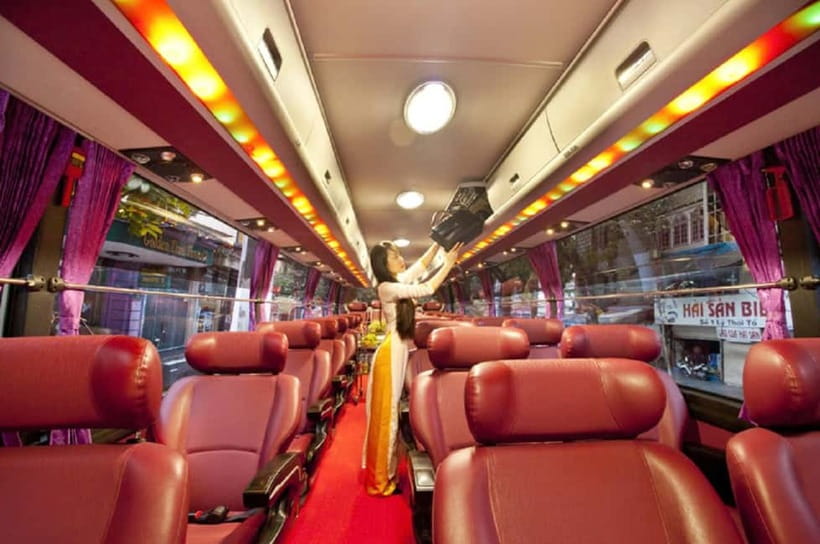
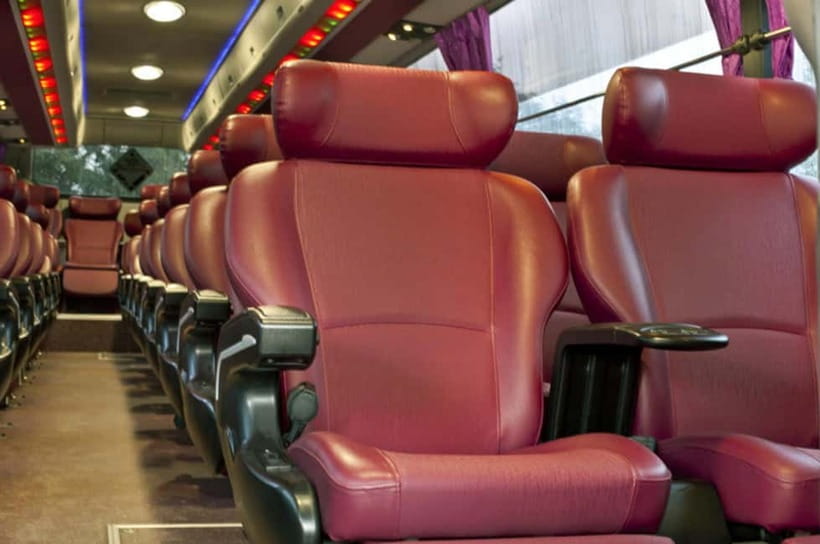
Your tour starts with a round-trip limousine bus between Hanoi and Sa Pa, routed through Lao Cai. The ride is built for sleep and comfort, and many guests specifically call out the “sleeper bus” feel with separate cabins. Even if it’s not luxury, it is a practical upgrade from cramped day buses.
You’ll depart early in the morning, then continue straight toward Sa Pa. When you arrive, there’s a Sapa representative at the bus stop who helps you get to the hotel area to rest and eat lunch.
Why this matters: with this bus setup, you lose less vacation time to transit chaos. You show up in Sa Pa with enough energy to do Day 1 trekking without the “I arrived and collapsed” problem.
Practical tip: pack a small day bag for sun protection and layers. In the mountains, conditions can change fast, and you’ll want easy access without digging through luggage.
Meeting the mountain people: costumes, villages, and the guide’s role
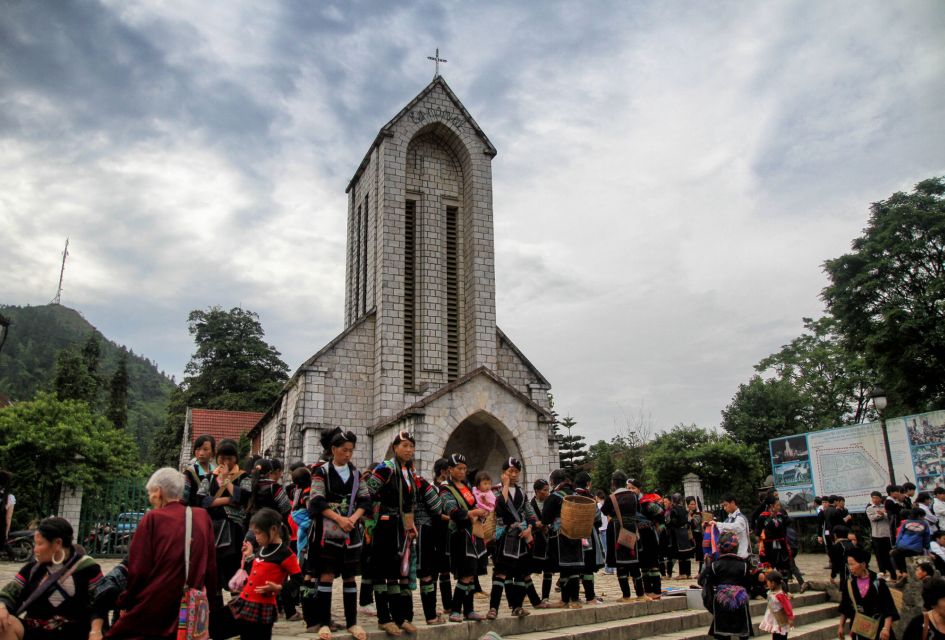
Sa Pa isn’t just hills and rice. It’s ethnic communities with distinct clothing and daily routines. On arrival, you’ll see the colorful traditional costumes tied to groups like the Hmong, Dzao, and Tay.
Then the tour shifts from “look at people” to “walk with context.” Your guide is local and English-speaking, and they’ll help you understand what you’re seeing as you move between villages. Names you may hear along the way include guides like Sha, Sua, Soso, Tung, and Wan, and the common thread is clear explanations plus a friendly pace.
What you’re really buying here is interpretation. Without a guide, it’s easy to treat village stops as photo stops only. With a guide, you understand why the villages sit where they do and what daily life looks like beyond the views.
Day 1: rice terraces to Lao Chai, then Ta Van homestay
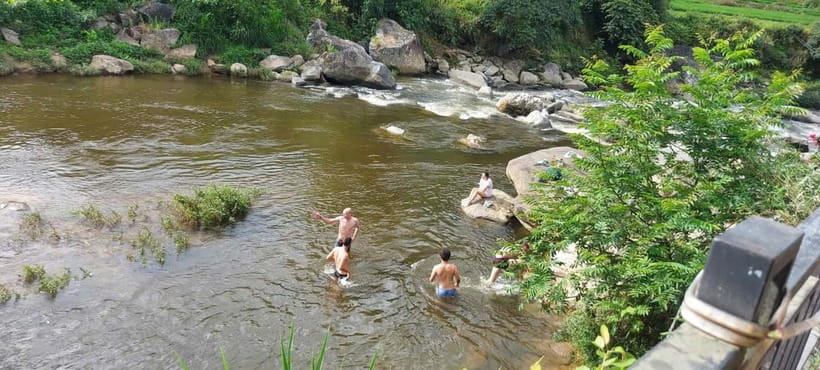
Day 1 has a strong rhythm: travel, lunch, trekking, and a real overnight in Ta Van.
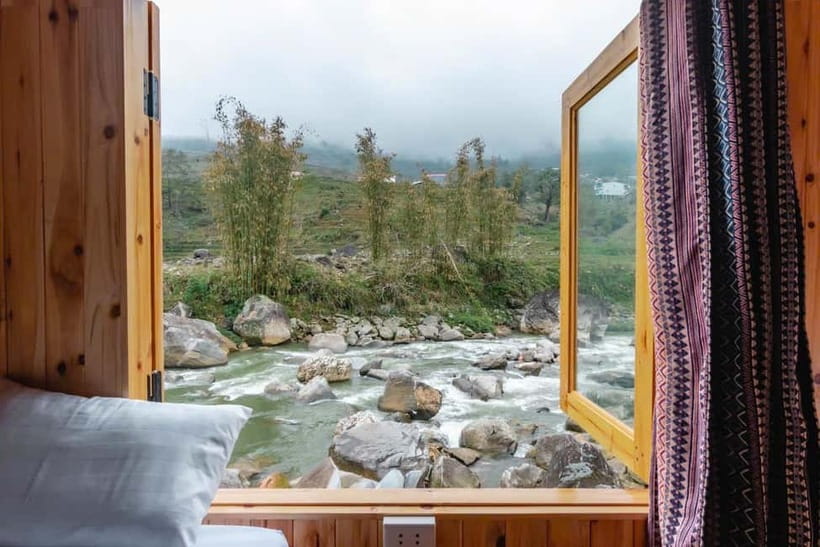
You’ll start with lunch in Sapa town, then begin trekking through the rice terrace country along the Muong Hoa Stream area. You’ll reach Lao Chai, a village often associated with the Black Hmong, surrounded by the Hoang Lien Son mountain range.
After that, you continue toward Ta Van. This is where you check into your homestay and meet the family, not just the building. You’ll spend the night here, which is the centerpiece of this tour style.
What makes Ta Van special (and honest expectations)
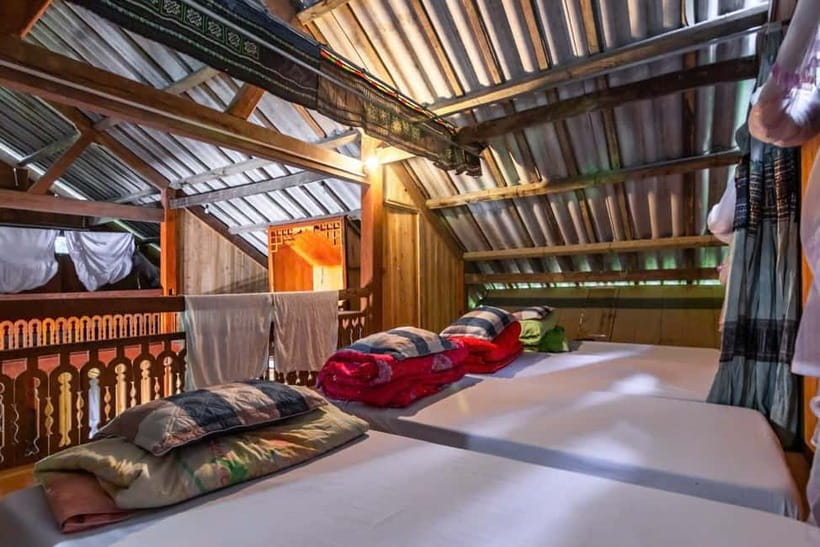
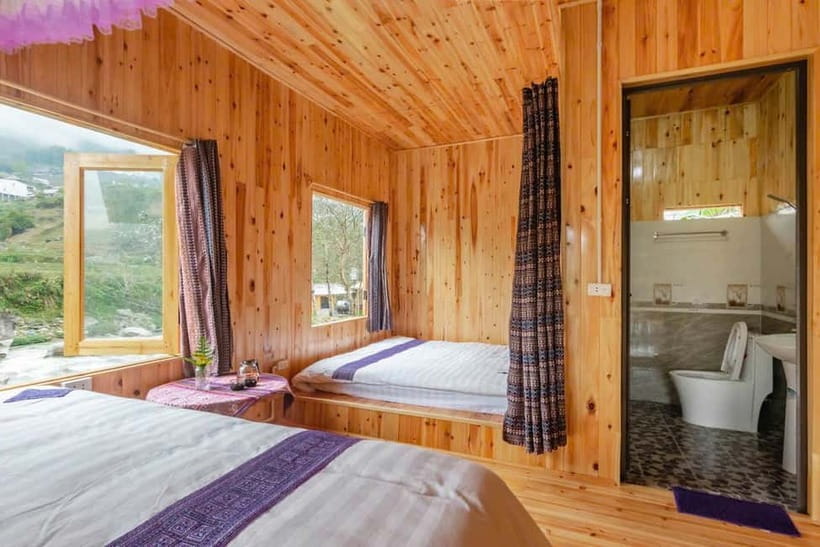
Your homestay is basic, and that’s part of the point. The tour includes clean water and fresh food, but the facilities are simple and not a city hotel setup.
Many guests report it feels like more than a traditional house-style homestay and mention comfortable sleeping arrangements and good meals. Some also mention private room options or nicer bathing setups if you choose an upgrade, but the standard offering is a single mattress style stay.
One more thing: mornings start early, and village nights can be lively. If you’re a light sleeper, bring earplugs. It can be safe and still noisy.
Trek on Day 1: what the walk actually feels like
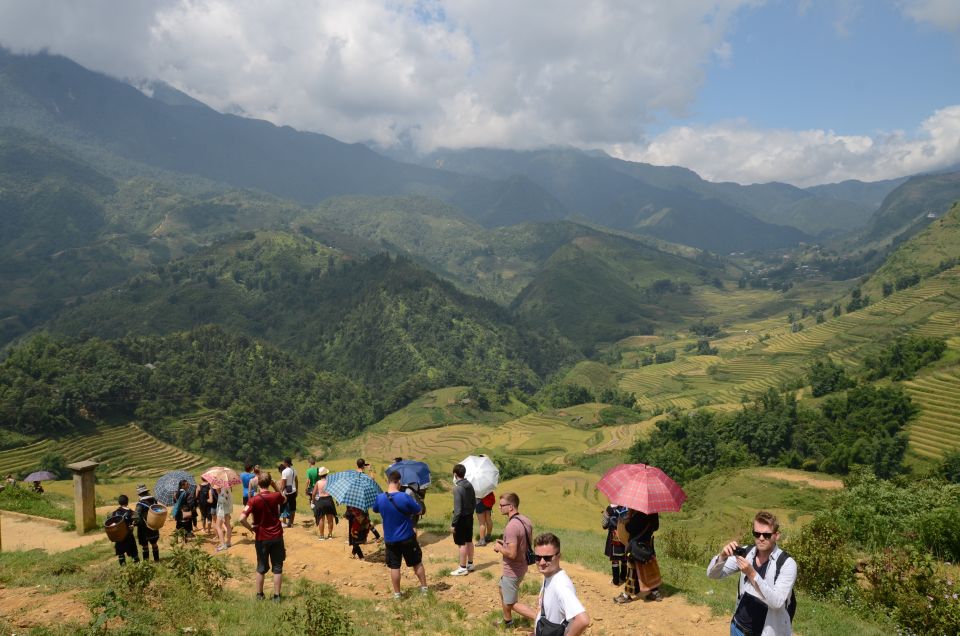
Day 1 trekking is often described around the 8 km mark. Expect a mix of downhill sections and stepped terrain that can be slippery if conditions are wet. Even if the distance doesn’t sound huge, you’ll feel it in your calves when the trail drops over and over.
This is the day you’re most likely to encounter mud. If it has rained or the ground is damp, you’ll want traction and ankle support. Sneakers might work on a dry day; after rain, they can turn into slide decks.
Carry your essentials:
- sunglasses
- sunscreen
- insect repellent
- cash
- a light layer for foggy stretches
And keep an eye on where you step. The best views often come after the toughest bits of trail, but the trail comes first.
You can also read our reviews of more tours and experiences in Hanoi
- Doris Cruise 5 star cruise 2 days visiting Halong Bay Lan Ha Bay private balcony
★ 5.0 · 2,338 reviews





Day 2: breakfast, rice paddies, bamboo forest, and Giang Ta Chai
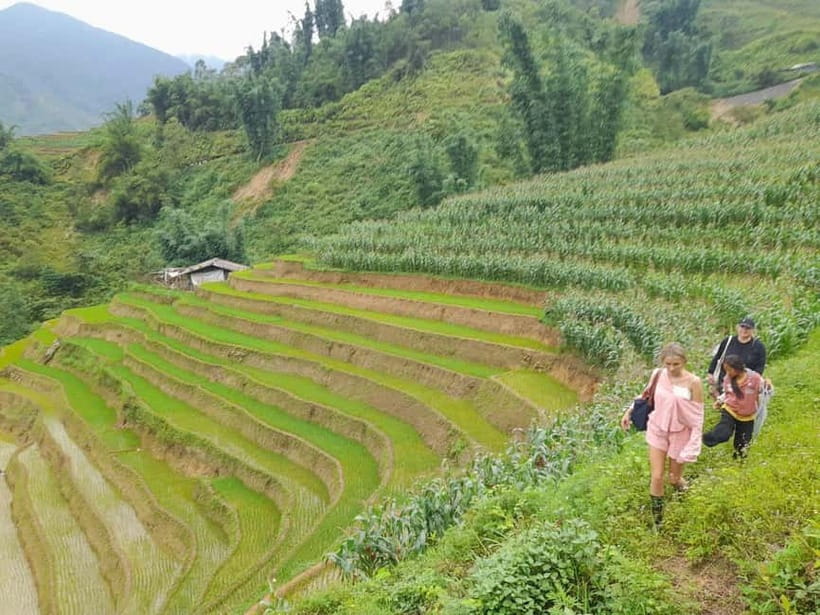
Day 2 starts with breakfast prepared by the family. Then you head out for a morning trek through rice paddies and bamboo forest, which many people find more atmospheric than the first day’s village approach.
One of the big moments is a panoramic view of Giang Ta Chai village. Then you cross the Giang Ta Chai Bridge. After that, you don’t have to power through more walking to get back—you’ll take a car back to the hotel area.
This is a smart structure for a 2-day itinerary. You get a meaningful second trek, then you land back near your hotel for lunch and a shower before heading toward Hanoi.
Back to Sapa, shower, lunch, then the ride to Hanoi
After the trek, you’ll return to Sa Pa for lunch and time to refresh. There’s a shower included in the flow of the day, and then you’ll join the return bus trip to Hanoi.
Important practical detail: the bus meeting point is where your Day 2 return begins, and from there you’ll get to your hotel on your own. Plan a little buffer time at the end so you don’t feel rushed.
If the idea of a “full day of travel” worries you, remember the limousine sleeper bus is part of this tour’s value. It helps the long ride feel less punishing, especially after two trekking days.
Food on the tour: simple, filling, and repeatedly praised
Meals are part of what makes this tour work without extra hassle. You get:
- Lunch on Day 1
- Dinner on Day 1
- Breakfast on Day 2
- Lunch on Day 2
Guests consistently describe the included food as tasty and plentiful, both at the homestay and at the start/finish restaurant. That matters because mountain trekking burns energy, and you don’t want to be hunting for meals while everyone else is hiking.
A practical move: don’t skip breakfast. Even if you’re not a big morning eater, it sets you up for a wet trail and uneven steps later.
Cash, crafts, and the reality of village selling
Bring cash. The local banking system in Sa Pa can be unreliable, and you’ll want Vietnamese Dong for small purchases. US Dollars, Euros, and Australia Dollars are accepted, but cash is still the safest bet.
You should also expect some crafts and product selling along the way. Guides and local women may accompany you at times, and some guests describe selling as persistent. It’s not required, but it can feel awkward if you don’t want to buy.
My practical advice: decide early what you’re willing to spend, if anything. If you want a scarf or handmade jewelry, bring small bills or change so you can say yes without turning it into a negotiation. If you don’t want to buy, be firm and keep moving with your guide setting the tone.
Who this tour fits best (and who should skip it)
This is a good fit if you:
- want a short Sa Pa trip with a real homestay night
- like moderate trekking and can handle uneven, muddy trails
- care about ethnic culture and want it explained as you walk
- prefer a comfortable Hanoi-Sa Pa transfer so you start trekking with energy
It’s not a fit if you:
- need mobility support, since the tour is not suitable for people with mobility impairments or wheelchair users
- are traveling with children under 6
If you’re unsure about your pace, you’ll likely do fine as long as you bring the right shoes and move steadily. The guides are used to managing the group pace, including for guests who feel slower or older than others.
Price and value: why this package can beat DIY
There’s no single “cheap” way to do Sa Pa, because the experience is land-and-people based. This tour leans into the value you actually feel: transport that’s more comfortable than standard buses, an English-speaking local guide, village entrance coverage, homestay sleep and meals, and a car return segment on Day 2.
You still have extras:
- drinks are not included
- there’s an 8% government tax
- tips for guide and driver are on you
- holiday surcharges may apply on specific dates, paid onsite
So the real question isn’t whether it’s the lowest price. It’s whether you’re paying to remove stress. In a 2-day window, having the guide handle routing between Lao Chai, Ta Van, and Giang Ta Chai, plus feeding you, is what makes the whole trip feel smooth.
If you’d otherwise hire a guide and book separate transport and meals yourself, this package often becomes the simpler win.
Should you book this Sa Pa 2-day homestay trek?
Book it if you want a memorable Sa Pa experience without spending extra days sorting logistics. The combination of a comfortable limousine sleeper bus, an English-speaking local guide, the Ta Van homestay night, and two trekking days is exactly the kind of “time-efficient, human-scale” trip that works.
I’d hesitate only if you:
- hate muddy trail conditions and don’t own proper hiking shoes
- want a high-end hotel style stay every night
- need accessibility support for stairs and uneven ground
If you go, go prepared: bring sturdy footwear, sun and bug protection, and enough cash for small purchases. Then lean into the homestay night and village conversation. That’s where the trip stops being scenery and starts being something you can remember.
FAQ
What’s included in the tour for meals?
You get 2 lunches, 1 dinner, and 1 breakfast across the two days.
Do I need to pay extra for the limousine bus?
The Hanoi to Sapa round-trip limousine bus is listed as included as an optional component. If you choose that option, it’s part of your package.
What kind of homestay accommodation should I expect?
The homestay accommodation in Ta Van is basic and includes a single mattress setup. Clean water and fresh food are provided.
Is there a car ride on the second day?
Yes. After the Giang Ta Chai Bridge, you’ll take a car back to the hotel area, and then you’ll continue with lunch, shower time, and the return bus to Hanoi.
What trek difficulty level is this?
It’s described as medium trekking. Day 1 is typically around 8 km and mostly downhill, while Day 2 is around 4 km and more undulating, but both days can be challenging if it’s muddy.
What should I bring for the trek?
Bring hiking shoes, sunglasses, sunscreen, insect repellent, and cash. Extra clothes can also help if you get muddy.
Is cash required?
Yes. Bring cash in Vietnamese Dong because banking in Sa Pa can be unreliable. US Dollars, Euros, and Australia Dollars are accepted.
Are there any holiday surcharges?
Yes. There’s a holiday surcharge of 700,000 VND per person for specific dates listed, paid onsite.
Is this tour suitable for young children or mobility impairments?
No. It’s not suitable for children under 6 years old and not suitable for people with mobility impairments or wheelchair users.
You Might Also Enjoy

More Hiking & Trekking Tours in Hanoi
More Tours in Hanoi
- Ninh Binh Full-Day Tour from Hanoi to Hoa Lu, Tam Coc & Mua Cave Via Boat & Bike
★ 5.0 · 4,384 reviews