REVIEW · HIKING & TREKKING
3-Day Trekking Adventure of Sapa from Hanoi – Stay Ta Van Village
Book on Viator →Operated by Vietnam Travel Top · Bookable on Viator
Sapa trekking, simplified and done right. This 3-day trek bases you in Ta Van village and links the hiking days with guided routes through rice terraces and Muong Hoa valley scenery, so you’re not stuck figuring out logistics.
What I like most is that you get real structure without feeling rushed. A small group with a local guide (often people highlight guides such as Chang and Khu) keeps the days smooth, and the overnight stay feels like part of the trip, not just a bed to sleep in.
One thing to consider: this is not a stroll. You’re walking distances around 9 km on day one and roughly 5–6 km on later days, with muddy, narrow paths possible in Sapa conditions—so sturdy shoes matter.
In This Review
- Key points at a glance
- Why Ta Van is the smart home base for Sapa trekking
- Hanoi to Sapa: transfers that remove the headache
- Day 1: Y Linh Ho to Ta Van via rice terraces and Muong Hoa paths
- Day 2: Ta Van to Giang Ta Chai through bamboo forest viewpoints
- Day 3: Ta Van to Hang Cung, Sam 2, Lao Chai, then back to Hanoi
- Meals and your bungalow/stilt house stay: simple, included, and part of the rhythm
- What to bring (and what to avoid) for muddy, hilly trails
- Price and logistics: is $109 good value?
- Weather and schedule changes: plan for fog and flexibility
- Who this trek suits best
- Should you book this 3-day Ta Van trek?
- FAQ
- Where is the meeting point in Hanoi?
- What meals are included?
- How long are the treks each day?
- What kind of accommodation is included for nights?
- How big is the group?
- What happens if weather is poor?
Key points at a glance

- Ta Van is your base: less bouncing around, more time in one community
- Muong Hoa valley + multiple villages: rice terraces, bamboo forest, bridge viewpoints
- Small-group feel (max 15): easier pacing and more guide attention
- Comfortable Hanoi–Sapa transport: air-conditioned bus and planned departure/return timing
- Meals and entry tickets included: you can focus on hiking instead of budgeting every stop
Why Ta Van is the smart home base for Sapa trekking

Most Sapa trips try to squeeze everything into town. This one starts in Ta Van village, which changes the whole vibe. You spend your nights in the hills, then you walk out into the same kind of paths locals use—rice terraces one day, bamboo forest another, and village-to-village tracks the rest of the way.
That matters for a couple reasons. First, you waste less time commuting between places. Second, you get a calmer rhythm: walk in the morning, settle in for lunch or downtime, then head out again. It’s a much easier way to experience Sapa if you want scenery and village life without turning the day into a moving bus schedule.
Also, the group is capped at 15 travelers, which helps keep the hikes from feeling like a conveyor belt. You still share the route, but it doesn’t feel crowded in the way some popular trekking circuits do.
You can also read our reviews of more hiking tours in Hanoi



Hanoi to Sapa: transfers that remove the headache
The trip starts from the Hanoi Old Quarter area (pick-up is listed at 30 P. Lý Thái Tổ). You transfer to the big bus and head toward SapaTown/Lao Cai region by road. The included bus is air-conditioned with comfortable seats, and it’s set up for round-trip travel.
Two practical details I appreciate:
- Two bottles of water per person, per way on the bus.
- The tour includes an insurance coverage during the period using the bus.
You also get two comfort breaks on the return day, with an arrival back in Hanoi around 21:00.
If you’re the type who doesn’t want to wrestle with transport timing or hunt for local lodging, this “do the hard part for you” approach is the value engine. You’re paying for coordination, not just walking hours.
Day 1: Y Linh Ho to Ta Van via rice terraces and Muong Hoa paths
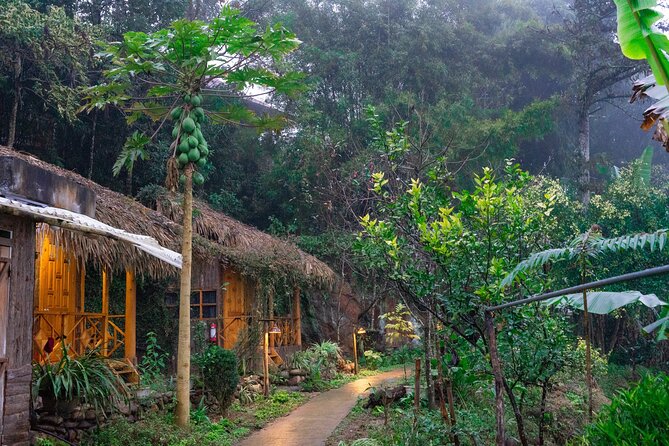
Day one is built around one long trek that sets your fitness and mood. You leave Hanoi early (pick-up in the 06:00–06:20 window), reach the Sapa/Lao Cai area around the early afternoon, then drive to the starting point near Y Linh Ho.
Once you’re on the trail, the route goes through rice terraces and along Muong Hoa. The trekking distance is about 9 km and takes about 3.5 hours. Depending on weather and trail conditions, you’ll likely feel it by the end: this is the day with the biggest walking load.
You finish in Ta Van village, check in for your overnight stay, and get meals that day (lunch and dinner are included). This is a good setup because you’re not arriving and then immediately trying to do more sightseeing. Your arrival is followed by settling in.
Small tip from the reality of Sapa: even when the route looks straightforward on a map, it can get slick underfoot. Bring shoes that handle mud and uneven ground, not just flat city walking.
Day 2: Ta Van to Giang Ta Chai through bamboo forest viewpoints
Day two shifts into a different landscape feel. After breakfast prepared by the family in your stay (breakfast is included), you start trekking from Ta Van toward Giang Ta Chai village.
This leg includes a bamboo forest section and a stop for a panorama view. The distance is about more than 5 km, and it runs for over 2 hours. That “over 2 hours” range is important: it means your pace can matter, especially if the trail is muddy or you’re stopping frequently for viewpoints.
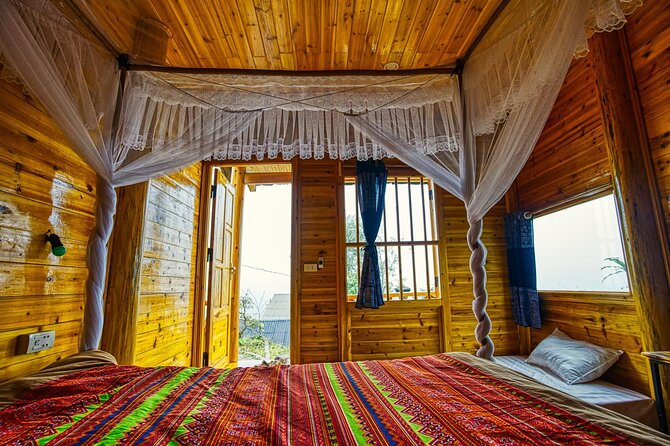
Then comes the highlight-style segment: you trek through the Giang Ta Chai Bridge to reach the main road area, then you head back to Ta Van Village. Lunch is included back at the village, and the afternoon is free for you to relax.
I like the afternoon freedom. You don’t have to keep moving just because the schedule says so. You can rest your legs, chat with hosts, or simply sit and watch the village come alive. For me, that’s where the homestay base really pays off.
Day 3: Ta Van to Hang Cung, Sam 2, Lao Chai, then back to Hanoi

Day three is another medium trek, followed by the return to Hanoi. After breakfast, you start walking around 08:30. The trekking distance is about 6 km and lasts over 2 hours.
The route described for this day links several village areas: Ta Van → Mong (Hang Cung) → Sam 2 → Lao Chai. So instead of doing one single “point to point” photo stop, you get a chain of village landscapes before the trip turns back into transportation time.
By 15:00, you head to the bus back to Hanoi with two comfort breaks, arriving around 21:00. It’s a full day, but the structure is fair: you get the final walking stretch early, then you’re on the road in the afternoon.
A useful mental trick here: treat the last hike as the end of the trekking story, not as a warm-up. If your legs are already tired from day one, you’ll want to keep your pace steady and save energy for the final descent and return.
You can also read our reviews of more tours and experiences in Hanoi




Meals and your bungalow/stilt house stay: simple, included, and part of the rhythm
This tour includes a full food plan:
- Breakfast x2
- Lunch x3
- Dinner x2
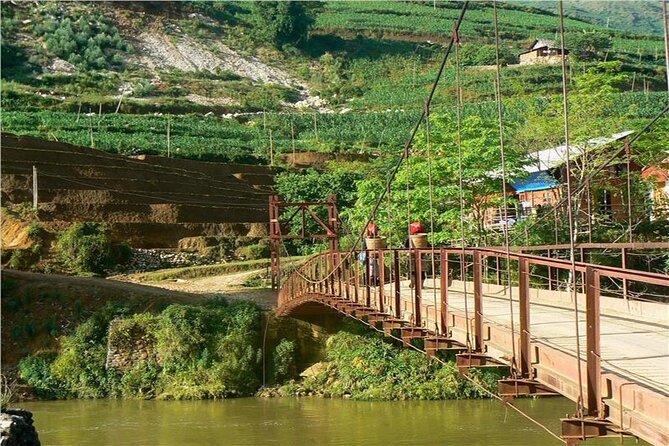
Overnight accommodations are listed as a bungalow / stilt house. In Ta Van village, that usually means more rustic than a hotel room, but the comfort factor comes from being hosted and cared for. In practice, what you get is a place to recover after trekking and a meal setup that doesn’t require you to search for food or manage cash every time you’re hungry.
Two practical notes that help your stay feel better:
- Pack for basic comfort. You’re in a village environment during a trek, so don’t expect the same amenities you’d find in Hanoi.
- Use your free time on day two afternoon. That downtime helps you enjoy the stay instead of just rushing through it.
Also, if you’re carrying a heavier bag, the tour notes that you can bring your luggage and leave it on the bus. A car can transfer luggage to the village during your trek time. That’s one less stress point, especially if you want to travel light on your feet.
What to bring (and what to avoid) for muddy, hilly trails

Sapa trekking sounds romantic until you step off the flatter paths. The route conditions can turn sloppy, and several guides are the kind who keep pace flexible. Still, you’re hiking in a mountainous area, so you should prepare like you mean it.
Here’s what you’ll be glad you brought:
- Waterproof or water-resistant hiking shoes with solid grip
- Rain layer (even if the forecast seems fine)
- A small daypack for water and essentials
- Quick-dry socks
The tour includes water bottles on the bus, but you’ll still want your own comfortable setup for the trail itself.
If you’re expecting a gentle walk with mostly flat ground, you’ll be disappointed. Day one is around 9 km and day two/day three are still multi-hour treks. Go in with realistic expectations and you’ll enjoy it more.
Price and logistics: is $109 good value?
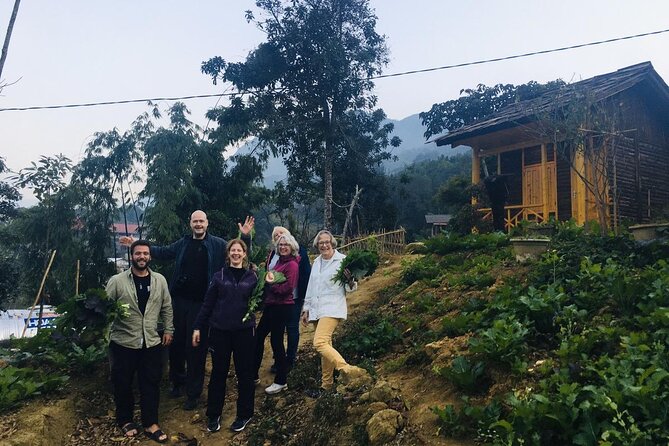
At $109 per person, you’re paying for a pretty tight package: round-trip air-conditioned bus Hanoi–Sapa, pick-up from the Hanoi Old Quarter meeting area, overnight accommodation in a bungalow/stilt house, and a scheduled food plan (breakfast, lunches, dinners). Entry tickets for the indicated sites are also included.
The value comes from what you’d otherwise have to coordinate yourself:
- bus timing both ways
- village accommodation
- guide and route planning
- meals you’d need to source daily
What’s not included matters too: beverages, VAT, personal expenses, and travel insurance (the tour only notes insurance during bus time). So if you drink a lot of bottled water or plan to add extra paid activities, budget a little above the base price.
For me, this price feels fairest if you want a guided experience and you’d rather spend your energy on walking and views than on logistics.
Weather and schedule changes: plan for fog and flexibility
This trek is weather-dependent. The tour notes it requires good weather, and schedules can change depending on operating conditions. If you’re hoping for clear panoramas every hour, don’t bet everything on that. Sapa can shift fast.
The good part: because the tour includes guide support and a structured route, you’re not left guessing where to go next. When visibility is low, a good guide can still help you understand what you’re seeing and keep the pacing manageable.
Who this trek suits best
This is a strong fit if you:
- want a guided trekking route without arranging village logistics
- like the idea of staying in Ta Van and experiencing village life up close
- enjoy multi-day walking and can handle 5–9 km treks over a day
- prefer small-group touring (max 15)
It’s not the best fit if you have mobility limitations and need a lighter walking day every time. Even though most travelers can participate, the route includes medium treks and the terrain can be muddy and uneven.
Should you book this 3-day Ta Van trek?
If you want Sapa hiking that feels grounded in village life—and you value convenience—this one makes sense. The Ta Van base, the included meals, the overnight bungalow/stilt house, and the round-trip bus coordination remove the usual headaches. You’re left with the core activity: walking, eating well, and taking in the hills.
I’d book it if you’re comfortable with muddy trails and you’re excited by rice terraces and village-to-village routes. If your top priority is comfort over walking, or you need a mostly flat, low-impact plan, you should look for a lighter option.
FAQ
Where is the meeting point in Hanoi?
The meeting point is listed at 30 P. Lý Thái Tổ, in the Hoàn Kiếm district area of Hanoi, and the activity ends back at this same meeting point.
What meals are included?
The package includes lunch x3, breakfast x2, and dinner x2 across the three days.
How long are the treks each day?
Day 1 is about 9 km and lasts about 3.5 hours. Day 2 is over 5 km and lasts over 2 hours. Day 3 is about 6 km and lasts over 2 hours.
What kind of accommodation is included for nights?
Overnight accommodation is included in a bungalow or stilt house.
How big is the group?
This tour/activity has a maximum of 15 travelers.
What happens if weather is poor?
The experience requires good weather. If it’s canceled due to poor weather, you’ll be offered a different date or a full refund.