REVIEW · HIKING & TREKKING
From Hanoi: 2-Day Sapa Trekking Trip with Homestay & Meals
Book on GetYourGuide →Operated by Vietnam Real Tour · Bookable on GetYourGuide
Two days, rice terraces, and a real village night. You’ll ride from Hanoi to Sapa on an air-conditioned sleeper bus, hike around 12 kilometers through villages like Lao Chai and Ta Van, then sleep in a local home where you cook with your host and use the everyday bathroom setup locals do. I love the farm-to-table feeling of gathering vegetables and making dinner together, and I also like that day two lets you pick farming time or a second bamboo forest hike. The main drawback: the trails can get slippery (especially in rain), and the homestay is not a hotel.
For most people, the real payoff is the human scale. You’re not just taking photos from a viewpoint—you’re eating the same meal, walking the same paths, and learning small bits of daily life from your guide and the family. If you want soft, flat walking and private comforts, this trip may feel like a rougher match than you expected.
In This Review
- Key highlights you’ll actually feel
- Why this Sapa trek works better than a day trip
- Getting from Hanoi: the sleeper-bus morning that sets the tone
- Day 1: Sapa rice terraces, Lao Chai to Ta Van, and a waterfall pause
- Dinner and homestay reality: what it feels like to live the local routine
- Day 2: bamboo forest choice, breakfast with your host, and morning work
- Return to Hanoi: timing that matters for your evening plans
- What the included price really covers (and why it’s fair for $71)
- What to bring: the difference between fun hiking and miserable hiking
- Who should book this, and who should skip it
- Small cultural etiquette tips that make the trip smoother
- Should you book this Sapa homestay trek?
- FAQ
- How long is the trip?
- What time do you pick up in Hanoi?
- How do you get to Sapa from Hanoi?
- What meals are included?
- Do I hike both days?
- Is there an option besides the main day-two hike?
- What’s the homestay bathroom situation?
- What language will I be guided in?
- Is this trip okay for children or seniors?
- What should I bring for the trek?
Key highlights you’ll actually feel
- Homestay with your host family in the village, not a tourist lodge
- Cooking together after you gather ingredients for dinner
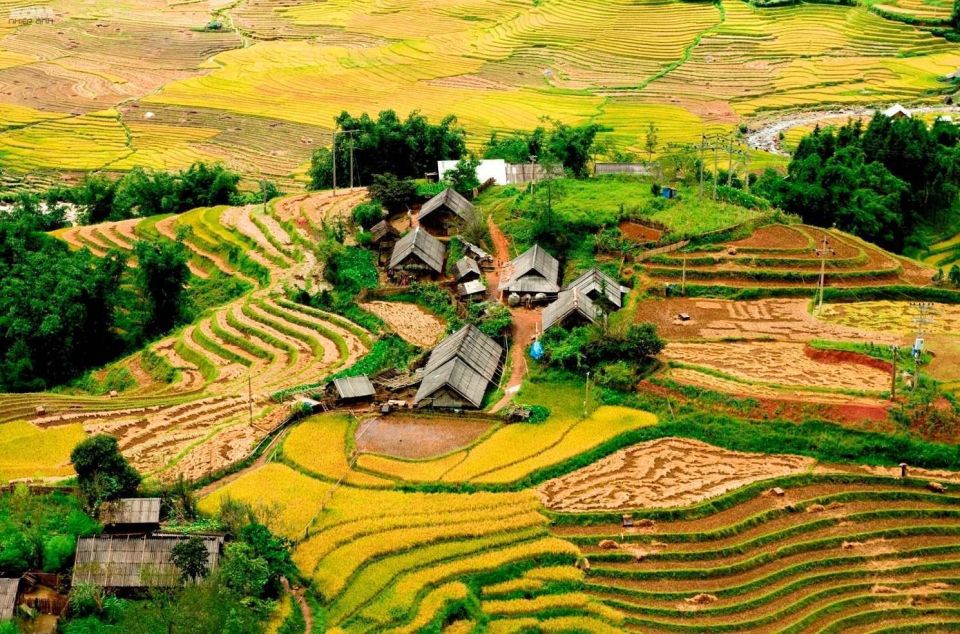
- Terraced fields + waterfall break on the first day trek
- Choose your day-two plan: farming with locals or an extra bamboo-forest hike
- Real village hiking distance with steep, muddy sections possible
- Free time in Sapa town for market browsing and wandering at your own pace
Why this Sapa trek works better than a day trip
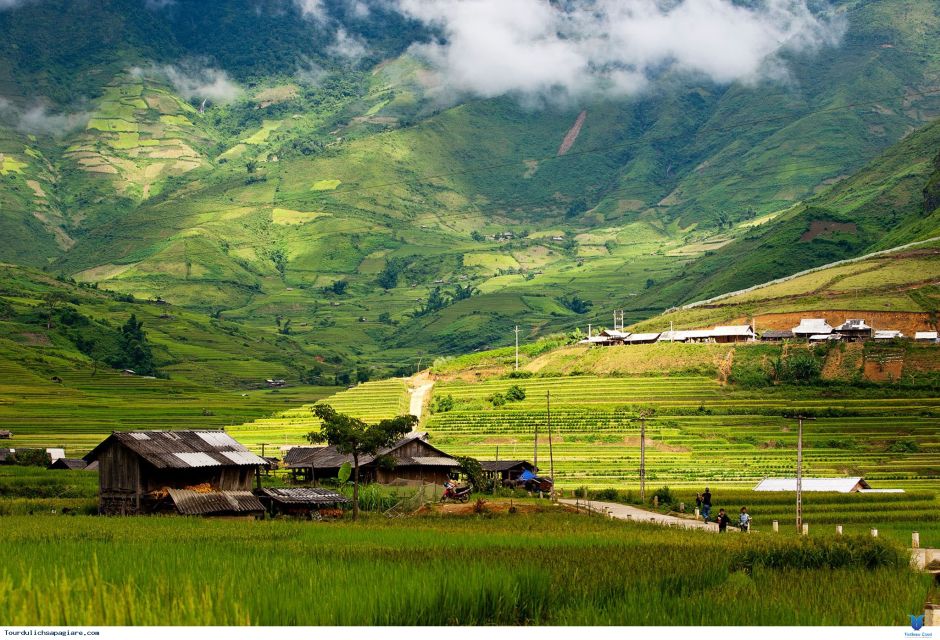
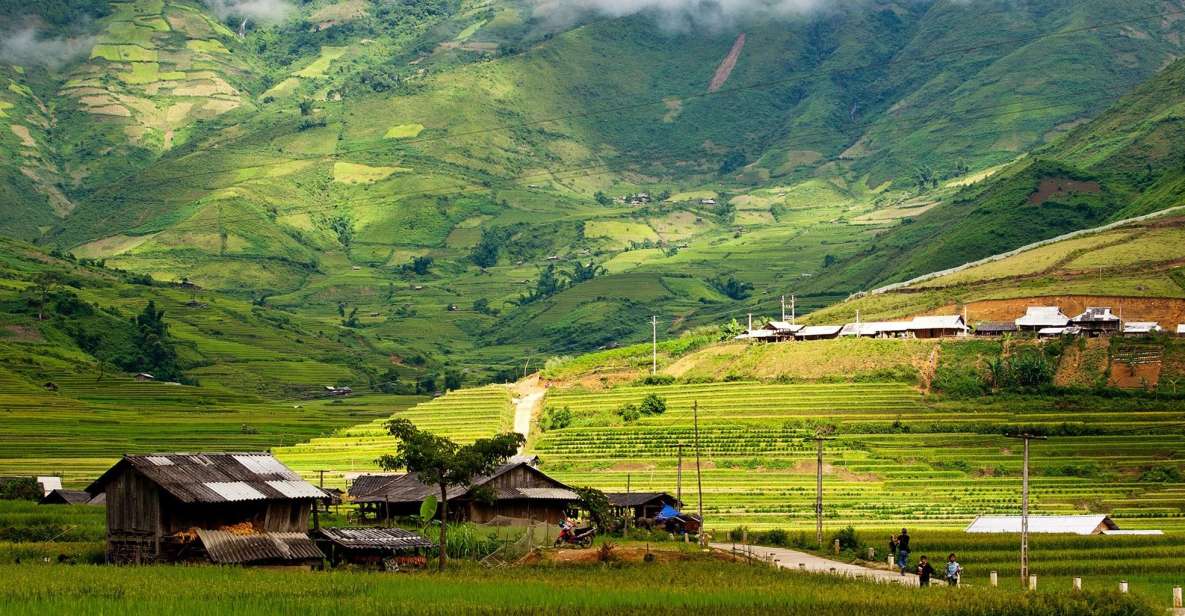
Sapa is famous for its scenery, but what makes this two-day version special is the rhythm. You get the early start, you spend serious time walking through rural areas, and you slow down enough to be part of an evening at a local home. That overnight piece changes everything—because you’re still there when the village quiets down and the family settles in.
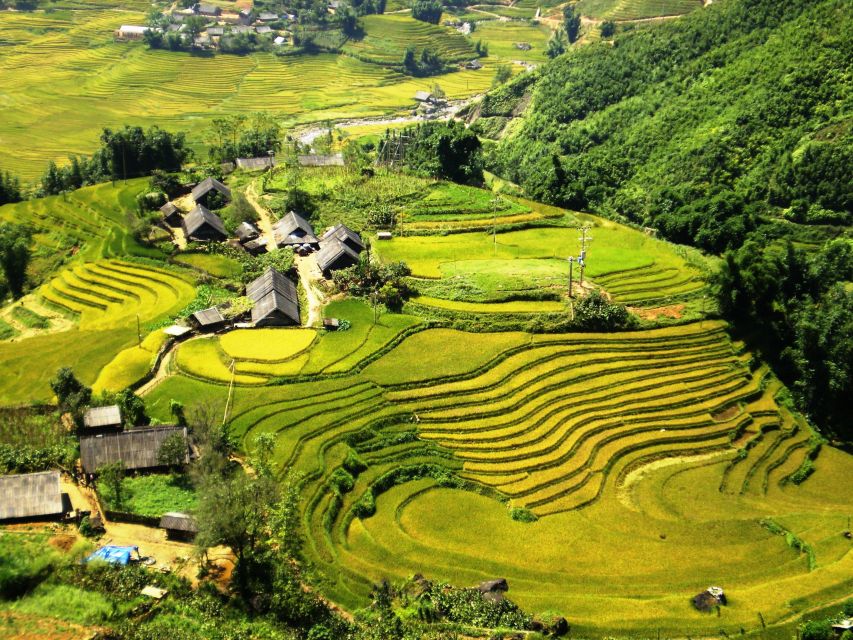
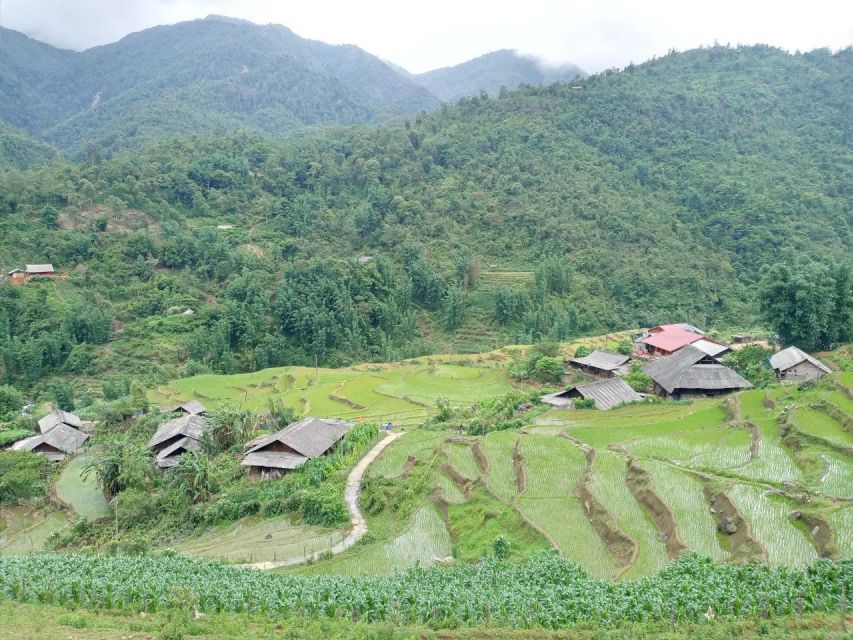
I also like how practical the experience is. You’re not stuck in a scripted routine the whole time. On day one, you hike through terraced rice, corn, and potato fields and pass through villages including Ylinh Ho, Lao Chai, and Ta Van. On day two, you’re offered a real choice: continue hiking to further villages or switch to the bamboo forest option, with a chance to try basic farming activities.
The value side is strong too. Your price covers more than just transportation. You’re getting a local guide, entrance fees, two guided hikes, a homestay, and meals (1 dinner, 2 lunches, 1 breakfast). That’s a lot of cost categories bundled into one ticket, which helps if you’d otherwise have to piece together bus rides, food, and guide time separately.
You can also read our reviews of more hiking tours in Hanoi

Getting from Hanoi: the sleeper-bus morning that sets the tone
Your day starts early. You’re picked up from Hanoi Old Quarter between 6:00 and 6:45 AM, then transferred by shuttle bus to an air-conditioned sleeper bus. The whole point of this timing is simple: you’ll spend more of your two days on the ground in the Sapa region and less time stuck in transit.
The drive includes scenic stretches and a few stops so you can stretch your legs. You’ll roll into Sapa town by late morning. From there, your local guide meets you and you head to lunch before the main hike.
One small planning note: you’ll want to treat the morning as part of the experience, not just the commute. Wear breathable layers, and bring a jacket. Even if it’s comfortable in Hanoi, mountain weather can shift. Also keep in mind you’ll be changing from bus-to-hike mode fairly quickly, so shoes and socks matter more than you might think.
Day 1: Sapa rice terraces, Lao Chai to Ta Van, and a waterfall pause
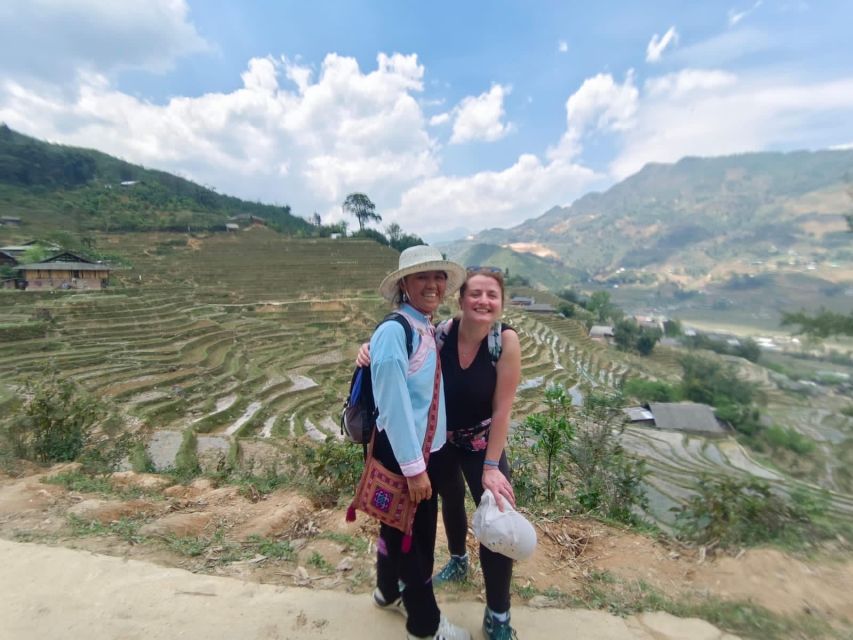
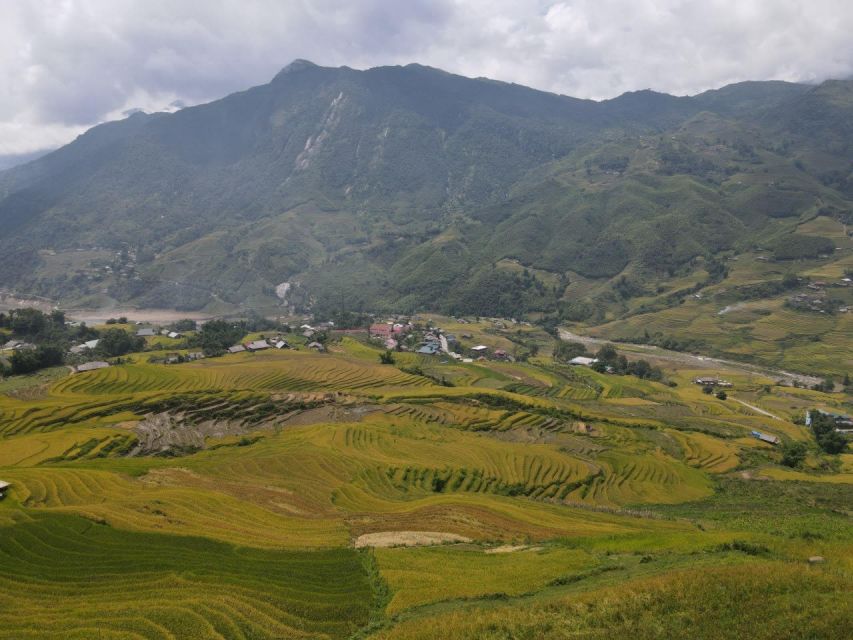
After lunch in Sapa town (around 12:30 to 13:00), you’ll start a guided trek of roughly 12 kilometers. The route takes you through terraced rice fields and also areas with corn and potatoes. You’ll pass rural villages such as Ylinh Ho, Lao Chai, and Ta Van.
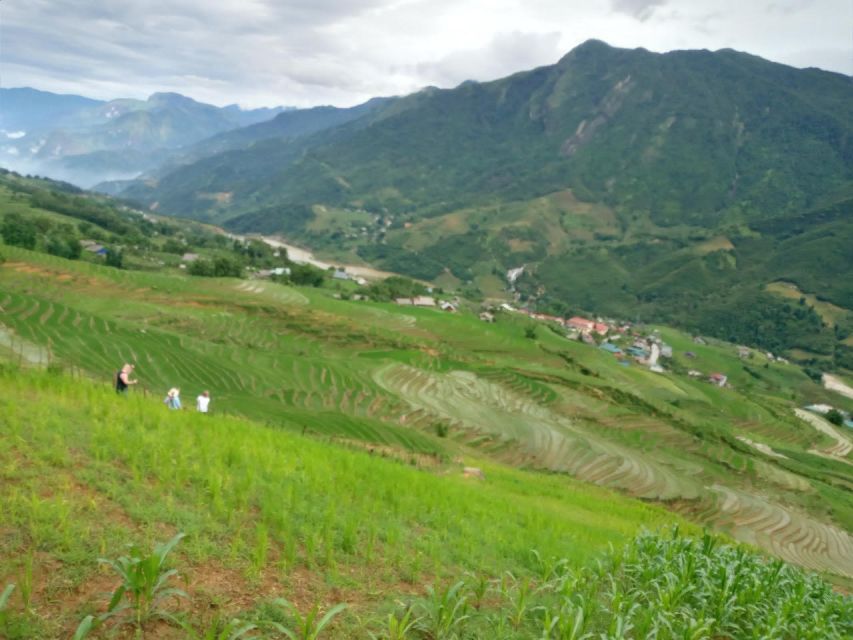
This is the kind of hike where you feel your legs, not just your eyes. The path can be slippery, and you’ll want proper trekking shoes. In plain terms: Sapa is often wet, and the trail can be muddy or clay-like. If you show up in lightweight casual sneakers, you’ll probably regret it once the trail gets damp.
Along the way, there’s a break at a waterfall. It’s not just for scenery; it’s also for your pacing. That pause gives you a chance to regroup, take photos, and reset before the rest of the walk.
You’ll finish day one at your guide’s house, then move into the homestay portion—where you’re welcomed like family. That matters because it frames the rest of your evening: this isn’t a hotel dinner after a day of sightseeing. It’s dinner as part of the household day.
Dinner and homestay reality: what it feels like to live the local routine
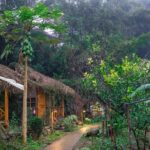
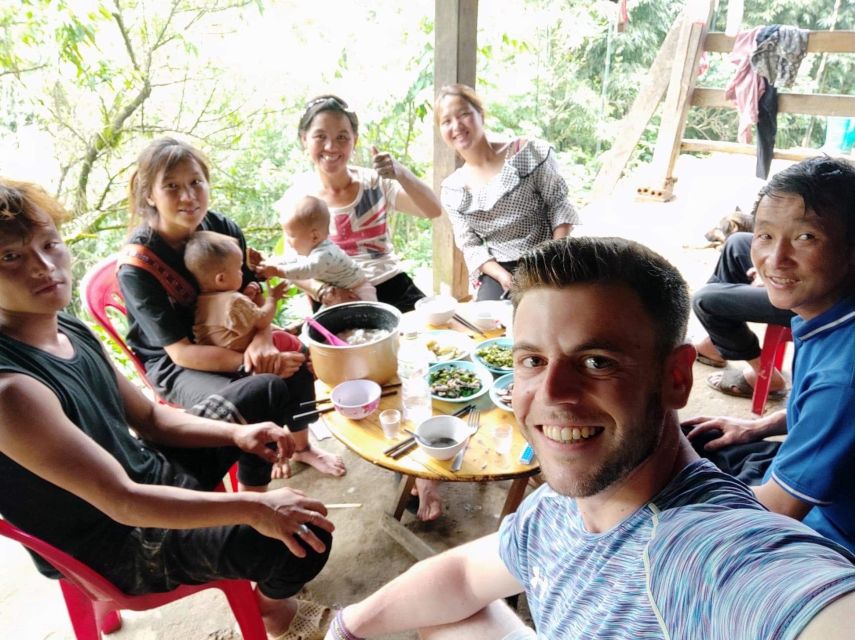
Once you arrive, you’ll get a true overnight experience. You can help the host cook dinner. The trip is described as having a farm-to-table element, and the homestay format is built around you eating what you helped prepare, not just watching someone else do it.
Meals are included: dinner on day one, plus lunches and breakfast later in the trip. Based on the experience style, expect hearty, home-cooked food rather than a fancy restaurant menu. You’ll also likely be sharing stories and talking with your host family as you eat.
There’s also a practical “know before you go” moment: the bathroom setup is shared, like locals do every day. That means plan for basic facilities rather than privacy and hotel-level comforts.
A couple more details are worth thinking about:
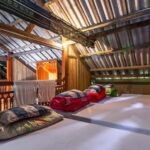
- This is overnight village life, so rooms are simple. Some guests note that beds can feel firmer than hotel standards.
- You’ll be tired from walking, so the best approach is to pack for comfort in layers and focus on sleep after dinner.
If your idea of a perfect night is a private bathroom and a room service menu, this won’t match. If you can accept simple comforts for a more real connection, it’s a big part of why people rave about this kind of Sapa trek.
Day 2: bamboo forest choice, breakfast with your host, and morning work
Day two starts early with breakfast cooking with your host. This part sounds small, but it’s one of the most meaningful “glue” moments of the trip. You’re already awake, you’re already in village rhythm, and you’re doing it together—so you’re not just checking out and rushing away.
Then you pick between two options:
- Hiking to further villages, where you may have a chance to try farming-related activities like harvesting, planting, or caring for plants.
- Taking a second hike to a bamboo forest.
Which option is better? If you want a more active day and enjoy meeting more people along the way, choose further villages. If you want a change of scenery and like the idea of a quieter trail through bamboo, pick the bamboo forest. Either way, you’re outdoors, so dress for weather and muddy ground.
After lunch at a local restaurant, you head back toward Sapa town by shuttle bus. Then you get free time to explore at your own pace—market browsing and just wandering around town.
You can also read our reviews of more tours and experiences in Hanoi
- Doris Cruise 5 star cruise 2 days visiting Halong Bay Lan Ha Bay private balcony
★ 5.0 · 2,338 reviews




Return to Hanoi: timing that matters for your evening plans
After your day-two lunch, you’ll return to Sapa town with some breathing room. The schedule gives you time to visit the local market and explore Sapa on your own.
Then the trip heads back to Hanoi by sleeper bus, with departure around 3:00 PM and arrival in Hanoi Old Quarter around 9:30 to 10:00 PM. That means the tour is best if you don’t plan anything major the following morning in Hanoi, unless you’re very comfortable with late-night arrivals.
What the included price really covers (and why it’s fair for $71)
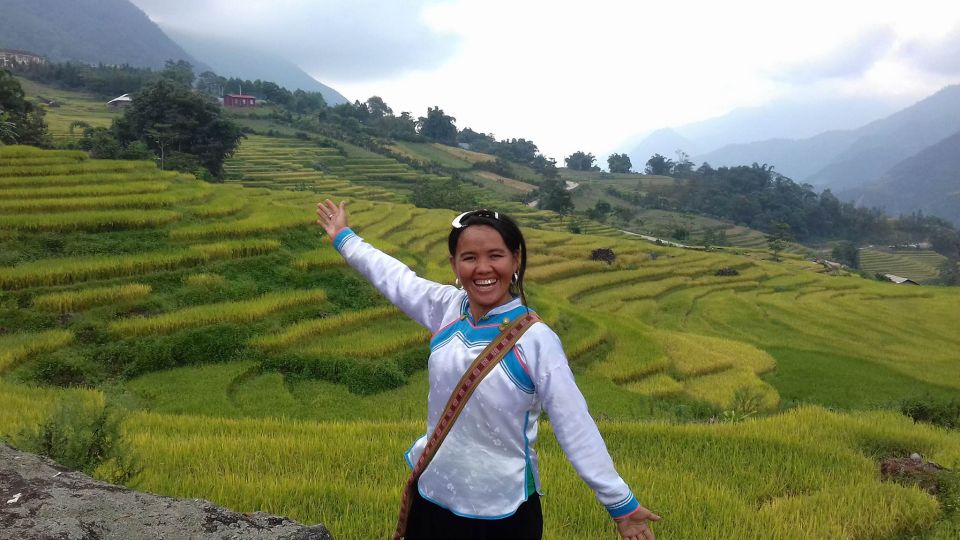
At $71 per person for a two-day experience, you’re paying for several different things at once:
- transport pickup and drop-off in Hanoi Old Quarter
- air-conditioned sleeper bus transportation
- a local guide
- entrance fee
- two guided hikes
- homestay accommodation
- cooking with your host
- 1 dinner, 2 lunches, 1 breakfast
If you were to book those pieces separately, the guide/homestay/meal portion alone would likely cost a lot more than the total listed price. The big reason this feels good value is that the trip isn’t just a hike—it’s food plus overnight village access. That’s usually the hardest part to DIY.
The flip side is that you’re paying for authenticity, not for polished comfort. You’ll trade hotel-style convenience for a more direct experience with daily life. If you can accept that trade, the price makes sense.
What to bring: the difference between fun hiking and miserable hiking
This trip gives you a clear packing direction. Bring:
- change of clothes
- water and extra drinks
- jacket and breathable clothing
- trekking or sports shoes with good grip
- clothes that can get dirty (you will be walking on uneven ground)
- a charged smartphone (useful for photos, route reminders, and communication)
- cash
- outdoor clothing
- a pen
If you want one practical rule: wear the grippiest shoes you own. The route can be slippery, and even one misstep on wet clay can turn a walk into a slow recovery.
Also bring layers. Mountain mornings and rain can cool you down fast, while midday hiking can warm you up. A jacket and breathable base layer help you stay comfortable without overheating.
Who should book this, and who should skip it
This experience is a great match if you:
- like walking in rural settings and don’t mind steep or uneven ground
- want an overnight homestay instead of a day-tour checklist
- enjoy cooking with a host family and learning cultural details in a casual, personal way
It’s not suitable if you have conditions listed by the operator, including:
- children under 8
- pregnant women
- people with back problems
- people with heart problems
- wheelchair users
- people over 220 lbs (100 kg)
- people over 70 years
So think of it as an active cultural hike with basic lodging, not a gentle stroll with a guaranteed smooth schedule.
Small cultural etiquette tips that make the trip smoother
One thing you should be ready for: on the trails, you may be approached by local villagers who walk with you for a bit and may expect you to buy small souvenirs at the end (like scarves or bracelets). You can handle this calmly with a simple strategy: politely decline if you’re not interested, and don’t feel pressured to negotiate in the moment.
Also keep your mindset flexible. If it rains, conditions can change quickly. The route may get more slippery, but the day usually still flows with your guide’s pacing and group support.
Should you book this Sapa homestay trek?
Book it if you want a real two-day experience where you sleep in a village home, hike through terraced fields, and eat meals connected to daily work—not just a convenient tourist dinner.
Skip it if you want hotel comfort, private bathroom standards, or flat walking. This trip rewards people who can handle muddy paths and simple lodging with a good attitude.
If you do book, I’d focus your prep on footwear and layers, and I’d go into it expecting a hands-on, community-centered overnight. That’s the whole point, and it’s what makes the trip feel worth the early morning and the leg work.
FAQ
How long is the trip?
It’s a 2-day trip with an overnight homestay. You’ll start from Hanoi in the morning and return to Hanoi late evening on day two.
What time do you pick up in Hanoi?
Pickup from Hanoi Old Quarter is between 6:00 and 6:45 AM, depending on your exact hotel location.
How do you get to Sapa from Hanoi?
You travel by air-conditioned sleeper bus after a shuttle pickup in Hanoi Old Quarter.
What meals are included?
You get 1 dinner, 2 lunches, and 1 breakfast during the trip.
Do I hike both days?
Yes. Day one is a guided trek through the rice-field villages. Day two includes a morning activity with a choice of hiking to further villages or hiking to a bamboo forest.
Is there an option besides the main day-two hike?
Yes. On day two, you can choose farming-related activities with locals or take a second hike to a bamboo forest.
What’s the homestay bathroom situation?
The bathroom is shared, in the style locals use every day.
What language will I be guided in?
The host or greeter is listed as English.
Is this trip okay for children or seniors?
It’s not suitable for children under 8 years or people over 70 years.
What should I bring for the trek?
Bring change of clothes, drinks and water, a jacket, breathable clothing, sports or trekking shoes, clothes that can get dirty, cash, a charged smartphone, outdoor clothing, and a pen.
You Might Also Enjoy



More 2-Day Experiences in Hanoi
- Doris Cruise 5 star cruise 2 days visiting Halong Bay Lan Ha Bay private balcony
★ 5.0 · 2,338 reviews