REVIEW · SAPA TREKKING TOURS
3 Days SAPA Real Experience at Local People House
Book on Viator →Operated by Vietnam Real Tour · Bookable on Viator
Winding paths beat tourist shortcuts. This small-group Sapa homestay experience pairs trekking with real meals and hands-on work with local families. I love how you actually cook with the hosts, and how the Ta Van village walk turns the day into something human, not scripted. The main catch is physical: the walking can be tough, and the tour isn’t recommended if you have mobility issues or are over 60.
You also get the practical stuff handled for you: bus transport from Hanoi, local English support in Sapa, and admission fees covered. Two nights in a family home means you’ll see daily rhythm up close—kitchen talk, field routines, and that calm-but-busy village pace. It’s a great value for what’s included, as long as you go in knowing you’ll earn your views with your own two feet.
In This Review
- Key takeaways before you go
- Why this Sapa stay feels real (not staged)
- Hanoi to Sapa by sleeper bus: the schedule reality
- Day 1 terraced fields and Ta Van Village: your first taste of village life
- Day 2 trekking to fields: learning how food actually grows
- Day 3 host-led breakfast and a final trek before the bus
- Meals included: what “local food” means here
- The people make it: guides and the homestay moms
- Price and value: does $98 make sense?
- Who should go, and who should skip this one
- Should you book this Sapa real village homestay?
- FAQ
- What time does the tour start in Hanoi?
- Is travel insurance included?
- What’s included in the $98 price?
- Do I get any downtime, or is it all trekking?
- Is it suitable for older travelers or people with mobility issues?
- Can I get a full refund if I cancel?
Key takeaways before you go
- Homestay nights with cooking: two nights living with local people, not just passing through
- Small group, big attention: maximum of 15 travelers means it stays personal
- Trekking is the core activity: including a 12km terraced-fields stretch on day 1
- Ta Van Village experience: time with minority community life in Sapa’s villages
- Meals are properly included: local breakfasts, lunches, and dinners during the stay
- Mama Zuzu and Mama Letti: reviewed as warm, kind hosts who make it feel authentic
Why this Sapa stay feels real (not staged)
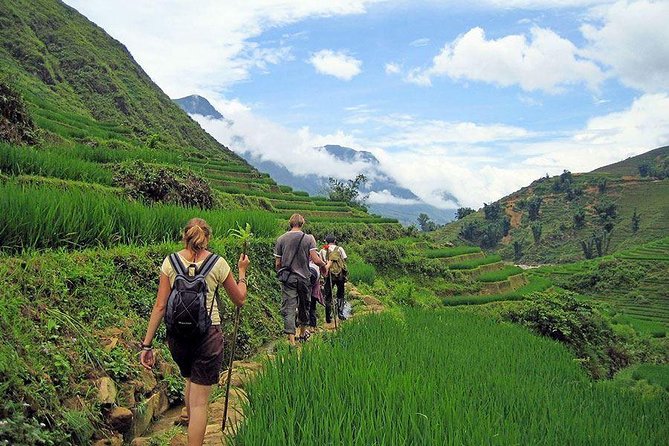
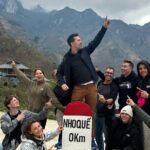
This isn’t a “check boxes and leave” Sapa trip. The heart of it is the family connection. You’re placed in a local people’s house for two nights, and you’re invited into the day-to-day: cooking with your hosts and joining field activities. That alone changes the mood. Instead of watching village life from a distance, you’re part of the work and the meals.
I also like that the experience is guided with care. You travel with a local English-speaking guide in Sapa, and the homestay team (including hosts like Mama Zuzu and Mama Letti) is described as genuinely kind and helpful. In practical terms, that means you’re more likely to understand what you’re seeing—rice routines, home life, and village customs—without feeling lost.
The downside? You should be ready for simple accommodations. Reviews describe the place as simple but warm and familiar—the kind of comfort you get from being hosted, not from a hotel setup. If you need polished comfort and zero dirt-floor surprises, this may not be your style.
You can also read our reviews of more tours and experiences in Hanoi


Hanoi to Sapa by sleeper bus: the schedule reality

Your day begins early. You’re asked to be in Hanoi at 6:30am at a meeting point in the Hoàn Kiếm area. The provided details list both 204 Trần Quang Khai as a pickup point and 166 Đ. Trần Khánh Dư as the start address. Do yourself a favor and double-check the exact pin in your confirmation message.
Then the trip rolls into a sleeper bus plan with the comfort basics covered: air-conditioning and a blanket. The tour includes return transportation (Hanoi → Sapa → Hanoi), so you’re not juggling additional transport tickets.
Two timing notes to keep in mind:
- On day 1, you don’t waste time once you reach Sapa—you head out for trekking after you meet the guide.
- On day 3, you’re back on the sleeper bus at 15:30 and arrive in Hanoi around 21:30.
This is the kind of trip where your first priority is conserving energy for the walking, not sleeping late.
Day 1 terraced fields and Ta Van Village: your first taste of village life
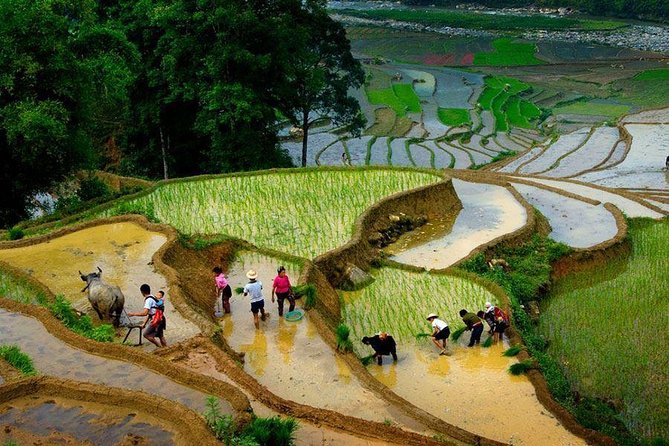
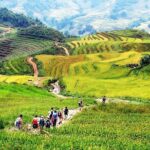
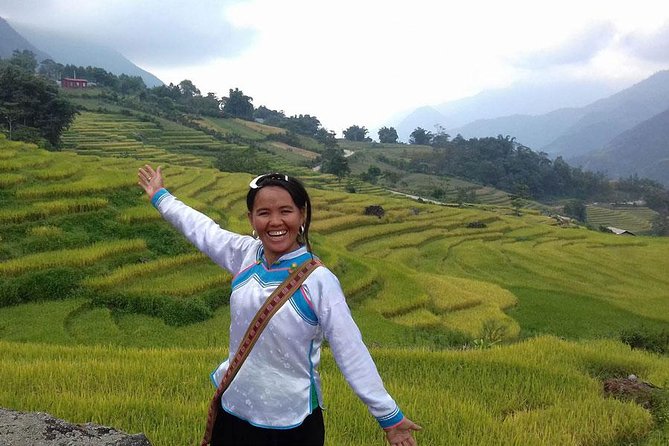
Day 1 has a strong “get moving” energy. After arriving in Sapa around midday, you start a trek through the area’s terraced fields to reach your homestay—about 12km is listed. That’s not a casual stroll. It’s the kind of trek where you’ll feel every step, especially if it’s wet or the ground is slippery. The good news is the terrain is part of the story. Terraces, footpaths, and village proximity make it feel like you’re walking through the landscape of farming.
Next comes Ta Van Village, where your trek and time together focuses on minority community life. This is where the trip starts to feel personal: simple houses, daily rhythms, and conversations that make the place more than a view. The experience is designed so you can “see and understand” the way people live—not just look at buildings.
A small-group format helps here. With a maximum of 15 travelers, the guide can pace things better and help everyone stay together when the path tightens.
Practical expectation: after a 12km trekking day, you’ll probably want to keep footwear comfy and your daypack simple. Bring a light layer for temperature changes, and plan to dry out a bit at the homestay (the rooms are described as simple).
Day 2 trekking to fields: learning how food actually grows
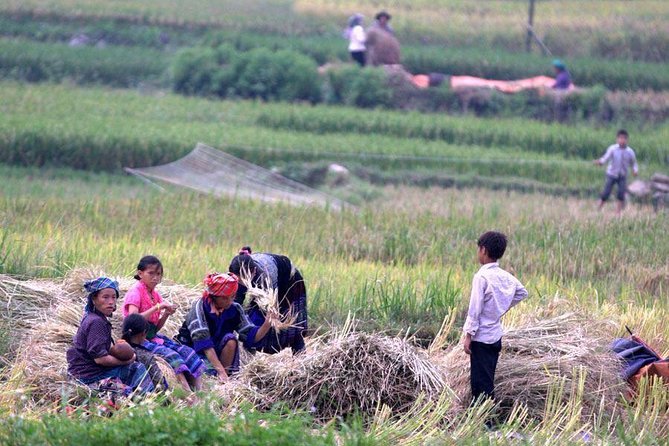
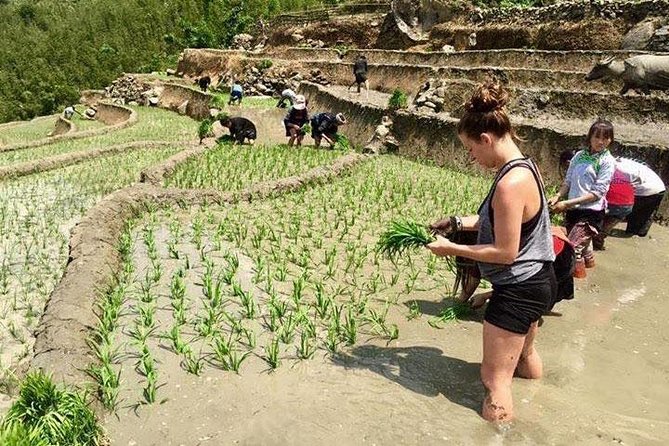
On day 2, after breakfast at the homestay, you head out again. The tour includes trekking to another village that’s farther from the homestay, with a focus on ethnic people working their fields. This is the day where the trip turns from sightseeing into agriculture reality.
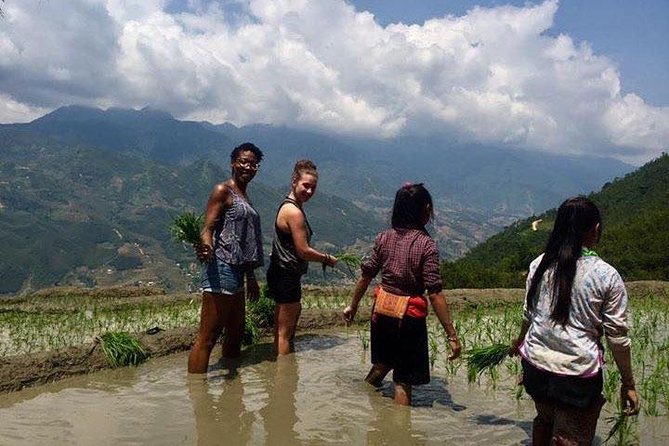
The experience is set up so you can learn how planting works—rice, potato, and other crops are specifically mentioned. That matters because it changes how you interpret the hills you walked on. Terraced fields aren’t just scenic; they’re a working system tied to seasons, labor, and family knowledge.
And yes, there’s a hands-on element. The tour description includes joining daily life on the fields, and the homestay setup supports that. Reviews that highlight the authenticity—learning history and lifestyles and eating together—fit well with this day’s focus.
Reality check: if you have any physical limitations, day 2 can be harder than you expect. The tour isn’t recommended for travelers with physical difficulties, and the general hiking tone is active. If weather is rough, trails can feel steeper and more slippery.
Day 3 host-led breakfast and a final trek before the bus
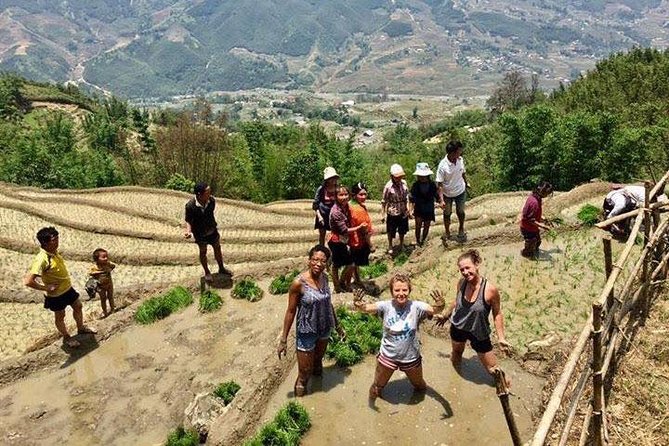
Day 3 starts early enough for you to see the homestay routine. You can wake up and watch how the host starts the day, then cook breakfast together. This is one of the most “only-in-Vietnam” moments in the whole experience: you’re not just eating local food; you’re helping make it.
Then you get options. The tour description says you can choose a trek to a further village and scenery through the bamboo forest (the details are partial, but bamboo-forest trekking is explicitly listed). Either way, the point is a final stretch of walking with better time to notice how people live along the routes between homes, fields, and viewpoints.
At 15:30, you board the sleeper bus back toward Hanoi. You’ll reach the Old Quarter area at about 21:30, which is late enough that plan for a low-energy evening when you get back. This is not the trip you tack onto another busy day in Hanoi.




Meals included: what “local food” means here
Meals are a big part of why this is good value. They’re included throughout in a clear pattern:
- Breakfast (2) at the local level
- Lunch (3) included
- Dinner (2) included with local food
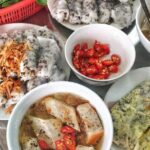
You’ll also cook with the hosts during your stay. That’s not just a gimmick. When you cook alongside someone, you learn what’s valued in their kitchen—ingredients, timing, and the comfort of routine. In reviews, the meals are repeatedly described as terrific, and the homestay families are credited with making it feel like you’re eating with friends.
The food is described as local, so don’t expect a menu of familiar, international choices. If you have allergies or a strict dietary need, the tour data doesn’t spell out special accommodations. In that case, your best move is to message the provider before booking and be very clear.
The people make it: guides and the homestay moms
The tour leans on relationships, and the reviews back that up strongly. Two names show up in a positive way: Mama Zuzu and Mama Letti. They’re described as very kind and sweet, with special thanks given to them in guest feedback. Reviews also note that Mama Zuzu’s family team felt completely authentic.
Your guide is described as local and English-speaking in Sapa. That language support matters more than you might think. On trekking days, you want real explanations, not just directions. With a local guide, you’re more likely to understand what you’re seeing—rice and field knowledge, village customs, and day-to-day life.
If you’re the type who asks lots of questions (or you wish you could ask but don’t know how), this format gives you chances to connect because you’re sharing time at meals and in the home environment.
Price and value: does $98 make sense?
At $98 per person, this trip can be a strong deal—if your priorities match the style. Here’s what’s bundled:
- Sleeper bus round-trip between Hanoi and Sapa
- Air-conditioned transport plus a blanket on the sleeper bus
- Two nights in a homestay
- Meals as listed (2 breakfasts, 3 lunches, 2 dinners)
- Entrance fees included
- Trekking time and photo time built in
- A local English-speaking guide in Sapa
- Activities like cooking with hosts and experiencing daily field life
Where the costs are not bundled:
- Travel insurance (recommended, not included)
- Visa for Vietnam
- Tips and personal expenses
- Any pickup/drop-off outside Hanoi Old Quarter (not included)
So the value question becomes: can you enjoy a walking-heavy, home-based stay? If yes, the price looks fair because you’re not paying separately for a guide, homestay nights, meals, and bus transport. If you need comfort-first tourism or you don’t do well with trekking, you may end up paying $98 for something that feels like work.
One more practical angle: it’s typically booked about 17 days in advance on average, which suggests it fills at least sometimes. If you’re traveling in peak season, booking earlier can give you more options.
Who should go, and who should skip this one
Best fit:
- You like walking and don’t mind rugged paths
- You want to meet families and eat together, not just see scenery
- You’re curious about daily rural life and farming systems
- You want a small group (max 15) where people can actually talk
Not ideal:
- The tour states it is not recommended for travelers over 60
- It also says it’s not recommended for anyone with physical difficulties
- If you dislike simple lodging or you need hotel-style amenities, you may feel disappointed
Also, weather affects trekking comfort. The trip includes trekking time and a long day of walking on day 1. If it’s raining, expect mud and longer-feeling routes.
Should you book this Sapa real village homestay?
I’d book it if your idea of Sapa is “help make lunch, walk through terraces, learn from real people,” not “take one quick photo and move on.” The combination of homestay living, included meals, and active trekking is exactly what makes the experience stand out in the strongest reviews.
Skip it if you want a low-effort nature trip, you have mobility concerns, or you’re uncomfortable with basic lodging. This one isn’t built for comfort and convenience first. It’s built for real connection and real walking.
If you’re somewhere in the middle—good health but you’re unsure about distance—ask the provider about pacing and alternatives. The data doesn’t spell out accessibility adaptations beyond the general recommendation, but guides and hosts can sometimes adjust how you do the walking. Still, don’t assume; confirm before you go.
FAQ
What time does the tour start in Hanoi?
The start time is listed as 6:30am. The meeting area is in Hoàn Kiếm, and the details show pickup at 204 Trần Quang Khai and a meeting address at 166 Đ. Trần Khánh Dư, so confirm the exact pickup pin in your confirmation.
Is travel insurance included?
No. Travel insurance is not included, and the tour highlights specifically tell you to make sure you get it before you go.
What’s included in the $98 price?
The price includes round-trip sleeper bus transport between Hanoi and Sapa, two nights in a homestay, meals (2 breakfasts, 3 lunches, 2 dinners), entrance fees, an English-speaking local guide in Sapa, and included trekking and activities like cooking with hosts.
Do I get any downtime, or is it all trekking?
It’s built around trekking time, but the schedule also includes photo taking time and time with hosts. Day 3 includes cooking breakfast together and options for a further trek, while the rest of the trip centers on village walks.
Is it suitable for older travelers or people with mobility issues?
The tour is not recommended for travelers over 60 and not recommended for those who have any physical difficulties.
Can I get a full refund if I cancel?
Yes. The tour offers free cancellation, with a full refund if you cancel up to 24 hours in advance of the experience start time.