REVIEW · HIKING & TREKKING
Hanoi – Sapa 3 Day 2 Night Trekking With Hotel & Homestay
Book on Viator →Operated by Sapa May Travel · Bookable on Viator
Sapa feels bigger when you hike into it. This 3-day, 2-night small-group trek pairs a local English guide with included hotel + homestay nights, plus hassle-free round-trip VIP cabin bus transfers from Hanoi. You get a tight route through Sapa’s best-known ethnic villages without the hassle of planning transport day by day.
One thing to think about: weather matters a lot for photos and views, and the homestay side can feel more basic than a standard hotel, including meals and facilities. If you’re expecting a polished, Western-style “stay with locals,” you may want to adjust your expectations.
In This Review
- Key Highlights You’ll Actually Feel on the Ground
- From Hanoi to Sapa by Sleeping Bus: Your First Win Is Less Planning
- Cat Cat Village With the H’Mong: A Classic Start, Done With a Guide
- Evening in Sapa Town: Stone Church, Night Market, and a Real Decompression
- Day 2 Morning: Y Linh Ho, Then the Trekline Through Terraced Country
- Ta Van Homestay Night: What the Term Homestay Means Here
- Day 3: The 8 km Trek to Giang Ta Chai and Supan Villages
- Getting Back to Hanoi: You’ll Sleep Again, and That’s the Point
- Price and Value: Why This Tour Often Costs More Than DIY
- Food, Cooking Class, and What to Expect From Meals
- What I’d Pack and How to Handle Mud, Cold, and Rain
- Who Should Book This Sapa Trek (and Who Might Not)
- Quick Decision: Should You Book This Sapa Trek?
- FAQ
- How long is the Hanoi–Sapa trekking tour?
- What does the price include?
- Where are the accommodations located?
- Is pickup provided in Hanoi?
- How big is the group?
- Is there trekking involved?
- Are drinks included with meals?
Key Highlights You’ll Actually Feel on the Ground
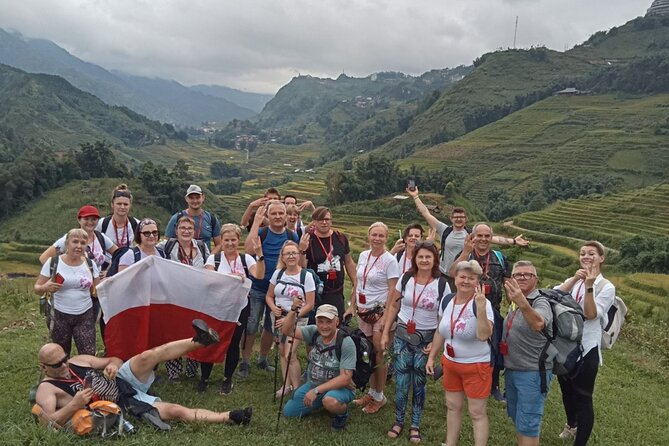
- Small group (max 15) with a local English-speaking guide, so your questions get answered fast.
- Two lodging styles: 1 night in town and 1 night in a private room homestay.
- Built-in pacing across Cat Cat, Lao Chai, Ta Van, Giang Ta Chai, and Su Pan, with multiple village stops.
- VIP cabin bus round trip from Hanoi, so you’re not stitching together rides on your own.
- Meals included (7 total), plus a cooking class that fits the culture theme.
From Hanoi to Sapa by Sleeping Bus: Your First Win Is Less Planning
This trip starts in Hanoi’s Old Quarter area with a small shuttle pickup in the early morning. You board a sleeping bus (described as a VIP cabin bus), then head toward Sapa with the goal of arriving early afternoon. That schedule is a big deal because it keeps you from wasting a full daylight day just getting there.
Once you arrive, you transfer by car to Sapa. From there, the day turns into a proper visit rather than a “just arrived, figure it out” situation. If you want Sapa to feel organized from the start, this format helps.
Packing tip: you’ll hike with a small bag and leave the rest of your larger luggage at the hotel (in the town portion). Bring a daypack that can handle rain, plus a small power bank for photos, because the trekking villages are phone-hungry.
You can also read our reviews of more evening experiences in Hanoi
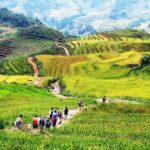


Cat Cat Village With the H’Mong: A Classic Start, Done With a Guide
Your first real village stop is Cat Cat Village, tied to the H’Mong community. You’ll go there mid-afternoon after settling into Sapa, and you’ll have a local guide leading the walk and explaining customs and daily life.
This part is worth it even if you’ve seen Cat Cat on social media. Having a guide matters because the value isn’t just the view—it’s understanding what you’re looking at: village habits, how people organize daily routines, and why some paths and layouts exist.
Expect a relaxed pace at the start of the trip. You’re building your bearings for Sapa while the light is still decent. Then the day flips into evening free time, which is one of the nicest touches here.
Evening in Sapa Town: Stone Church, Night Market, and a Real Decompression
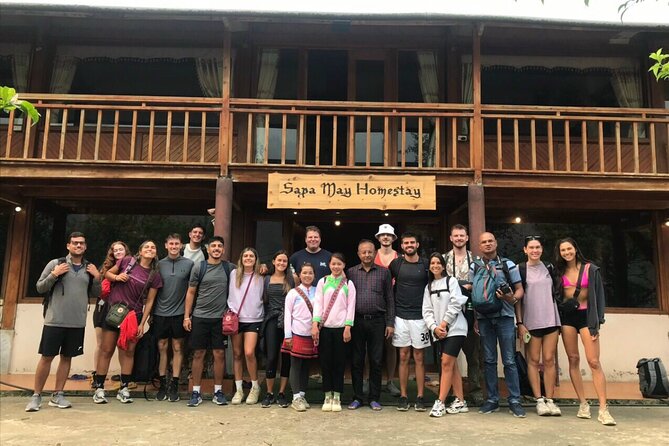
After dinner, you’re free to explore Sapa town on your own. The main suggestions included here are the stone church and the night market, where locals sell traditional items.
I like this kind of built-in free time because it gives you a buffer. After bus travel and village walking, you don’t want every minute scheduled tight. If you need to recharge, you can. If you feel social, you can wander.
If your goal is photos, the evening can be your best moment for color and energy. Even without perfect weather, the town streets and market lights still deliver.
Day 2 Morning: Y Linh Ho, Then the Trekline Through Terraced Country
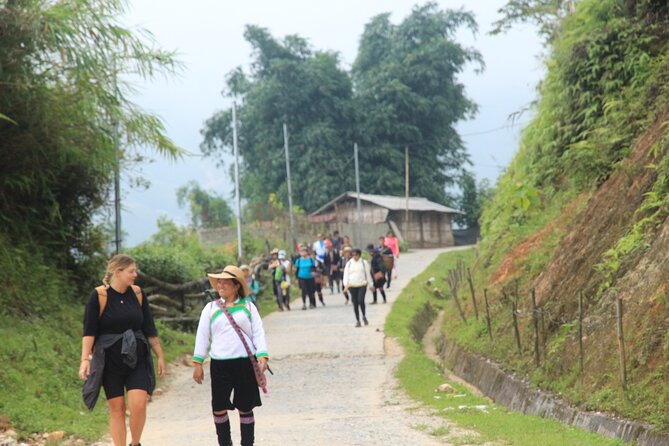
Day 2 starts with breakfast at the hotel restaurant. The timing is early enough that you’re not rushing later, and it’s also long enough to eat properly before hiking. Then you check out—leaving big luggage in a lounge area—so you can travel light.
The first named stop is Y Linh Ho. Even though it’s a short stop in the flow of the day, it acts like a warm-up and helps you get into the rhythm of Sapa walking: mountain air, stone steps, and the constant sense that you’re moving through different parts of one connected region.
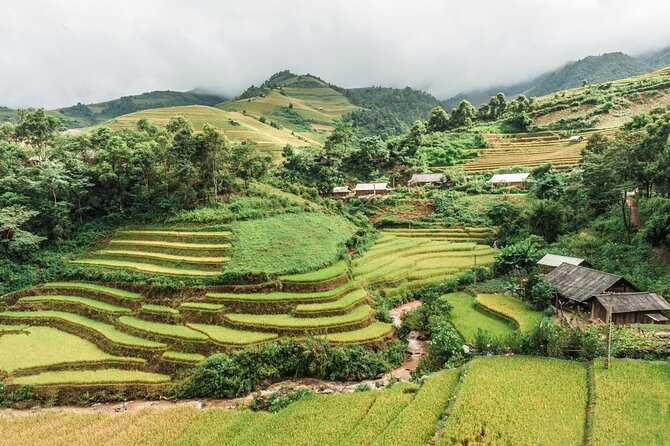
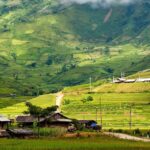
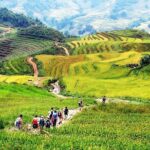
From there, you move toward Lao Chai, a village surrounded by terraced rice fields and positioned between the Hoàng Liên Sơn range and Hàm Rồng Mountain. This is the kind of spot where the scenery is the point, and the terrain is part of why it looks the way it does.
You then continue toward Ta Van Village. The route includes a walk along the Muong Hoa stream area (about another 2 km is mentioned), with mountains and forest views along the way. This is the day’s “slow moments” that make Sapa special, because you’re not just sightseeing—you’re walking through what makes the area work.
Ta Van Homestay Night: What the Term Homestay Means Here
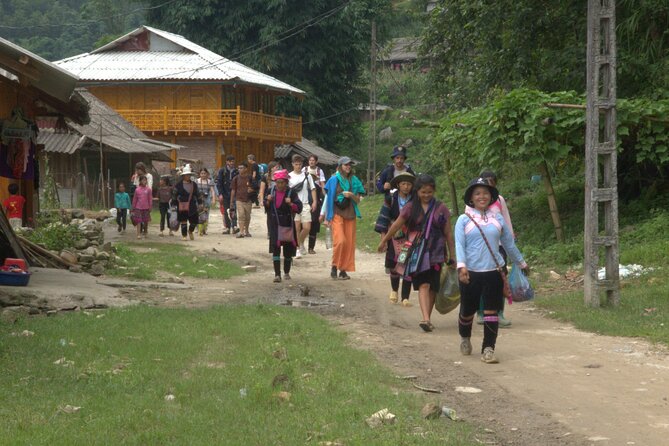
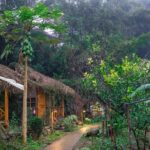
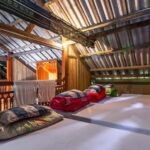
You reach Ta Van Village and have lunch at the homestay, then check in. After that, you’re in the homestay portion of the experience for the night in a private room.
Here’s the practical truth: this isn’t a strict, all-day family-with-you style home visit. It’s more like a lodge setup, and that’s an important expectation to set. The homestay experience is still cultural, but you may not get the same “live inside a home” feeling you might imagine from the word homestay.
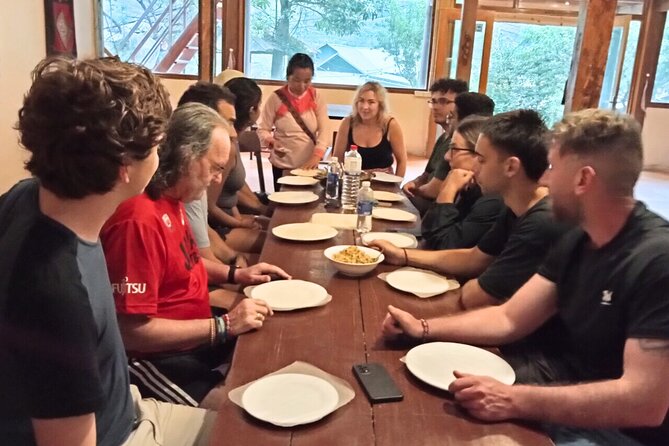
Food is included on both the hotel and homestay sides, but quality can vary. The hotel meals tend to be a safer bet, while homestay meals may be more basic. If you’re picky, bring an open mind rather than a strict checklist.
Facilities are also more modest than a city hotel. If toilets and cooling are a dealbreaker for you, read this as your heads-up: the homestay environment can be simpler, and that’s part of the tradeoff for being so close to village life.
You can also read our reviews of more hiking tours in Hanoi
Day 3: The 8 km Trek to Giang Ta Chai and Supan Villages
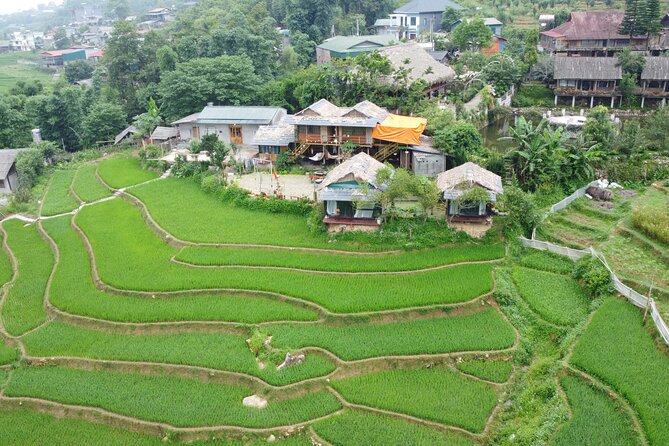
Day 3 morning starts with breakfast at the homestay, then check out. Then you begin the main trekking window: the route includes an 8 km trek to Giang Ta Chai Village and Su Pan Village.
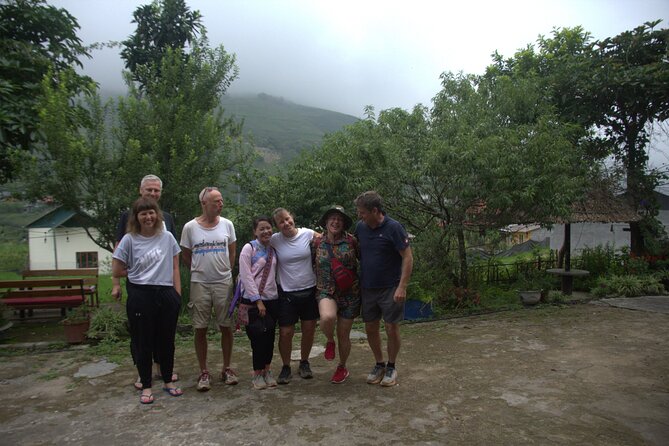
This is the heavier day. One traveler’s description put it at around 6 miles on day one and about 4 miles on day two, which gives you a sense of how the hiking tends to feel overall. Even if your exact mileage differs, you should treat day 3 as the day with the most walking time and the most focus on steady footing.
Giang Ta Chai is associated with the Red Dao community. Su Pan includes small villages of the Black H’Mong and Red Dao people, located on rocky slopes of Na Trong, with wide views over the area.
In other words: you’re getting a mix of community stops and terrain variety. The rocky slopes mean you should wear shoes with real grip, not just “city sneakers.” If you’ve got trekking poles, they can be a big help on uneven footing.
Lunch is at a local restaurant in Su Pan, then you head back toward Sapa town. You’ll have some time to reset before the return bus.
Getting Back to Hanoi: You’ll Sleep Again, and That’s the Point
After the trek and lunch, you transfer back to Sapa town (to Sapa Retreat Condotel is listed). There’s a little downtime included—time to rest, grab a quick foot massage if you want, and pick up souvenirs if you feel like it.
Then the day ends on the bus back to Hanoi. You’re scheduled for arrival in the Hanoi Old Quarter area around late evening, with drop-off at the old quarter area bus station. From there, you return to your hotel independently.
This “hike all day, sleep on the bus, arrive late” structure is common for Sapa trips. It’s tiring, but it also protects your daylight time for walking, not commuting.
Price and Value: Why This Tour Often Costs More Than DIY
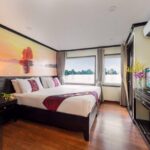
The price is $125 per person for 3 days and 2 nights, and it includes a lot of moving parts: round-trip VIP cabin buses, 1 night in a town center 3-star hotel, 1 night in a private room homestay, a local English guide, all entrance tickets listed in the program, meals (7 total), and a cooking class.
That bundled pricing is the value play. You pay for certainty: you don’t need to arrange transport, you don’t need to negotiate entrance tickets, and you don’t need to figure out which village routes are realistic given time. If you’re short on time or not confident planning in Vietnam, paying for a guided structure is often worth it.
At the same time, there’s a tradeoff. One traveler felt the organized tour cost more than what you might find by booking locally, and they also noted that some parts felt average on the homestay side. So it’s smart to treat this as a comfort-and-logistics package, not as a luxury experience.
If you like clear schedules and don’t want surprises, this package fits. If you’re trying to squeeze every dollar and you don’t mind DIY coordination, you might compare costs on the ground.
Food, Cooking Class, and What to Expect From Meals
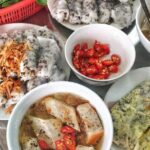
Meals are included: 2 breakfasts and 3 lunches and 2 dinners, totaling 7 meals. Drinks aren’t included, so plan to cover water and any soft drinks yourself.
The hotel meal quality is often easier to predict: one part of the experience you can rely on. The homestay meal side can be less consistent. If you get stomach sensitivity from unfamiliar food, it doesn’t mean you’ll have problems, but it does mean you should go in prepared rather than assuming every meal will match hotel standards.
A cooking class is also included. The key benefit isn’t just learning recipes—it’s connecting with how the local food culture works, and it gives you something concrete to do rather than only walking and taking photos.
What I’d Pack and How to Handle Mud, Cold, and Rain
Sapa can be cool, wet, and slippery, especially during rainy or cloudy conditions. One key review-style lesson here is simple: check the weather if you can. If it’s not sunny, you lose some photo potential, and the trekking surfaces can feel harsher.
Pack for rain and grip:
- Water-resistant jacket or poncho
- Shoes with traction
- Small day bag with a rain cover
- A dry layer for evenings
- Basic meds and blister care, just in case
Also, build a bit of patience into your day. The program includes several village segments and multiple transfers, and that kind of travel is smoother when you don’t try to rush the experience.
Who Should Book This Sapa Trek (and Who Might Not)
This tour suits you if you:
- want a local English guide to connect village life to what you’re seeing
- like a structured route with less planning stress
- are comfortable hiking with a few hours of walking and uneven ground
- want both hotel comfort and a real homestay night in the itinerary
It may not be ideal if you:
- want a high-comfort homestay experience with hotel-level facilities
- can’t handle slippery trails (you still can go, but you’ll need proper footwear)
- expect the views and photo angles to be guaranteed regardless of weather
Quick Decision: Should You Book This Sapa Trek?
If you want Sapa with clear logistics, a small-group feel, and built-in meals plus village context, I think this is a strong choice for most visitors. You’re paying for organization, transport, and guiding, and those pieces matter when you only have a few days.
But don’t treat the homestay like a polished hotel. Go with realistic expectations, bring good shoes, and check the weather before you lock it in. If you can do that, you’ll get the best of Sapa: village paths, mountain views when conditions cooperate, and a trip that feels like more than just a checklist.
FAQ
How long is the Hanoi–Sapa trekking tour?
It’s scheduled for 3 days (about 3 days total) with 2 nights of accommodation.
What does the price include?
The tour price includes round-trip VIP cabin bus transfers from Hanoi, 2-way transportation, 1 night in a 3-star hotel in Sapa town, 1 night in a private room at Ta Van Village, a local English guide, all entrance tickets, a cooking class, and a total of 7 meals (2 breakfasts, 3 lunches, and 2 dinners).
Where are the accommodations located?
You stay 1 night in a hotel in Sapa town (listed as Sapa Retreat Condotel) and 1 night in a private room at Ta Van Village.
Is pickup provided in Hanoi?
Yes. You’re picked up from hotels in Hanoi Old Quarter area for the early shuttle to the meeting point, then you join the sleeping bus.
How big is the group?
The tour lists a maximum of 15 travelers.
Is there trekking involved?
Yes. The itinerary includes hiking/tour walking across multiple village areas, including a morning trek segment that totals about 8 km on the third day.
Are drinks included with meals?
No. Drinks during meals are not included.