REVIEW · HA GIANG LOOP TOURS
Ha Giang Loop 3 Days from Hanoi by Ha Giang Expeditions
Book on Viator →Operated by Ha Giang Expeditions · Bookable on Viator
Ha Giang hits different in three days, and this loop strings it together with an easy driver approach plus small-group stops you don’t have to plan. I like how the route keeps you moving through the best scenery first, then slows down for culture and photo breaks. The one catch: some viewpoints and passes have extra fees, and the whole trip needs good weather to run smoothly.
The big win for me is the mix of big sights with human moments. You’re not just riding; there’s also a community angle built in, with a chance to help by teaching English to local children, plus practical sustainability touches like refillable water bottles and reusable raincoats.
If you’re sensitive to long road days and bumpy sections, keep that in mind. The driving is described as gentle and safe, but this is still mountainous riding, and the schedule is built around seeing a lot.
In This Review
- Key reasons this Ha Giang Loop works well
- Why this Ha Giang Loop feels easier than you expect from Hanoi
- Price and value: what $270 really covers on this 3-day loop
- Day 1: Quan Ba Heaven Gate viewpoints, Tham Ma Pass, Sa Phin’s Hmong Kings Palace, Dong Van Old Quarter
- Quan Ba Heaven Gate and the Twin Mountains viewpoint
- Yen Minh and Tham Ma Pass (UNESCO Dong Van Karst Plateau Geopark)
- Sa Phin’s Dinh Vua Meo: Hmong Kings Palace
- Dong Van Old Quarter and the French Fort viewpoint
- Day 2: Ma Pi Leng Pass ridge walk, Nho Que River boat, and Meo Vac market mornings
- Ma Pi Leng Pass: cliff road and ridge photos
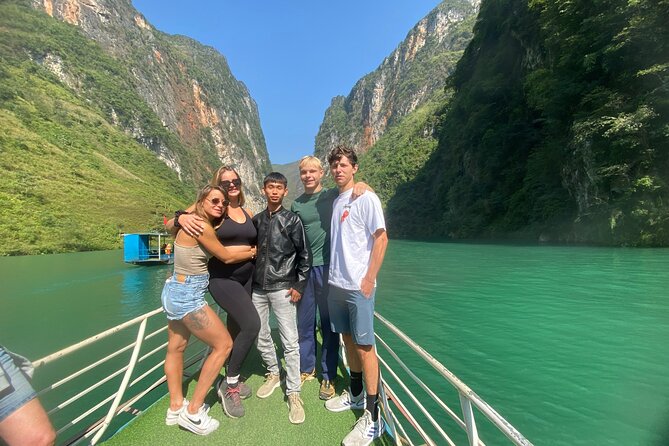
- Nho Que River: the one-hour boat trip
- Meo Vac market: a Sunday must if your dates match
- Day 3: Lung Ho commune and Lung Tam brocade weaving in Quan Ba district
- Lung Ho: commune life across 23 villages
- Lung Tam in Quan Ba: traditional Hmong brocade weaving
- Meals, raincoats, and the small comfort details that keep you moving
- Guides, timing, and why names like Phuong and Sinh keep showing up
- Who should book this 3-day Ha Giang Loop, and who should think twice
- Should you book Ha Giang Expeditions’ 3-day loop from Hanoi?
- FAQ
- How long is the Ha Giang Loop tour?
- Does the tour include pickup from Hanoi?
- What meals are included?
- Which activities have admission included versus not included?
- How big is the group?
- Is there a community component to the tour?
- What happens if the weather is poor?
Key reasons this Ha Giang Loop works well
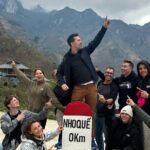
- Small group max 10: easier pacing, less chaos at stops
- Ma Pi Leng Pass + ridge walk: classic cliff views with a real walking stretch for photos
- Nho Que River boat trip included: you get time on the water, not just viewpoints
- Sa Phin and Dong Van culture stops: Hmong Kings Palace and Dong Van Old Quarter at a comfortable rhythm
- English lesson + sustainability: meaning and practical gear you’ll actually use
Why this Ha Giang Loop feels easier than you expect from Hanoi
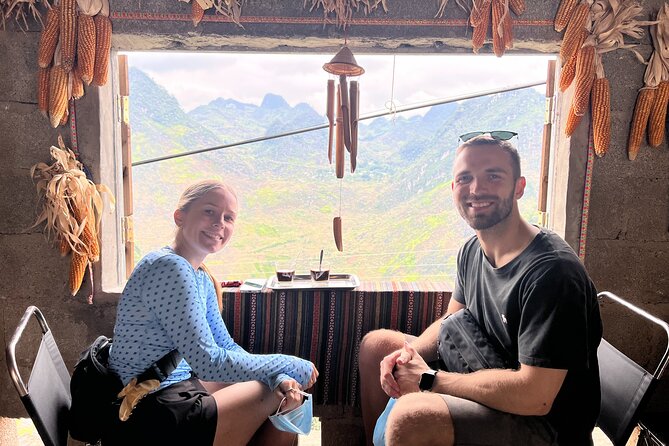
Let’s be honest: Ha Giang’s reputation can make it sound like a DIY-only mission. This option makes it feel more like a guided road trip through northern Vietnam’s dramatic limestone hills. You start from Hanoi with pickup offered, and you don’t have to wrestle with timing, route questions, or where to stop next.
A couple details matter more than they sound. First, the tour uses a mobile ticket, which makes it simple to check in without digging through paper. Second, the group stays small (up to 10 people). That changes the vibe at viewpoints and markets. You’re not stuck waiting behind a big crowd to take one photo and move on.
And then there are the drivers’ style and planning. The trip focuses on off-the-beaten-track routes, not just the same handful of pull-outs. In plain terms: you get classic Ha Giang scenes, plus those in-between stretches where the road bends and suddenly you’re looking at another layer of mountains.
You can also read our reviews of more tours and experiences in Hanoi


Price and value: what $270 really covers on this 3-day loop
$270 sounds like a lot until you match it with what’s included and what you’d otherwise pay for yourself. Here’s the value math that stood out to me:
- Meals are included: 3 breakfasts, 3 lunches, and 2 dinners. For a loop like this, that’s not just convenience—it’s time saved and less stress when you’re tired from the road.
- Key activities are included: the Hmong Kings Palace entry is included, and the one-hour boat trip on Nho Que River is included.
- Some stops are free anyway: places like Lung Ho and the Lung Tam craft village list admission free, which keeps costs predictable.
Not everything is fully covered. Some sights list admission as not included, like Quan Ba Heaven Gate and the Ma Pi Leng Pass viewpoint area. That’s a normal tradeoff for tours that include meals and major paid experiences. Still, it’s smart to budget a little extra for those day-of fees.
Also, the sustainability touches feel like more than a marketing line. Refillable water bottles reduce waste, and reusable raincoats can save your mood when the weather turns. On Ha Giang roads, comfort gear is value too.
Day 1: Quan Ba Heaven Gate viewpoints, Tham Ma Pass, Sa Phin’s Hmong Kings Palace, Dong Van Old Quarter
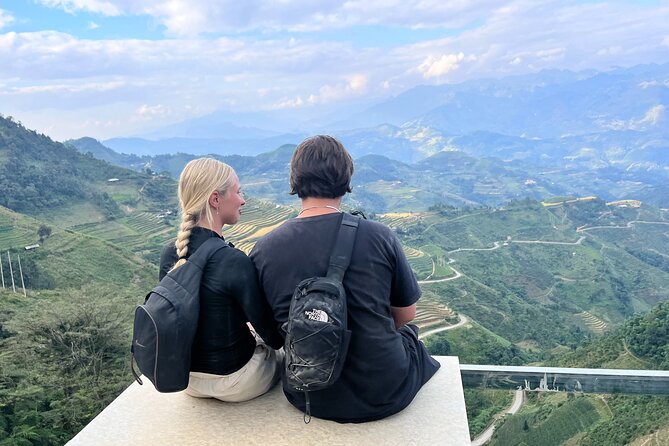
Day one is built to set the tone fast: mountains, passes, then culture that feels surprisingly grounded.
Quan Ba Heaven Gate and the Twin Mountains viewpoint
You start by heading out toward Quan Ba Pass, the kind of climb that makes you realize Ha Giang is not a flat “see it in a day” destination. At the top, you’ll stop at a small café for a drink and a bathroom break. The real reason for the stop is the view over Ha Giang’s mountain ridges.
Later, when you’re riding down toward Quan Ba town, you’ll pause halfway again at a parking area. It’s easy to miss if you’re not paying attention, but there are stairs up to a viewpoint with a look over the Twin Mountains (often called the Fairy Breast mountains). This is one of those moments where even people who claim they don’t care about scenic stops end up slowing down.
Timing note: the stop is about 30 minutes, and admission is listed as not included for this viewpoint.
Yen Minh and Tham Ma Pass (UNESCO Dong Van Karst Plateau Geopark)
From Yen Minh toward Sa Phin, you cross the Tham Ma Pass, which sits inside the UNESCO Dong Van Karst Plateau Geopark. The road winds up to a small parking spot where you can stop, take photos, and stretch for a bit.
This stop is short—about 30 minutes—but it’s a good payoff because Tham Ma Pass is the kind of viewpoint where one turn of the road changes everything. Admission is listed as free here.


Sa Phin’s Dinh Vua Meo: Hmong Kings Palace
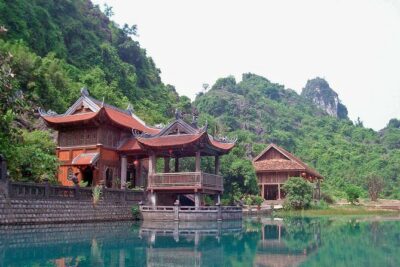
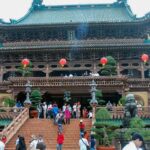
Then comes one of the most interesting cultural stops: the Hmong Kings Palace in Sa Phin, called Dinh Vua Meo. The building uses a Chinese architectural style, with materials like wood, stone, and terracotta tiles. It’s described as one of the oldest buildings in the region and was used to protect the Vuong family from attacks.
The history here isn’t sanitized. The Vuong family became rich through trading goods, especially opium. It’s not a modern story, but it’s part of why the site feels real instead of just decorative.
This stop runs about 1 hour, and entry is listed as included. If you like understanding what you’re looking at—rather than only taking pictures—this one is worth your full attention.
Dong Van Old Quarter and the French Fort viewpoint
By the end of day one, you reach Dong Van, one of the loop’s main towns. The Old Quarter area preserves older architecture, and in the evening it becomes the place to slow down—simple, cozy, and atmospheric.
Behind the Old Quarter, there’s an old French fort on a mountain. The practical value of this stop: it gives you an easy way to see how the town sits in the wider mountain bowl. Even if you only go for the view and not for a long walk, it helps you understand the geography you’ve been driving through.
Time on this part is listed as a long stretch—about 8 hours. Admission is listed as free.
Day 2: Ma Pi Leng Pass ridge walk, Nho Que River boat, and Meo Vac market mornings
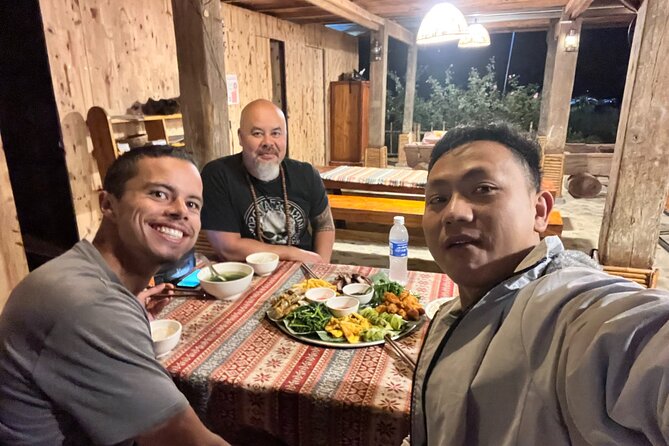
Day two is where the loop earns its fame.
Ma Pi Leng Pass: cliff road and ridge photos
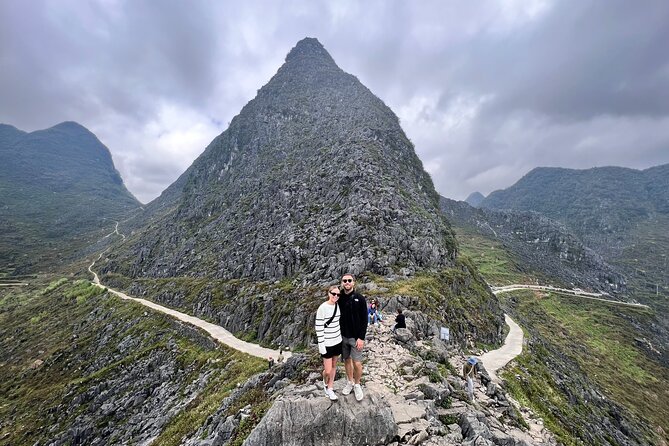
Between Dong Van and Meo Vac, you hit Ma Pi Leng Pass—often described as the most impressive segment of the entire road. The road is carved into the side of the mountain, with steep cliffs dropping down for hundreds of meters.
You park and take a walking path along the ridge to get photos. This is short but meaningful: it’s one of the few stretches where you’re not stuck behind a window of moving traffic. If you want a classic Ha Giang view but you also want movement that doesn’t eat the whole day, this is the sweet spot.
The stop is about 30 minutes, and admission is listed as not included.
Nho Que River: the one-hour boat trip
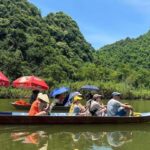
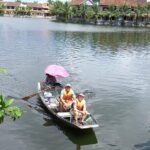
The view from Ma Pi Leng Pass includes the Nho Que River, but the tour doesn’t stop at looking. You go down to the river area where hidden roads take you close to the water, and then you get a one-hour boat trip among high cliffs.
This included boat time is a smart break from driving. You can sit. You can look at the rock walls from a different angle. And you get a slower rhythm, which makes day three feel easier.
Time listed: about 2 hours total, with the boat itself included.
Meo Vac market: a Sunday must if your dates match
Then you reach Meo Vac, and if you’re there on Sunday, you’ll catch the Meo Vac market—described as the biggest minority market in Ha Giang and one of the most impressive markets in Vietnam.
The market starts very early, then gets less busy around 11:00. There’s a livestock section where people bring animals not just to sell but to show them off. Outside, you’ll see stalls selling everything from local products to items as surprising as cell phones. There’s also an indoor food market area with fresh food and small fire-cooking stalls.
The stop here is about 30 minutes, admission listed as free. That means you’ll want to be intentional. Don’t try to do everything in half an hour. Pick what you’re curious about—livestock, textiles, or food—and spend your time there.
Day 3: Lung Ho commune and Lung Tam brocade weaving in Quan Ba district
Day three is lighter than day two, and that’s on purpose. Instead of chasing major passes, you focus on local life and traditional crafts.
Lung Ho: commune life across 23 villages
You head to Lung Ho, a commune in Yen Minh district. It covers about 54 km² and is divided into 23 villages. The attraction here is that it’s a living community space, not a single postcard viewpoint. It’s also described as popular with younger visitors who like exploration and challenge, which fits the feeling of these rural stops.
The time listed is 30 minutes, and admission is free. It’s the kind of stop where you get a taste of how people organize daily life across multiple villages.
Lung Tam in Quan Ba: traditional Hmong brocade weaving
Next is Lung Tam, described as a long-standing craft village of brocade weaving by the Hmong on the Dong Van plateau. It’s located in Quan Ba district.
The interesting part here is the weaving process itself. The tour highlights the unique feature of how the weaving is done, which matters because you’re not just buying finished items—you’re seeing the craft steps and how the community keeps the skill going.
Time listed: 30 minutes, admission free. If you want a meaningful souvenir, this kind of stop tends to produce better purchases than the mass-market stalls you find elsewhere.
Meals, raincoats, and the small comfort details that keep you moving
This tour includes breakfast (3), lunch (3), dinner (2), which is a big deal when you’re traveling through mountain roads where meal planning can turn into an accidental scavenger hunt.
Also, the tour provides refillable water bottles and reusable raincoats. That’s practical in northern Vietnam, where weather can flip quickly. Even when it isn’t raining hard, a light mist or sudden shower can wreck your plans if you’re unprepared.
And yes, there are bathroom stops built into the day. For example, Quan Ba Heaven Gate is described as a café stop mainly for a drink and toilet visit. Those little pauses add up. They prevent the day from feeling like nonstop motion.
Guides, timing, and why names like Phuong and Sinh keep showing up
The human side is a major part of why this loop gets such high marks. The guides named in the experience include people like Eagle and Ti, and also Sinh and Mua. On top of that, you’ll see Phoebe and Phuong connected to organization and support, plus other guide names such as Novang and Moa.
What these names have in common in the experience details: they focus on making sure you get to the right places at the right time, without making you feel rushed. Multiple guides are described as professional and friendly, and driving is repeatedly described as gentle and safe, even when the road is bumpy.
There’s also a support vibe beyond just the road. Staff availability is described as strong, with help available when you need to coordinate transfers. If you’re arriving from elsewhere and trying to connect Hanoi with Ha Giang (or even keep going to places after), that kind of help is worth its weight in the snack you forgot to pack.
Who should book this 3-day Ha Giang Loop, and who should think twice
This is a good fit if you want:
- A guided loop with a driver so you can focus on scenery and culture instead of route planning.
- Classic Ha Giang highlights like Ma Pi Leng Pass and Nho Que River, plus culture stops like Sa Phin and Dong Van Old Quarter.
- Small-group energy (max 10) for a calmer day.
- Included meals and a structure that keeps you from wasting hours deciding where to eat.
Think twice if:
- You’re the type who wants total freedom and zero schedule. This is a tour with set stops and set rhythms.
- You’re very worried about weather. The tour requires good weather, and if conditions are poor, you’ll need a different date or a refund.
- You prefer a trip with fewer driving hours. Even with gentle driving, this loop is still active and road-heavy.
Should you book Ha Giang Expeditions’ 3-day loop from Hanoi?
I’d book it if you want Ha Giang to feel organized but not sterile. The combination of included meals, a small group, and major stops like Ma Pi Leng and the Nho Que boat makes the price feel fair. Add in the culture touches—Hmong Kings Palace, Dong Van Old Quarter, and the brocade weaving in Lung Tam—and you get more than just “pretty roads.”
My only hesitation would be weather and the extra admission items at a couple viewpoints. If you’re flexible with dates and you don’t mind a short walking bit along ridges and stairs, this is the kind of loop that leaves you with real memories instead of a tired checklist.
FAQ
How long is the Ha Giang Loop tour?
The tour runs for about 3 days.
Does the tour include pickup from Hanoi?
Pickup is offered, and the tour is listed as near public transportation.
What meals are included?
Breakfast is included for 3 days, lunch for 3 days, and dinner for 2 days.
Which activities have admission included versus not included?
Entry to Dinh Vua Meo (Hmong Kings Palace) is included, and the Nho Que River boat trip is included. Admission for Quan Ba Heaven Gate and the Ma Pi Leng Pass viewpoint area is listed as not included.
How big is the group?
The tour has a maximum of 10 travelers.
Is there a community component to the tour?
The overview states that you contribute to the community by teaching English to local children.
What happens if the weather is poor?
The experience requires good weather. If it’s canceled due to poor weather, you’ll be offered a different date or a full refund.
If you want, tell me your travel month and whether you’re riding a motorbike or would rather not. I’ll help you judge whether this timing fits the Ha Giang weather pattern and what to pack for the road days.