REVIEW · COOKING CLASSES
Hanoi Cooking Class: Culture, Local Market & Meaning CSR Impact
Book on Viator →Operated by Rose Kitchen Cooking Class · Bookable on Viator
Four and a half hours, and you leave set for dinner. I like the market-to-kitchen flow, especially the way guides such as Maxie and Simon explain ingredients and local shopping habits. I also like that you sit down for a full lunch or dinner you help make. One thing to plan for: the experience can run a bit shorter or longer than the stated 4.5 hours depending on the guide and the group pace.
This is also a class with a purpose, run by Rose Kitchen with ongoing CSR projects behind the scenes. Your participation helps fund monthly charity meals for cancer patients, education programs for disadvantaged children in remote regions, and sustainable employment for ethnic minority women who work as butlers. The setup feels practical and friendly, but if you’re picky about kitchen hygiene details, it’s worth asking what their current checks are and how they handle food prep standards.
In This Review
- Key things I’d pay attention to
- Why a Hanoi market first makes the cooking class click
- Old Quarter pickup and the pace of a 4.5-hour class
- The market walk: what you’re really learning when you shop
- In the garden villa kitchen: learning by doing
- What you eat, from spring rolls to fruit wine
- The CSR impact: eating well and funding real help
- What’s the one downside? Plan for variability and ask about hygiene
- Pricing and value: why $39 can feel like a bargain
- Who this class is best for
- Practical tips to make your day smoother
- Should you book Rose Kitchen in Hanoi?
- FAQ
- How long is the Hanoi cooking class?
- Do I get hotel pickup and drop-off?
- Is there a market visit?
- What dishes will I cook?
- Is a vegetarian option available?
- What food and drinks are included?
- Does the class run in bad weather?
Key things I’d pay attention to
- Old Quarter pickup and drop-off so you don’t spend your best food hours wrangling taxis
- Market walk with ingredient context, not just a quick photo stop
- A garden-villa cooking space that’s air-conditioned and geared for step-by-step instruction
- A full meal plus fruit afterward, so you’re not doing this hungry or trying to find dinner later
- Fruit wine tasting that adds a fun local touch beyond the dishes
- Clear CSR tie-in, including cancer patients, remote-region education, and ethnic minority employment
Why a Hanoi market first makes the cooking class click

In Hanoi, food isn’t a mystery box. It’s built from a few core flavors and a lot of fresh, seasonal decisions, and that’s why starting with the market matters.
The market portion is where you learn to look for the raw materials behind the menu. You get guided through seasonal ingredients, what people buy day to day, and how herbs and produce actually function in Vietnamese dishes. That turns cooking from recipe-reading into understanding, which is what helps you reproduce food at home instead of just remembering a taste.
I also appreciate that the class uses an English-speaking local guide and cultural storyteller, which makes the market feel like part of the culture lesson instead of a stop you power through. If you enjoy asking questions about ingredients, this structure gives you a natural time to do it.
You can also read our reviews of more shopping tours in Hanoi
Old Quarter pickup and the pace of a 4.5-hour class
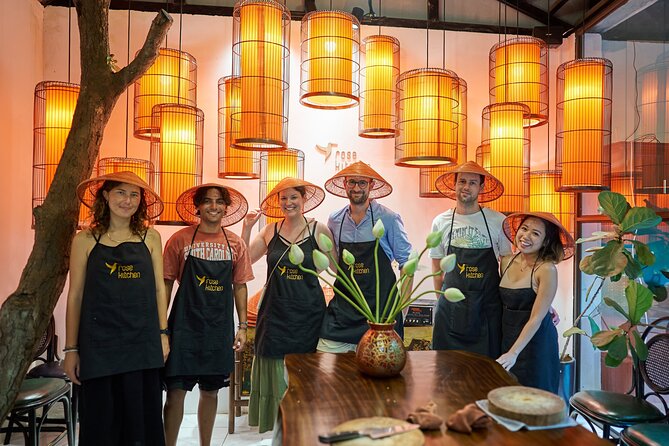
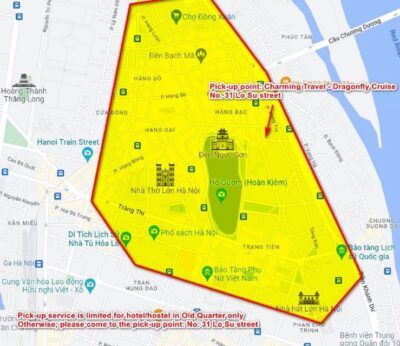
The timing is set up to be easy. You get hotel pickup and drop-off within Hanoi’s Old Quarter, plus an on-site host to keep things comfortable from start to finish.
In practice, you should plan the full half-day block. Even though the tour is listed as about 4 hours 30 minutes, the pace can shift depending on the group and the flow between market shopping and cooking. If you have a tight itinerary afterward, I’d keep a buffer. This is one of those activities where you’ll probably want to stay put until you’ve eaten, not rush off to another plan.
During the session, you’re also not stuck guessing what to drink. Mineral water is included throughout, and you’ll start with a welcome herbal tea on arrival. Those small touches matter when you’re walking through a market and then working with herbs and spices.
The market walk: what you’re really learning when you shop
The market part is the heart of the experience, because it changes the way you cook later.
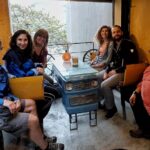
You’ll pick out ingredients based on what the recipe needs, and the guide explains why certain items show up in certain dishes. Expect talk about fruits, vegetables, meats (when the menu includes them), and the seasonal logic behind what’s available. One review example named a wet market-style experience led by Simon, with the guide adjusting the flow based on the group, which is exactly what you want in a real-world market setting.
Also, don’t underestimate the value of learning how locals shop. Vietnamese cooking isn’t only about techniques. It’s about freshness, texture, and using ingredients at the moment they’re at their best. When you see that shopping mindset in action, the kitchen instructions land better.
Tip: wear closed shoes and keep your camera strap short. Market surfaces can be uneven, and you’ll likely be walking and standing while ingredients are discussed.
In the garden villa kitchen: learning by doing
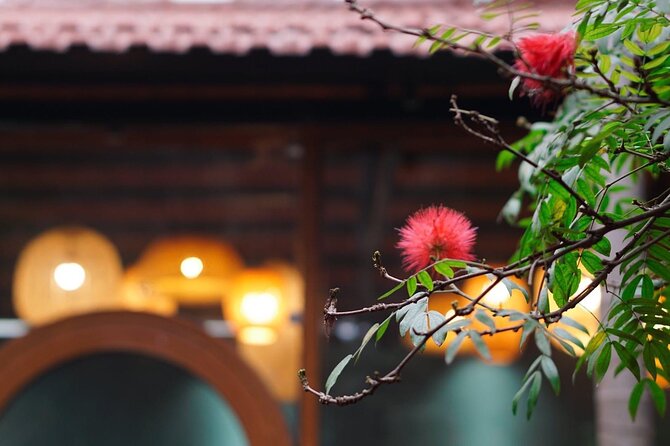
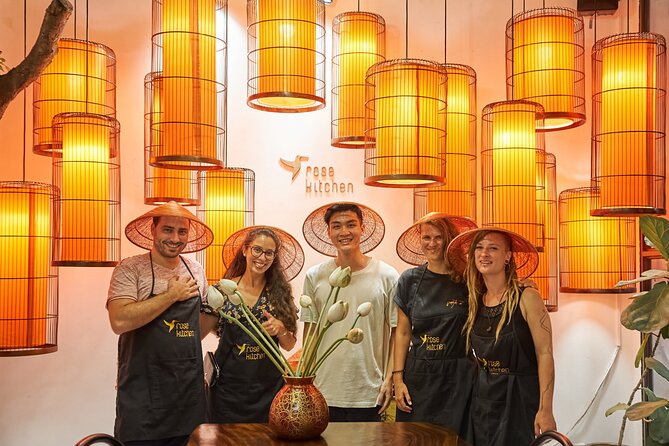
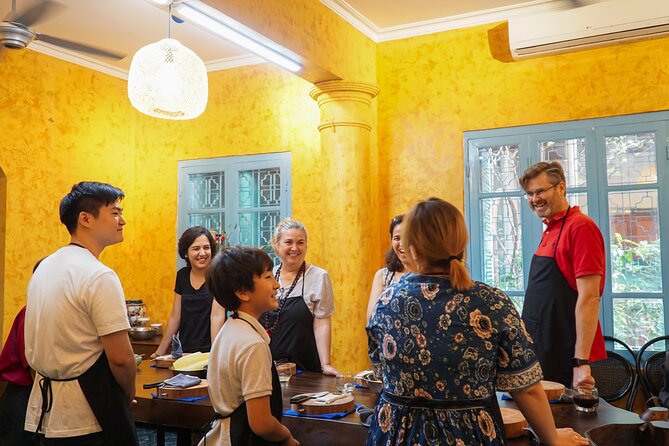
Back at Rose Kitchen, you move from watching to doing. The cooking space is described as air-conditioned and set up for a comfortable group meal, and the whole session feels like it’s designed around step-by-step participation.
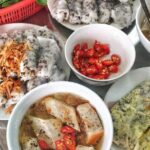
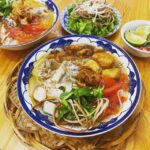
This is where the class gets practical. You’re provided all cooking equipment and utensils, and you’re guided to prepare signature Vietnamese dishes. The overview mentions spring rolls, stir-fried vegetables, and traditional noodles as examples, and real menu combinations often include items like bun cha, mango salad, and fresh summer rolls.
What I like about the instruction style is the emphasis on process, not just plating. Reviews mention chefs and hosts like Aroma and Alex/Trung giving clear directions, with people feeling confident and involved throughout. That’s important if you’re a beginner. The goal isn’t to make you a pro on day one. The goal is to give you skills you can repeat.
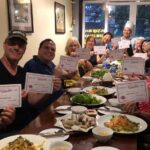
You also get a full lunch or dinner depending on whether you book the morning or afternoon session. After cooking, you’ll taste what you made, then you’ll get fresh seasonal fruits afterward. That means the class isn’t an extended demo. It’s a full food experience.
What you eat, from spring rolls to fruit wine
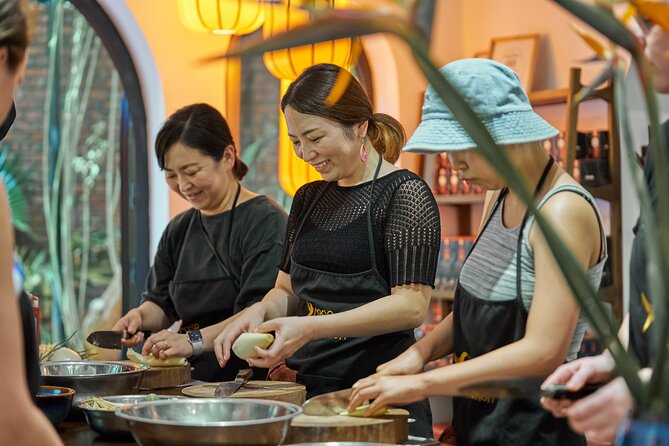
The menu is Vietnamese, but it’s not one-size-fits-all. It’s based on what you’re cooking for the session, and dishes can vary by class selection.
From the overview and the dish examples in the material, you should expect a mix of classics that teach different skills:
- Fresh rolls and spring rolls, which train handling, wrapping, and balance of fillings
- Stir-fries and noodle dishes, which teach timing and seasoning
- A salad course such as mango salad, which highlights acid-sweet flavor balance and herb use
You’ll also have a complimentary tasting of Rose Kitchen’s signature homemade fruit wine. For many people, that’s the most memorable “extra” item because it sits outside the normal cookie-cutter cooking class format.
One more small value point: you get a digital guidebook for must-try eats and favorite hangouts. That’s not cooking-instruction, but it helps you keep the food momentum going after the class.
You can also read our reviews of more tours and experiences in Hanoi

The CSR impact: eating well and funding real help
This is the part I think most readers will either love or ignore, and Rose Kitchen is trying very hard to make it impossible to ignore.
Rose Kitchen says its experience supports ongoing CSR projects:
- Monthly charity meals for cancer patients
- Educational programs for disadvantaged children in remote regions
- Sustainable employment for ethnic minority women who serve as butlers
That matters because it connects what you do—paying for a cooking class—to a defined, ongoing set of programs rather than a one-time donation. I also like that it’s framed around local employment. Even if you don’t care about the program details, knowing that income supports women working as part of the hospitality team gives the class more weight than a standard tour.
If CSR is a priority for you, this kind of “show up and support” model is one of the simplest ways to do it while traveling.
What’s the one downside? Plan for variability and ask about hygiene

This experience is highly rated, but no tour is perfect.
One concern that appears in the provided info is a serious hygiene-related complaint, including issues raised about hot water availability for washing hands, an unexpected hair found in raw pork, and cookware condition. The operator responded with an apology and stated they took corrective steps—reminding the team to inspect ingredients more carefully and strengthening hygiene checks. They also offered a full refund and a complimentary Coffee Workshop as goodwill in that situation.
You don’t need to panic, but you should treat food hygiene as a fair question. If you’re sensitive to that kind of issue, ask what hygiene checks are in place and whether cookware is inspected before use. A quick, polite question ahead of time can make you feel a lot more comfortable.
Also consider timing variability. Even when the class is listed at 4 hours 30 minutes, the actual length may shift. If your afternoon or evening schedule is tight, build in slack.
Pricing and value: why $39 can feel like a bargain

$39 sounds simple, but value here comes from what you get bundled together.
You’re not just paying for recipes. You’re paying for:
- Hotel pickup and drop-off within Hanoi’s Old Quarter
- Market shopping time with a guide and cultural storytelling
- Cooking space with tools and utensils
- Unlimited mineral water and an herbal welcome drink
- A full lunch or dinner plus fruit afterward
- Fruit wine tasting
- A digital certificate (available on request) and a digital guidebook
That bundle is where the math works. If you were to do market shopping and then hire a private cooking instructor, you’d quickly pay more for less structure. Here, you also get the cultural explanation that makes it easier to repeat the food at home.
If you want extra flexibility, vegetarian options are available, and the operator notes that you can request dietary needs at booking.
Who this class is best for
This works well for:
- Food lovers who want Vietnam’s flavors explained through ingredients, not just steps
- First-timers in Hanoi who want a guided way to access local market life without getting lost
- Families who like a cozy garden-villa setting; one review mentions a chef-host who was attentive to a 3.5-year-old during prep
It’s also a good fit for couples and solo travelers because the setup is built around group participation. You’ll cook together, eat together, and leave with enough know-how to try again at home.
If you want more control over the pace or menu, the overview mentions you can upgrade to a private class. That’s especially useful if you travel with dietary restrictions and want more direct attention.
Practical tips to make your day smoother
A few small moves can make a big difference.
Bring a light layer. Even with air-conditioning in the kitchen, mornings and market time can feel warmer or cooler than you expect.
Don’t overpack your schedule. Eat this class like it’s your main meal plan. You’ll likely come out full after the full meal and fruit.
If you’re vegetarian or have dietary needs, tell them at booking. The operator explicitly invites you to advise dietary requirements, and they note vegetarian options are available.
Plan for weather. The information says the class operates in all weather conditions, but the experience also notes that if poor weather forces cancellation, you’ll be offered a different date or a full refund. In other words: they’ll usually go on, but there’s a safety-and-comfort threshold.
Should you book Rose Kitchen in Hanoi?
Book it if you want a practical way to learn Vietnamese cooking with real market context, not just a cooking demo. The value is strong at $39 when you factor in pickup, the full meal, drinks, fruit wine tasting, and the digital guidebook.
Skip it or ask extra questions if you’re very concerned about kitchen hygiene details. The material includes a rare complaint and a serious response from the operator, so it’s reasonable to ask what checks are in place before you go—especially if you’re food-sensitive.
If you’re in Hanoi for a few days and you want one activity that pays off beyond the meal, this is a solid bet.
FAQ
How long is the Hanoi cooking class?
The class runs about 4 hours 30 minutes.
Do I get hotel pickup and drop-off?
Yes. Pickup and drop-off are included within Hanoi’s Old Quarter.
Is there a market visit?
Yes. You’ll start with a market walk to explore seasonal ingredients before cooking.
What dishes will I cook?
You’ll learn signature Vietnamese dishes such as spring rolls, stir-fried vegetables, and traditional noodles, and the session includes cooking Vietnamese specialties. Specific combinations can vary by session.
Is a vegetarian option available?
Yes. Vegetarian options are available, and you should advise any dietary requirements at the time of booking.
What food and drinks are included?
You get a full Vietnamese lunch or dinner (depending on the session), unlimited free mineral water, a welcome herbal tea, fruit after the meal, and a complimentary tasting of the signature homemade fruit wine.
Does the class run in bad weather?
It operates in all weather conditions, but if the experience is canceled due to poor weather, you’ll be offered a different date or a full refund.