REVIEW · COOKING CLASSES
Hanoi Maya Kitchen: Traditional Cooking Class & Market Tour
Book on Viator →Operated by Crossing Vietnam Tour · Bookable on Viator
If you want real Hanoi flavor, start at the market. This hands-on class takes you from shopping for ingredients in a local market to cooking four Vietnamese favorites, then sitting down to eat the results. You get step-by-step guidance in English, plus time to learn how Vietnamese ingredients work in practice.
Two things I like a lot: the market stop where you buy fresh items with your instructor, and the way the cooking lesson builds skill fast, especially for spring rolls and the mix-and-match pho dishes. One thing to consider is that you do not get pick-up or drop-off, so you’ll want to plan to meet at the operator’s Old Quarter office location and arrive a little early.
In This Review
- Key highlights worth your attention
- Why this Hanoi cooking class starts at the market
- Market stop: shopping like you mean it
- The kitchen lesson: nem ran, nom du du, pho cuon, pho tron
- Nem ran (fried spring rolls): where handwork matters
- Nom du du (papaya salad): the sour-sweet balance
- Pho cuon (pho rolls) and pho tron (mixed pho)
- The instructor factor: you might work with Iris, Aurora, or Ruby
- Ca Phe Trung: making egg coffee the Vietnamese way
- The meal you eat after cooking (and why it feels like more value)
- Extras that make the $30 feel fair: wine tasting and recipes
- Practical stuff you should plan for in Hanoi
- Meeting point and getting there
- Timing and comfort
- Who this Hanoi class is best for
- Should you book Hanoi Maya Kitchen?
- FAQ
- What dishes are included in the cooking class?
- How long is the experience?
- Is there an English-speaking instructor?
- Is market shopping included?
- What’s included to drink during the class?
- Is local wine tasting included?
- Do I need pick-up and drop-off?
Key highlights worth your attention
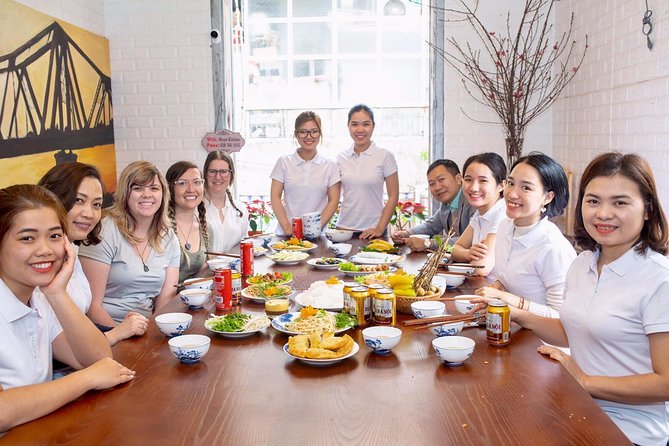
- Market-first shopping so you understand what you’re cooking and why ingredient choices matter
- Hands-on instruction for nem ran, papaya salad, pho cuon, and pho tron
- Egg coffee lesson (a Vietnam specialty included in the class)
- You eat what you make with plenty of food plus seasonal fruit dessert
- Small group size (max 15) for better attention while you’re cooking
- Local wine tasting plus a drink included (water/tea/coffee)
Why this Hanoi cooking class starts at the market
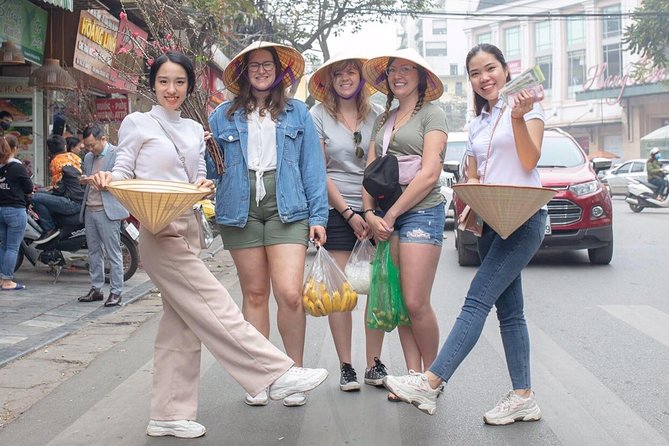
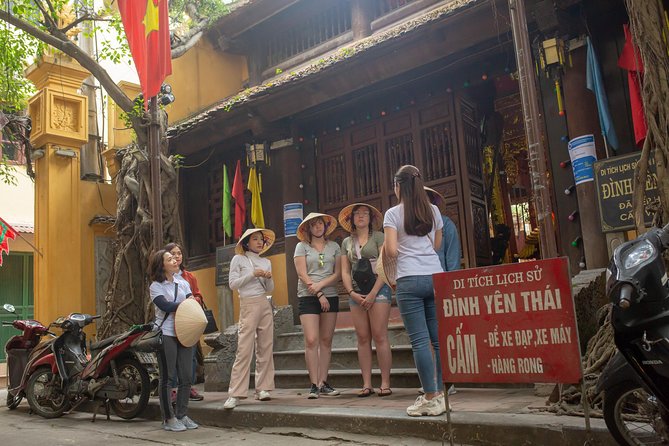
A cooking class can be either a demo or a real skill-building session. This one leans practical. You begin with a welcome at the operator’s office in the Old Quarter area, then head to a nearby local market to buy ingredients. That market time matters because Vietnamese dishes depend on balance: sour, sweet, herbs, and the right produce choices.
I also like that you’re not just shown what to do—you’re involved. Your instructor helps you make sense of Vietnamese ingredients and even points out substitutes. That’s useful if you ever try to cook at home and can’t find the exact same item.
One more plus: the class is designed to end with a full meal, not a quick snack. You cook, you eat, and you leave with recipes to repeat the dishes later.
You can also read our reviews of more shopping tours in Hanoi
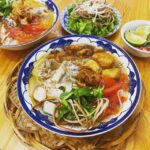
Market stop: shopping like you mean it
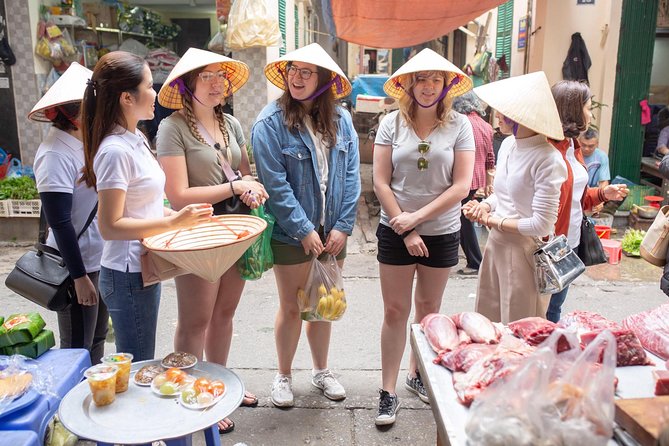
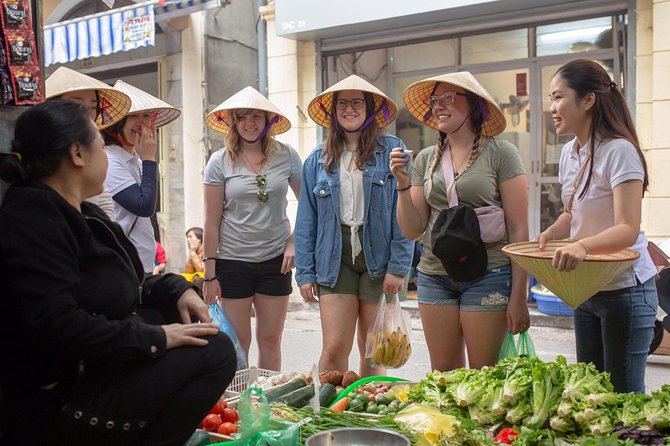
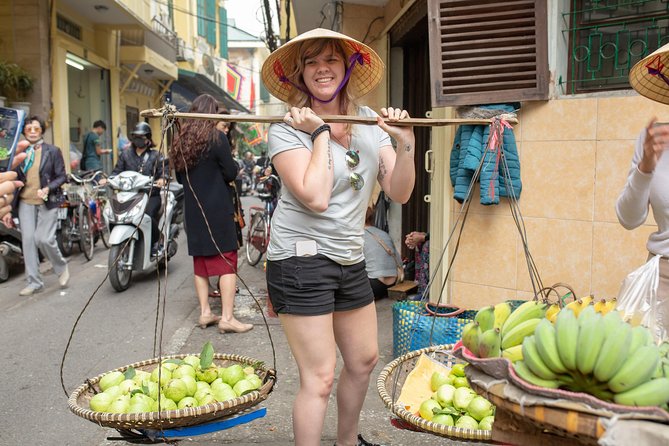
Expect a proper market visit, not a five-minute photo stop. You’ll go to a local market listed for the experience (Hang Da market on the plan). The goal is simple: get fresh food for the dishes you’ll cook and learn how Vietnamese cooking thinks about ingredients.
Here’s what you should pay attention to during your market time:
- Ingredient choices: you’re buying items that go straight into your dishes, so you get immediate feedback later in the kitchen.
- Substitutes: since you may not find every ingredient at home, this is where you learn what can swap for what.
- Timing and freshness: produce and prepared items look different in a market setting versus a supermarket.
The market experience is also where the tone of the day sets itself. In the cooking class world, this is the part that makes the whole thing feel connected to daily life. You also get the confidence that the food you’re about to cook is actually what locals build their meals around.
The kitchen lesson: nem ran, nom du du, pho cuon, pho tron
Once you reach the kitchen, the class follows a step-by-step flow. You’ll make five main items total—four dishes plus Ca Phe Trung (egg coffee)—and you’ll eat everything you produce at the end.
Nem ran (fried spring rolls): where handwork matters
You start with fried spring rolls, often treated as a national dish during celebrations and gatherings. The instruction focuses on technique you can feel in your hands. In particular, you’ll learn how to roll so it comes out even and tidy, which takes flexibility and practice.
If you worry you’ll be messy: good. This part is about getting your technique started. Even if your first roll isn’t perfect, you’ll understand the method. And once you’ve watched the process closely, you’ll know how to repeat it later.
Nom du du (papaya salad): the sour-sweet balance
Next comes papaya salad, built around the main flavors of sour and sweet. This dish is a good choice for a class like this because it shows you how Vietnamese cooking balances contrasting tastes without making it complicated.
You’ll get a feel for how the flavors come together during preparation, and you’ll leave with a better sense of how to judge balance by taste, not just by following steps blindly.
You can also read our reviews of more tours and experiences in Hanoi

Pho cuon (pho rolls) and pho tron (mixed pho)
After that, you move into the pho dishes:
- Pho cuon (pho rolls)
- Pho tron (mixed pho)
These are a smart pairing because they teach you two different ways pho shows up on the table. One is roll-based, the other is mixed, so you’re not just repeating the same assembly style. The lesson guides you through the process so you understand how the components fit together.
I like this structure because it keeps the class moving and stops it from turning into one long, single-dish session. You get variety, you learn multiple techniques, and you end up with a meal that feels more like ordering at a real Vietnamese restaurant—except you made it.
The instructor factor: you might work with Iris, Aurora, or Ruby
You’ll have an English-speaking instructor, and the most glowing names I’ve seen praised for this experience include Iris, Aurora, and Ruby. Regardless of the name, the teaching style that shows up in comments is consistent: clear guidance, step-by-step coaching, and a friendly pace that helps you actually finish the dishes.
Ca Phe Trung: making egg coffee the Vietnamese way
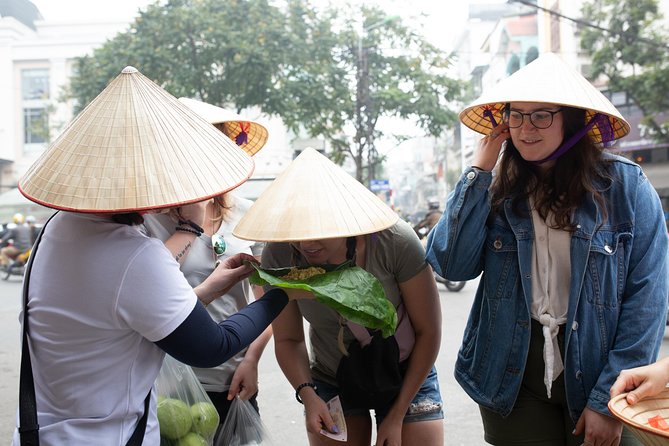
Then comes the Vietnamese specialty included in the class: Ca Phe Trung, egg coffee. The class doesn’t treat it as an afterthought. You’ll learn how to make it as part of the cooking flow, so you finish with something you can’t easily replicate without instruction.
Egg coffee also adds a fun payoff because it’s something many people associate with Vietnam, but few people actually learn to make during a vacation. Doing it yourself turns it from a souvenir idea into a real skill.
The meal you eat after cooking (and why it feels like more value)
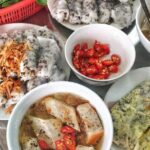
After you cook, you sit down and eat the dishes you made. The menu includes:
- Nom du du (papaya salad)
- Nem ran (fried spring rolls)
- Pho cuon (pho rolls)
- Pho tron (mixed pho)
- Ca Phe Trung (egg coffee)
- Dessert: seasonal fruits
You’ll also get one drink included (water/tea/coffee), which is a nice practical touch if you’re doing the class in a mid-day hunger window.
A detail worth your expectations: the portions can be generous. In comments tied to this experience, people noted they had more food than they expected and even took extra away in special containers. That’s a sign this is built as a full meal experience, not a small tasting.
Extras that make the $30 feel fair: wine tasting and recipes
At $30 per person for about 4 hours, this is positioned as a value play because a lot is included. You pay for the whole experience: market ingredient buying, cooking instruction, all food ingredients for the menu, seasonal fruit dessert, an included drink, and the recipe.
Also included is a local wine tasting. You don’t get much detail on the type of wine in the info provided, so treat this as a small cultural add-on rather than a full tasting event. It still adds variety to the day.
If you like to cook at home, the cooking recipe matters. It’s the difference between a fun memory and a dish you can actually repeat.
Practical stuff you should plan for in Hanoi
This experience is small group, with a maximum of 15 travelers, which helps keep the kitchen time comfortable. You also have a mobile ticket, so you won’t be scrambling for paper.
Meeting point and getting there
There’s no pick-up or drop-off service. You should plan to meet at the operator’s Crossing Vietnam Tour office, listed at 47 Hang Bong str. The activity also lists the start area as 38 P. Bát Sứ, Hàng Bồ, Hoàn Kiếm. Either way, you’ll want to choose a map route that drops you in the Old Quarter area and give yourself a few extra minutes.
Timing and comfort
The class runs about 4 hours. That length is long enough to do real shopping and real cooking, so wear shoes you can stand in and clothes that are comfortable if you brush up against kitchen heat.
One tip: if you’re thinking of breakfast, consider skipping it or keeping it light. The experience is built around a full meal after you cook.
Who this Hanoi class is best for
This is a great fit if you:
- Want Vietnamese cooking skills, not just a restaurant tasting
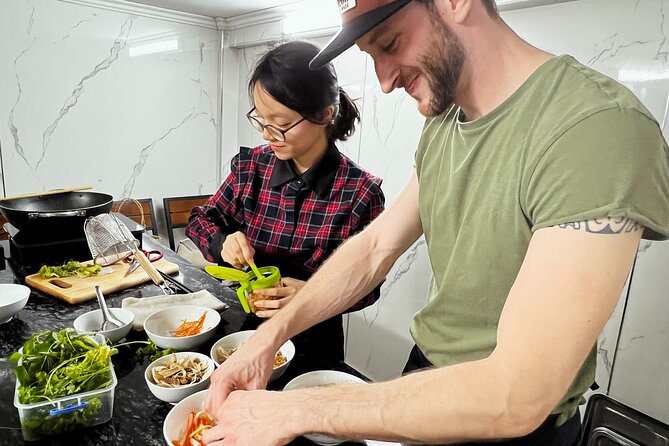
- Like learning through doing, especially rolling and assembling
- Enjoy markets and want a guided way to understand ingredients and substitutes
- Are traveling in a small group and prefer English instruction and hands-on pacing
If you’re the type who hates getting hands-on in the kitchen, this may feel like too much work. But if you enjoy making food as you learn, it’s exactly the kind of activity that leaves you with something tangible.
Should you book Hanoi Maya Kitchen?
Yes, if you want a Hanoi experience that’s active, practical, and centered on food you actually make. For $30 you’re not just buying a lesson—you’re getting market shopping, full cooking instruction for multiple dishes, egg coffee, a proper meal with dessert, and recipes to take home. Add in the small group size and English-speaking guidance, and it’s a strong value for a half-day.
Book it especially if you care about mastering technique—like rolling nem ran—and learning how flavors in Vietnamese cooking are built, not just served. Just plan on meeting yourself at the Old Quarter office and bring your appetite.
FAQ
What dishes are included in the cooking class?
You’ll make fried spring rolls (Nem Ran), papaya salad (Nom Du Du), pho rolls (Pho Cuon), mixed pho (Pho Tron), and egg coffee (Ca Phe Trung). Dessert is seasonal fruits.
How long is the experience?
The duration is about 4 hours.
Is there an English-speaking instructor?
Yes. The experience includes an English-speaking instructor.
Is market shopping included?
Yes. You get a local market tour and food buying as part of the experience, so you select fresh ingredients before cooking.
What’s included to drink during the class?
The class includes 1 drink, such as water, tea, or coffee.
Is local wine tasting included?
Yes. Local wine tasting is included.
Do I need pick-up and drop-off?
No. Pick-up and drop-off are not included. The meeting point is listed as the Crossing Vietnam Tour office, 47 Hang Bong str. and the activity ends back at the meeting point. Cancellation is free up to 24 hours in advance.
You Might Also Enjoy




More Shopping Tours in Hanoi
More Tours in Hanoi
- Ninh Binh Full-Day Tour from Hanoi to Hoa Lu, Tam Coc & Mua Cave Via Boat & Bike
★ 5.0 · 4,384 reviews