REVIEW · COOKING CLASSES
5 Traditional Dishes Hanoi Cooking Class with Market Trip
Book on Viator →Operated by Apron Up Cooking Class · Bookable on Viator
Hanoi food gets hands-on fast. This Old Quarter market plus cooking class turns a quick stop in Vietnam into a real skill: pick ingredients, learn techniques, and cook five Hanoi classics in one go.
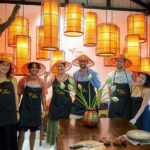
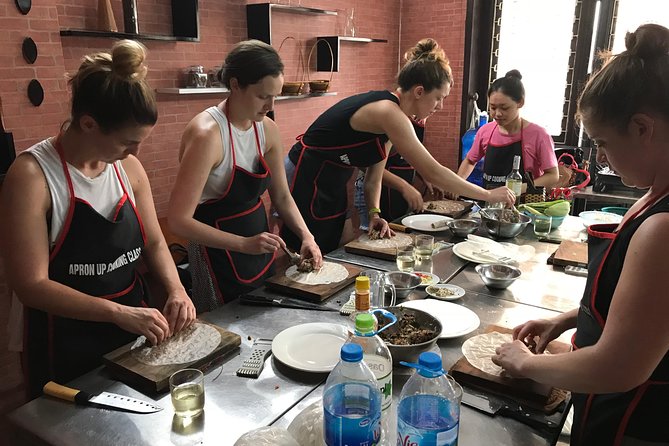
I love the way the class is structured around doing, not watching. You’ll get hands-on cooking with an English-speaking chef, and then you sit down to enjoy what you made with complimentary rice vodka and drinks.
One possible drawback: the session is paced tightly. You’re active, but some steps may move quickly or be supported by the team, and one guest even flagged hygiene as a question worth noticing on arrival.
In This Review
- Key highlights at a glance
- A Market-and-Cook Plan That Fits Hanoi’s Old Quarter
- Shopping at Hanoi’s Largest Market: What You’re Really Learning
- The 5-Dish Cooking Lineup: Pho Bo, Bun Cha, Nem Ran, Papaya Salad, Egg Coffee or Chocolate
- Pho bo (beef noodle soup)
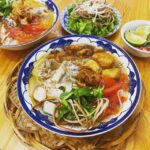
- Bun cha (Hanoi-style BBQ pork noodle)
- Nem ran (fried spring roll)
- Papaya salad
- Egg coffee or chocolate
- How the Small Group Works at the Stove (and Why That Matters)
- Eating What You Cook: Rice Vodka, Coffee or Tea, and the Best Part
- Price and Value: Is $35.07 a Fair Deal?
- Practical Tips for Your Best Hanoi Cooking Class Day
- Who Should Book This Cooking Class (and Who Might Want Something Else)
- Should You Book 5 Traditional Dishes in Hanoi?
- FAQ
- What dishes are included in the Hanoi cooking class?
- Do I get to eat what I cook?
- Is rice vodka included?
- Is there coffee or tea included?
- Is the chef English speaking?
- Will vegetarians or non-red meat eaters have an option?
- How big is the group?
- Where is the meeting point?
- What if I need to cancel?
Key highlights at a glance
- Old Quarter start, then straight to a major market so you learn ingredients where they’re sold
- Cook 5 dishes: Pho bo, Bun cha, Nem ran, papaya salad, plus egg coffee or chocolate
- Small group (max 10) helps you actually participate at the stove
- English-speaking chef + interactive teaching keeps you from feeling lost
- Eat together with rice vodka and complimentary coffee and/or tea
- Vegetarian/non-red meat versions are taught if you need them
A Market-and-Cook Plan That Fits Hanoi’s Old Quarter
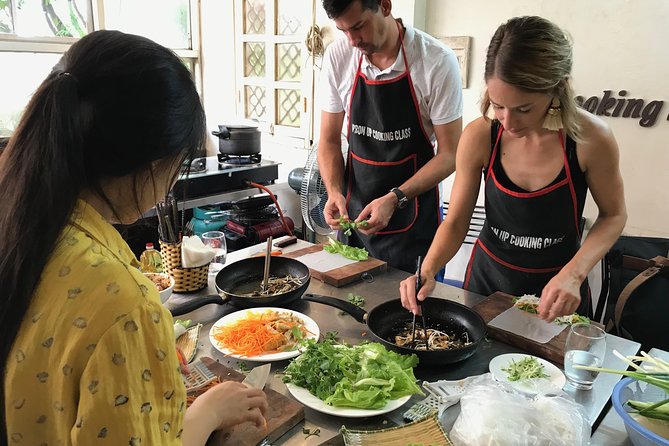
This is one of those Hanoi activities that feels efficient in the best way. You meet in the Old Quarter, then head out to shop for ingredients before returning to cook in a studio setup. The whole thing runs about 3 hours 15 minutes, which is just long enough to learn core ideas and still eat a full meal you helped create.
The start point is 8 P. Gia Ngư, Hàng Bạc, Hoàn Kiếm, Hanoi. There’s no hotel pickup, so you’ll want to be ready to get yourself there on time. The tour ends back at the meeting point, which is handy because you can roll right into your evening plans without guessing how to get home.
What I like about this format is that it matches how Vietnamese cooking actually works: ingredients first, cooking second. If you’ve been wandering Old Quarter streets all day, this gives that walk a purpose. Instead of just taking photos of food stalls, you’ll learn why certain spices and herbs show up again and again.
You can also read our reviews of more shopping tours in Hanoi
Shopping at Hanoi’s Largest Market: What You’re Really Learning
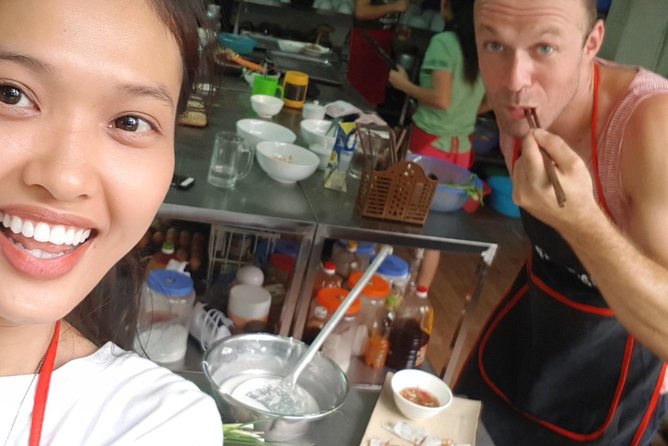
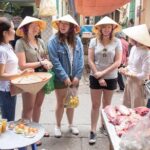
The market portion is where this class earns its value. You’re not just collecting ingredients like a grocery run. You’re learning how a cook thinks: what to buy, what to smell for, what to choose for freshness, and how pantry ingredients translate into flavor.
You’ll shop with a local expert and focus on Vietnamese basics—produce plus spices. That matters because many visitors try to recreate recipes later, then struggle because they used the wrong cut of meat, a bland herb substitute, or the spice blend didn’t match what the dish is built on. A market trip helps you understand the ingredients beyond names.
Also, since the group is capped at 10 people, it usually stays manageable. In a big tour, markets can turn into a loud stampede. Here, the smaller size makes it easier to ask questions and keep moving at a pace that doesn’t drain your energy before you even cook.
Tip for you: wear comfortable shoes. The market section can mean standing and walking in busy areas. And if you have dietary needs, this is the moment to speak up. You’ll be shopping in real time, so the chef can guide what to choose for your version.
The 5-Dish Cooking Lineup: Pho Bo, Bun Cha, Nem Ran, Papaya Salad, Egg Coffee or Chocolate
The menu is built around a smart mix: soups, noodles, a fried snack, a bright salad, and a sweet finish. You’ll cook five traditional dishes, and you’ll eat them afterward.
Here’s what each one teaches you, and why it’s worth your attention:
Pho bo (beef noodle soup)
Pho is the dish people think they know, but the cooking class approach is what makes it useful. You’ll work with the idea of a flavorful broth foundation and how herbs and seasonings build layers. Even if you’ve eaten pho in Hanoi before, cooking it gives you a new respect for how “simple” bowls are actually engineered.
Bun cha (Hanoi-style BBQ pork noodle)
Bun cha is a classic for a reason: char, tang, herbs, and noodles all work together. In this class, you’re not just cooking pork—you’re learning how the whole bowl balances. Expect techniques related to seasoning and pairing flavors that make the meal feel more than the sum of parts.
You can also read our reviews of more tours and experiences in Hanoi

Nem ran (fried spring roll)
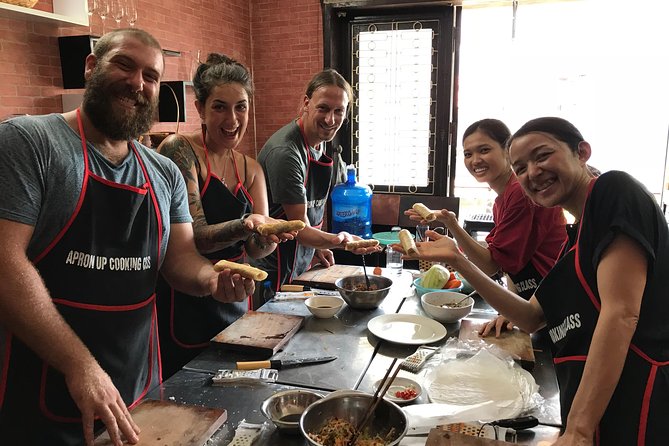
Fried spring rolls are deceptively tricky because the wrapper, filling, and frying timing all have to line up. This is one of the best dishes for learning cause-and-effect. If something’s too wet, it changes texture. If frying heat is off, you’ll feel it quickly. It’s also very hands-on, and you get to see how a street favorite becomes a plated meal.
Papaya salad
Papaya salad brings the “wake up your taste buds” element. You’ll learn how to build a sweet-sour-salty balance and how herbs bring aroma to the plate. This dish is great for understanding why Vietnamese food often tastes bright and lively, even when you don’t see heavy sauces.
Egg coffee or chocolate
For dessert, you’ll make either egg coffee or chocolate. This is a fun pivot from savory cooking. Egg coffee is especially iconic in Hanoi, and learning it in a class format helps you understand the technique rather than just copying a finished drink from a café.
Vegetarian or non-red meat eaters aren’t left out. You’ll learn vegetarian versions if needed. That’s important because it means you’re still cooking the same core “menu logic,” just adapted to your diet.
How the Small Group Works at the Stove (and Why That Matters)
With a maximum of 10 travelers, this class tends to stay participatory. The goal isn’t to stand on the side watching someone else do everything. In the better versions of this kind of tour, you get clear tasks and step-by-step instructions—then you rotate through cooking responsibilities as the session moves.
In past classes, instructors named Perla, Vy, Emmy, Lynn, Coco, Winnie, Sunny, and Kim have led sessions, and the consistent theme is that they teach in English and keep it interactive. So if you’re worried about language gaps, the structure is built to handle that.
The pace is efficient. You’ll likely be cooking multiple components at once—tools, burners, chopping, frying, assembling—so don’t expect one dish to get a slow, step-by-step lesson from start to finish. If you want lots of pause-and-practice time, this class is more about learning the system quickly than perfecting every single technique like a full-day workshop.
One more thing to note: one guest raised a hygiene concern. That doesn’t mean the class is unsafe, but it does mean you should pay attention when you arrive—look for how ingredients are handled and how the kitchen is run. If hygiene is a top priority for you, ask the chef what prep practices they use.
Eating What You Cook: Rice Vodka, Coffee or Tea, and the Best Part
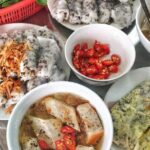
After cooking, you get to enjoy your meal together. You’ll sip complimentary rice vodka (listed as rice vodka/rice wine in the class description), plus coffee and/or tea. Then you eat the dishes you made: pho bo, bun cha, nem ran, papaya salad, and the dessert you prepared.
This is more than a reward at the end. It’s the moment where your learning locks in. When you taste what you cooked, you can connect flavor decisions—herbs chosen at the market, seasoning balance, frying results—to how the final dish actually tastes.
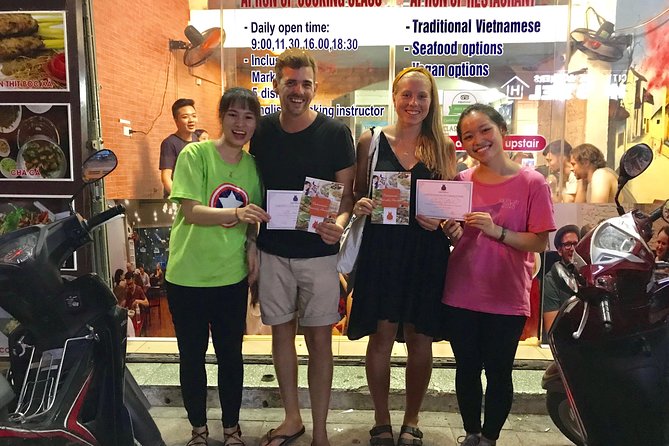
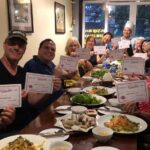
You’ll also leave with a cookbook and a certificate. That’s practical if you want to recreate any of these at home. Vietnamese cooking often depends on a few key ingredients and ratios, and a recipe guide helps you remember the steps later.
If you have allergies, the class has been described as adjusting for dietary needs. The safe move: mention your dietary constraints when you book or when you meet your chef, so the shopping and cooking plan can match your needs.
Price and Value: Is $35.07 a Fair Deal?
At $35.07 per person for about 3 hours 15 minutes, this is one of the more budget-friendly ways to do a Vietnamese cooking class that includes more than just the stove. You’re paying for:
- the market trip with a knowledgeable local guide,
- an English-speaking chef who teaches you the dishes,
- ingredients and prep needed to cook five different items,
- coffee/tea plus rice vodka, and
- take-home materials: a cookbook and a certificate.
In many cities, a cooking class that stays inside a kitchen costs more. Here, the market component adds real value because it helps you learn what to buy and why. The price also lines up well if you’re on a tight Hanoi schedule and want a high-impact activity that isn’t all museum-time and no food.
What’s not included matters too: there’s no hotel pickup/drop-off. So factor in your time to reach the meeting point in the Old Quarter at the start.
Practical Tips for Your Best Hanoi Cooking Class Day
To get the most out of this kind of hands-on lesson, plan like a cook, not a spectator.
- Arrive a little early so you can settle in before the market portion starts. If you’re late, you’ll feel it immediately in a paced class.
- Bring a sense of curiosity about ingredients. The market won’t just be a background moment; it’s part of the lesson.
- Come hungry. You’ll be cooking five dishes, then eating them, with rice vodka and drinks included.
- Wear shoes you can stand in. Market walking and kitchen time add up.
- If you’re vegetarian or avoiding red meat, make sure you communicate it clearly so the chef can guide you toward the correct menu versions.
Also, since it’s a mobile ticket experience, keep your confirmation handy on your phone so check-in is quick.
Who Should Book This Cooking Class (and Who Might Want Something Else)
This class is a great match if you:
- want an authentic Hanoi food experience that goes beyond eating,
- like learning by doing at the stove,
- enjoy street-food staples like pho, bun cha, spring rolls, and papaya salad,
- want a small group setting (max 10) so you’re not lost in a crowd.
You might look at other options if:
- you prefer slower, ultra-detailed step instruction for one dish at a time,
- you’re very sensitive about hygiene details and need extra reassurance,
- you need hotel pickup. Since there’s no pickup, you’ll need to handle getting to 8 P. Gia Ngư yourself.
Should You Book 5 Traditional Dishes in Hanoi?
Yes, I think you should book this if your goal is to leave Hanoi with more than memories. You’ll get a market education, you’ll cook five traditional dishes, and you’ll eat a meal that’s tied directly to what you learned. The combination of small group size, English-speaking instruction, and take-home cookbook plus certificate makes it a strong value for the price.
If you’re on your last night in Hanoi and want one thing that feels like a highlight, this is exactly that kind of activity. Just go in with realistic expectations: it’s fast-paced, hands-on, and designed to teach a system rather than produce restaurant-perfect results for every step.
FAQ
What dishes are included in the Hanoi cooking class?
You’ll cook five Vietnamese dishes: Pho bo (beef noodle soup), Bun cha (Hanoi BBQ pork noodle), Nem ran (fried spring roll), papaya salad, and egg coffee/chocolate.
Do I get to eat what I cook?
Yes. After cooking, you’ll savor the meal you prepared together with the group.
Is rice vodka included?
Yes. The experience includes rice vodka (described as complimentary rice vodka/rice wine).
Is there coffee or tea included?
Yes. Coffee and/or tea are included.
Is the chef English speaking?
Yes. The class includes an English speaking chef.
Will vegetarians or non-red meat eaters have an option?
Yes. The class provides vegetarian versions for those who are vegetarian or don’t eat red meat.
How big is the group?
The experience has a maximum of 10 travelers.
Where is the meeting point?
You’ll start at 8 P. Gia Ngư, Hàng Bạc, Hoàn Kiếm, Hà Nội and the activity ends back at the meeting point.
What if I need to cancel?
Free cancellation is available. You can cancel up to 24 hours in advance for a full refund; within 24 hours, the payment is not refunded.