REVIEW · HIKING & TREKKING
1 Day Sapa Authentic Trekking ( off beaten track )
Book on Viator →Operated by Sapa Original Trek · Bookable on Viator
Sapa’s trails have a way of slowing you down fast. This one-day trek goes beyond the usual viewpoints and puts you on paths through pine forest, rice terraces, and village corners most people skip. I love the off-beaten-track feel and that you’re out for real walking time (about 5–6 hours). I also like that lunch is included, so you can focus on the trail instead of hunting for food.
The one thing to consider is that this is still trekking. If you want an easier day, choose the simpler route when available, and pack smart—especially since the tour includes only a small amount of water.
In This Review
- Key things I’d actually plan around
- Off-the-beaten-track Sapa: what makes this day different
- The walk plan: how the day flows from 9:00 am to the finish
- Stop at Ta Phin: the start point that sets the tone
- Suoi Ho village: Hmong homes, valleys, and rice terrace details
- Giang Cha: panoramic valley views and a clear sense of scale
- Lunch in the middle: local restaurant, real break, fewer hassles
- From rice to corn and limestone: the late-day countryside feel
- A guide makes or breaks it: Mr Sinh and Ms Mu’s style
- Price and value: why $39 feels fair for this type of day
- What to pack and how to make the day easier
- Who this trek is best for (and who might want a different plan)
- Should you book the 1 Day Sapa Authentic Trekking off beaten track?
- FAQ
- How long is the trekking experience in Sapa?
- What time does the trek start?
- Is lunch included?
- Does the tour include water?
- Is this a private tour or a shared group?
- Which places and villages are visited?
- Is an entrance fee included?
- Can I choose an easier or more difficult route?
- What happens if I need to cancel?
Key things I’d actually plan around
- Off-the-main-route villages along the Suoi Ho – Giang Cha – Lu Khau – Saxeng area
- Pine forest + rice terraces for photos that don’t feel staged
- Lunch at a local restaurant included in the price
- A private format so your pace and questions stay on you
- English-speaking guide who keeps the day moving and explains what you’re seeing
Off-the-beaten-track Sapa: what makes this day different
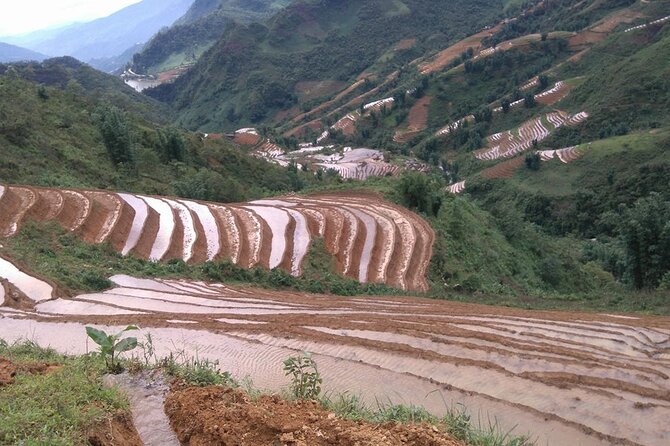
Sapa can be loud with tour groups, even when the scenery is beautiful. What I like about this trek is that it’s built for quieter places and side routes, so your day feels more like a local walk than a checklist. You’ll spend time moving through forests, across hills, and down into valleys—exactly the kind of terrain that makes Sapa feel real.
The other big win is food. You get lunch at a local restaurant included in the tour price, plus a small bottle of water per person. That sounds simple, but it changes the whole rhythm of the hike. You’re not stopping to bargain or searching for something open while your legs are getting tired. You eat, refuel, and keep going.
Because it’s trekking in rural terrain, you’ll want to treat it like a workout day, not a casual stroll. The trail is long enough (roughly 5–6 hours) that footwear and your comfort level matter. The upside: you’ll also get more “walk-and-look” moments instead of just snapping photos from one paved spot.
You can also read our reviews of more hiking tours in Sapa
The walk plan: how the day flows from 9:00 am to the finish
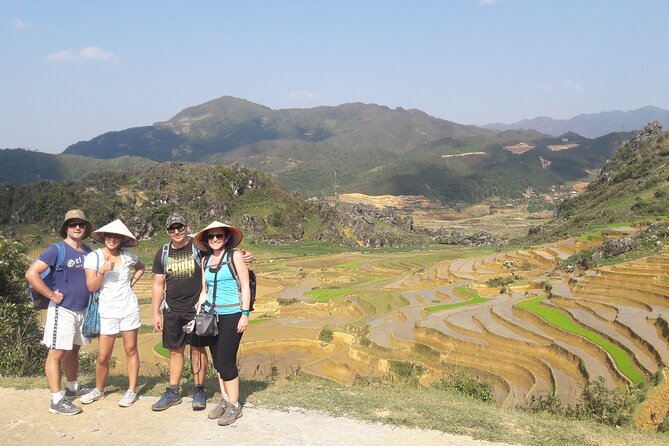
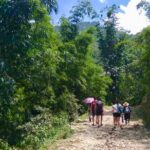
This trek starts at 9:00 am and ends back at the meeting point. It’s designed to be one continuous day of walking with a village lunch break, so you’ll feel the progression: forest downshifts into farmland, farmland opens up into village viewpoints, and then you work your way back through the countryside.
It’s also a private tour, meaning it’s only your group. That usually makes a difference in places like Sapa where routes can get crowded. Your guide can keep you moving at a pace that matches your group, and you’re less stuck waiting while other people figure out their photos.
Also pay attention to the fact that there’s an option for easier or more difficult routes. That flexibility is valuable because Sapa trekking can feel wildly different depending on which path you choose—same region, but different effort.
Stop at Ta Phin: the start point that sets the tone
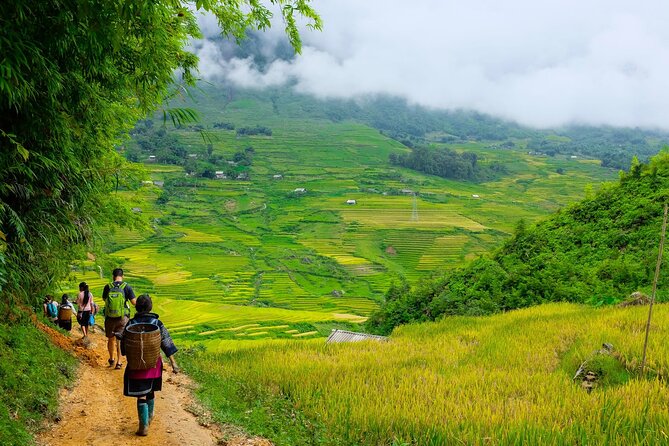
Your first stop is Ta Phin Village, which functions like a launchpad for the rest of the trek. Starting here matters because it helps you transition from the road into the working, everyday countryside quickly. Instead of easing in for an hour and then hiking “later,” you start the day with walking that already feels rural.
From there, the trek heads into pine tree forest. Even if you’ve seen pine anywhere else, Sapa’s slopes and misty air make a difference. The trees also break up the views just enough to keep you interested. You’ll feel the shift between shaded trail and open farmland as you move.
A practical thing to know: this is a morning start, which can be cooler and easier on your body for a long hike. If you’re planning photos, mornings also tend to help with light across rice terrace edges and village rooftops.
Suoi Ho village: Hmong homes, valleys, and rice terrace details
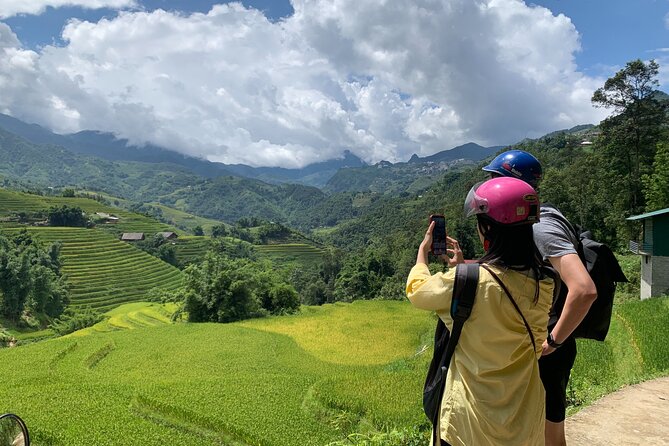
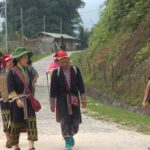
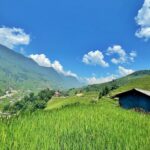
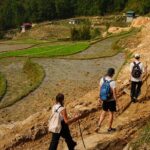
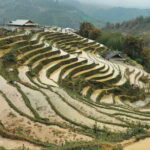
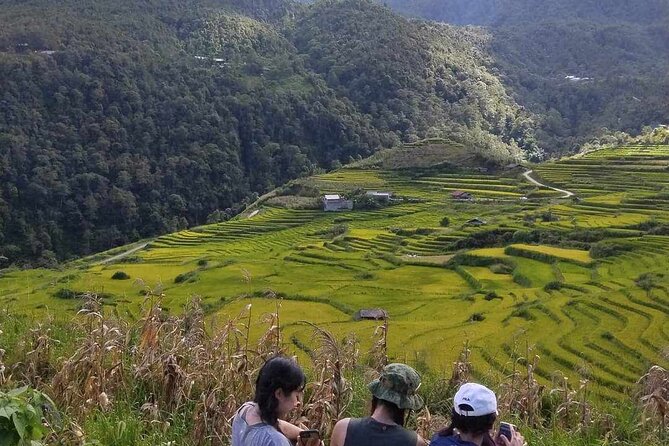
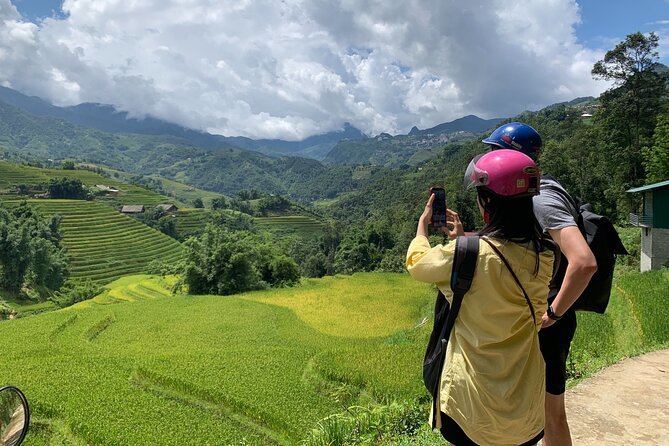
One of the most memorable sections is the move down to Suoi Ho Village, home to Hmong ethnic people. The trek takes you to a small valley with rice terrace fields, which is a big part of why Sapa is famous. But here, you’re not just looking from above—you’re walking through the kinds of places where terraces blend into daily life.
You’ll have a chance to explore a traditional wooden house. That’s not just a quick photo stop. It’s a moment where you can slow down, ask questions, and connect what you’re seeing with how people live in this environment.
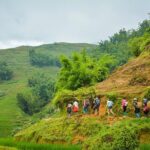
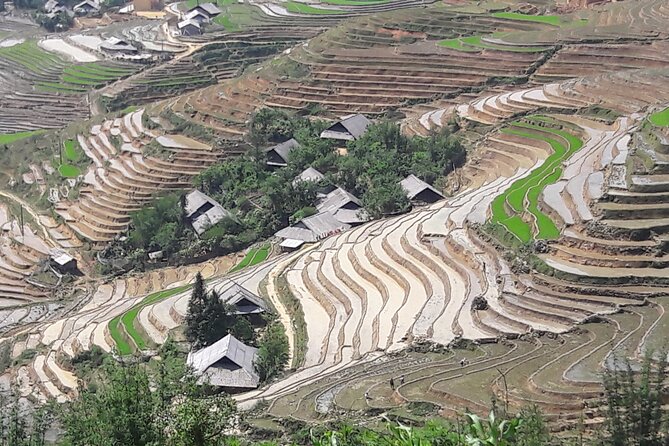
Then comes the crossing through rice paddy scenery. Rice fields in Sapa can look “pretty” even from afar, but on the ground they make more sense: you see how the terrain shapes the farming, and why certain paths run where they do. If you’re a photographer, this section is where you’ll get natural angles—terrace lines, river-like patterns of water channels, and distant hills layering behind the villages.
Giang Cha: panoramic valley views and a clear sense of scale
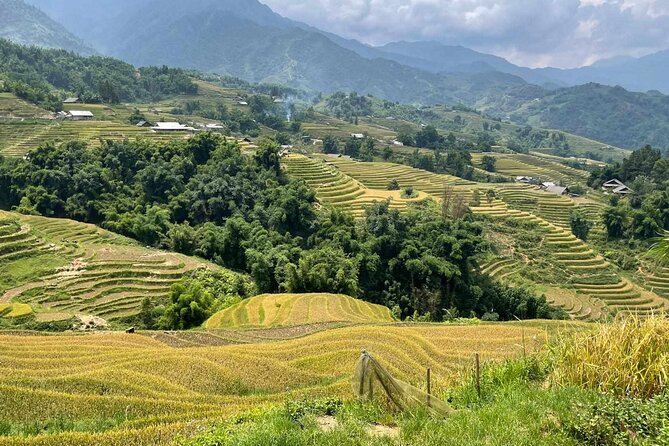
After Suoi Ho, the trek continues toward Giang Cha Village. This part leans into big views: the route opens up into a panorama of a small valley. That shift—village detail to wider scenery—helps keep the day from becoming one long stretch of similar-looking farmland.
I like Giang Cha for one reason: it gives you perspective. Once you’ve walked among terraces and homes, you start to understand how the hills fold and how different village pockets sit across the slopes. Even when the weather shifts, the terrain stays readable.
For practical comfort, it’s the kind of segment where you’ll want your eyes up for views but your footing controlled. Wider viewpoints can tempt people to step slower or look away too long. A good guide helps you keep balance while still letting you enjoy the scenery.
You can also read our reviews of more tours and experiences in Sapa
Lunch in the middle: local restaurant, real break, fewer hassles
Lunch happens after you’ve walked enough to feel it, but not so long that you’re exhausted. The tour includes lunch at a local restaurant, and your guide keeps the day organized so you don’t lose time switching gears.
I like included lunch on hikes because it solves a common Sapa problem: deciding where to eat once you’re tired. Here, lunch is simply part of the route plan. You also get water—0.5 liter per person—which is enough for the immediate needs of a long morning walk, but you might still want extra if you’re a heavy sweater.
After lunch, you’ll keep trekking, so the best strategy is to eat steadily and not go too wild on greasy comfort food. You want fuel, not a food coma. If you’re the kind of person who needs a sweet kick, bring something small with you, since soft drinks are not included.
From rice to corn and limestone: the late-day countryside feel
After lunch, the hike shifts again. The route moves toward corn fields and includes a striking detail: black limestone fields. That contrast can make your photos pop because it’s not the typical green-everywhere view. It adds texture and color depth, especially when the light hits rocky edges and the fields create strong horizontal lines.
This is also where the pace matters. Late day hiking can feel harder not because the route is suddenly steeper, but because your legs are warmed up and then tired. If the tour offers multiple difficulty routes, this is also where choosing your “right effort” earlier pays off.
Even if you’re not chasing difficult terrain, this section usually feels satisfying. You’re seeing the countryside at work—fields with different crops and a terrain that’s doing more than just looking scenic.
A guide makes or breaks it: Mr Sinh and Ms Mu’s style
The best part of this trek isn’t just the terrain. It’s how the day gets explained. In the real world, guides affect whether a hike becomes scenery or becomes understanding.
The tour is led by an English-speaking guide, and I’ve seen firsthand (in how people describe their days) that the guides often keep the talk reasonable—giving you context without drowning you in lecture. Some guides also invite questions and answer them directly, which helps when you’re curious about how villagers live and how the terrain supports agriculture.
Two names that come up are Mr Sinh and Ms Mu. People highlight how friendly and informative guides like Mr Sinh can be, and how comfortable the communication style can be with guides like Ms Mu—sharing enough to make sense of the places you’re walking through.
If you want to get value from the day, treat it like a conversation: ask what the fields are used for, what villagers want visitors to understand, and how the terrain shapes daily routines. You’ll leave with more than photos.
Price and value: why $39 feels fair for this type of day
At $39 per person, this trek isn’t expensive when you count what’s included. The price covers an English-speaking guide, lunch, an entrance fee, and transport by car back to Sapa after the hike. It also includes 0.5 liter of water per person.
That’s the real value equation: one-day active hiking tours add up fast once you include guide time, entry costs, and transportation. Here, you’re paying for a structured route through rural areas, not just paying to be dropped off somewhere and told good luck.
You might also see group discounts, which can matter if you’re traveling with friends. Since the tour is private for your group, discounts and “who’s in your party” can slightly change the overall cost feel.
What’s not included is mainly the extras: tips, insurance, personal expenses, and soft drinks. So if you want a smooth day, plan on bringing a little extra cash for drinks snacks you love, and wear gear that won’t force you to stop early.
What to pack and how to make the day easier
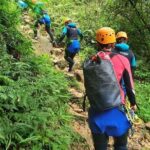
This is a trekking day. Even if you choose the easier route, you’ll be on uneven paths and changing terrain. A few practical moves help a lot:
- Wear shoes with solid grip for farm paths and hillside walking.
- Bring a small extra snack if you tend to get hungry between lunch and the afternoon stretch.
- If you run hot or sweat a lot, consider bringing a bit more water than the included 0.5 liter.
- Dress in layers. Sapa weather can shift, and forest sections feel different than open field sections.
Also, since you’re walking through villages and farmland, keep your pace respectful and your photo habits simple. If you’re stopping to take pictures, step aside from the trail so others can pass.
Who this trek is best for (and who might want a different plan)
This works best for:
- Outdoors lovers who want real walking time in the Sapa countryside
- Photography fans who like rice terraces, villages, and terrain textures
- People who enjoy learning from guides and want to ask questions along the way
- Travelers who prefer smaller, more personal experiences (it’s private for your group)
You might want a different option if:
- You want an easy, low-effort sightseeing day with minimal walking
- Your schedule needs lots of flexibility, since this trek runs for about 5–6 hours starting at 9:00 am
- You’re uncomfortable on uneven paths
The good news: the ability to choose easier vs. more difficult routes means you can often match the day to your comfort level.
Should you book the 1 Day Sapa Authentic Trekking off beaten track?
If you like the idea of Sapa beyond the postcard stops, this one-day hike is a strong choice. The blend of quiet routes, village encounters, and a lunch break that’s handled for you makes it practical. And because it’s private for your group, your guide can steer the day toward your questions and energy level.
Book it if you’re willing to treat this as a trekking day and you want photos and context, not just views. Skip it if you’re looking for an ultra-casual stroll or if your fitness level makes 5–6 hours on foot feel risky. If you’re unsure, choose the easier route and focus on enjoying the villages and field scenery at a sustainable pace.
FAQ
How long is the trekking experience in Sapa?
It lasts about 5 to 6 hours.
What time does the trek start?
The start time is 9:00 am.
Is lunch included?
Yes. Lunch is included in the tour price.
Does the tour include water?
Yes. You receive 0.5 liter of water per person.
Is this a private tour or a shared group?
It’s private, meaning only your group participates.
Which places and villages are visited?
You start at Ta Phin Village and then trek through areas including Suoi Ho, Giang Cha, Lu Khau, and Saxeng villages.
Is an entrance fee included?
Yes. Entrance fees are included.
Can I choose an easier or more difficult route?
Yes. There are options between an easier and a more difficult route.
What happens if I need to cancel?
You can cancel for a full refund if you cancel at least 24 hours before the start time. If you cancel within 24 hours, the amount paid is not refunded.