REVIEW · HANOI MOTORBIKE TOURS
Sapa Motorbike Tour With Local Guide 1 Day – Waterfalls, Villages
Book on Viator →Operated by Sapa Odyssey Tour · Bookable on Viator
One day. Several mountain worlds. This one-day motorbike outing strings together O Quy Ho Pass, Thác Bạc (Silver Falls), Tram Tôn, and Muong Hoa Valley with real village time, not just quick photo stops. I like the way the day mixes waterfall walks with ethnic village scenery, and how guides such as Lucas and Hu keep the pace clear in English.
The catch is simple: you’ll handle rough mountain roads and a bit of walking on waterfall paths. If you’re not confident riding, use the option to hire a local driver, and wear shoes with grip—especially when the weather turns foggy or rainy.
In This Review
- Key things I’d bank on before you go
- The Sapa itinerary that actually saves you time
- O Quy Ho Mountain Pass: the winding opener
- Thác Bạc (Silver Waterfall): a short walk with real payoff
- Tram Tôn Pass and Golden Stream: get ready for a forest walk
- Muong Hoa Valley: terraces, villages, and a slow-change kind of beauty
- Lunch at a local restaurant and a house visit
- Motorbike setup: manual or automatic, plus the driver option
- Weather and road conditions: why fog changes everything
- Price and value: where the $65 really goes
- Who should choose this motorbike tour
- Should you book it?
- FAQ
- FAQ
- How long is the Sapa motorbike tour?
- What stops are included in the day?
- Is lunch included?
- Do I need an entrance ticket?
- Is pickup available?
- Do I have to drive the motorbike?
- Is the tour suitable for beginners?
- What about safety and accidents?
- What is the cancellation policy?
Key things I’d bank on before you go
- O Quy Ho Pass first: the ride sets the tone with winding mountain roads and classic Sapa views.
- Thác Bạc hike (about 1 km loop): a short but active walk up and down to reach the Silver Falls area.
- Tram Tôn + Golden Stream (about 2 km walk): paired with a visit toward Love Waterfall in the forest.
- Muong Hoa Valley villages: you’ll pass by multiple ethnic communities, including Sin Chai, Y Linh Ho, Lao Chải, Ta Van, Giang Tả Chải, Hầu Thào, and Sủ Pan.
- Food and pacing handled: lunch is included, and many guides in the reviews (like Sinh and Keyni) adjust speed to your comfort and conditions.
The Sapa itinerary that actually saves you time
Sapa’s a place where you can easily waste a day trying to piece together transport. This tour solves that by using a motorbike for what’s otherwise scattered driving around the passes, waterfalls, and Muong Hoa Valley. You get a logical loop: high pass views, waterfall stops, then a long stretch through the valley villages.
It’s also built around short “arrive, see, move” segments, with enough time to pause for photos and questions. In the reviews, the best days had guides who stayed on top of safety and timing—Sinh made people feel secure, while Lucas and Hu were praised for being organized and friendly.
You can also read our reviews of more guided tours in Sapa
O Quy Ho Mountain Pass: the winding opener
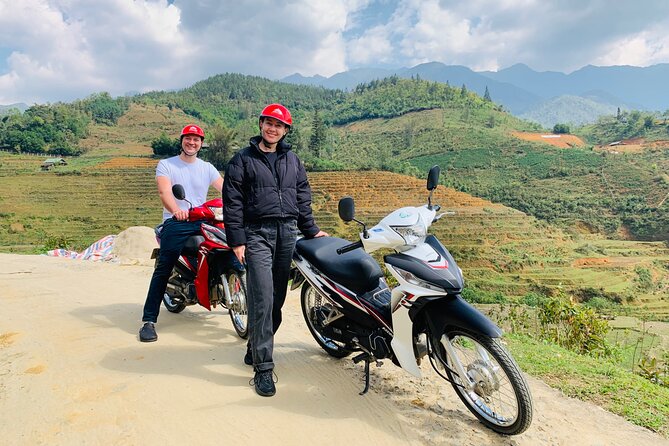
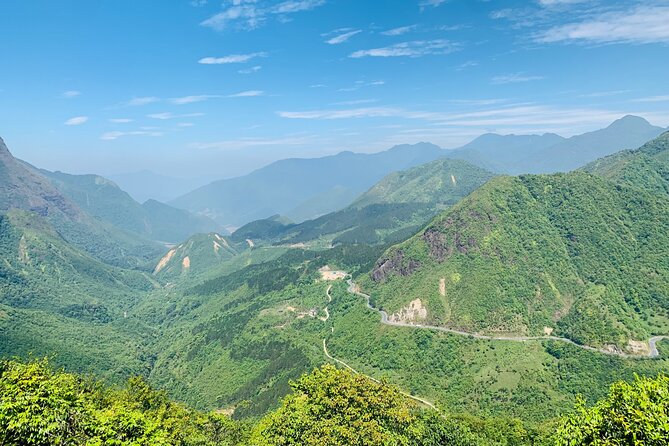
Your day starts in Sapa town, heading toward O Quy Ho Mountain Pass on twisty roads. This is the kind of drive that changes your mood fast: one moment you’re in town, then suddenly the terrain opens up and the pass road starts doing what it does—turning the whole area into a moving viewpoint.
Plan for motion. Even if you’re a confident rider, mountain roads here mean constant attention to curves and braking points. The ride is part of the experience, not just transit, and it sets up the rest of the stops by putting you in the right altitude and scenery right away.
Thác Bạc (Silver Waterfall): a short walk with real payoff
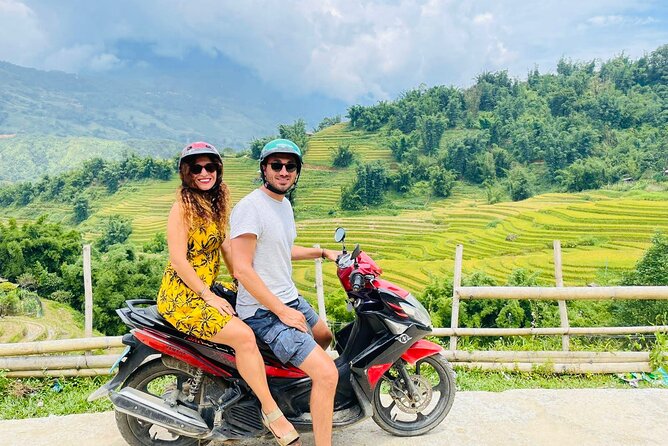
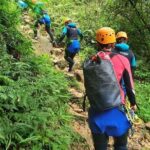
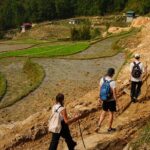
Next is Thác Bạc (Silver Falls), located at the foot of O Quy Ho Pass. It’s described as a waterfall system with an altitude of more than 200 meters, and the visit includes a walk up and down in a loop of about 1 km.
This is where you’ll want practical footwear. Even if the trail isn’t described as a long hike, it’s still uneven and wet-friendly. In foggy or rainy weather, footing gets trickier, so shoes with grip beat flip-flops every time.
Also, don’t expect a full waterfall viewing from one spot. The loop is part of the design: you move along for better angles and then circle back. The good news is the walking portion stays short enough that most people with moderate physical fitness can handle it.
Tram Tôn Pass and Golden Stream: get ready for a forest walk
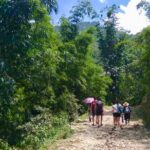
After Silver Falls, the tour moves to Tram Tôn Pass, with a stop at the Hoàng Liên National Park station area. From there, you get a chance for a short walk of about 2 km following the Golden Stream.
This segment includes the lead-in to Love Waterfall in Hoàng Liên forest. The payoff here is the change of scenery: instead of open views and valley edges, you’re in a more wooded, shaded environment where the sound and feel of the water is the main event.
One practical note: the walk is long enough to matter, but short enough that your day stays on track. If you’re the type who likes stretching your legs rather than just sitting on a bike, this is a nice mid-day reset.
Muong Hoa Valley: terraces, villages, and a slow-change kind of beauty
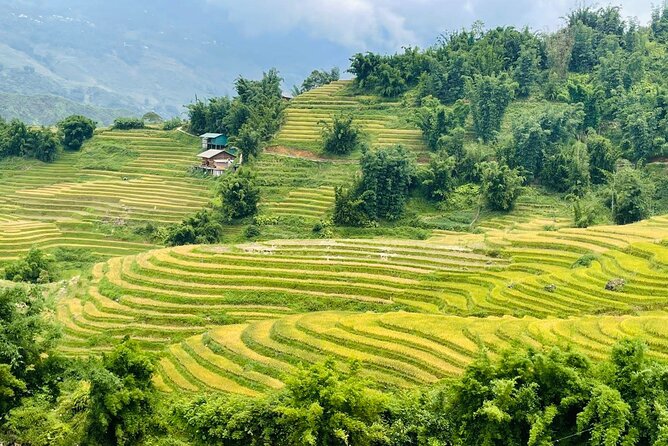
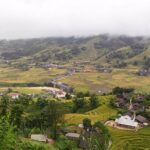
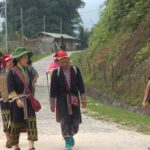
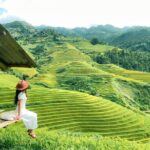
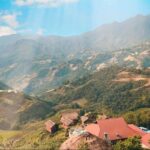
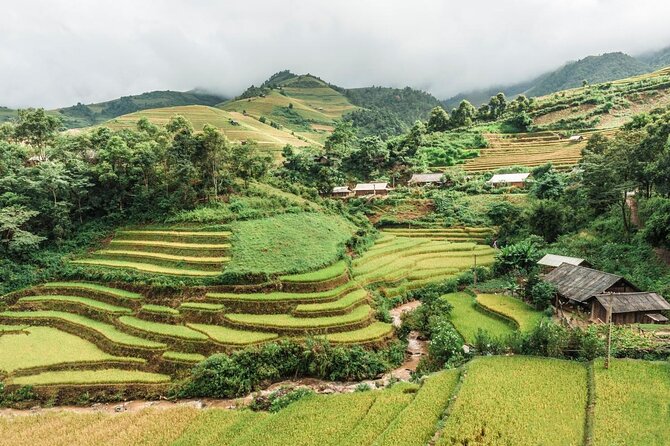
The biggest block of time is Muong Hoa Valley, where your ride runs for about 4 hours through and around several ethnic minority villages: Sin Chai, Y Linh Ho, Lao Chải, Ta Van, Giang Tả Chải, Hầu Thào, and Sủ Pan.
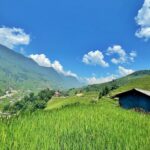
This is the part of Sapa people remember. The day doesn’t treat the valley like a single viewpoint. It’s more like a moving introduction to village life—different houses, different roadside scenes, and terrace fields that change character as you go.
In the better guide stories from the reviews, the ride in the valley wasn’t rushed. Guides like Keyni and Trois were praised for stopping at photo points and adjusting pace. That matters, because with terraces and winding village roads, a “quick drive-by” can feel like nothing. A good guide slows down when the views are worth it and when conditions (fog, rain, mud) require it.
You can also read our reviews of more tours and experiences in Sapa


Lunch at a local restaurant and a house visit
You’ll get lunch at a local restaurant, included in the price. The meals are framed as local and filling, and guides are often praised for handling the order and timing so you don’t lose momentum after a walk.
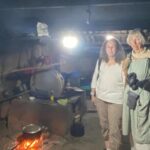
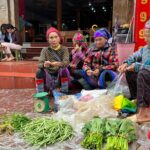
The tour also includes a visit to a local house and time to interact with friendly locals. Even without deep scripted explanations, this part gives you a human layer to the day. On a motorbike tour, it’s easy to collect scenery and miss context. A house visit helps connect what you see—terraces, workshops, daily routines—to real people.
If you like travel that feels grounded in everyday life, this is one of the moments that makes the day more than just scenic driving.
Motorbike setup: manual or automatic, plus the driver option
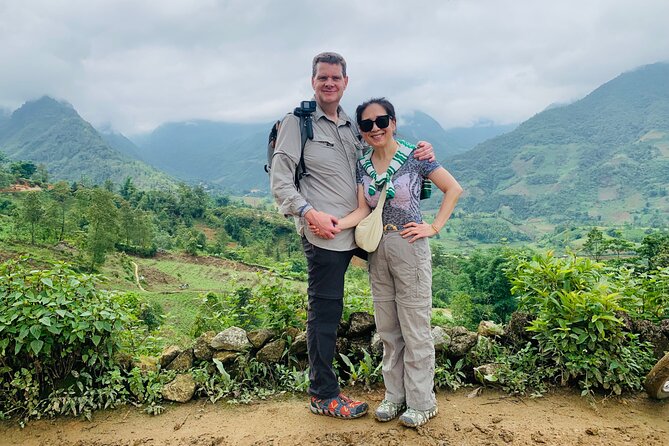
You’re provided with a motorbike, either automatic or manual, along with spare parts and fuel. You’ll also have an English-speaking guide, which is a big deal when roads are complicated and you want quick clarity on what’s next.
If you can’t drive, there’s an option to request a local driver for an extra ₫300,000 per person. That choice turns the day into pure sightseeing and reduces the mental load—especially useful on bumpy roads or when weather gets wet and visibility drops.
If you are driving yourself, here’s the rule to take seriously: the tour notes that if you have an accident with the motorbike, the rider has to pay for the repair costs. It doesn’t mean you’ll crash; it means you should treat this like a real ride with real consequences.
In the reviews, people who had never ridden before still managed the day, but they repeatedly credit slow pacing and good guidance. One small-friction detail: the bike can feel unwieldy for smaller riders, so speak up early and adjust immediately rather than trying to “tough it out.”
Weather and road conditions: why fog changes everything
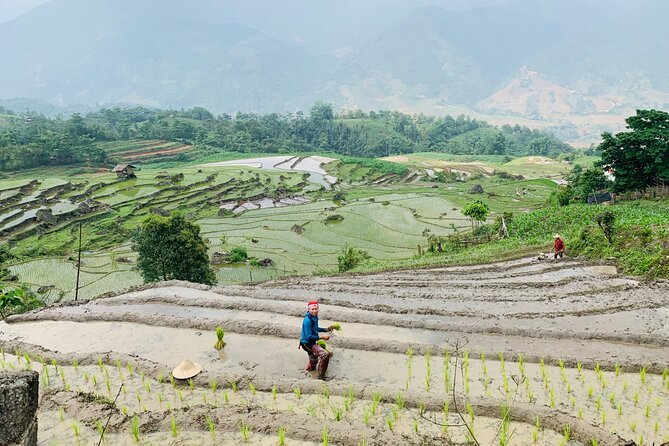
Sapa weather can flip fast. One review described a day so foggy you couldn’t see more than about 20 feet ahead at times. That’s when the tour stops being about postcards and becomes about safety and comfort.
On rainy or cold days, guides were praised for handing out practical warmth items like gloves, face masks, and ponchos. That’s not a small touch. It’s the difference between finishing the loop and feeling miserable on a muddy, cold return.
Also expect that road surfaces vary. The tour experience notes include bumpy roads and sections that can be harder—potholes and uncompleted construction were mentioned in feedback. If you go, assume some parts will require extra patience and smooth handling, especially on the return through valley roads when mud and slickness can build up.
Price and value: where the $65 really goes
At $65 per person for a 6–7 hour day, the value here comes from what’s packaged, not just the sightseeing.
You’re getting:
- Pickup offered
- English-speaking guide
- Motorbike (automatic or manual)
- Spare parts and fuel
- Bottled water
- Lunch
- Entrance fees/permits/tickets included
- Private use for your group
That means you’re not paying separately for guide + transport + entry fees + meals. In Sapa, those add up fast, and it’s easy to end up with a cheaper tour that’s missing one key ingredient—usually lunch, access permissions, or a properly guided route.
The one line item to keep in mind is the local driver option (₫300,000 per person) if you choose not to ride. Still, even with that add-on, you’re buying a full day of route planning and execution.
Who should choose this motorbike tour
This tour fits best if you:
- Want to see multiple highlights in one day (passes + waterfalls + valley villages).
- Like motion travel—riding between stops rather than sitting on a bus all day.
- Prefer short walks (about 1 km and 2 km) to longer trekking days.
- Are comfortable with moderate physical effort and uneven ground near waterfalls.
It may feel less ideal if you:
- Don’t want to handle bumpy roads at all.
- Are sensitive to fog and cold weather, and you don’t want to dress for it.
- Expect perfectly clear views every time. Weather plays a big role here.
Should you book it?
If your time in Sapa is short, I’d book this. The mix of O Quy Ho Pass, Silver Falls, a Golden Stream walk, and a long stretch through Muong Hoa Valley villages is exactly the kind of “see more without chaos” plan that works when you only have one good day.
Book it especially if you care about the route—you want the pass roads, not just one valley viewpoint. Also choose it if you’d rather leave the logistics to a guide than fight with local transport.
Skip it only if you hate the idea of riding on rough mountain roads or you’re unwilling to do the short waterfall walks. In that case, the local driver option can be your bridge to still experiencing the area without the riding stress.
FAQ
FAQ
How long is the Sapa motorbike tour?
It runs for about 6 to 7 hours.
What stops are included in the day?
The tour includes O Quy Ho Mountain Pass, Thác Bạc (Silver Falls), Tram Tôn Pass (near Hoàng Liên National Park station and the Golden Stream area), and Muong Hoa Valley with multiple villages.
Is lunch included?
Yes. Lunch at a local restaurant is included.
Do I need an entrance ticket?
All entrance fees/permits/tickets are included.
Is pickup available?
Pickup is offered, and the tour starts from Sapa town (the meeting point is in Sa Pa, Lao Cai, Vietnam).
Do I have to drive the motorbike?
Not necessarily. If you can’t drive, you can request a local driver for an extra ₫300,000 per person.
Is the tour suitable for beginners?
You can take part even if you haven’t ridden before, as long as you’re willing to go at the pace set by the guide. The tour notes a moderate physical fitness level.
What about safety and accidents?
The tour includes a motorbike with spare parts and fuel, plus an English-speaking guide. If you have an accident with the motorbike, the rider will have to pay for repair costs.
What is the cancellation policy?
Free cancellation is available up to 24 hours in advance for a full refund. If you cancel within 24 hours, the amount paid isn’t refunded.