REVIEW · HIKING & TREKKING
One day Trekking in Sapa and Muong Hoa Valley with local guide
Book on Viator →Operated by Color Vietnam Travel · Bookable on Viator
A day trek that feels like a front-row seat to Sapa. You’ll walk a scenic route between ethnic villages, mix in time at the Sapa market, and get a solid meal before the afternoon pickup. The big win here is the way the walk connects rice fields, village life, and viewpoints in one smooth outing.
I especially loved the local guide angle—I’m talking English-speaking guides from ethnic communities like Black Hmong, Red Dzao, and Tay, and one guide named Anh stands out for his friendly, clear English. I also liked that the trek covers real places you can’t see from town, including Y Linh Ho, Lao Chai, and Ta Van. One thing to consider: this is still a hike on uneven village paths, so you’ll want a moderate fitness level and sensible footwear.
In This Review
- Quick Take: What Makes This Sapa and Muong Hoa Trek Worth It
- Sapa and Muong Hoa Valley: Why This One-Day Plan Works
- The Morning Flow: Sapa Market Stop Before the Walk
- Walking to Y Linh Ho: Rice Fields, Village Paths, and Real Terrain
- Lao Chai Lunch: A Proper Break in the Middle of the Day
- Ta Van Village: Terraces, Weaving, and the Hmong and Giay View of Life
- Muong Hoa Valley: The View Bonus That Makes the Day Feel Complete
- The Guide Factor: Why Local English Matters on This Trek
- Price and Value: Is $40 a Fair Deal for 7 Hours?
- Timing and Pacing: From 9:00 AM to About 3:30 PM
- What to Bring for a Comfortable Day in the Hills
- Weather Matters Here (And the Day Can Change)
- Who Should Book This Trek (And Who Might Want Another Option)
- Should You Book This Sapa and Muong Hoa Valley Day Trek?
- FAQ
- What time does the Sapa and Muong Hoa Valley trek start?
- How long is the trekking experience?
- What’s included in the price?
- Do you offer pickup and transport back?
- How much walking is involved?
- Is this tour suitable for everyone?
Quick Take: What Makes This Sapa and Muong Hoa Trek Worth It
- Local ethnic-minority guides with strong English, including Anh, who gets described as attentive and easy to understand
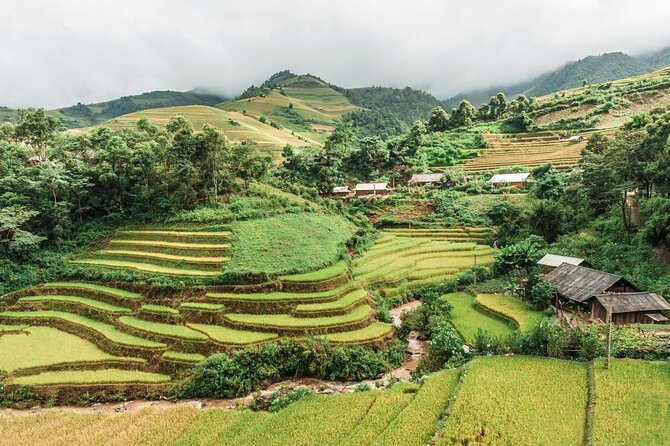
- A clear route through Y Linh Ho, Lao Chai, and Ta Van, with big scenery moments built in
- Lunch included at Lao Chai, with traditional dishes that reflect local farms and gardens
- Muong Hoa Valley views added into the day so you’re not stuck only in village lanes
- Return convenience: pickup from Ta Van at about 3:30 PM after a full morning and lunch
Sapa and Muong Hoa Valley: Why This One-Day Plan Works
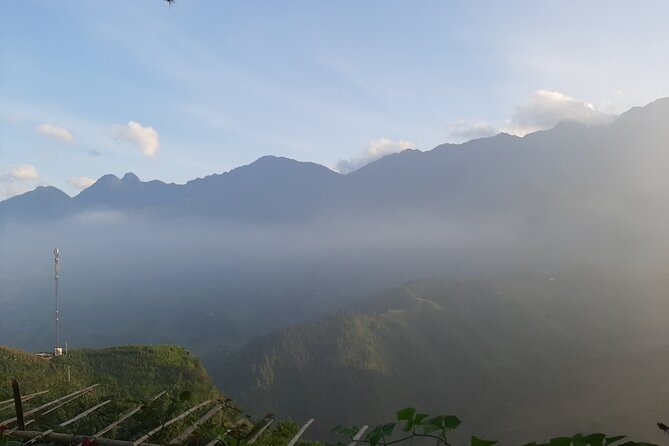
Sapa sits in northwest Vietnam, about 35 km from Lao Cai, and it earns its reputation for dramatic hills and terraced fields. This day trip is built around that strength: you’ll be moving through the valley rather than just looking from a viewpoint bus stop.
What makes it feel good for a one-day schedule is the pacing. You start in the morning, cover roughly 15 km on foot, eat a proper lunch, then continue on to Ta Van for more village scenery and culture. The Muong Hoa Valley angle helps break up the day so it’s not only walking between huts and fields.
The cultural focus is practical, too. Instead of treating ethnic life as a photo stop, the route passes places tied to daily routines—paths, fields, and weaving—so you see how people live in the mountains, not just how they perform for visitors.
You can also read our reviews of more guided tours in Sapa

The Morning Flow: Sapa Market Stop Before the Walk
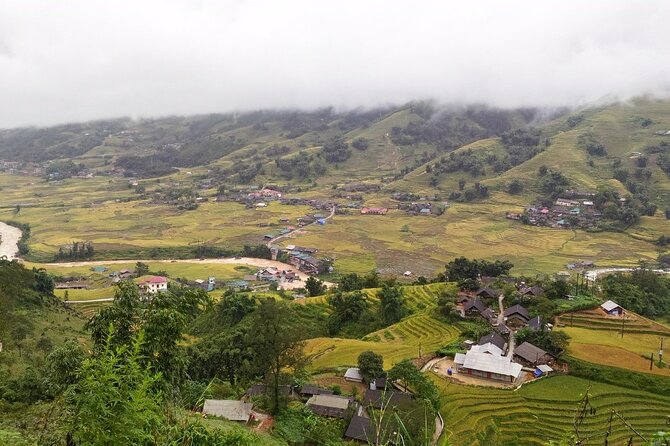
Your day starts at 9:00 AM, and you’ll begin with a stop at Sapa Market. Even if you don’t buy anything, this is a quick way to get your bearings: you’ll get a feel for what people trade, wear, and carry around town.
After the market, you set off from your homestay or hotel area. The trek begins along a path through rice fields and heads toward Y Linh Ho, a village that helps shift you out of town energy and into the slower rhythm of the valley.
This structure is smart. Market time is short enough that it doesn’t steal your whole morning, but it’s early enough that you can connect it to what you see later on the trail. If you like to understand a place by seeing what locals do first, this sequence fits your style.
Walking to Y Linh Ho: Rice Fields, Village Paths, and Real Terrain
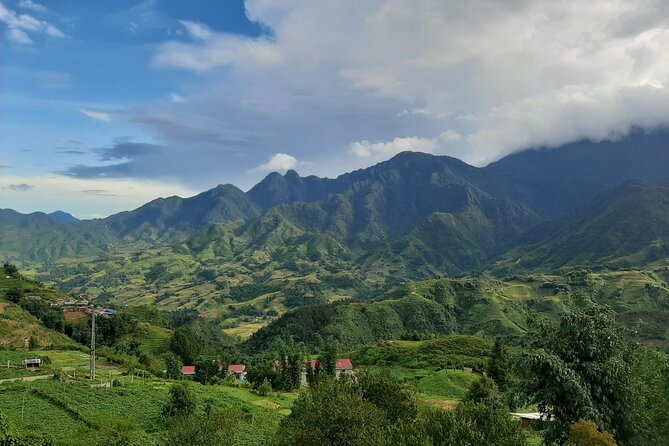
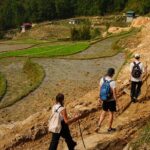
The trek route is about 15 km in total, and the first stretch leads you through rice fields to Y Linh Ho. In plain terms, you’re moving from town-adjacent views into narrow paths with changing scenery—fields, small lanes, and rural backdrops.
This part of the walk matters because it sets expectations for the rest of the day. You’ll likely notice how quickly the terrain changes as you gain perspective on the valley. Depending on the season and conditions, you may also find sections that feel muddy or slick, so you’ll want shoes you trust.
One nice detail from the route style: you’re not just hiking past scenery. You’re hiking through an area where buffaloes and bamboo groves show up on the paths, based on what some visitors describe from the trail experience. That kind of everyday rural texture is what makes the walk feel grounded.
Lao Chai Lunch: A Proper Break in the Middle of the Day
After continuing from Y Linh Ho, you reach Lao Chai, where you’ll have lunch at a local restaurant. This is a key moment because it pauses the trek right when your legs are warming up and before the afternoon becomes all downhill-and-uphill stress.
The lunch is included, and the food focus is on traditional dishes that connect to local gardens and farms. You’ll get a meal that feels like it belongs to the area, not something swapped in just to keep tourists fed.
One thing I like about this setup is the decision-making is simple. The tour description indicates you’ll be able to choose a main option (with typical choices listed as beef, pork, or chicken alongside rice-style dishes). That keeps lunch from dragging into a complicated ordering process, especially on a day schedule that still needs time for Ta Van.
Practical tip: treat lunch as part of the day’s pacing strategy. Eat, hydrate, and take a few minutes to reset before you start walking again. If you rush, the next village lanes feel longer than they should.
Ta Van Village: Terraces, Weaving, and the Hmong and Giay View of Life
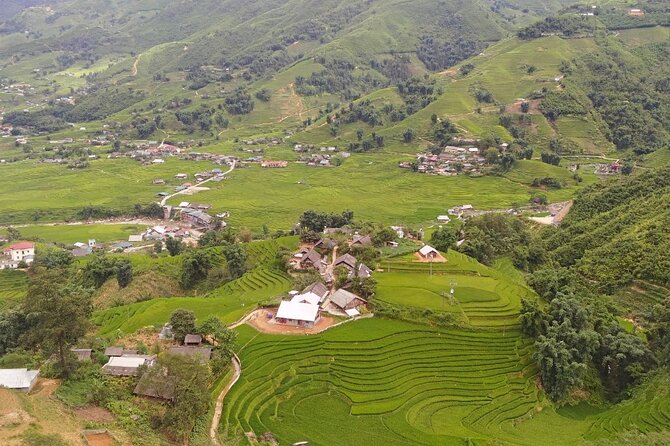
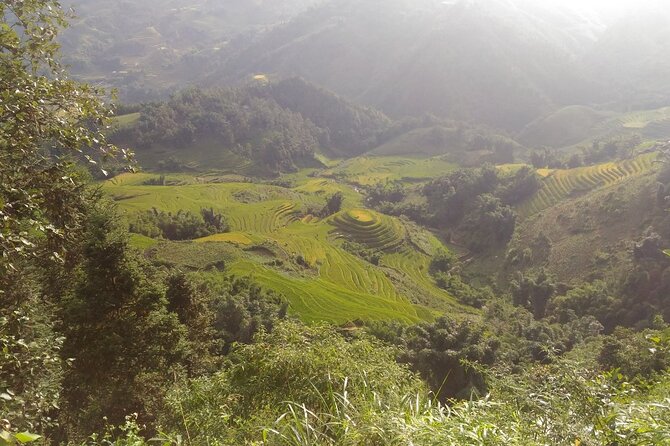
After lunch, the walk continues toward Ta Van village, where the scenery gets the kind of attention you can’t fully translate into photos. You’ll see terraced rice fields, a meandering river, majestic mountains, and mentions of waterfalls in the descriptions for this route.
Then there’s the people-and-craft piece, which is one of the reasons I’d pick this itinerary over a purely scenic hike. In Ta Van, you have time to see traditional weaving and daily lifestyle elements connected to the Hmong and Giay minority communities.
This portion is less about hitting a checklist and more about moving at a human pace. You walk through areas where you might notice children around and regular village activity, and your guide can help you understand what you’re seeing without turning it into a performance.
A quick reality check: you’ll be looking at real living spaces. Keep your behavior low-key—stay aware, ask before photographing close-up, and don’t try to treat the whole village like an open-air museum. You’ll enjoy the day more, and it’s respectful.
You can also read our reviews of more hiking tours in Sapa
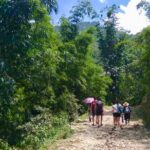
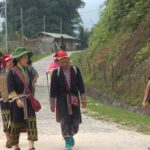
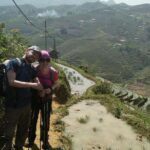


Muong Hoa Valley: The View Bonus That Makes the Day Feel Complete
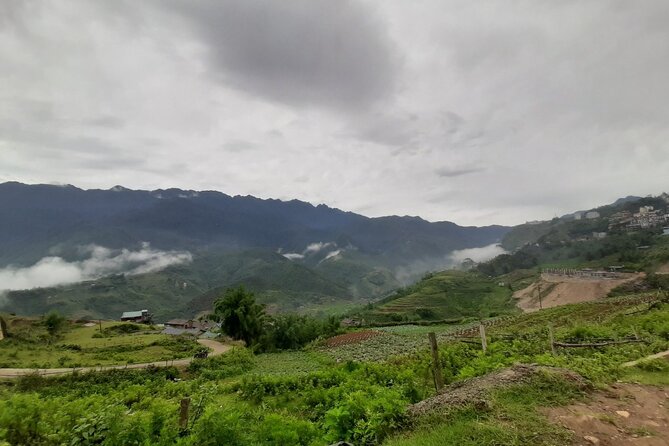
Your day includes Muong Hoa Valley, not just a name on a map. Think of it as the viewpoint and valley-scenery bonus that rounds out the trek so you don’t feel like you spent the entire day in one narrow channel of paths.
Even if some valley parts are driven-by rather than walked for the full distance, the purpose is clear: you get that wide perspective Sapa is famous for. This helps your brain connect the dots between the terraced slopes, the river systems, and the villages you walked through earlier.
If you love photos, you’ll appreciate having a view segment built in. If you don’t care about photos, you’ll still enjoy the break from constant downhill-and-uphill rhythm that a valley viewpoint can provide.
The Guide Factor: Why Local English Matters on This Trek
The tour is built around a private experience with local English-speaking guides, and this is a big deal in Sapa. On village hikes, understanding what you’re passing makes the scenery feel sharper instead of just pretty.
In the feedback I’ve seen, the guide quality shows up repeatedly. One guide named Anh is specifically praised as friendly and with English that’s described as among the best on trips through Vietnam. Another point that shows up is the ethnic guide lineup: Black Hmong, Red Dzao, and Tay guides, which means you’re meeting people whose families likely live close to the daily realities of the villages.
There’s also a value layer beyond conversation. When you choose guides from these communities, you’re supporting local livelihoods tied to tourism in a direct way. That’s not charity; it’s just how the local economy works here, and this tour is set up to keep that connection strong.
Price and Value: Is $40 a Fair Deal for 7 Hours?
At $40.00 per person, this trek can be a strong value if you want a one-day plan that’s both guided and organized. You’re getting a private tour, lunch included, private transportation, all fees and taxes, and bottled water.
What that means in real life is you don’t have to coordinate multiple pieces yourself. You’re not spending extra time haggling for transport, arranging lunch, or piecing together a guide for the whole route. For a busy travel schedule, that’s worth real money because time in Sapa is limited if you’re only there briefly.
Also, a private format changes the vibe. You can walk at a pace that fits your comfort, ask questions, and spend more time on what interests you (like weaving in Ta Van) rather than being squeezed by a large group.
The only money add-ons mentioned are tips and drinks. Drinks are easy to plan for, and tipping is optional but customary. If you’re watching costs, bring a water plan and budget a small tip if your guide makes the day better.
Timing and Pacing: From 9:00 AM to About 3:30 PM
The trek starts around 9:00 AM and is listed at about 7 hours total. The return pickup is described as coming from Ta Van at 3:30 PM, so you’re looking at a full morning of walking plus lunch, then an afternoon that keeps you moving but not rushing you into evening darkness.
Because the experience is roughly a half-day to afternoon, plan to avoid the trap of trying to do too much after. Let your next plan be flexible. This is the kind of day where your legs feel it, but not in a horror-movie way.
The tour also states it’s best for people with moderate physical fitness. That’s the right language: you don’t need to be a trail athlete, but you should be comfortable walking on uneven paths.
What to Bring for a Comfortable Day in the Hills
The tour data doesn’t list packing items, so I’m going to give you practical basics that match the realities of a Sapa village hike:
- Comfortable walking shoes with grip
- A light rain layer, since weather can shift in the hills
- Sun protection for rice-field walking stretches
- A small snack buffer if you get hungry between the market time and lunch
- A reusable water bottle, even though bottled water is included
Also, consider a small bag you can manage while walking. You’ll likely want hands free enough to take photos or adjust clothing as the route changes.
Weather Matters Here (And the Day Can Change)
The experience notes that it requires good weather. If conditions are poor, your day can be offered on a different date or you may receive a full refund.
This is one of those travel truths that saves disappointment. Sapa’s hills can turn slippery or foggy fast, and when that happens, a long village path day becomes less fun. If you’re flexible with dates, you’ll get a better shot at clear valley views and comfortable walking.
Who Should Book This Trek (And Who Might Want Another Option)
I think this tour is a great match if you want:
- A private, guided village trek without planning the route yourself
- Local culture tied to daily life, including weaving in Ta Van
- A full day that mixes walking, market time, lunch, and valley scenery
It may be less ideal if you:
- Struggle with uneven paths or long periods of walking
- Want a very slow pace with lots of long sits
- Are sensitive to weather changes and need guaranteed outdoors time
If you’re the type who likes understanding a destination through real routines, this itinerary makes sense.
Should You Book This Sapa and Muong Hoa Valley Day Trek?
If your time in Sapa is short and you want more than a quick sightseeing circuit, I’d book this. The combination of local English-speaking guidance, a route through Y Linh Ho, Lao Chai, and Ta Van, and an included lunch makes it feel like a complete day rather than a half-plan.
The deal also leans toward value: $40 includes transport, lunch, fees, and bottled water, so you’re not piecing together essentials mid-trip. Just be honest about your comfort with a moderate hike on rural paths, and you’ll likely come away thinking it was a well-run day.
FAQ
What time does the Sapa and Muong Hoa Valley trek start?
The start time is 9:00 AM.
How long is the trekking experience?
It runs about 7 hours.
What’s included in the price?
The package includes lunch, private transportation, all fees and taxes, and bottled water.
Do you offer pickup and transport back?
Yes. Pickup is offered, and you’re picked up from Ta Van at around 3:30 PM to return to your accommodation.
How much walking is involved?
The trek is about 15 km.
Is this tour suitable for everyone?
It’s intended for people with a moderate physical fitness level, since it involves a full day of walking on paths.