REVIEW · HIKING & TREKKING
Half-Day Private Muong Hoa Valley Trek and Ethnic Tribes Tour
Book on Viator →Operated by Authentic Hanoi Homestay & Travel · Bookable on Viator
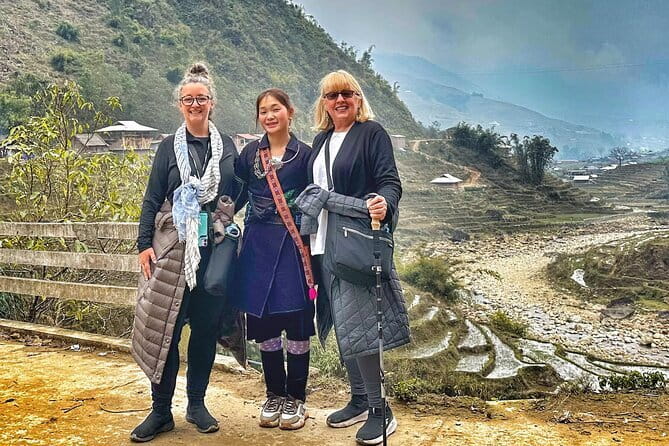
Five hours in Sa Pa, and you feel far away. A Muong Hoa Valley trek gives you stunning rice-terrace scenery and real conversation time in villages like Y Linh Ho, Ta Van, and Lao Chai, all with an English-speaking local guide named Sung. I especially like that lunch is included and you taste local produce, and I love that the pace is guided by someone who knows the routes and how to connect. One consideration: the early walking section can be tricky and slippery if there’s construction work and a steep bank to negotiate.
This is a true private half-day, so you’re not stuck in a large group shuffle. Pickup is offered from Sa Pa, and the day is timed so you’ll see multiple village stops without turning it into an all-day grind.
Expect a mix of road walking and narrow paths, plus trekking down to the valley and back with taxi/car support. Bring solid shoes, keep an eye on weather, and you’ll be set for a memorable culture-and-views outing.
In This Review
- Key highlights at a glance
- Why a five-hour Muong Hoa Valley trek feels like the perfect Sapa day
- Sung as your guide: the difference between watching and understanding
- Entering Muong Hoa Valley: Y Linh Ho and the Black Hmong introduction
- The Ta Van stretch: terraces, river lunch, and tasting local produce
- Lao Chai and the Dzay tribe: costumes and customs side-by-side
- Price and value: what $35 gets you in real terms
- How hard is it, really? Footwear, slips, and the moderate-fitness reality
- Private tour logistics that actually help your day
- Who should book this Muong Hoa Valley trek (and who might skip)
- Should you book it?
- FAQ
- What is the duration of the Muong Hoa Valley trek?
- Is this tour private?
- How many village stops are included?
- Do I get lunch on the tour?
- Are entrance tickets included?
- Is the guide English-speaking?
- Will I be trekking the entire time on foot?
- What fitness level do I need?
- Does the tour offer pickup in Sa Pa?
- What if weather is bad?
- Can I cancel for a full refund?
Key highlights at a glance
- English-speaking guide Sung: friendly, helpful, and able to explain what you’re seeing.
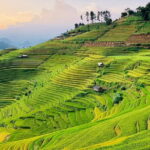
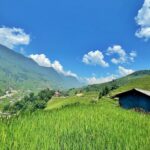
- Muong Hoa Valley rice terraces: classic Sapa scenery in a short, efficient route.
- Y Linh Ho village time: an early cultural stop with guided interaction.
- Lunch near the river: included and paired with tasting local produce from the community.
- Black Hmong vs Dzay contrast: you’ll see how customs and costumes can differ village to village.
- Private pacing with transport support: taxi/car back helps keep the trek realistic for a half day.
Why a five-hour Muong Hoa Valley trek feels like the perfect Sapa day
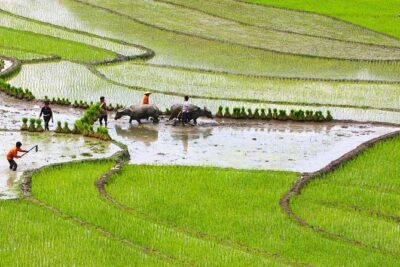
Sapa can tempt you into long, exhausting hikes. This one is different. In about 5 hours, you get the heart of the Muong Hoa Valley experience: terraced fields, village life, and a real sense of how people farm and live in these mountain communities. You’re not just taking photos—you’re walking with context.
What makes it especially practical is that the trek is structured around short village visits and guided movement between them. The day includes trekking down to the valley, plus taxi/car help for the return, so the hardest parts are manageable. If you’re in Sapa for just a day or two, this “half-day that still feels full” approach is a smart fit.
And because it’s private, you can slow down when the scenery wins, or ask questions when the guide points out daily details you’d miss on your own. That “local explanation” is a big deal when you’re seeing ethnic communities with distinct customs and clothing.
You can also read our reviews of more private tours in Sapa
Sung as your guide: the difference between watching and understanding
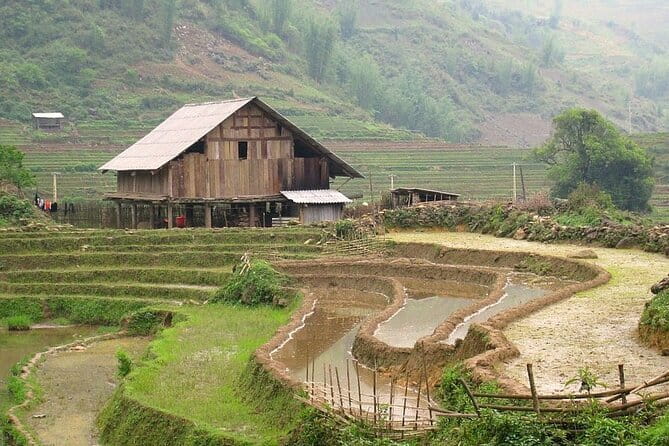
An English-speaking local Hmong guide named Sung is one of the strongest reasons to book this tour. The key point isn’t just language—it’s comfort and flow. When a guide can explain clearly and stay friendly, the village visits stop feeling like a checklist.
Sung’s role matters in two ways:
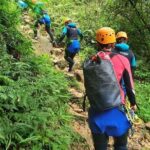
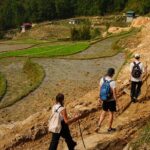
First, she helps you navigate the trail with confidence. The route includes paths and some road segments, and the early portion can be slippery and tricky, especially if construction work is happening. A good guide will steer you through it without making you feel rushed.
Second, Sung helps you connect with people in a respectful way. You’ll interact with locals at village stops, and she can frame what you’re seeing—like what everyday life looks like around farming, how people use local produce, and why certain clothing or habits differ from one community to another.
If you care about getting more out of your photos—rather than just collecting them—an experienced, personable guide is the value multiplier in this itinerary.
Entering Muong Hoa Valley: Y Linh Ho and the Black Hmong introduction
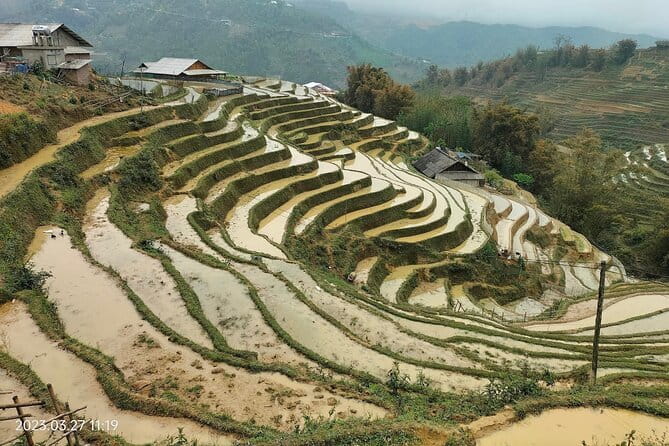
Your day starts from Sa Pa and quickly transitions into the Muong Hoa Valley area. There’s about a 20-minute walk along the road to reach the Y Linh Ho village of the Black Hmong tribe. That short road segment may not sound like much, but it sets the tone. You begin seeing how the valley opens up, and you’re not instantly dropped into a long trek.
At Y Linh Ho, you spend about an hour, with admission tickets included. This is your first real cultural contact point. The tour is designed for interaction, not just a brief look-and-leave stop. You’ll get time to observe and talk, which is often the most meaningful part of Sapa village days—because it turns the experience from scenery into people and daily routine.
What I like about this setup is the order. You start with an introduction village early, when you still have energy. It also helps later stops make more sense, because you’re already seeing one community’s way of life before you compare it to others.
One caution: the early walking can feel more effort than you expect if the ground is wet or uneven. The review you’ll hear most often about this kind of Sapa route is simple—wear shoes you can trust on slippery spots.
The Ta Van stretch: terraces, river lunch, and tasting local produce
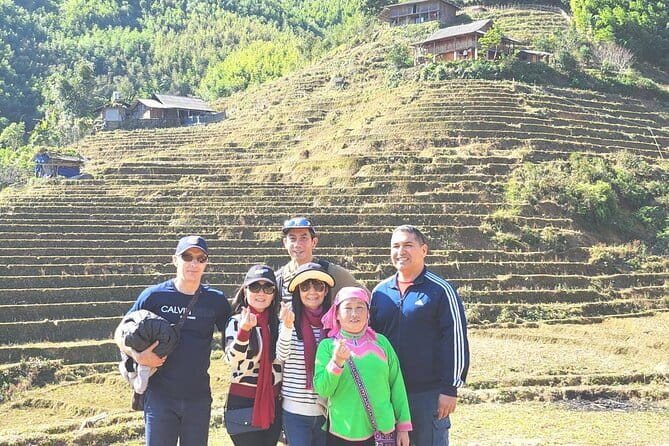
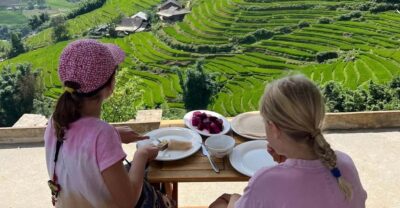
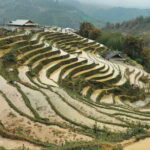
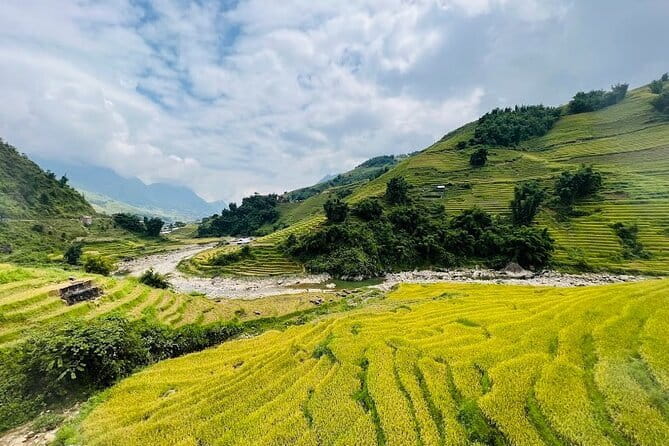
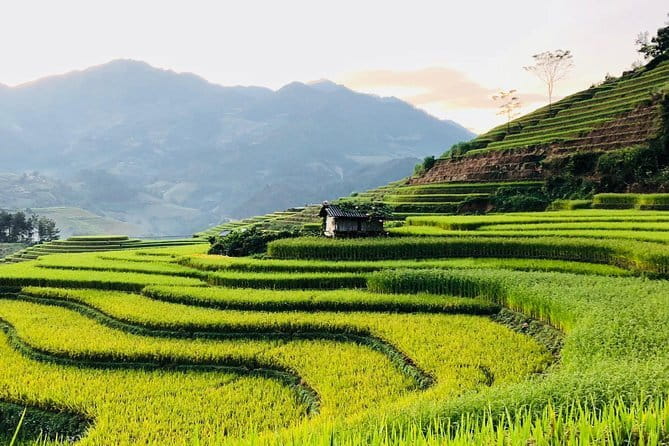
After Y Linh Ho, the tour shifts toward views over some of the area’s most beautiful rice terraces in Vietnam. This middle portion is where the valley scenery really starts doing its job. You’ll get spectacular terrace views and time to experience the environment that shapes daily life here.
Stop 2 is the Ta Van village experience, and it takes about 3 hours overall in this part of the day. Lunch is included, and it’s set near the river. That detail matters. A river-lunch break gives you a calmer moment to reset your legs and your head while the valley keeps moving in the background.
You’ll also taste local produce as part of the lunch. That’s an important distinction from tours that only hand you a generic meal. When you get to try what people eat locally, you understand the valley’s agriculture in a more direct way. It’s not just pretty fields—it’s food and habit.
As for the trek itself, this segment includes walking between village points. Expect a mix of surfaces rather than one perfectly uniform path. Some days you’ll feel the trail more than you expect because of mud, water, or construction activity.
If you want the best odds of enjoying this section, plan for realistic shoes and a steady pace. The route isn’t about sprinting through checkpoints. It’s about walking with breaks and letting the views land.
Lao Chai and the Dzay tribe: costumes and customs side-by-side
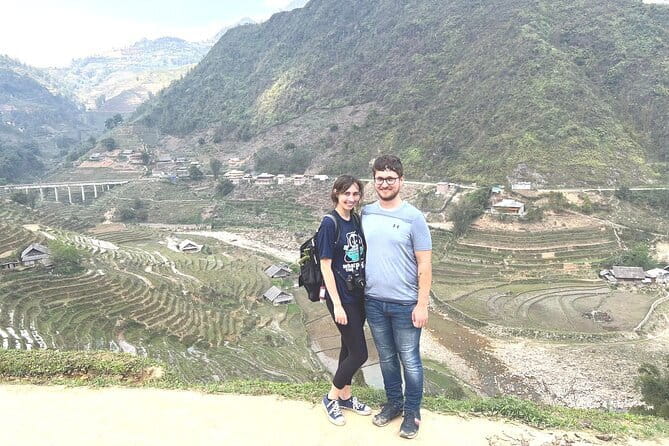
The final village stop is Lao Chai, and it’s all about contrast. You’ll spend about an hour here, and the tour is set up so you can compare Black Hmong life with the Dzay tribe’s customs and clothing.
This is where the experience becomes more than just “ethnic village sightseeing.” When communities are compared in a guided way, you start noticing what changes—like style choices, cultural patterns, and daily rhythm. The tour explicitly frames this contrast, so you know what to look for rather than guessing.
Lao Chai is also listed as having admission ticket free, which is a small but useful detail. You can focus on the visit itself instead of feeling like you’re paying again and again for short stops.
After this, you’ll head back toward Sa Pa by bus, taxi, or car and get dropped off at the local office on arrival. That timing keeps the day from turning into a long late-afternoon slog.
For many people, this final contrast stop is what makes the half-day feel complete. You get terraces and food in the middle, then you end with a cultural comparison that sticks.
You can also read our reviews of more hiking tours in Sapa

Price and value: what $35 gets you in real terms
$35 per person sounds like a bargain, but the real question is what’s included. Here’s the practical value picture:
You’re paying for:
- An English-speaking local guide (Sung)
- Entrance tickets to the indicated sites
- A local lunch, plus tasting local produce
- Trekking to multiple villages: Y Linh Ho, Ta Van, and Lao Chai
- Transport support: trekking down to the valley and back with taxi/car help (not “walk the whole time”)
You’re not paying for:
- Beverages
- Travel insurance
- Tips
- Personal expenses
- Tax (and a possible holiday surcharge)
So the value comes from bundling. If you tried to recreate this alone, you’d still need a guide who can navigate rural paths, arrange village access appropriately, and help with communication. You’d also need to solve transport logistics and meal planning. In that context, $35 can feel fair—especially because it’s a private tour, not a crowded group experience.
One other value clue: this tour tends to be booked about 50 days in advance on average. That usually signals steady demand, often from travelers who want a manageable half-day that still covers multiple communities.
If your goal is culture plus scenery without losing your whole day, this price-to-time ratio is one of the strongest reasons to consider it.
How hard is it, really? Footwear, slips, and the moderate-fitness reality
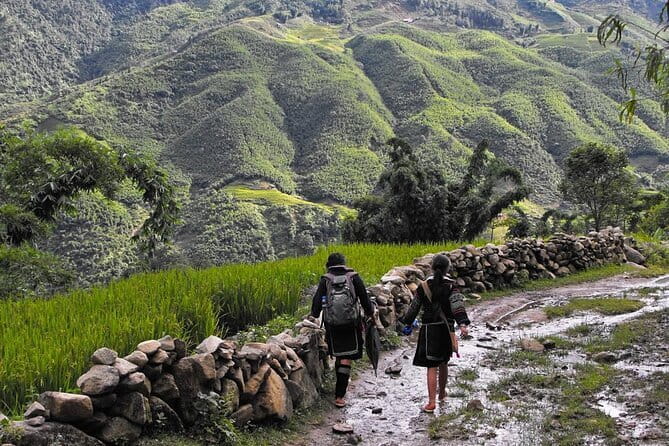
This tour asks for moderate physical fitness. That doesn’t mean it’s extreme. It does mean you should be comfortable walking on uneven ground, and you should expect that conditions change.
Here’s what matters for your comfort:
- There are both road segments and narrow paths.
- The early part can be steep and slippery, especially if construction work is underway.
- You’ll trek down toward the valley and then return with taxi/car support, which reduces the total strain.
If you’re the type who gets annoyed by wet shoes or slips easily, don’t try to “power through” with sandals. Wear shoes with grip and plan to take it slowly at the start.
Also, keep your expectations right for a five-hour outing. This is not a gentle stroll. It’s a real trek with stops, and those stops are part of what makes it worth it.
Private tour logistics that actually help your day
This is listed as a private tour/activity, meaning only your group participates. That changes your experience immediately. You’ll have more freedom to ask questions, adjust pace, and spend a little more time at viewpoints or during interactions without feeling like you’re dragging a large group behind you.
Pickup is offered, which matters in Sapa because you don’t want to start your trek already stressed about transport. Add in a mobile ticket, and you have fewer loose ends to worry about during the day.
You’ll also notice the itinerary is divided into clear time blocks:
- About 1 hour at Y Linh Ho
- About 3 hours across terraces, lunch, and Ta Van
- About 1 hour at Lao Chai
That structure makes it easier to plan your other activities in Sapa. It’s one of those tours that fits naturally between sightseeing, a market stop, or a restful afternoon.
Who should book this Muong Hoa Valley trek (and who might skip)
I’d recommend this tour if you want:
- Rice terraces and village culture without committing to a full-day trek
- A private experience with an English-speaking local guide
- A guided comparison between Black Hmong and Dzay communities
- Included lunch and a tasting component that connects food to the landscape
You might skip it if:
- You want an extremely easy walk with no uneven sections
- You’re not comfortable with slippery conditions early in the day
- You’d rather spend more time in one place instead of seeing multiple village stops within a short window
If you’re traveling with limited time in Sapa, this “half-day with meaning” format is a smart way to get more than just views.
Should you book it?
Book it if you want a tight, guided route that covers Muong Hoa Valley scenery, village life, and a culture contrast in one afternoon. The included lunch near the river and the chance to taste local produce make the stop feel practical, not staged.
Most importantly, go for it if you value a good guide. Sung’s helpful, friendly English-speaking style is exactly what turns a trek into a conversation, especially when the terrain gets tricky at the beginning.
If you’re deciding between this and a longer trek, this one tends to win for balance: you get the key places without needing the stamina for an all-day hike. Just show up with grippy shoes and a flexible attitude toward trail conditions, and you’ll likely leave with the kind of understanding that lasts longer than the photos.
FAQ
What is the duration of the Muong Hoa Valley trek?
The tour runs for about 5 hours (approx.).
Is this tour private?
Yes. It’s a private tour/activity, and only your group participates.
How many village stops are included?
You’ll visit Y Linh Ho, Ta Van, and Lao Chai.
Do I get lunch on the tour?
Yes. A local lunch is included, and it’s described as being near the river.
Are entrance tickets included?
Entrance tickets are included for the indicated sites.
Is the guide English-speaking?
Yes. The tour includes an English-speaking local Hmong guide.
Will I be trekking the entire time on foot?
You’ll trek down to the valley and back by taxi/car, so it’s not walking the whole time.
What fitness level do I need?
The tour says travelers should have a moderate physical fitness level.
Does the tour offer pickup in Sa Pa?
Pickup is offered.
What if weather is bad?
The experience requires good weather. If it’s canceled due to poor weather, you’ll be offered a different date or a full refund.
Can I cancel for a full refund?
You can cancel up to 24 hours in advance for a full refund. If you cancel less than 24 hours before the start time, the amount paid will not be refunded.