REVIEW · HIKING & TREKKING
Trekking 1 circle the local village to admire Muong Hoa valley
Book on Viator →Operated by Saparis Horizon Travel · Bookable on Viator
Village trails beat Sapa crowds. This 2-day trek circles local villages in Muong Hoa valley, with mountain viewpoints and one night at a village homestay to slow you down. You’ll start with pickup in Sapa town, then spend two full days walking paths between terraced fields and ethnic communities.
I like two things a lot: the walk is planned around panoramic viewpoints, including a classic look over Sapa town and the terraces. I also like that the trip is built for real day-to-day village life, not just photos, with one night in a local homestay and time to eat and watch how people live.
The one thing to consider is that this is a walking-focused itinerary. If you dislike early starts or long days on uneven footpaths, the schedule may feel a bit of a grind, and a few stops can be more tour-frequent than remote.
In This Review
- Key highlights you should know
- The big idea: a Muong Hoa valley loop that swaps town time for village paths
- Day 1 timing: pickup in Sapa, then straight into Hang Da and Hau Thao
- What to watch for on day 1
- Hang Da and the Black H’Mong village experience
- A practical note about cultural stops
- Hau Thao: rice fields, traditional houses, and a calmer vibe
- Su Pan homestay night: the piece that makes the trip feel real
- The main drawback: you trade comfort for closeness
- Day 2 begins at the homestay: Giang Ta Chai, then Ta Van’s rice terraces
- What’s great about having Giang Ta Chai then Ta Van
- Lao Chai and the Muong Hoa valley crossing: the moment the loop pays off
- Why this ending works
- Views and pacing: how the schedule feels on your body
- Food and energy
- Price and value: is $85 fair for what you get?
- Who this Sapa village trek suits best
- Should you book this Muong Hoa village trek?
- FAQ
- Where are you picked up in Sapa?
- Is this a private tour?
- Which villages and ethnic groups are included?
- Do you have an overnight stay and meals?
- Are entrance fees included?
- What’s the cancellation policy?
Key highlights you should know
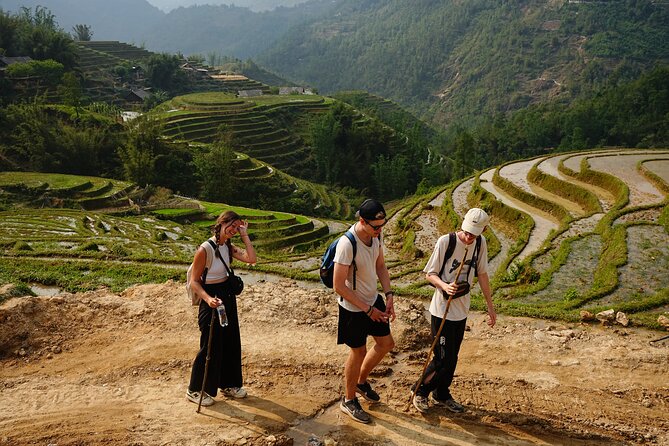
- Muong Hoa valley views from the trail on day two, including the moment you cross into the valley area
- Hang Da Village (Black H’Mong) and Lao Chai Village (Black H’Mong) for repeated perspectives on daily life and terraces
- Giang Ta Chai (Red Dao) and Ta Van (Giáy), adding variety beyond just one ethnic community
- Su Pan homestay night for a slower pace, local food, and village atmosphere after trekking
- Pickup from Sapa town plus a private-group setup, so you’re not stuck waiting around
The big idea: a Muong Hoa valley loop that swaps town time for village paths
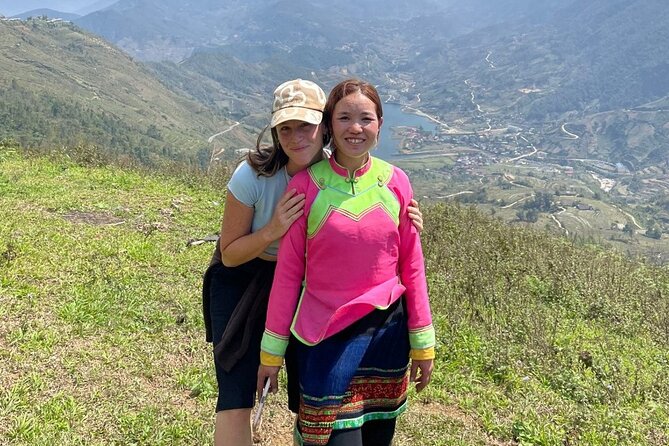
This trek is designed for people who want Sapa’s scenery, but on foot through local paths instead of just viewpoints near town. The route takes you through multiple villages and rice fields, with a night stay in a homestay so you’re not rushing back the same day.
The rhythm is simple: walk out on day one to Su Pan, settle in for the night, then continue the loop across day two through more villages and into the Muong Hoa valley area. Along the way, the tour includes set stops with time to look, walk between terraces, and experience everyday village life.
You’ll also get a built-in structure that helps on a two-day trip. With pickup, guided segments, and planned timing between stops, you don’t have to piece together buses, taxis, or route maps when the mountains are changing your plans by the hour.
You can also read our reviews of more hiking tours in Sapa

Day 1 timing: pickup in Sapa, then straight into Hang Da and Hau Thao
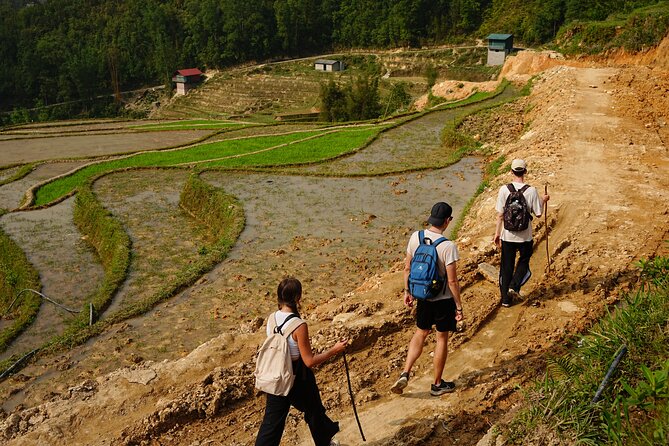
Your day starts in Sapa town with pickup around 08:00–08:30 from your accommodation. The plan is to get you moving early, when the light is often kinder and the roads aren’t as crowded. After a short introduction, you head out toward the first village stop.
Around 10:00–11:30, you reach Hang Da Village, home to the Black H’Mong community. The timing gives you enough time to look around without feeling like you’re sprinting through. You also follow a mountainside route down to the village, which matters because that descent shapes what you see—terraces and ridgelines appear in layers as you go.
From there, lunch happens before the next segment. The itinerary then continues to Hau Thao around 13:00–13:30, where you walk to the village area and spend time exploring the ethnic life. This part is less about one single named culture highlight and more about the feel: rice fields nearby, traditional houses, and quiet streets that show what life looks like when you’re not inside a tour bubble all day.
What to watch for on day 1
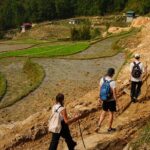
Day one is the day where you’ll feel the “real trekking” side of the trip. Even if you’re not doing extreme hikes, you’re still moving between villages with time for stops, and your body will notice the rhythm difference from city walking.
Also, the itinerary spacing is tight in the middle of the day—so if you’re the type who needs long toilet breaks or lots of snack stops, plan extra time and patience. The good news: you’re with a group, and the schedule keeps you from getting lost or stuck.
Hang Da and the Black H’Mong village experience
Hang Da Village isn’t just a stop on a checklist. It’s your first real taste of Sapa’s multi-ethnic village world, specifically through the Black H’Mong community. When you start with this village, you get a baseline for what typical stilt-house layouts and terraced-field living can look like in this region.
The walk down the mountainside helps, because you’re not arriving only at eye level. You’re seeing how the terrain shapes the fields and the homes. That vertical sense is part of why these hikes feel special: the scenery isn’t a single photo; it changes as you go.
A practical note about cultural stops
Village visits here focus on observing and walking through local life. You’ll want to be respectful with photos and keep expectations grounded. Even when a village is well-known, you’ll still get the most out of it if you approach with patience and curiosity rather than a checklist attitude.

Hau Thao: rice fields, traditional houses, and a calmer vibe
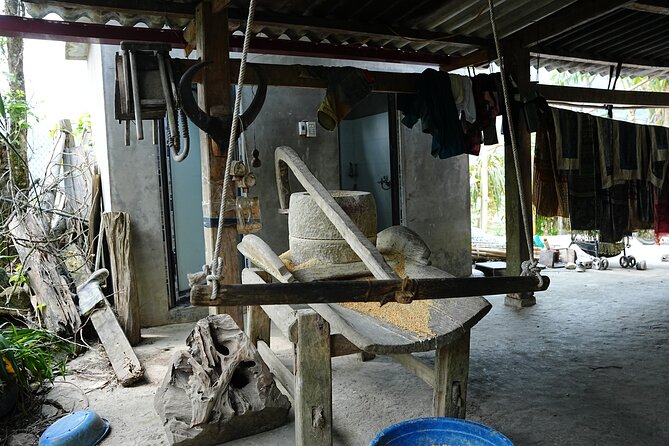
After Hau Thao, you’ll likely feel the difference between a viewpoint-driven part of Sapa and the village pace. The itinerary places Hau Thao after lunch, with time to walk into the village and take in the surrounding rice fields.
This stop can feel like a breather. You’re not only moving downhill or chasing the next view—you’re slowing down long enough to notice household life, paths between fields, and the small details that make village life look continuous rather than staged.
If you love photography, Hau Thao is useful because it gives you variety in textures: house styles, narrow lanes, and terraces all in one segment. If you’re less into photos, it still helps because it gives your brain a rest from hiking intensity without removing you from the experience.
Su Pan homestay night: the piece that makes the trip feel real
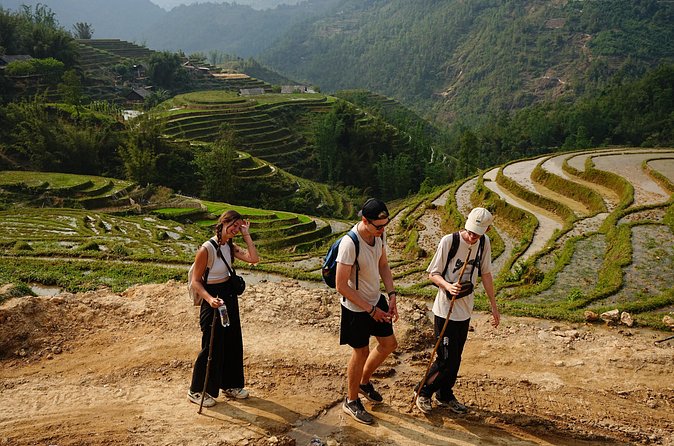
Around 14:30–15:00, the trip heads to Su Pan village and you stay 1 night at a local homestay. This overnight stop is the heart of why this route works for two days instead of feeling like a quick tour bus with walking attached.
In Su Pan, you get time to enjoy local food and culture and breathe in the quieter village atmosphere. That phrase matters in practice: after a full day of trekking, an overnight homestay turns the afternoon into something more than just waiting for transport. You’re in the community during the time the village shifts from day activity toward evening calm.
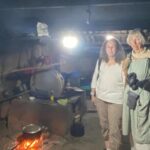
Homestays are also where groups often settle into a shared rhythm—slower meals, fewer rush moments, more time to talk with your guide about what you’re seeing. Even without long scripted cultural performances, the night gives you room to connect the scenes from earlier in the day.
The main drawback: you trade comfort for closeness
I’ll be straight with you: a homestay night is not a hotel night. You’re choosing closeness to village life, and that usually means simpler facilities and fewer conveniences. If you’re strict about comfort, you’ll want to set your expectations now so you don’t get grumpy halfway through the evening.
Day 2 begins at the homestay: Giang Ta Chai, then Ta Van’s rice terraces
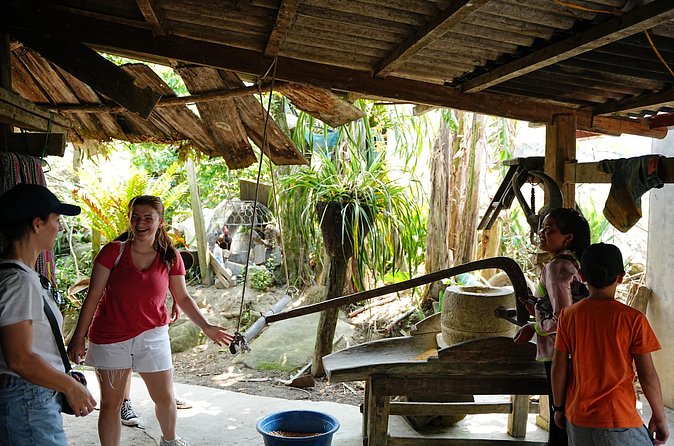
You start the second day at 08:30–09:00, with breakfast at the homestay. Then the local guide comes to you and you begin trekking toward Giang Ta Chai village, around Red Dao community territory.
Giang Ta Chai is small, but the itinerary gives you time to see more than just one corner of it—about 2 hours on that segment. This part often works well because it’s early enough that you can still feel fresh, and it’s close enough to the morning to keep your energy steady before the larger terrace walking.
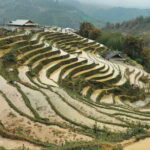
As you head onward, the route brings you toward Ta Van village around 10:30. Here, the itinerary specifically points you toward large rice terraces and interaction with the Giáy people. The walking time to experience the area is longer here—about 3 hours—so it’s one of the most scenic and time-heavy parts of day two.
Ta Van is where terraces start to dominate your view in a bigger, open way. If you like that “rolling layers” feeling in photos, you’ll likely understand why people come to this area after spending enough time on the paths.
What’s great about having Giang Ta Chai then Ta Van
This sequence avoids repeating the same village vibe back-to-back. You get one smaller community stop in the morning, then later you shift into a terrace-forward walking segment. That keeps the day from becoming monotone and helps you compare how different communities use the same mountainous terrain.
Lao Chai and the Muong Hoa valley crossing: the moment the loop pays off
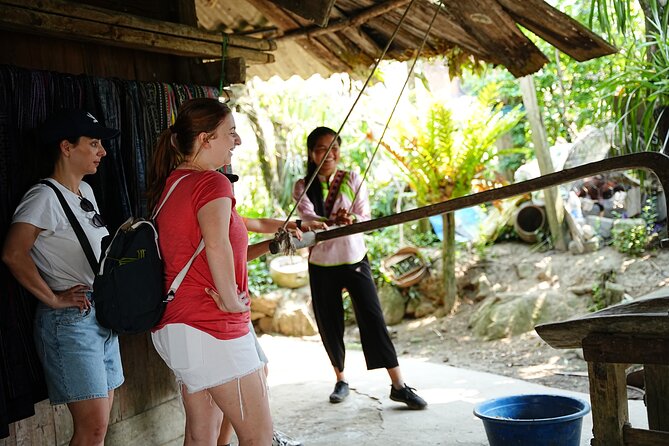
After Ta Van, you continue trekking to Lao Chai around 13:30. Lao Chai is described as a large village of the Black H’Mong people, and this repetition is interesting: you see Black H’Mong life in a different setting than Hang Da.
One detail that matters for the feeling of the day: you cross a small bridge to enter the Muong Hoa valley area. That bridge moment isn’t just a route step—it’s a psychological shift. You’re moving into a wider valley view, which can make the scenery feel more expansive even if you’re still walking the same pace.
From there, you reach the stop point in Lao Chai around 15:00, and the car picks you up to return to your accommodation in Sapa town. After a long couple of days on foot, it’s also a good point to plan a simple recovery: the tour notes you can try a herbal bath in town to relax.
Why this ending works
Ending with pickup from Lao Chai means you don’t have to fight traffic or navigate the last stretch on your own. Your guide handles the handoff from foot to vehicle, and you get a clean finish to the loop.
Also, ending around mid-afternoon tends to be helpful if you want to do a little extra that same day in Sapa—because you’re not returning late enough to lose the evening.
Views and pacing: how the schedule feels on your body
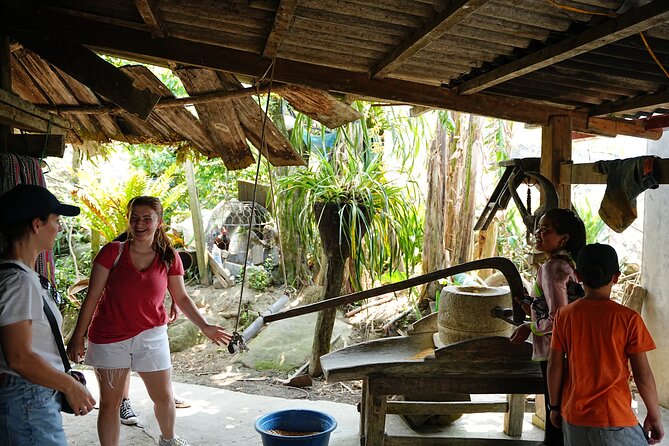
This is a two-day plan that balances walking with enough village time to feel like a cultural trek rather than a pure hike. You’re moving through multiple ethnic villages and spending time at each stop, which means you’re not just chasing views with zero context.
Day one is your ramp-up: pickup, Hang Da, then Hau Thao, then Su Pan for the night. Day two is your longer scenic stretch: Giang Ta Chai, Ta Van terraces, and then Lao Chai with the Muong Hoa valley feel.
In practical terms, the pace suits people who like walking but don’t want to take on a multi-day trek with minimal structure. The itinerary also says most travelers can participate, which is a useful sign if you’re wondering whether this is only for hard-core hikers.
Food and energy
The tour includes lunch on the day you’re out in the villages, and the setup is designed so you’re not trekking on an empty stomach. You’ll also have breakfast at the homestay, which helps you avoid the early-day energy crash that can happen on mountain routes.
Price and value: is $85 fair for what you get?
At $85 per person for about 2 days, this trek is priced like a guided, service-based experience rather than a DIY hike. The value comes from what’s bundled: pickup in Sapa town, a guided route through several villages, and an overnight homestay in Su Pan.
There’s also a practical bonus: the tour includes group discounts and a mobile ticket. And the tour is listed as private, meaning only your group participates, which usually improves the experience because you’re not getting split across multiple groups.
One more thing to factor in is access to time. You’re seeing multiple villages across two days without having to plan transport between trailheads and settlements. When you’re in Sapa, that kind of planning effort often becomes the real cost, even before you add ticket prices.
If you want the most value, go with the mindset of someone who wants a full two-day trail story—views, village encounters, and the homestay night. If you’re only after one or two quick photos at terraces, you might find cheaper options elsewhere.
Who this Sapa village trek suits best
This trek fits you if:
- You want a structured loop that still feels local, not just a single village day
- You like meeting communities and walking between rice fields at a human pace
- You’re okay with a homestay night as part of the experience
It may not fit you as well if:
- You dislike trekking schedules and prefer very short outings
- You expect hotel-level comfort in the overnight stay
- You want strictly remote villages with zero tour presence (some stops can be more well-known)
Based on the vibe from the experience itself, it’s a good match for first-time Sapa visitors who still want authenticity, and for repeat visitors who want to see more than just the same viewpoint circuits.
Should you book this Muong Hoa village trek?
I’d book it if you want the right mix: scenic trails, panoramic valley views, and an overnight in Su Pan that turns the trip into something more than a day hike. The itinerary hits multiple ethnic communities (Black H’Mong, Red Dao, and Giáy) and connects them with rice-terrace walking, so you get variety without feeling random.
I’d think twice if you’re sensitive to long walking days or you don’t enjoy homestay-style nights. In that case, choose your comfort level first, because this route is built around being out there—walking, looking, and then sleeping in the village.
If you can handle that, Muong Hoa valley is where this trek earns its name. The loop design makes the views build, and the ending with pickup gives you a clean close without stretching the day too late.
FAQ
Where are you picked up in Sapa?
The tour offers pickup from accommodations in Sapa town, starting around 08:00–08:30.
Is this a private tour?
Yes. The experience is private, meaning only your group participates.
Which villages and ethnic groups are included?
You visit Hang Da Village (Black H’Mong), Giang Ta Chai Village (Red Dao), Ta Van Village (Giáy), and Lao Chai Village (Black H’Mong). You also stop at Hau Thao and stay in Su Pan for the homestay night.
Do you have an overnight stay and meals?
Yes. You stay 1 night in a local homestay in Su Pan. You’ll have breakfast at the homestay on day two, and lunch is provided during the trek.
Are entrance fees included?
Admission tickets are listed as free for the tour stops in the itinerary.
What’s the cancellation policy?
You can cancel for a full refund up to 24 hours in advance of the experience’s start time. If you cancel less than 24 hours before, the amount paid is not refunded.