REVIEW · HIKING & TREKKING
Number one top rated ethical cultural trekking and homestay by ETHOS
Book on Viator →Operated by Ethos - Spirit of the Community · Bookable on Viator
A trek in Sapa can feel like a routine. This one is different because you spend the night with a host family and hike through working scenery like rice terraces and bamboo forests. What I like most is that the day isn’t just walking; you also get time to cook and share lunch with your hosts.
I also like the private setup. Only your group goes, and the guiding tends to focus on day-to-day local life rather than treating culture like a museum stop. The inclusion of dinner, breakfast, and two lunches means you’re not budgeting food while you’re busy with the trail.
One consideration: the walking is real. Day 1 is about 14 km, and there’s a steep climb section, so you’ll want a moderate fitness level and shoes that can handle uneven ground.
In This Review
- Key takeaways before you go
- Why this 2-day Sapa trek feels more human than a checklist
- ETHOS Spirit of the Community: what makes it ethical (in practice)
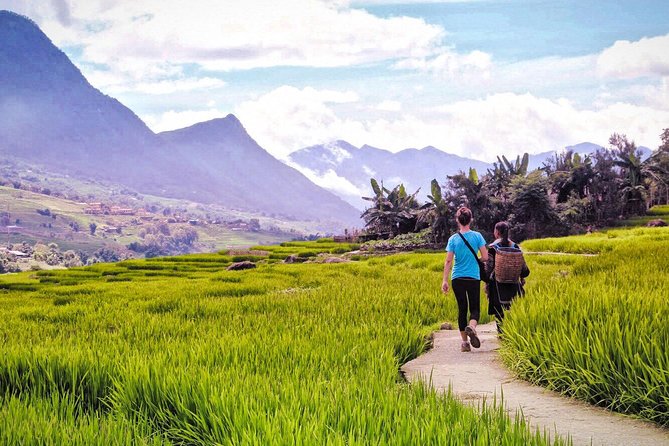
- Day 1: 14 km through rice terraces and traditional villages
- Night in a village homestay: the real value is the conversations
- Day 2: pick your hike challenge, then taxi back to Sapa
- Meals and water: what’s included, and why it changes your hike
- Price and value: is $93.34 per person a good deal?
- Starting point in Sapa: timing and what to expect
- Weather and pacing: the few things that can make or break the days
- Who this trek suits best (and who should pass)
- Should you book this ETHOS 2-day Sapa trek?
- FAQ
- How long is the Sapa trek and homestay?
- What is the price per person?
- Is this tour private?
- What time does the tour start, and where?
- How does Day 1 compare in hiking difficulty?
- What happens on Day 2?
- What meals are included?
- What about drinks and accommodations?
- Is travel insurance included?
- What if the weather is poor?
Key takeaways before you go
- Real village connection: You sleep in a village homestay, not a hotel, which makes the cultural learning more practical
- A full meal plan: Dinner, breakfast, and two lunches are included, plus water and refreshments
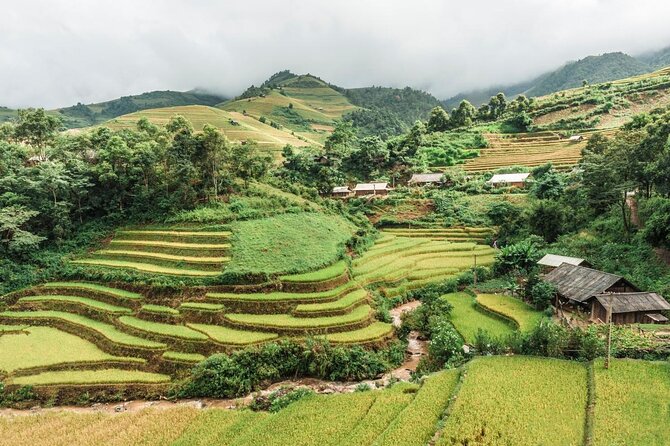
- Scenery with variety: Rice terraces, traditional villages, and bamboo forest stretches keep it interesting
- Flexibility on Day 2: You choose how far/challenging your morning hike feels, then a taxi brings you back to Sapa
- Private means less hassle: A minimum of two people is required, and it stays just your group
Why this 2-day Sapa trek feels more human than a checklist
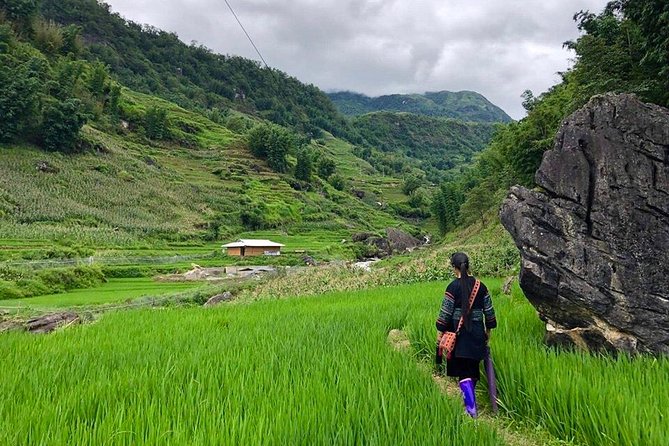
Sapa has a way of turning “culture” into something you hurry through. This trek slows things down on purpose. You get a first day focused on walking through rice paddies and villages, then you shift into the kind of evening where conversation matters more than photos.
You’re also not doing this as a big cattle-car group. Because it’s a private tour for your group, you’ll spend less time waiting around and more time asking questions. And since the program includes meals, you can stay in trail mode instead of constantly hunting for lunch.
You can also read our reviews of more hiking tours in Sapa

ETHOS Spirit of the Community: what makes it ethical (in practice)
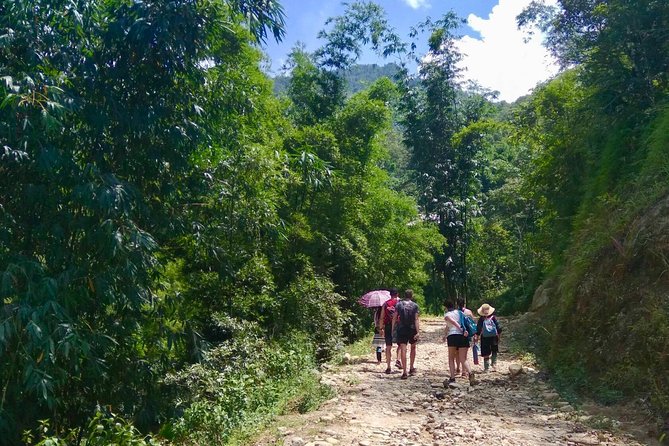
ETHOS is centered on community involvement, not just operating a trek like a product. The guides and the host families are part of the point, and several reviews highlight how much guests appreciated learning about local life in a grounded way.
You can see that approach in the way the day is structured. You don’t just pass houses; you stop, share lunch, and spend the night with a host family. That’s a big difference from the standard “arrive, walk a path, depart” routine.
The guiding style also comes through in the names guests shared—Cha, Hoa, Ker, Kae, and My. They’re described as friendly, thoughtful, and able to connect the trail to what people actually do day to day. In other words, you’re not stuck with someone reading facts off a sign.
Day 1: 14 km through rice terraces and traditional villages
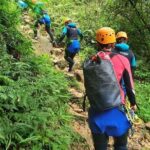
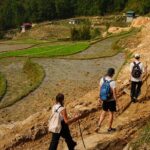
Day 1 is about an easy nine miles (around 14 km). The first 6 km are described as relatively easy but undulating, which is good news if you’re not an athlete. You’ll still be on uneven ground, so expect your legs to notice it even if your breath doesn’t.
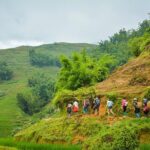
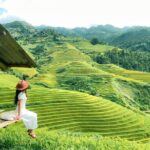
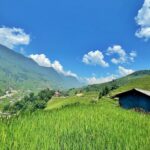
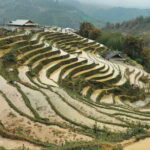
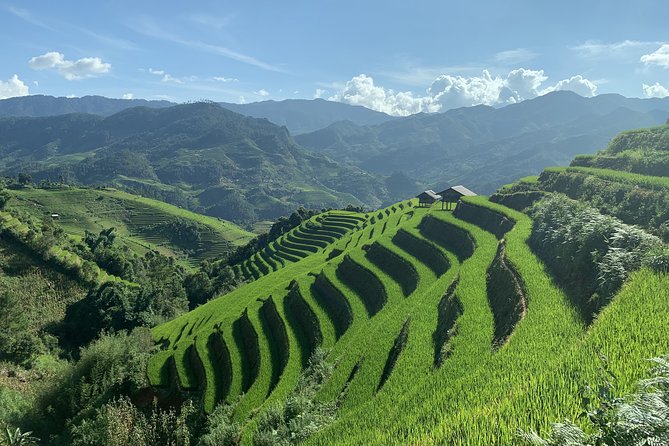
The route takes you past rice terraces and traditional villages. This is where the trek becomes more than scenery. Rice terraces aren’t just pretty layers; they’re a working landscape shaped by local knowledge, seasonal routines, and labor. Even with no lecture, you’ll feel the logic of the paths and the way farms and homes connect.
Then comes the part to respect: there’s a steep climb of about 2 km before you stop. That climb is short enough to manage, but it’s enough that you’ll want steady pacing and water. If you tend to sprint at the start of a hike, this is where that habit catches up with you.
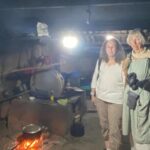
A highlight on Day 1 is the stop to cook and share lunch with your host family. That’s not just a meal break. It’s a chance to slow down, learn through everyday interaction, and see food as part of the community rhythm—not an afterthought.
Night in a village homestay: the real value is the conversations
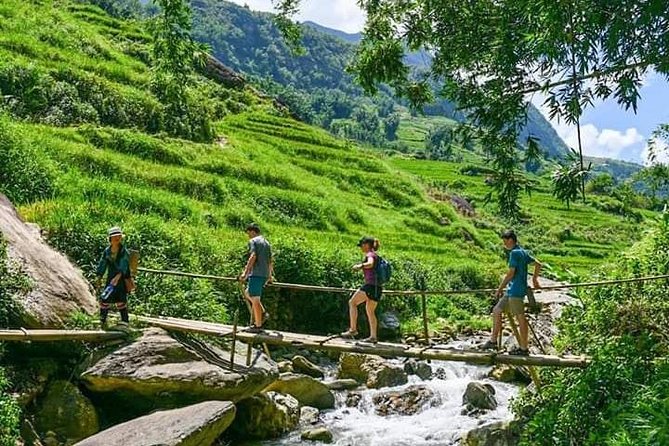
Sleeping with a host family is the centerpiece of this trek. Instead of returning to Sapa each night, you stay in the village setting among rice paddies. That matters because evenings are when people have time to talk.
This is also where you’ll notice how private guiding helps. With fewer people in the group, it’s easier to ask questions and get answers that feel personal rather than scripted. Reviews mention guides taking guests to meet their hosts and explain local life, which is exactly the kind of exchange that works best when you’re not rushed.
You should go in with the right mindset: a homestay is not a hotel experience. The comfort level isn’t spelled out in the basic details you get, so you’ll want to mentally prepare for a more basic village setup. The payoff is the human contact.
Day 2: pick your hike challenge, then taxi back to Sapa
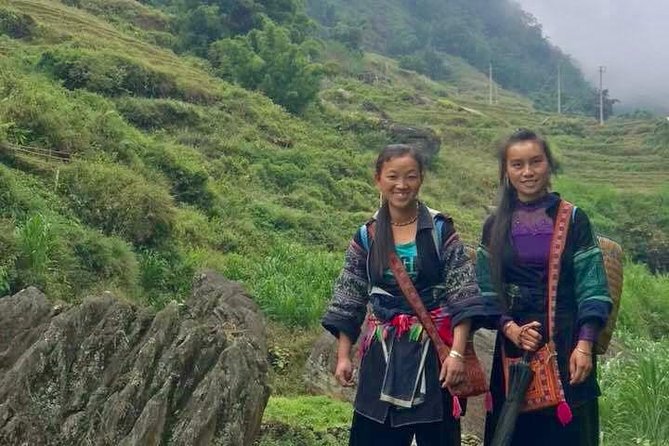
Day 2 starts with more walking, but with a different feel. You continue with a morning hike to a destination of your choosing, with flexibility in both distance and challenge. That’s a rare luxury on short treks, because it lets you match the route to your energy level after Day 1.
In practical terms, this means you can keep it gentle if Day 1’s climb already taxed you. Or you can push a bit farther if you’re feeling strong. Either way, you’re still getting the Sapa Valley hiking experience: paths through villages, and time outdoors with guides who can connect what you see to local life.
In the afternoon, a taxi picks you up to return you to Sapa. That’s a smart finish line for a two-day trek. You’re not stuck negotiating transport while tired. It also helps you preserve the rest of your day in town for a meal, rest, or a quick market wander.
Meals and water: what’s included, and why it changes your hike
This trip includes dinner, breakfast, and two lunches. It also includes water and refreshments. For a 2-day active itinerary, that’s a big deal because meals can be a hidden cost on Sapa treks—and it can also be a timing headache if you have to coordinate with a schedule.
A practical advantage: since lunch is part of the plan and includes cooking/shared food time, you can focus on walking and conversation instead of constantly wondering where you’ll eat next. And having dinner and breakfast included means you don’t have to find places open and easy near your homestay.
Not included: travel insurance is not part of the price. That’s worth thinking about if you’re coming from elsewhere with a policy that already covers trekking activities.
Price and value: is $93.34 per person a good deal?
At $93.34 per person for about two days, the value depends on what you’d otherwise pay for separately. Here, you’re getting a private trek, private transportation, meals (dinner, breakfast, and two lunches), and the homestay accommodation.
If you were to assemble these things on your own, the parts add up fast: guiding fees, transport logistics, and the cost of food over two full days. This itinerary also handles timing and routing, which saves you time and planning stress in a place where that can turn into a mess quickly.
The private part is especially relevant. A lot of Sapa trekking options advertise a “cultural” angle but still operate like a group tour. When it’s private, your guide can respond to your pace and questions, and the homestay experience isn’t diluted by a crowd.
Starting point in Sapa: timing and what to expect
The trek starts at 8:30 am at ETHOS – Spirit of the Community on Số 79 đường Nguyễn Chí Thanh, TT. Sa Pa, Sa Pa, Lào Cai 333311, Vietnam. It ends back at the meeting point after the Day 2 taxi return to Sapa.
It’s also described as near public transportation, which matters if you’re already moving around town and don’t want to rely entirely on a single ride. You’ll also receive confirmation at booking time, and you’ll have a mobile ticket.
Because it’s a private booking, the minimum group size is two. If you’re traveling solo, you’ll need to confirm whether you can pair up or find a partner in your travel plans.
Weather and pacing: the few things that can make or break the days
This experience requires good weather. If it’s canceled due to poor weather, you’ll be offered a different date or a full refund. That’s not a small detail—it affects whether the trail conditions stay safe and enjoyable.
On pacing, Day 1 gives you a helpful structure: first the undulating but relatively easy section, then the steeper climb, then time to stop. If you take it steady, you’ll likely find it manageable. If you treat it like a speed hike, the 2 km climb can feel much longer than it sounds on paper.
Practical tip: bring footwear that can handle sloped paths and wet ground. Sapa can be slick, and hiking shoes are worth the investment.
Who this trek suits best (and who should pass)
This is a strong fit for you if you want a cultural trek with a village homestay, and not just a photo route. It’s also ideal if you like asking questions and learning through real interaction—especially since the plan includes a cook-and-share lunch moment.
You should consider another option if you want a light, mostly flat walk. Day 1 is around 14 km and includes a steep climb. Also, if your schedule can’t shift due to weather, you’ll want to keep that in mind since good conditions are required.
It suits couples, friends, and small groups who like private guiding. Reviews praising the personal feel with guides like Cha, Hoa, Ker, Kae, and My suggest that people who enjoy conversation and context tend to leave happiest.
Should you book this ETHOS 2-day Sapa trek?
Book it if you want Sapa to feel real: rice terraces you can walk through, villages you actually spend time with, and a night that isn’t just sleeping somewhere close to a trail. The included meals and homestay accommodation make the price feel fair, and the private setup helps your experience stay personal.
Think twice if you’re injury-prone, very short on physical stamina, or you’re traveling during an unpredictable weather window without flexibility. The good news is that the Day 2 plan includes flexibility in distance and challenge, so you can recover and choose your pace.
If your ideal trip mixes hiking with community connection, this is the kind of tour that delivers without turning people into props.
FAQ
How long is the Sapa trek and homestay?
The experience lasts 2 days (approximately).
What is the price per person?
The price is $93.34 per person.
Is this tour private?
Yes. It is a private tour, and only your group participates. A minimum group size of two is required.
What time does the tour start, and where?
It starts at 8:30 am at ETHOS – Spirit of the Community, Số 79 đường Nguyễn Chí Thanh, TT. Sa Pa, Sa Pa, Lào Cai 333311, Vietnam.
How does Day 1 compare in hiking difficulty?
Day 1 includes about 14 km walking. The first 6 km are relatively easy but undulating, and there is a steep climb of around 2 km before stopping.
What happens on Day 2?
On Day 2, you continue with flexibility in both distance and challenge. You hike to a destination of your choosing, and then a taxi in the afternoon brings you back to Sapa.
What meals are included?
You get dinner and breakfast, plus two lunches.
What about drinks and accommodations?
Homestay accommodation is included. Water and refreshments are included as well.
Is travel insurance included?
No, travel insurance is not included.
What if the weather is poor?
This experience requires good weather. If it is canceled due to poor weather, you’ll be offered a different date or a full refund.