REVIEW · HIKING & TREKKING
Mount Fansipan 2 Days Trek – Roof of Indochina
Book on Viator →Operated by Trekking Tour Sapa · Bookable on Viator
Fansipan rewards early mornings and steady feet. This 2-day trek through Hoang Lien Son puts you in a protected nature reserve as the vegetation shifts by altitude, from older pine stands to bamboo near the top. I like the way the plan is structured with local English-speaking guides plus porter service, so a tough climb feels more doable than you’d expect. The one drawback to plan for: summit views can be hit-or-miss if clouds roll in, and the hike still asks for real stamina.
What makes this climb genuinely interesting is the altitude story. You’re not just walking a path; you’re moving through ecosystems in a short time—yellow bamboo and centuries-old pine lower down, then dwarf bamboo closer to the summit area, with a chance to spot mountain goats and langur monkeys along the way. Add the fact that the peak sits inside a nature reserve (including reports of 100+ orchid varieties), and the walk becomes a living lesson in Sapa’s mountain ecology.
Price-wise, $185 is a mid-range deal for a national-park trek that includes transport, park entrance, meals, and gear like gloves. If you’re expecting a luxury experience, this isn’t that. If you want an efficient, well-run climb with strong local guidance, it’s easy to see the appeal.
In This Review
- Key things to know about Mount Fansipan 2 Days Trek
- Why Fansipan is the Roof of Indochina
- Small-group trekking from Sapa: where the value shows up
- Day 1: Sapa Church pickup and the climb toward Tram Ton Pass
- Stop highlights: cardamom and a 2,200m picnic reset
- Day 2: 6:00–6:30 breakfast, then the last push to Fansipan Peak
- Summit reality check: impressive, even when weather is moody
- Return plan: around 3:00 PM to Tram Ton Pass, then back to Sapa
- Food, gloves, and porter support that keep the trek sane
- What to pack for a two-day Fansipan climb (based on on-trail realities)
- Weather planning for Fansipan: how to make peace with clouds
- Guides in the spotlight: what you’ll get from the local team
- Price and logistics: is $185 good value here?
- Who should book this trek, and who should reconsider
- Should you book Mount Fansipan 2 Days Trek: Roof of Indochina?
- FAQ
- Where is the meeting point for the Fansipan 2-day trek?
- What time does the tour start?
- What’s included in the price?
- Is pickup offered?
- Do I get any help carrying things?
- What happens if weather is bad?
Key things to know about Mount Fansipan 2 Days Trek

- Small group size (up to 15) keeps the pace steady and the guide’s attention practical.
- Porter support reduces what you carry (3 people share 1 porter).
- Park access and meals are included, including dinner, breakfast, and two lunches.
- You’ll start day 2 in the dark, so bring proper night/head-light visibility (a common on-trail tip).
- Summit timing depends on weather, and clouds can hide the view even when you reach the peak.
- Guides like Pao, Chu, Zhu, and Phung are repeatedly praised for being patient, friendly, and good at explaining what you’re seeing.
Why Fansipan is the Roof of Indochina
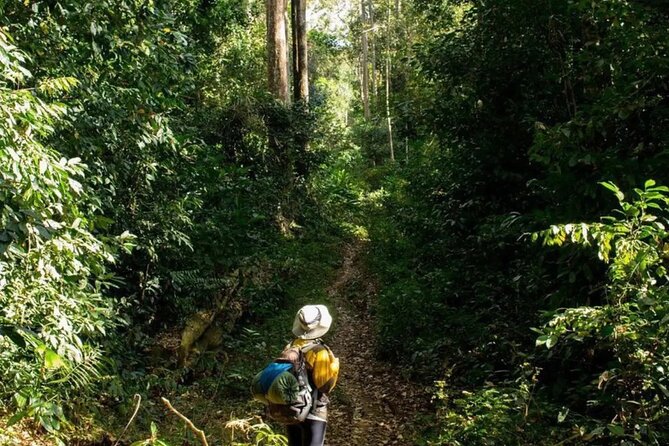
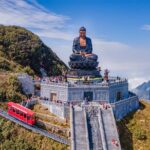
Mount Fansipan is the “Roof of Indochina” for a reason: it’s the tall centerpiece of the Hoang Lien Son range. What I like about doing it from Sapa is that you feel the climb as a change in altitude, not just distance.
The nature-reserve setting matters. You’re hiking in an area focused on protecting plant and animal life, including orchids and habitat for species like mountain goats and langur monkeys (not guaranteed, but possible). That protected context makes the trek feel more meaningful than a simple summit dash.
You can also read our reviews of more hiking tours in Sapa

Small-group trekking from Sapa: where the value shows up
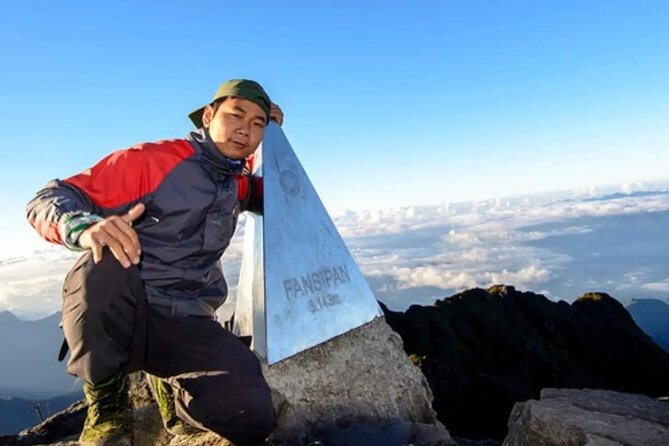
This tour runs with a maximum of 15 travelers and includes an experienced local guide. A small group can mean fewer long pauses, fewer crowd bottlenecks, and a pace that feels more human on steep sections.
You also get support for the parts that usually trip people up. Porter service means you’re not hauling everything uphill. And you’ll have transport between Sapa and key trail access points (Tram Ton Pass and back), which is a real time-saver when you’re dealing with early starts.
Day 1: Sapa Church pickup and the climb toward Tram Ton Pass
Your day begins in Sapa, meeting at Sapa Church. The schedule can be around 8:30 AM or near a 9:00 AM start, so I’d plan to be ready a bit early, especially if you’re getting picked up.
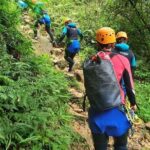
After a short introduction with your guide, you’ll transfer from Sapa town up toward the trail access at Tram Ton point. This first day sets your rhythm. It’s where you adjust to mountain air, steeper footing, and the fact that “moderate fitness” still means you’ll work.
Stop highlights: cardamom and a 2,200m picnic reset
Once you’re trekking up to about 2,200 meters, the route includes a chance to learn about local cardamom plants and how they’re used in the area. That kind of stop is more than a photo break—it gives you a reason to look closely at what surrounds you.
You’ll also get a picnic lunch for about an hour, which is key for comfort. On a two-day trek, that meal helps you recover before the day ends and you’re preparing for an even earlier morning.
Day 2: 6:00–6:30 breakfast, then the last push to Fansipan Peak
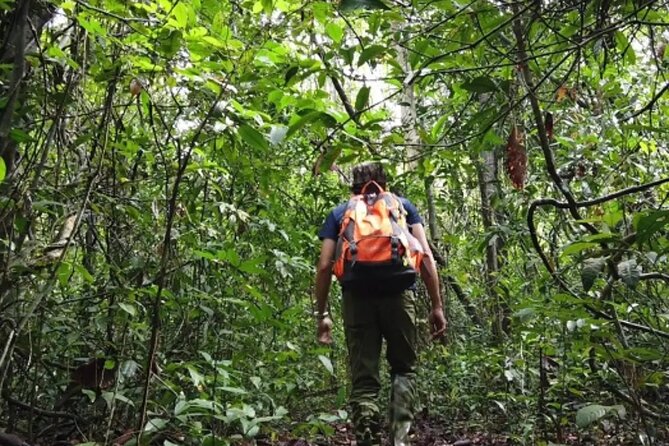
Day two starts early, typically with breakfast together around 6:00–6:30 AM. The goal is to reach the upper section with enough time for the summit experience, and in many seasons that also means you’re walking while it’s still dark or just turning light.
After breakfast, you’ll begin the last stage toward Fansipan Peak. The plan calls for about 1.5 hours to reach the peak area. Once you get there, you’ll enjoy the morning at the top—though the view depends on cloud cover.
You can also read our reviews of more tours and experiences in Sapa

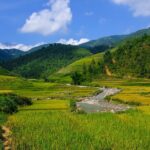
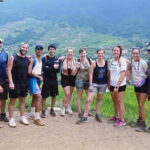
Summit reality check: impressive, even when weather is moody
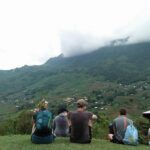
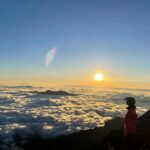
One thing I’d underline: clouds can blunt the view. Even when the summit is reached, you might find visibility limited.
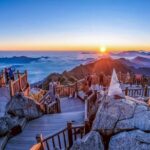
But the “Roof of Indochina” goal is more than a single skyline shot. At the summit area, the experience is about standing in a high-altitude zone inside the protected Hoang Lien ecosystem—where dwarf bamboo and high-mountain terrain replace what you saw below.
Return plan: around 3:00 PM to Tram Ton Pass, then back to Sapa
You’ll hike back down and, by around 3:00 PM, arrive at Tram Ton Pass. Your driver meets you there for the transfer back to Sapa town.
The tour typically ends about 15:30 in Sapa, which matters if you’re planning onward travel. It gives you a clean schedule rather than arriving late at night.
Food, gloves, and porter support that keep the trek sane
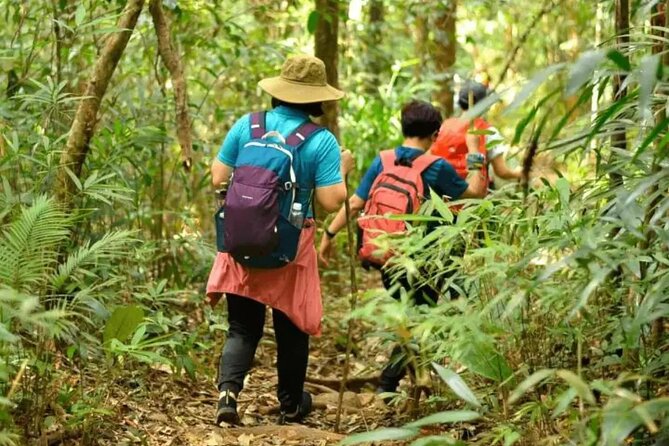
This trek includes dinner, breakfast, and two lunches, plus 1 big bottle of water per person. That matters because you’re not forced to hunt for meals along the trail or worry about running out of basic fuel.
Gloves are included, which is a nice practical touch. On cold mountain mornings, having gloves already sorted saves you from trying to buy gear last-minute in Sapa.
Porter service is the “why this feels manageable” factor for many people. With 3 people sharing 1 porter, you still carry your own essentials, but heavy items don’t become the main problem on steep sections. That support also helps you keep your energy for the final push.
What to pack for a two-day Fansipan climb (based on on-trail realities)
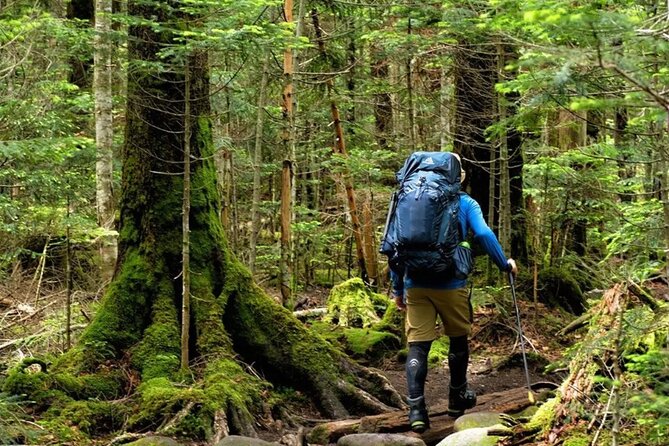
The tour provides gloves, but you still want to cover the basics for comfort and safety.
Bring:
- Headlight or strong flashlight for the early start on day 2 (a common practical tip because that last stage can begin while it’s still dark).
- Warm layers for early mornings. Even when Sapa isn’t cold, altitude can surprise you.
- Good grip footwear. Conditions can get muddy depending on the season.
- A rain layer even if the forecast looks fine. Mountain weather can shift fast.
For timing and comfort, I also recommend you avoid carrying extra weight “just in case.” With porter support, it’s tempting to pack more, but the goal is to hike better, not heavier.
Weather planning for Fansipan: how to make peace with clouds
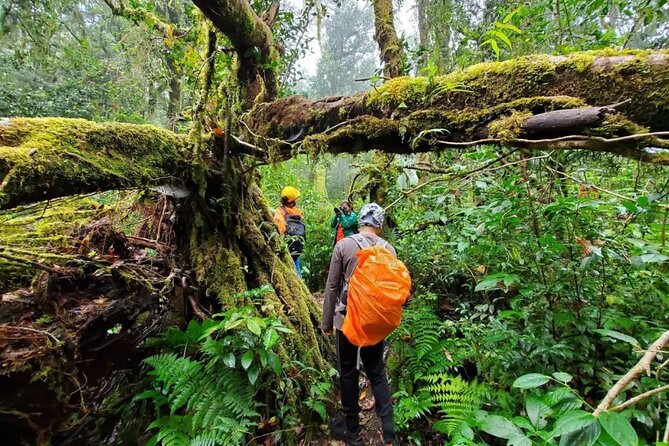
This experience requires good weather, and that’s not just a legal line. It’s the nature of high-altitude walking in northern Vietnam.
If conditions are poor, the operator should offer another date or a full refund. For your own plan, build flexibility around the trek day so you aren’t stuck with an unmovable schedule.
The best approach is mindset. If clouds hide the summit view, you’ll still get the altitude-based changes—pine to bamboo to dwarf bamboo—plus the guided explanations and the sense of accomplishment that comes from reaching the peak area.
Guides in the spotlight: what you’ll get from the local team
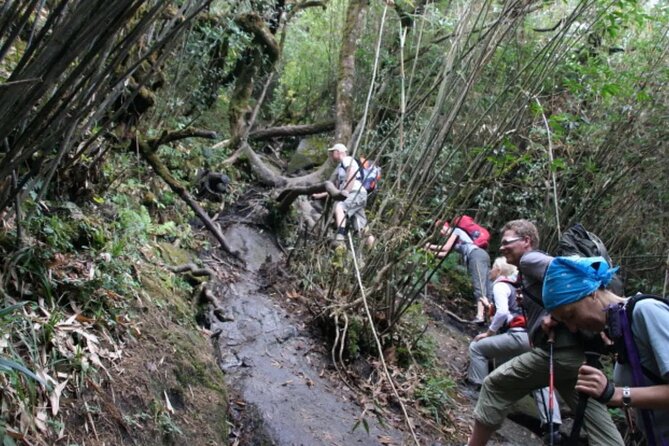
The guides behind this trek are local and English-speaking. Names you might hear during your trip include Pao, Chu, Zhu, and Phung, and the repeated theme is how well they manage people and explain what you’re walking through.
This matters because the trail isn’t just a workout. It’s a living classroom—cardamom use on the lower climb, then the vegetation shift with altitude, and the chance to look for animals like goats and langurs.
When the guide is patient, the trek feels safer and more enjoyable, especially if you’re not used to hiking on steep mountain paths.
Price and logistics: is $185 good value here?
At $185 per person for a 2-day Mount Fansipan trek, you’re paying for more than movement from point A to point B.
Here’s what’s included that affects real value:
- Hoang Lien National Park entrance fee
- Transport from Sapa to Tram Ton Pass and back
- Dinner, breakfast, and lunch meals
- Local English-speaking guide
- Porter service (3 people sharing 1 porter)
- Summiting Fansipan certificate
- Gloves per person
- Water
What’s not included (so you can budget ahead):
- Personal travel insurance
- Tips for guide/porter/driver
- Extra drinks on the way or at stops
- Optional return by cable car (only if you want it)
- Any expenses outside the program
I see this as good value if you want a structured climb where the big costs are handled and you’re not piecing together transport and meals yourself. If you already have trekking experience, gear, and a tight budget, you could theoretically find cheaper options—but you’d be giving up the included park access, guide time, and porter support that make this trek smoother.
Who should book this trek, and who should reconsider
This is best for you if:
- You’re willing to hike hard for a short period and want a clear goal
- You prefer a small-group experience with an English-speaking guide
- You want the trek to include meals, transport, and park fees rather than DIY planning
- You like nature-focused explanations as much as summit photos
You might reconsider if:
- You’re not comfortable with an early start (day 2 breakfast at 6:00–6:30 AM)
- You need a guaranteed panoramic summit view (weather can limit visibility)
- You want a fully comfortable, low-effort hike—this is still a serious mountain climb
Fitness-wise, the tour asks for moderate physical fitness. If you can handle steep walking for hours and you don’t mind the cold early-morning air, you’ll likely do fine.
Should you book Mount Fansipan 2 Days Trek: Roof of Indochina?
Book it if you want a focused, well-supported way to reach Fansipan from Sapa with real local guidance and reduced load from porters. The included park entrance, meals, gloves, and transport make it easy to plan and less stressful on your feet.
Don’t book it if summit visibility is the only thing you care about. Even with good organization, clouds can happen, and the experience becomes about the ecosystem, the guided learning, and the effort—not just the view.
If you’re flexible with weather and you show up ready for an early day, this trek is one of the more straightforward ways to chase the Roof of Indochina.
FAQ
Where is the meeting point for the Fansipan 2-day trek?
You meet at Sapa Church in Sapa (P. Hàm Rồng, TT. Sa Pa, Sa Pa, Lào Cai, Vietnam).
What time does the tour start?
The start time is listed as 9:00 AM, and the day 1 program notes meeting around 8:30 AM.
What’s included in the price?
Included are dinner, breakfast, lunch (2), an English-speaking local guide, Hoang Lien National Park entrance fee, transport between Sapa and Tram Ton Pass, porter service, 1 big bottle of water per person, gloves, and a Fansipan summiting certificate.
Is pickup offered?
Yes, pickup is offered.
Do I get any help carrying things?
Yes. Porter service is included, with 3 people sharing 1 porter.
What happens if weather is bad?
This experience requires good weather. If it’s canceled due to poor weather, you’ll be offered a different date or a full refund.