REVIEW · COOKING CLASSES
DIY: Vietnamese Cooking Class
Book on Viator →Operated by Ha Food Tours · Bookable on Viator
A Hanoi market teaches your hands. The market tour with teacher Bon makes Vietnamese flavors click, and you cook classics like pho and bun cha with real technique, not just a recipe card. Biggest heads-up: hotel pickup is limited to central-area hotels, so check your location before you commit.
You get a full 5-hour food-focused break from the city’s chaos, with round-trip transport, an English-speaking guide/instructor team, and a meal that includes what you cook plus more from the chef. If you want hands-on culture you can taste, this format works.
In This Review
- Key Points You’ll Care About
- The Hanoi Market Tour: Where Vietnamese Flavor Starts
- Cooking Time: Pho, Bun Cha, Nem, and Your Menu Option
- Option 1 (Barbeque pork, spring rolls, and a fresh salad)
- Option 2 (Soup, seafood fruitiness, and grilled fish)
- Vegetarian option (Yes, with Vietnamese classics)
- What “hands-on” realistically means here
- Eating What You Cook: Lunch, Dinner, and Local Wines
- Price and Value: Why $50 Feels Reasonable
- Timing and Logistics in Hanoi: Picking the Right Class Slot
- What to plan for on your end
- Who This DIY Vietnamese Cooking Class Is For
- A balanced look: who might find it less satisfying
- Should You Book This Hanoi Cooking Class?
- FAQ
- Where is the DIY Vietnamese Cooking Class held?
- How much does the cooking class cost?
- How long is the class?
- Are there different class times?
- Is pickup included from my hotel?
- What dishes will I learn to cook?
- Are there meal options for vegetarians?
- Can they handle allergies or food preferences?
- What’s included in the price?
- Is this a small group class?
- Is a mobile ticket provided?
Key Points You’ll Care About
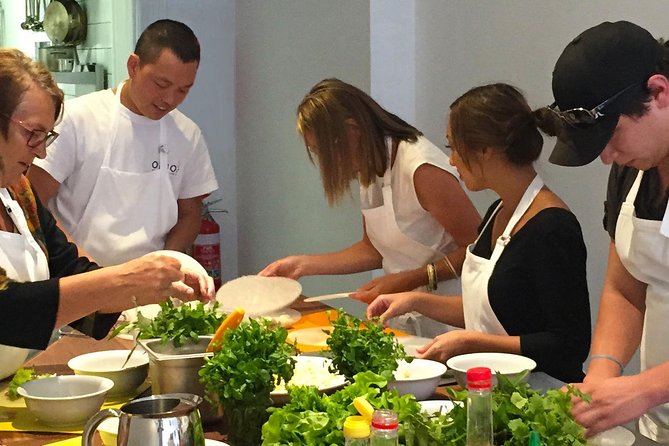
- Market walk with Bon: You learn what to buy and why, while getting a real feel for daily Hanoi food life.
- Cook three Vietnamese staples: Pho, bun cha, and nem (with a menu-style class built around your option).
- Two time slots each day: Morning (9:00–13:30) or afternoon (15:30–20:00) makes planning easier.
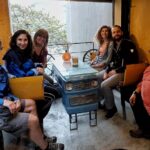
- Small group size (max 8): You get practical attention while you cook.
- Eat immediately with local wines: Your cooking ends in a shared meal, not a take-home box.
The Hanoi Market Tour: Where Vietnamese Flavor Starts
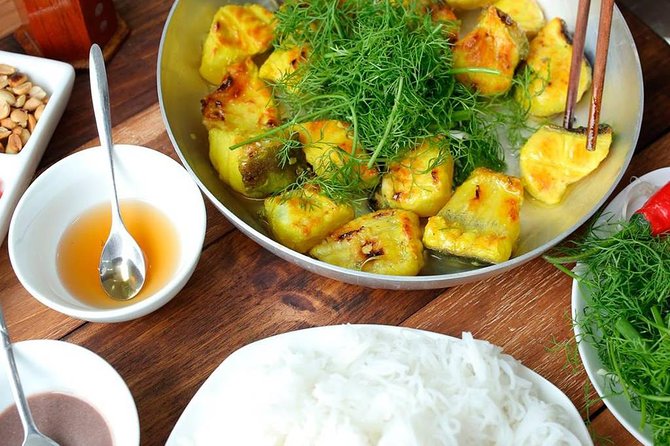
This tour makes one smart move early: it sends you to a real local market before the stove. Not for a quick photo stop. For learning the building blocks that show up in Vietnamese cooking every day—herbs, vegetables, aromatic ingredients, and the way street-level sellers describe what’s fresh.
You’ll be walking through scenes that are sensory in the best way: smells you can’t get from a cookbook, color you can spot at a glance, and the chatter of a place where people buy food for dinner tonight. That matters because Vietnamese dishes depend on balance. You’re not just cooking one component. You’re assembling flavors that should feel bright, savory, fresh, and satisfying all at once.
Bon’s role is key here. The cooking part can feel like a demo unless the instructor connects it to ingredients you actually chose. When you’ve watched your teacher guide you through what to pick—and you’ve helped—later steps make more sense. You’ll also leave with a better instinct for how Vietnamese kitchens build taste, not just what the final dish looks like.
A practical note: markets can be uneven. You’ll be walking, and you’ll likely move at market pace. Comfortable shoes help more than extra layers, since you’ll spend time outdoors and then shift to cooking space. Bring a water mindset too—there’s bottled water included, but markets still feel warm and busy.
You can also read our reviews of more cooking classes in Hanoi
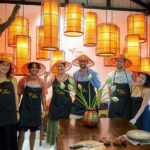
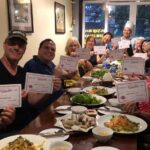
Cooking Time: Pho, Bun Cha, Nem, and Your Menu Option
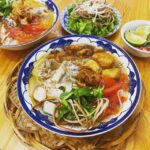
After the market, the class shifts into hands-on work. This is a fully hands-on experience, which is where DIY cooking tours can either shine or disappoint. Here, you’re not just watching. You’re part of the prep and cooking, and you finish by eating what you make as part of the group meal.
The dishes are the big Vietnamese classics:
- Pho (noodle soup, beef or chicken)
- Bun cha (BBQ pork with noodles and fish sauce)
- Nem (fried spring rolls)
You won’t cook exactly the same list for every option, though. The class is set up like a menu choice, so you can match your cravings (and dietary needs). In other words, you’re not locked into one “surprise me” menu.
Option 1 (Barbeque pork, spring rolls, and a fresh salad)
- Bun cha: BBQ pork with noodles and fish sauce
- Nem: fried spring roll
- A salad component (either banana flowers with chicken or green papaya salad with dried beef)
This option is a great pick if you want variety: grilled, fried, and fresh herbs/vegetables on the side. It’s also a nice way to learn how Vietnamese meals balance heavier flavors with crisp, tangy ones.
Option 2 (Soup, seafood fruitiness, and grilled fish)
- Pho: chicken soup
- Green mango salad with seafood
- Grilled fish
Choose this if you like lighter, sharper flavors and want more “clean” taste—sour, herbal, and bright. It also teaches you how Vietnamese dishes lean into citrus-like freshness.
Vegetarian option (Yes, with Vietnamese classics)
- Spring roll (fresh or fried)
- Tofu with tomato sauce
- Eggplant with ginger sauce
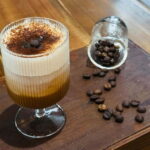
- Dessert: che (Vietnamese traditional dessert) or egg coffee
If you’re vegetarian, I like that the class still aims for a full Vietnamese meal feel. You’re not just making one substitute dish. You get multiple components and a dessert, which helps the whole experience feel complete.
You can also read our reviews of more tours and experiences in Hanoi
What “hands-on” realistically means here
In a good class, you should do a meaningful chunk of work: prep decisions, herb/vegetable choices, and cooking steps you can repeat later at home. The experience format here is designed for that, and the small group size supports it. You’ll also have an English-speaking guide and an experienced instructor team, which matters because technique is hard to transfer if you don’t fully understand what you’re doing and why.
Bon’s market guidance is also what makes your cooking feel like it belongs to Vietnam. When you cook something you’ve already seen growing, selling, and being selected, the learning sticks.
Eating What You Cook: Lunch, Dinner, and Local Wines
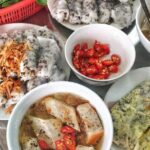
The best cooking classes end with you eating your own results. This one does that—at the end you’ll feast on your creations, and the meal is expanded with additional dishes prepared by the chef.
There’s also a welcome drink, and the class includes snack, tea, coffee, and local wines. You’re basically being walked through a full meal arc, not a quick tasting.
Two meals are listed as part of the experience: lunch and dinner. That can sound confusing until you remember the schedule: you’re doing either the morning block or the afternoon block. In practice, the timing lines up with the meal window you’re in. The key point for you: you shouldn’t plan to eat right before you go. The tour is designed to feed you during and at the end.
Also, think about the wine piece. The experience specifically includes local wines as part of the meal. If you don’t drink alcohol, you can still enjoy the food side, but you may want to mentally plan for a longer meal experience that includes alcohol service.
One more “small but real” inclusion: a cold towel. That’s the kind of touch that signals the organizers are paying attention to comfort, especially if the market and cooking area get warm.
Price and Value: Why $50 Feels Reasonable
At $50 per person, you’re paying for more than a cooking session. You’re getting a bundle:
- Door-to-door round-trip transport from your accommodation
- Local market tour
- English-speaking guide plus experienced instructor
- Hands-on cooking
- Welcome drink, snack, tea/coffee, and bottled water
- Lunch or dinner (depending on time slot)
- Local wines with the meal
- Small group size (maximum 8)
Here’s the value angle that I think matters most: you’re paying to remove friction. Without a class, you’d have to figure out what to buy at a market, translate the right ingredients, learn basic technique, and then hope your dish turns out right. This tour compresses all of that into one morning or one afternoon, with coaching in the middle.
Could you cook these dishes on your own later from a cookbook? Sure. But the biggest payoff is the “how” that you pick up while you’re working. And because the class is hands-on and limited to 8 people, you’re less likely to feel lost.
If you’re comparing to a restaurant meal only, this is also more educational. You’re not paying just for plates—you’re paying to learn the process well enough to cook again.
Timing and Logistics in Hanoi: Picking the Right Class Slot
You can choose between two time blocks:
- Morning class: 9:00 to 13:30
- Afternoon class: 15:30 to 20:00
This is genuinely helpful when you’re planning a Hanoi trip with other activities. Morning fits well if you want to see other parts of the city in the afternoon. Afternoon fits if you want something slower before dinner.
Pickup is offered and the hotel is the meeting point. The experience also notes a constraint: pick-up must be from in-city central area. If your hotel is farther out, you should inform the provider in advance so they can confirm what’s possible. That single detail can make the difference between a smooth experience and a stressful scramble.
The tour also uses a mobile ticket. That’s convenient because you can keep everything in your phone—less paper, fewer lost receipts.
What to plan for on your end
You’ll be moving from hotel to market to cooking space and then sitting down to eat. Plan light on the schedule buffer. If you book another hard-to-reach activity right after the end time, you might feel rushed. A cooking class tends to run as a full experience, not a quick drop-off.
And since you’ll be in a market environment, dress for comfort. You’ll be walking and working. You’ll likely want to keep your hands free and avoid anything that makes it awkward to handle food.
Who This DIY Vietnamese Cooking Class Is For
This experience is built for a few types of people:
You’ll likely love it if you:
- Want to learn Vietnamese healthy home cooking with skills you can repeat
- Are traveling with a spouse or partner on a business trip who wants something more practical than another sightseeing loop
- Like food so much you don’t mind a structured schedule if it’s worth it
- Appreciate small groups where you can ask questions and actually cook
It’s also a strong pick if you’re the type who always wonders why food tastes the way it does. Market shopping plus cooking is a fast path to understanding Vietnamese flavor logic.
A balanced look: who might find it less satisfying
If your ideal day is wandering without structure, this may feel too planned. If you’re expecting a hands-off “watch and snack” experience, you’ll be happier knowing ahead of time that the class is hands-on and you’ll do real prep/cooking.
And if pickup logistics don’t work for your hotel location, you might have to adjust where you meet or how you get there. That’s not a deal-breaker, but it’s something to check early.
Should You Book This Hanoi Cooking Class?
I’d book it if you want Vietnamese food learning you can taste immediately. The market tour adds context. The small group size supports real instruction. And the end meal is a payoff, not a souvenir.
I would hesitate only if:
- Your hotel is outside the central pickup area and you don’t want to deal with meeting-point adjustments
- You strongly prefer a no-alcohol meal experience (since local wines are included)
- You dislike cooking prep and would rather just eat
For most people—especially food lovers and home cooks—this feels like a smart use of time in Hanoi. You’ll leave with memories, yes, but also with the kind of understanding that helps you cook Vietnamese dishes at home without guessing.
FAQ
Where is the DIY Vietnamese Cooking Class held?
It’s in Hanoi, Vietnam.
How much does the cooking class cost?
The price is $50.00 per person.
How long is the class?
The duration is about 5 hours.
Are there different class times?
Yes. There’s a morning class (9:00 to 13:30) and an afternoon class (15:30 to 20:00).
Is pickup included from my hotel?
Pickup is offered, and your hotel is the meeting point. The hotel pick-up must be from a central in-city area.
What dishes will I learn to cook?
The class focuses on Vietnamese classics such as pho, bun cha, and nem. You’ll cook based on the option you choose.
Are there meal options for vegetarians?
Yes. There is a vegetarian option that includes items such as tofu with tomato sauce, eggplant with ginger sauce, and Vietnamese dessert or egg coffee.
Can they handle allergies or food preferences?
Special food requests are available if you let them know in advance, so they can confirm substitutions or ingredients.
What’s included in the price?
Included items are round-trip transfer, a local market tour, welcome drink, cold towel, snack, tea and coffee, local wines, bottled water, and lunch and/or dinner depending on the time slot, plus an English-speaking guide and experienced instructor.
Is this a small group class?
Yes. The tour has a maximum of 8 travelers.
Is a mobile ticket provided?
Yes, the experience includes a mobile ticket.