REVIEW · COFFEE EXPERIENCES
Hanoi Coffee Workshop: Taste Salt, Coconut and Egg Coffee
Book on Viator →Operated by Local Beans Roastery · Bookable on Viator
Hanoi tea turns into coffee science fast. In a 3.5-hour class at Local Beans Roastery, you taste multiple Vietnamese styles—especially egg coffee—and learn how to brew them with the right gear. I like that it’s hands-on and recipe-driven, so the experience isn’t just drinking. One drawback to consider: you’ll be sampling several cups in one sitting, so it’s not ideal if you dislike coffee or want something super low-key.
The workshop is led by baristas such as Val, Lin, Luka, Giang, and Valerie, and the teaching approach is the same: practical brewing plus real context about what coffee means in Vietnam. There’s also hotel pickup within the Old Quarter area, and they can accommodate vegan and other dietary needs if you share them in advance.
In This Review
- Key points worth knowing before you go
- A Hanoi coffee lesson that teaches you to taste differences
- Local Beans Roastery and the Old Quarter pickup rhythm
- What you brew: Phin coffee plus brown, salt, egg, and coconut
- Egg coffee and salt coffee: learning the logic behind the flavor
- Equipment matters: filters, grinders, and how technique changes the cup
- The coffee cocktail and the bonus homemade rice wine taste
- Price and value: what $16 gets you in Hanoi
- Who should book this workshop—and who might skip
- Final call: should you book the Hanoi Coffee Workshop?
- FAQ
- Where is the workshop located?
- How long is the Hanoi coffee workshop?
- What does the price include?
- Does the workshop include egg coffee and filter coffee?
- What other drinks will I taste?
- Is the workshop suitable for vegan or dietary restrictions?
- Do I get recipes to take home?
- Is pickup available?
- Are tips included in the price?
- How many people can join at once?
- What is the cancellation refund rule?
Key points worth knowing before you go
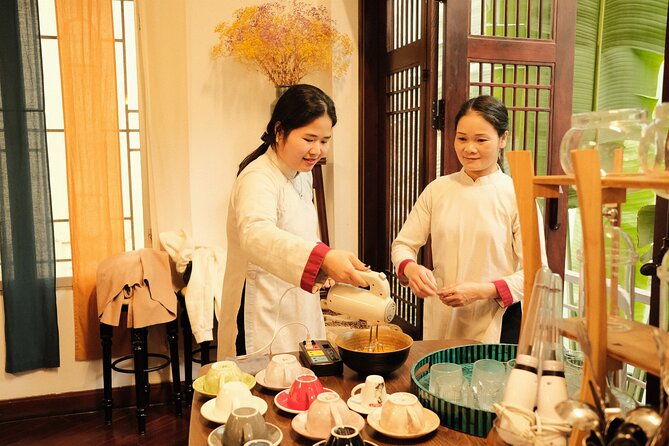
- Six signature brews, not just one demo: Phin-brewed coffee plus Brown, Salt, Egg, Coconut styles, and a coffee cocktail
- Equipment is provided: filters and grinders are all part of the class setup
- Real tasting variety: you also get a bonus homemade rice wine taste
- Old Quarter convenience: pickup and drop-off are available within the area
- Take-home learning: a printed recipe book plus free digital coffee books
- Capped group size: the experience has a maximum of 100 travelers
A Hanoi coffee lesson that teaches you to taste differences
This isn’t a vague coffee chat where someone pours one cup and calls it a day. The workshop is built around learning how Vietnamese coffee is made and how small changes in technique affect flavor. Over about 3 hours 30 minutes, you brew and taste your way through classic styles and a couple of creative twists.
The big win here is that the class focuses on discernment—how to recognize when a cup is well made versus just “coffee.” You get to compare styles side-by-side, which is the fastest way to train your palate, especially if you’ve only ever had drip coffee at home.
The “Vietnam coffee scene” angle matters too. Vietnam’s café culture is tied to daily routines, and that context helps the drinks make sense instead of feeling like a novelty tour stop.
You can also read our reviews of more tours and experiences in Hanoi


Local Beans Roastery and the Old Quarter pickup rhythm
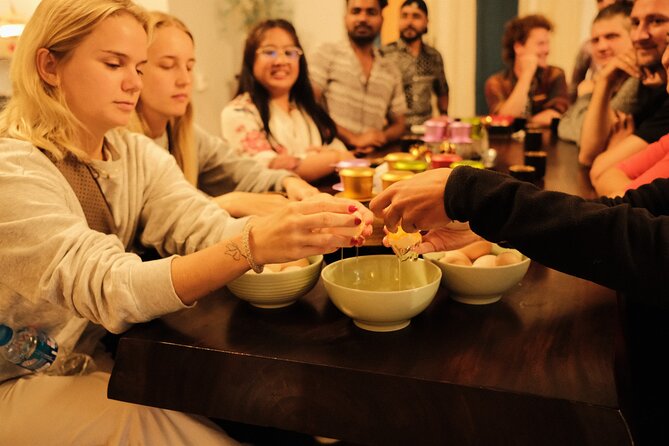
The workshop starts at Local Beans Roastery, No. 75/173 Hoang Hoa Tham Street in Ngoc Ha Ward, Ba Đình, Hanoi. It ends back at the meeting point, so the tour is easy to stitch into a day you’re already spending around the Old Quarter.
If you’re staying in the Old Quarter, the hotel pick-up and drop-off is a real time-saver. It also reduces the “where do I go now?” stress that can happen when you’re juggling scooters, crossings, and tight streets. The class is also marked as near public transportation, so you’re not totally dependent on a driver if you prefer to arrive on your own.
One small practical note: because the experience includes tasting multiple drinks, arriving a bit early helps. You’ll want a calm start more than a rushed one.
What you brew: Phin coffee plus brown, salt, egg, and coconut
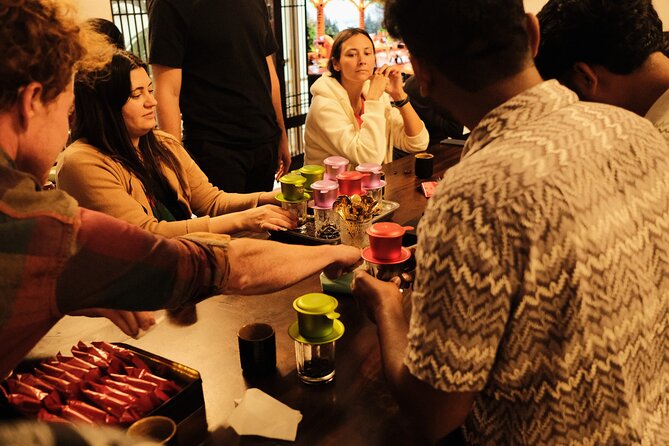
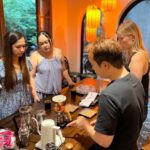
The lineup is designed to show how Vietnamese coffee can taste very different while still feeling distinctly Vietnamese. You brew six signature coffees, including:
- Classic Phin-brewed coffee
- Brown style
- Salt style
- Egg style
- Coconut style
- A coffee cocktail made with local jam and wine
The Phin part matters. A Phin is a slow-drip filter, and learning it gives you a baseline. From there, the other styles teach you what happens when the coffee is paired with different flavors and textures—everything from sweetness levels to thicker, more dessert-like profiles.
I like that you’re not only tasting. You’re actively brewing using the tools provided. That’s the difference between remembering a flavor and being able to reproduce it.
Egg coffee and salt coffee: learning the logic behind the flavor

Two of the most famous Hanoi drinks in this workshop are egg coffee and salt coffee, and this is where you’ll likely notice the biggest shift in expectations.
Egg coffee is often described as creamy and rich, but what makes it interesting in a class like this is understanding the structure. You’re not just tasting sweetness. You’re tasting texture—how the drink becomes thicker and more custard-like, and why it works with coffee instead of against it.
Salt coffee is another lesson in contrast. It sounds unusual until you taste it and realize it isn’t about making something salty for shock value. It’s about balance: salt can lift flavors and smooth out bitterness when used correctly. In a guided setup, you can connect the dots between technique and why the cup ends up feeling more harmonious.
If you’re sensitive to strong flavors or you don’t love dessert-style drinks, start by taking smaller sips and go slowly. You can always come back for round two, especially since you’ll be comparing styles in sequence.
Equipment matters: filters, grinders, and how technique changes the cup
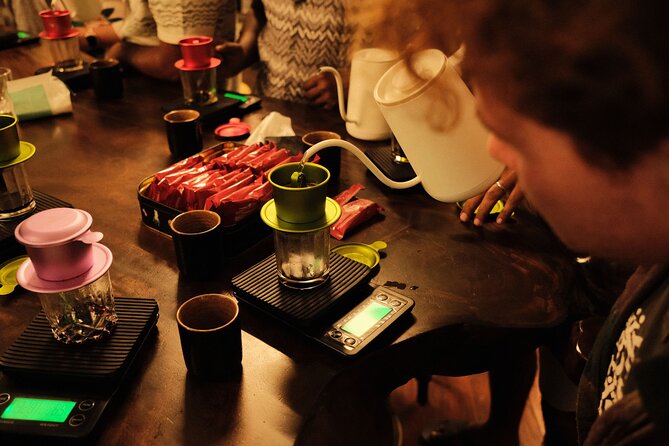
The workshop provides all special coffee-making equipment—including filters and grinders. That matters because the tools used in Vietnamese coffee aren’t the same as what you’d find in many coffee shops or home kits abroad.
You’ll learn how to set up and use the equipment properly, then brew your way through the different styles. That’s a practical advantage for anyone who wants to do more than take photos: you’re building a repeatable routine.
This is also where you’ll learn how roast level influences aroma and taste. The workshop teaches you to notice differences rather than relying on a single “best” flavor. That mindset helps you understand why someone might prefer one cup over another, even when both are made well.
You can also read our reviews of more tours and experiences in Hanoi


The coffee cocktail and the bonus homemade rice wine taste
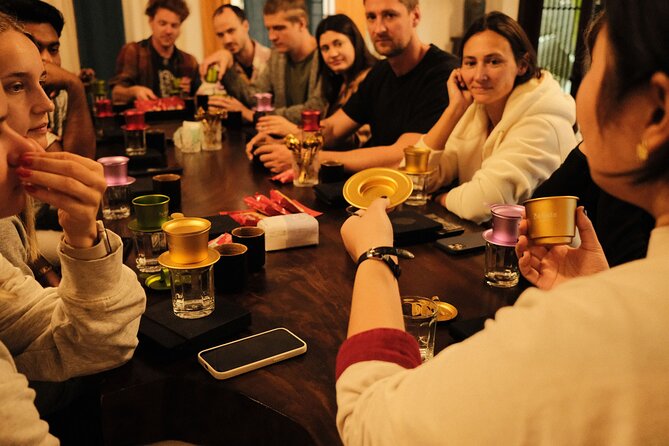
After the main set of brews, you also get a bonus tasting: homemade rice wine from the hosts. That adds a cultural angle that goes beyond coffee alone. It’s a reminder that Vietnamese drinking culture often mixes café life with local spirits and home traditions.
Then there’s the coffee cocktail made with local jam and wine. It’s a curveball in the best way, especially if you’ve only ever had coffee served hot or as iced café drinks. You’ll be tasting coffee interacting with fruit sweetness and wine notes, so the class widens your idea of what coffee can be when it’s treated like an ingredient, not a beverage only.
Keep in mind: this section is still part of the same tasting flow. If you want to be fully present, pace yourself earlier so you’re not overloaded by the time the cocktail and rice wine appear.
Price and value: what $16 gets you in Hanoi
At $16 per person, this workshop can feel like a steal once you look at the full package. You’re paying for:
- A guided 3.5-hour hands-on workshop
- Multiple tastings (six signature coffees plus rice wine)
- Snacks plus welcome herbal ginger root and peach tea
- Equipment (filters and grinders)
- A recipe book you can use later
- Free digital copies of coffee books related to the workshop
For a coffee experience, it’s not just “drinks included.” It’s also instruction and take-home materials, which is where value really shows up. If you enjoy making coffee at home, the recipe book turns the class into an ongoing resource rather than a one-time memory.
The one extra cost to plan for is tips, since tips and other personal expenses aren’t included. Also, there can be costs if you want to buy coffee products for brewing at home. The workshop environment is set up for that option, so if you’re a “take it home” type, bring a little budget.
Who should book this workshop—and who might skip
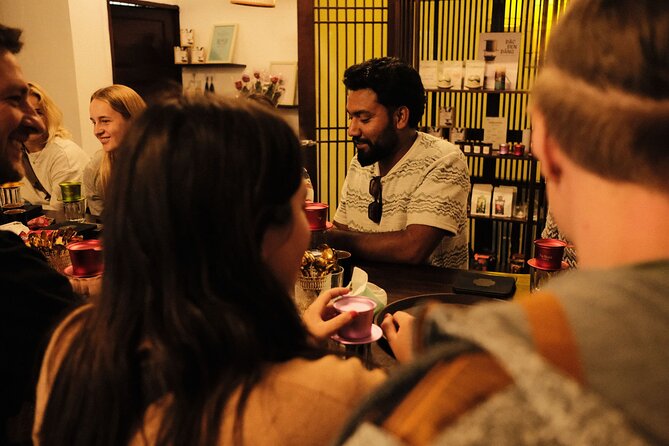
I’d point you toward this class if you fit any of these:
- You like coffee but want to understand why it tastes the way it does
- You want a hands-on Hanoi activity that isn’t just another street wander
- You’re curious about the famous styles like egg and salt coffee
- You want something practical you can recreate with a recipe book
You might rethink booking if:
- You’re not a coffee person or you strongly prefer only one style
- You don’t want multiple drinks in one sitting (this includes several brews plus wine tasting)
- You prefer a purely specialty-espresso style lesson; this class focuses on Vietnamese brewing techniques and the role of coffee types in Vietnam
One more practical consideration: the coffee used and discussed can include robusta, which is important in Vietnam’s coffee system. If you only want arabica or you’re picky about how it’s framed, ask questions about the role of different beans and why they’re used in specific styles.
Final call: should you book the Hanoi Coffee Workshop?
Yes, I think this is a strong pick if you want an authentic Hanoi experience with real skills, not just a tasting platter. The combination of equipment + guided brewing + side-by-side comparisons is what makes it worth your time. At $16, you’re also getting snacks and drinks plus take-home recipes, which is a lot for one afternoon.
My advice: book it if you’re open to egg coffee, salt coffee, and the idea of tasting coffee as part of broader Vietnamese culture. If you only want a mild caffeine experience, you may feel like you’re sampling too much in one go.
If you do go, go slowly, take notes on what you liked, and use the recipe book immediately after the workshop while your memory is fresh.
FAQ
Where is the workshop located?
The class starts at Local Beans Roastery, No. 75/173 Hoang Hoa Tham Street, Ngoc Ha Ward, Ba Đình, Hanoi 100000, Vietnam, and it ends back at the meeting point.
How long is the Hanoi coffee workshop?
It runs for about 3 hours 30 minutes.
What does the price include?
The price includes snacks, welcome herbal ginger root and peach tea, all coffee-making equipment (filters, grinders, etc.), guidance from the instructors, hotel pick-up and drop-off within the Old Quarter area, a recipe book, free digital copies of related coffee books, and an optional professional certificate if requested.
Does the workshop include egg coffee and filter coffee?
Yes. You’ll sample egg coffee and traditional filter coffee, and you’ll brew six signature Vietnamese coffees including Phin-brewed coffee.
What other drinks will I taste?
In addition to the six signature coffees (including Brown, Salt, Egg, and Coconut styles plus a coffee cocktail), you also get a bonus tasting of homemade rice wine.
Is the workshop suitable for vegan or dietary restrictions?
Yes. Vegan travelers and those with dietary restrictions can be accommodated.
Do I get recipes to take home?
Yes. You receive a recipe book during the workshop, and you also get free digital copies of coffee books related to the experience.
Is pickup available?
Hotel pick-up and drop-off service is available within the Old Quarter area.
Are tips included in the price?
No. Tips and other personal expenses are not included.
How many people can join at once?
The experience has a maximum of 100 travelers.
What is the cancellation refund rule?
You can cancel for a full refund up to 24 hours in advance of the experience start time. If you cancel less than 24 hours before, the amount paid is not refunded.