REVIEW · COFFEE EXPERIENCES
Hanoi Coffee Workshop: Master 6 Signature Vietnamese Coffee
Book on Viator →Operated by Photheculture · Bookable on Viator
Hanoi coffee tastes different when you make it yourself. This Hanoi Coffee Workshop teaches you to brew and adjust Vietnam’s signature cups in a small, local space. Expect fresh ingredients, hands-on practice, and a focus on how locals actually taste coffee.
I love two things most: the small group feel (so you get real attention) and the fact that you learn to adjust flavor, not just follow steps. You’ll brew, whisk, taste, and refine each coffee so it matches your palate while staying true to the original style.
One thing to consider: weather can affect where you meet. In at least one past workshop, the start location changed after a storm, so plan extra time and double-check the meeting area message before you go.
In This Review
- Key Highlights at a Glance
- Why This Hanoi Coffee Workshop Feels Like Real Local Time
- The Small-Group Advantage (Up to 8) and the Local Instructor Flow
- What You’ll Actually Make: Black, Brown, Egg, White, Coconut, Salted
- Black and Brown: Start With Strength and Balance
- Egg and White: Texture Is the Secret Ingredient
- Coconut and Salted: Flavors That Sound Unusual, Taste Understandable
- The Tasting-Brewing Loop: How You Learn to Adjust Like a Local
- How you learn better coffee at home
- Fresh Daily Ingredients and Seasonal Coffee From the Central Highlands
- Tools, Comfort, and the “Explore the Bar” Setup
- Price and Value: What $18.20 Buys You Here
- Culture Lessons You’ll Notice in the Background
- Who This Workshop Suits Best
- Should You Book This Hanoi Coffee Workshop?
- FAQ
- How long is the Hanoi Coffee Workshop?
- What coffees will I learn to make?
- What’s included in the workshop price?
- Is tips included?
- What is the group size?
- Is the workshop pet-friendly and are service animals allowed?
Key Highlights at a Glance
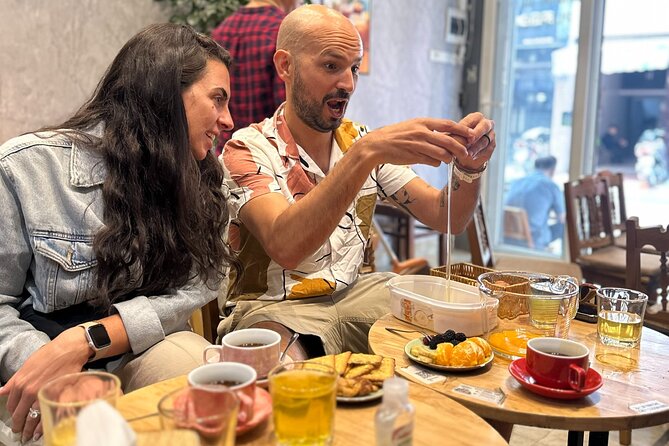
- Brew 4–6 iconic Vietnamese coffees using specialty beans and daily-prepped ingredients
- Flavor coaching for bitterness and balance so you can improve coffee at home without fancy gear
- Central Highlands coffee + seasonal ingredients, not a one-size-fits-all approach
- A lived-in local setting with ceramic tools, a bar setup, and warm local elders
- Small group up to 8 people for a calm pace and plenty of tasting
Why This Hanoi Coffee Workshop Feels Like Real Local Time
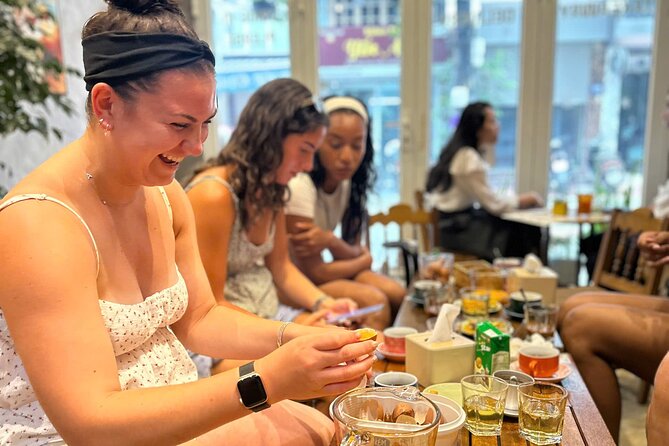
Hanoi has a special kind of coffee culture: busy sidewalks, tiny cafés, and slow conversations over sweet, creamy cups. What I like about this workshop is that it doesn’t treat coffee like a lab project. You learn it like locals do—by tasting, adjusting, and making it enjoyable with what’s available.
You’ll master six signature Vietnamese coffees across the session (with the practical expectation that you’ll make 4–6 during the hands-on portion). That range matters because it forces you to understand differences in sweetness, texture, and strength—not just one style.
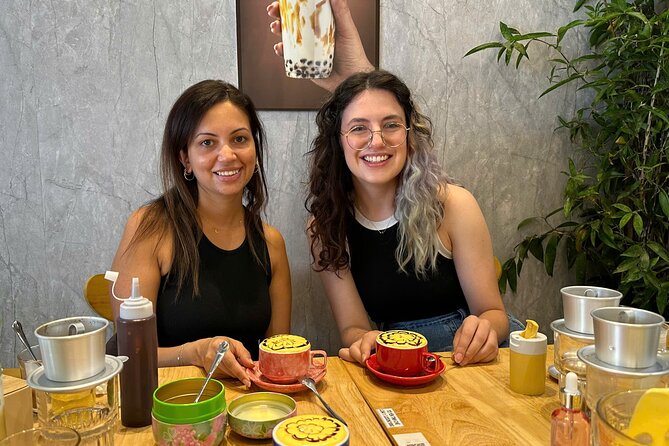
And the setting helps. This isn’t a glossy showroom where you watch from a chair. You work in a lived-in local space with ceramic tools and fresh ingredients prepared daily, which makes the whole thing feel like something you’d stumble into on a real day in Hanoi.
You can also read our reviews of more tours and experiences in Hanoi


The Small-Group Advantage (Up to 8) and the Local Instructor Flow
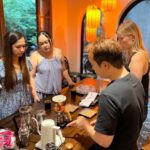
The workshop is capped at a maximum of 8 travelers, which changes everything. When the group is small, you don’t feel like you’re waiting your turn to ask questions. You can taste a coffee, tell the instructor what you’re noticing, and get feedback while the flavors are still fresh in your mind.
Instructors come from Vietnam’s coffee culture. Past participants mentioned teaching from Jennifer and Jade, and the vibe is consistent: they explain not only how to make a coffee, but why it tastes the way it does. That matters because Vietnamese coffee isn’t just strong or sweet. It’s built on balance—bitterness, aroma, dairy richness, and caramel-like notes that show up differently depending on the brew and the mix.
There’s also a friendly, family-like feel. Warm local elders are part of the welcome. It’s not forced. It feels like the bar is your playground and you’re allowed to explore the tools if you want.
What You’ll Actually Make: Black, Brown, Egg, White, Coconut, Salted
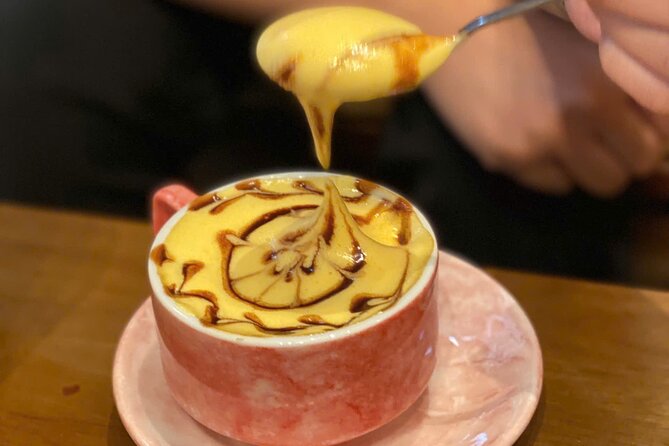
This is a practical course, so you’re not stuck with theory. You’ll work through multiple signature cups and learn the textures and flavor profiles behind each one. The names you’ll encounter are the ones people order and talk about in Vietnamese cafés:
- Black coffee
- Brown coffee
- Egg coffee
- White coffee
- Coconut coffee
- Salted coffee
Even if you don’t end up making all six end-to-end, the workshop is organized so you learn the core method differences for each style. That’s what helps you later at home: you can recreate the structure of a drink, then tweak it.
Black and Brown: Start With Strength and Balance
Black and brown are the foundation. You learn how locals handle bitterness without turning coffee into something harsh. You’ll taste, adjust, and learn how to manage the sharp edge so the cup feels smooth and drinkable.
Brown coffee is where sweetness and richness start to show up. The workshop helps you see that brown isn’t just a sweeter black—it has its own flavor rhythm, and the instructor will guide you toward the version that tastes right.
Egg and White: Texture Is the Secret Ingredient
Egg coffee and white coffee are where you notice Vietnamese coffee’s playful side, but the class still treats them seriously. You’ll learn how creamy styles can still keep a coffee backbone. The important takeaway is texture: how something can taste mellow without losing aroma.
Egg coffee also teaches patience in a useful way. Even without technical jargon, you’ll see how mixing and blending create a thicker, custard-like result. That skill transfers well to other creamy drinks.
You can also read our reviews of more tours and experiences in Hanoi




Coconut and Salted: Flavors That Sound Unusual, Taste Understandable
Coconut and salted coffee are often the ones people are curious about. The class frames them in a grounded way: you learn why they work together with coffee instead of fighting it.
Coconut tends to bring a gentle sweetness and aroma. Salted coffee brings contrast—salt makes sweetness and bitterness feel more “complete,” like the flavors click into place. Once you learn the method logic, you stop thinking of these drinks as weird experiments and start thinking of them as balanced coffee styles.
The Tasting-Brewing Loop: How You Learn to Adjust Like a Local
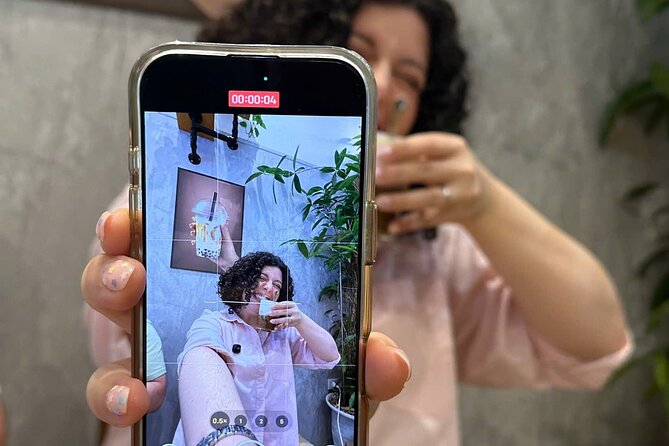
A big part of the magic is the loop you’ll repeat during the workshop: brew, whisk, taste, adjust. This isn’t a one-pass recipe class where everyone makes the same cup and hopes for the best.
Instead, the instructor guides you to notice the changes in real time. If your coffee tastes too bitter, you learn how locals correct that. If you want it sweeter or bolder, you learn what to change and why.
This is also where you get the workshop’s most valuable idea: you’re not memorizing a single recipe. You’re learning flavor control.
How you learn better coffee at home
You’ll leave with practical tips that are meant for everyday kitchens. The workshop emphasizes making coffee taste better without fancy equipment, and that mindset is huge if you live outside Vietnam.
They explain ingredient roles clearly. Then they connect those roles to easy substitutes. For example, if you don’t have exactly the same ingredient at home, they’ll help you understand what effect the original ingredient gives (sweetness, richness, aroma, or texture) so you can match that effect with what’s available.
If you love coffee but hate complicated gear, this is the section that will feel like the real win.
Fresh Daily Ingredients and Seasonal Coffee From the Central Highlands

Vietnamese coffee has a reputation for being strong and sweet, but this workshop treats ingredients like something worth respecting. You use Vietnamese specialty coffee, and beans are sourced from the Central Highlands.
What’s especially useful for your expectations is the seasonal angle. Coffee changes through the year, and the workshop shares only what’s in good condition. That means your cups might vary slightly compared to what you’ve seen online, but you’re learning how to taste and adjust in a way that works year-round.
Daily-prepped ingredients are also part of the story. Eggs, milk, and coconut are prepared freshly. There’s no artificial shortcut described in the setup. The class approach makes you understand the drink’s flavor as a result of real components, not pre-made mixes.
For me, this is part of why the workshop lands as authentic. You’re tasting what’s actually good now, not what’s easiest for a photo.
Tools, Comfort, and the “Explore the Bar” Setup
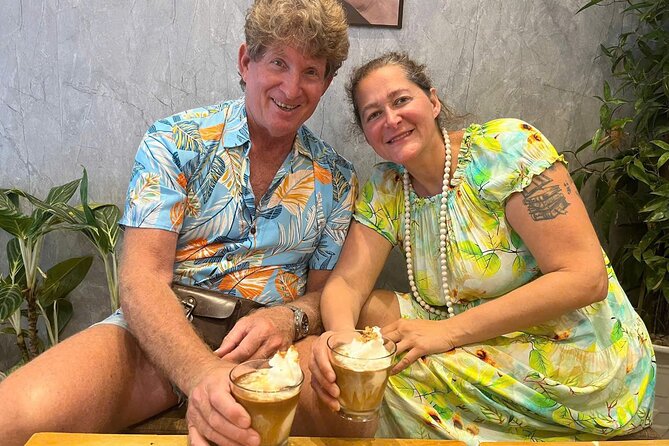
The practical details here make the experience easier to enjoy. You’ll have air conditioning, and the utensils are described as dishwasher-cleaned and sterilized. That matters when you’re doing hands-on work and sharing a workshop space.
The bar setup is designed so you can try techniques without feeling like you’re in the way. If you want to explore additional tools, they’re available at the bar.
There’s also a pet-friendly garden space. If you’re traveling with a pet, that’s the kind of detail that makes a workshop feel more realistic. Service animals are allowed too, which helps if you need them.
Price and Value: What $18.20 Buys You Here
At $18.20 per person, this workshop is priced like a true add-on experience, not a luxury class. The value comes from three things you actually get:
- Multiple coffees brewed and tasted during a short session
- Real technique coaching tied to taste feedback, not only instructions
- Full recipes and more so you can repeat the drinks later
The time you spend is about two hours. That’s long enough to learn, taste, and adjust, but short enough that it doesn’t drain your day. For a coffee lover, that’s the sweet spot: you walk out with skills you’ll use again.
Also, recipes are provided. That means the workshop doesn’t end when you leave. You can recreate what you learned at home, and you won’t have to rely on memory for exact flavor structure.
Tips are not included, so if you like to tip instructors, factor that into your budget. Still, even with that in mind, the class is positioned as a strong value for hands-on coffee education.
Culture Lessons You’ll Notice in the Background
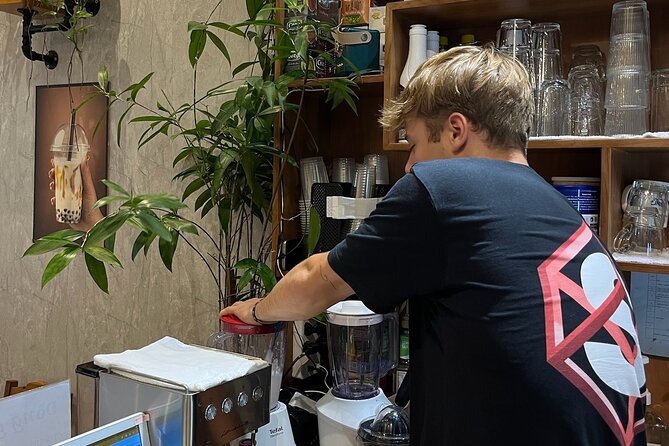
Coffee in Vietnam isn’t just about caffeine. It’s a social tool. During the workshop, stories flow naturally—about the city, old cafés, and how coffee fits into everyday life. That cultural context isn’t delivered like a lecture. It’s woven into the tasting and technique talk.
If you enjoy travel experiences that connect to daily routines rather than famous landmarks, this will feel satisfying. You leave with a clearer sense of why these drinks taste the way they do and why people order them again and again.
And because you’re working in a local space with warm elders, the class has that lived-in feeling that’s hard to fake.
Who This Workshop Suits Best
This is a great fit if you:
- Love coffee and want to understand why flavors happen
- Prefer hands-on learning over watching
- Want Vietnamese classics like egg coffee and salted coffee made in a clear, repeatable way
- Want home tips that don’t require complicated gear
It’s also a solid choice if you’ve already explored Hanoi casually and now want something that feels personal and skill-based.
If you’re the type who hates tasting events or gets impatient with sensory steps, you might find the repeated tasting cycles a bit slow. But the pace is described as thoughtful and not rushed, especially because groups stay small.
Should You Book This Hanoi Coffee Workshop?
If you want an experience that gives you real skills, clear ingredient logic, and multiple Vietnamese coffees in one session, I’d book it. The best reason is simple: you’re not just learning recipes—you’re learning how to adjust coffee to taste, which is the same skill locals use every day.
Book this if you’re a coffee person who likes practical takeaways like recipes you can actually use at home, plus flavor coaching you can repeat without fancy equipment.
Skip or reconsider if you only want a quick tasting and don’t want hands-on brewing and adjusting. Also, if your schedule is tight, give yourself buffer for weather-based start-area changes and confirm the meeting point message before you head out.
Overall, this one is a strong choice in Hanoi for people who want something authentic, hands-on, and easy to bring home.
FAQ
How long is the Hanoi Coffee Workshop?
It runs for about 2 hours.
What coffees will I learn to make?
You’ll learn signature Vietnamese coffees including black, brown, egg, white, coconut, and salted. The hands-on portion is described as making 4–6 iconic coffees during the workshop.
What’s included in the workshop price?
You get full recipes and more, a passionate local instructor, a photographer (the instructor), warm local elders, air conditioning, dishwasher and sterilized utensils, a pet-friendly garden space, and tools at the bar if you want to explore.
Is tips included?
No. Tips are not included.
What is the group size?
The workshop has a maximum of 8 travelers, and groups are kept small for quality.
Is the workshop pet-friendly and are service animals allowed?
Yes. It includes a pet-friendly garden space, and service animals are allowed.