REVIEW · SAPA
Sapa Love Silver Waterfall, Lonely Tree in Heaven Gate,San Sa Ho
Book on Viator →Operated by Sapa Original Trek · Bookable on Viator
Fog can decide Heaven Gate views. This Sapa day strings together Silver Falls, Love Waterfall, and the Lonely Tree viewpoint, plus a trek through working fields and village life. It’s the kind of route that trades some big-bus time for real footpath time.
I especially love how the day mixes showy scenery with quieter moments: walking the National Park paths near Love Waterfall, where you might spot buffalo along the way, and then dropping into farming landscapes tied to local routines. I also like that you get an English-speaking guide and lunch included, and guides such as Mu and May are described as patient with photos and good at explaining daily life.
One thing to consider: you should expect more walking and step climbing than the short overall time suggests. If you have mobility issues, build in extra caution and go slow at the viewpoints and along dirt trails.
In This Review
- Key things to know before you go
- Silver Falls and Love Waterfall: a classic Sapa pairing, done with real walking
- Heaven Gate and the Lonely Tree: your panorama depends on fog
- San Sa Ho rural trek: rice and corn, tea hills, and a meal with a view
- Sin Chai and Hmong village time: less photo-op, more people-watching
- Price and value at $58: what you’re really buying
- Who this tour fits best (and who should choose carefully)
- Practical tips: how to make the most of the walking and the weather
- Should you book this Sapa waterfalls and Heaven Gate trek?
- FAQ
- How long is the Sapa Love Waterfall and Heaven Gate trek?
- What time does the tour start?
- Is this a private tour?
- What’s included in the price?
- Can I cancel for free?
- Are service animals allowed?
Key things to know before you go
- Two waterfall stops with different vibes: Silver Falls for dramatic falls at altitude, then Love Waterfall for the bigger, National Park-style walk.
- Heaven Gate with a weather wildcard: fog can blur the panorama, but that risk is part of Sapa’s game.
- A high-pass viewpoint at around 2,000m: Lonely Tree gives you a strong photo angle when visibility cooperates.
- Rural trekking near rice and corn fields: less about staged photos, more about walking among working farmland.
- Lunch and water are built in: bottled water (1.5 liters per person) and a full meal keep the day from turning into a snack hunt.
- Your guide matters: many groups highlight guides like Mu, May, and Cho/Choo for pacing and clarity.
Silver Falls and Love Waterfall: a classic Sapa pairing, done with real walking
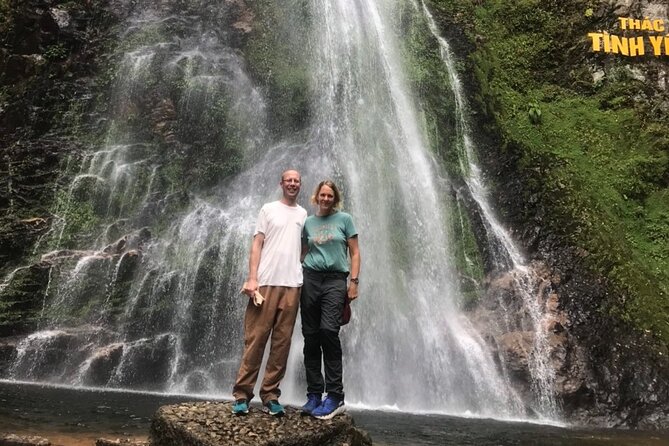
This day starts with a short ride up to Thác Bạc Waterfall, often called Silver Falls. The key detail here is elevation. You’re up around 1,900m, so the air feels crisp and the falls look like they drop from the hillside rather than just “in town.” You’ll have a limited window, so the best move is to pick one main viewing spot first, then circle a bit if there’s safe footing.
I like the way Silver Falls sets the tone: it’s scenic without being too rushed, and it gives you a sense of how steep and dramatic Sapa gets once you leave the main roads. The admission is included, which also means you spend less time negotiating tickets and more time focusing on photos and timing.
Then you head to Love Waterfall, the bigger one in the area. This is where you shift from viewpoint photos to footpath time. You’ll walk through the National Park, with old trees, golden streams, and that “we’re actually in the hills” feeling. There’s also a real chance to cool off, since swimming at Love Waterfall is listed as possible when conditions allow.
One practical note: because this portion is outdoors and tied to trails, your comfort depends on shoes and weather. In mist, the stones can get slick. In clearer weather, you’ll enjoy a slower pace and better detail in the rock and greenery. Either way, the walking time helps the scenery feel earned, not just stared at.
You can also read our reviews of more tours and experiences in Sapa.

Heaven Gate and the Lonely Tree: your panorama depends on fog
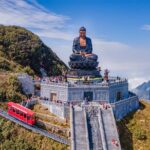
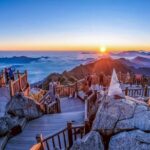
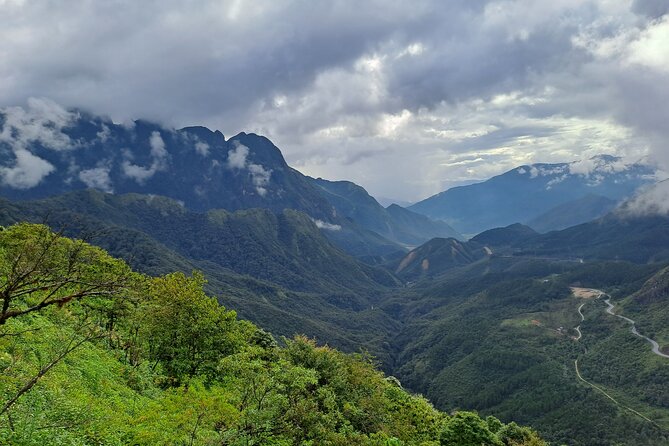
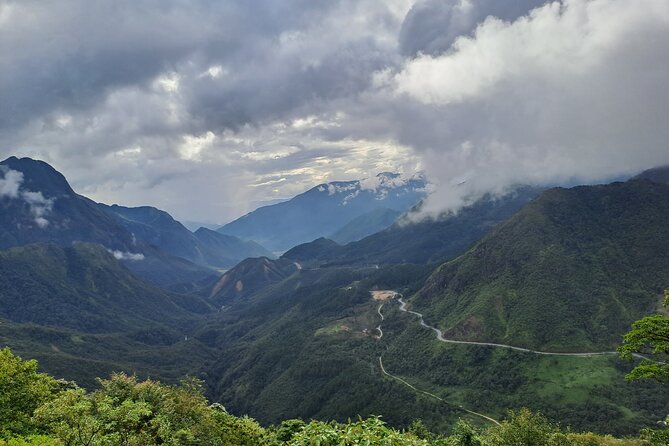
After the waterfalls, the route climbs toward O Quy Ho and up to the Heaven Gate area, described as the highest pass in Vietnam. The Lonely Tree stop is brief, but it’s the whole point: you go to a viewpoint where the valley opens up—when visibility is good.
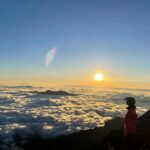
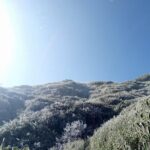
Here’s the honest truth you should plan for: fog is a real risk. When it rolls in, Heaven Gate can feel like a misty secret instead of a grand panorama. That sounds disappointing, but it can also turn the stop into something atmospheric. The far distances just won’t show as cleanly.
So how do you maximize your chances? Go to Lonely Tree with a flexible mindset. Expect the most dramatic views when clouds lift, but don’t bank everything on one “perfect minute.” You’ll typically have a short window at the viewpoint, so take a few photos early, pause, and then adjust if the weather shifts.
Also, this stop involves high elevation. Even if you’ve traveled before, you may feel the air a bit thinner. Slow down, breathe, and don’t sprint between the best angles. Your guide will keep you moving, but it’s worth telling you in advance: the view is there for a reason—don’t rush the way you might at low altitude.
San Sa Ho rural trek: rice and corn, tea hills, and a meal with a view
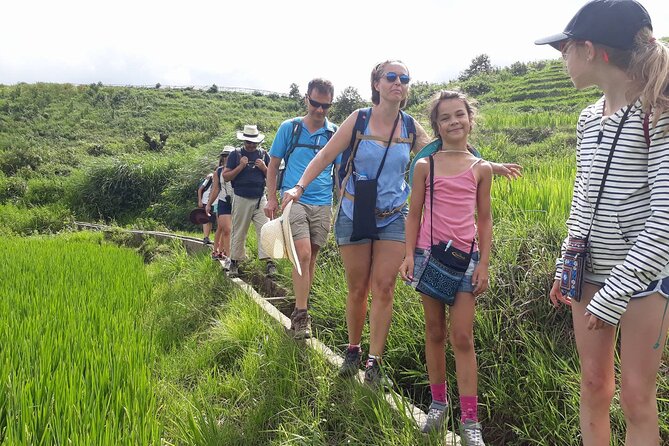
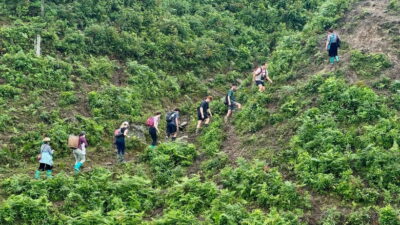
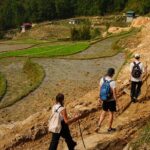
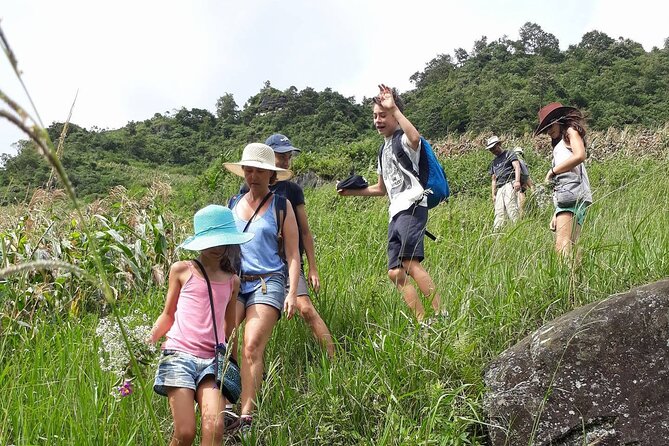
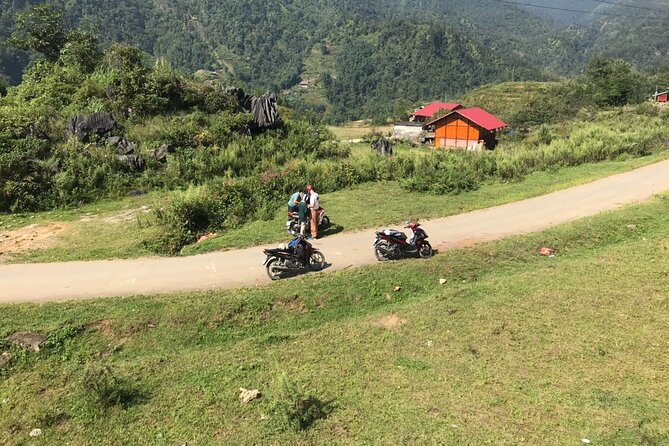
San Sa Ho is where the day turns into a working-farmland experience. You’ll ride up again, then start trekking down through countryside paths. This is not a flat stroll. The terrain is mostly dirt trails and hillside walking, with stairs/steps and uneven ground possible depending on the weather.
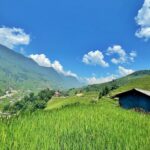
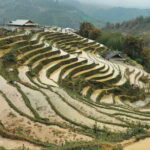
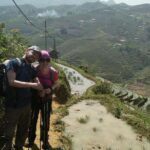
What I like about this part is how Sapa’s signature look shows up for real: rice and corn fields. You’re walking among crops, not just standing at the edge. That changes the photos too. Instead of “one view from one spot,” you’ll get multiple angles as the path bends and the field rows open up.
The day also includes sights like a green tea hill and time for pictures. You might see how locals manage slopes for growing, and you get a better sense of why the valley looks the way it does. If you’re the type who likes small discoveries—how a path crosses a field, how water runs down a channel—this section will reward you.
Then comes the best comfort break: lunch is included. It helps that it’s scheduled during the trekking portion, not after you’re already exhausted. And if it’s raining, you’ll be grateful for the timing, because you can refuel while you still have energy left for photos and the last stretch of walking.
From the vibe described by previous groups, the meal and the downhill walk can feel almost surreal—like you’re eating while watching the farmland breathe. That’s the emotional payoff of this tour: you don’t just “see Sapa,” you walk through it.
Sin Chai and Hmong village time: less photo-op, more people-watching
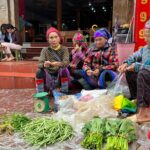
Sapa isn’t only scenery. The human layer is what makes it meaningful, and this route includes time with Hmong ethnic people in the Sin Chai village area. The way it’s described is important: it’s framed as very authentic and less touristy than the most famous village stops.
What does that mean for you in practical terms? You’re more likely to experience the village as a place where people live and work, not a stage set. You’ll probably spend time moving at a human pace, with a guide who can explain what you’re seeing—clothing, daily activities, and the role the terraces and farming play in local life.
If you’re worried about feeling like an intruder, this is where the guide earns their pay. Good guides help you look respectfully, ask sensible questions, and keep things comfortable for everyone. Guides mentioned on this route, including May, are praised for making the day feel special and unhurried, so you can focus on understanding rather than rushing through.
Price and value at $58: what you’re really buying
At $58 per person, this is positioned as a short, well-packaged day: waterfalls, a high-pass viewpoint, and a countryside trek. You also get meaningful inclusions that protect you from hidden costs:
- Lunch
- Entrance fees to waterfalls and village areas
- Bottled water (1.5 liters per person)
- Private transportation
- English-speaking guide
That matters because Sapa days can get expensive when you stack entry tickets, transport, and guide time. Here, the structure feels designed to keep you moving without constant add-ons.
It’s also helpful that it’s a private tour for your group. That usually means less waiting around for other schedules and more flexibility in how long you spend at photo spots, as long as the overall timing stays on track.
The only caution on value: because it’s a fast day (about 5–6 hours), you’ll need to accept that you can’t linger everywhere. This tour is best for people who like variety—waterfalls, viewpoints, then farming paths—more than people who want a slow, long hike.
Who this tour fits best (and who should choose carefully)
This works well for:
- You if you want multiple Sapa highlights in one day without driving yourself.
- You if you like a mix of photo stops and walking.
- You if you appreciate a guide who explains daily life and keeps the pace comfortable.
- You if you value included basics like lunch, water, and tickets.
You should think twice (or plan extra carefully) if:
- You have mobility limits. Even though it’s only half a day, there’s step climbing and walking involved.
- You’re very sensitive to uneven ground, especially if it rains.
- You strongly need clear Heaven Gate views. Fog can happen, and you’re still going to the viewpoint.
For most people, the trip is manageable with the right mindset: slow down, wear proper shoes, and treat it like a hike day that happens to include famous stops.
Practical tips: how to make the most of the walking and the weather
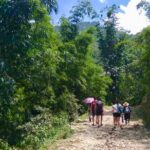
Bring footwear you trust. This route includes outdoor trails where stones can get slick, and dirt paths can be muddy after rain. When it rains, you might see people moving carefully through the fields, and you’ll want traction.
Pack light but smart:
- A thin rain layer or poncho (weather swings are common in the high hills)
- Sun protection for clear moments
- A small towel or quick-dry layer if you plan to cool off near waterfalls
- Cash only if you expect to pay personal expenses or tips
Also, set expectations about Heaven Gate. If visibility is low, you won’t see the valley the way you imagined from photos. But you’ll still get the experience of reaching the viewpoint area and seeing how weather transforms the pass.
Finally, remember tips for guide and driver aren’t included. If your guide is especially helpful—patient with photos, clear in explanations, and flexible—budget a little for that kindness.
Should you book this Sapa waterfalls and Heaven Gate trek?
I’d book it if your dream Sapa day includes waterfalls plus a high-pass viewpoint, and you don’t mind some real walking. This tour offers strong value because lunch, water, and key entry fees are included, and the private setup keeps the flow smooth. The best bonus is the human side: the village visit angle and the guidance style are built to make it feel more personal than a stamp-collecting day.
Skip it if you want a mostly easy stroll with zero steps, or if you need guaranteed clear panoramic views at Heaven Gate. Weather can steal those distant vistas, and the route still includes steps and hiking on uneven ground.
If you’re traveling with a group and you want an efficient, authentic-feeling mix of Sapa highlights, this is a solid pick.
FAQ
How long is the Sapa Love Waterfall and Heaven Gate trek?
It runs about 5 to 6 hours.
What time does the tour start?
The start time is 9:00am.
Is this a private tour?
Yes. It’s listed as a private tour/activity, so only your group participates.
What’s included in the price?
Lunch, entrance fees to waterfalls and village areas, bottled water (1.5 liters per person), private transportation, and an English-speaking guide.
Can I cancel for free?
Yes. You can cancel up to 24 hours in advance for a full refund.
Are service animals allowed?
Yes, service animals are allowed.