REVIEW · HIKING & TREKKING
3-Day Trek in Amazing Muong Hoa Valley & ethnic Homestay
Book on Viator →Operated by Vietnam Nomad Trails · Bookable on Viator
Muong Hoa Valley gives you a full-body Sapa fix. This 3-day trek from Sapa mixes big rice-terrace photo moments with village trails and time with ethnic groups, including a sunrise push in Ban Ho valley. You’ll also ride out with an air-conditioned vehicle, then spend most days walking through farming paths and valley scenery.
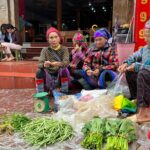
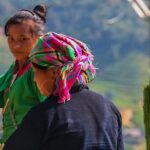
What I like most is the human side: you get to meet the Hmong in Lao Chai and the Red Dzao in places like Giang Ta Chai and Nam Tong, which makes the trek feel more like community touring than just sightseeing. One guide called Lang comes up in strong feedback, and that kind of local, English-speaking guidance is exactly what you want for understanding what you’re seeing.
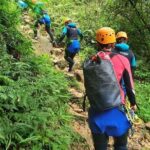
The main thing to consider is physical effort. This isn’t a gentle stroll: you’re looking at roughly 6–7 hours on the first two days, plus uneven trail and a moderate fitness requirement—also, the experience depends on good weather, so cloudy or rainy conditions can change plans.
In This Review
- Key Highlights You’ll Feel on This Trek
- Why Muong Hoa Valley Beats a Quick Day Trip
- Price and Logistics: What $109 Actually Buys You
- Day 1: From Sapa to Lao Chai via Y Li (Hmong Country Walk)
- Day 2: Ta Van to Giang Ta Chai, Bamboo Forest to Red Dzao Villages
- Day 3: Ban Ho Valley Sunrise, Nam Tong, and Back for Lunch
- Homestay Culture: What You Can Learn Without Getting Lost
- Your Walking Reality: Timing, Pace, and Group Size
- Packing That Works for Muong Hoa Valley Trekking
- Who This Trek Suits Best (And Who Might Want Another Option)
- Should You Book This 3-Day Trek in Muong Hoa Valley?
- FAQ
- Where does the tour start and end?
- What time does the tour start?
- How long is the trekking tour?
- Is the trek suitable for everyone?
- How many people are in the group?
- What meals are included?
- Is an admission ticket required?
- Do you get an English-speaking guide?
- Does the tour depend on weather?
- Can I cancel and get a full refund?
Key Highlights You’ll Feel on This Trek
- Muong Hoa Valley rice terraces: stop-and-shoot moments built into the walking days
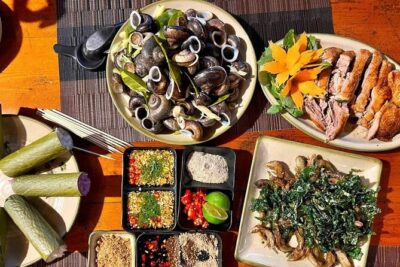
- Two overnight homestay days: you’ll eat well and swap stories with local families
- Hmong and Red Dzao village routes: Lao Chai, Ta Van, Giang Ta Chai, Nam Tong, and Ban Ho areas
- Bamboo forest trekking on Day 2: a calm, shaded stretch between villages
- A real sunrise outing: Ban Ho valley on Day 3 before you head to Nam Tong
- Small group size (max 14): easier pacing and less feeling like a herd
Why Muong Hoa Valley Beats a Quick Day Trip
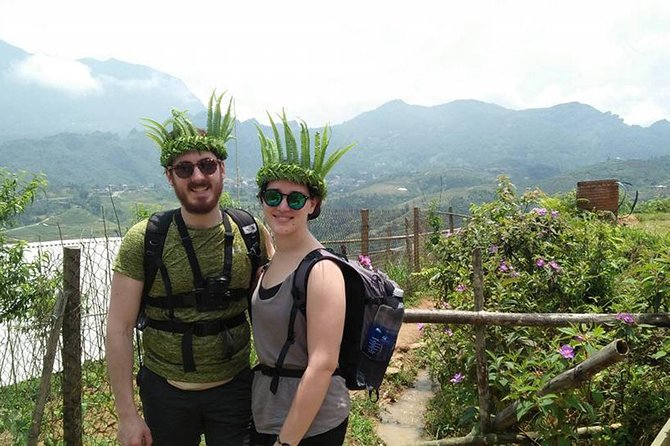
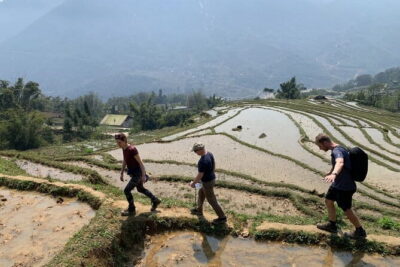
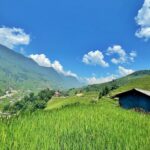
Sapa gets crowded fast, but Muong Hoa valley is the place where the scenery keeps changing as you walk. Instead of one viewpoint, you get a sequence: terraced fields, valley paths, and village edges where you can actually see daily work and daily life.
This tour also makes time for culture in a practical way. You’re not just passing through villages. You start in a Sapa town pickup area, trek into Hmong and Red Dzao communities, and spend two evenings with meals included. That matters because you’re more likely to pick up real context for what you’re photographing—why certain areas look the way they do, how communities organize life around the terrain, and what people consider normal day-to-day.
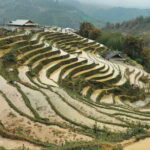
And yes, the photos are a major draw. The rice terraces and the early morning lighting in Ban Ho valley are the kind of images that look good even on a basic camera. But the best part is that you’re not standing still the whole time.
You can also read our reviews of more hiking tours in Sapa
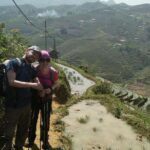

Price and Logistics: What $109 Actually Buys You
At $109 per person for about 3 days, the value comes from what’s included—not just the guide.
You get:
- an air-conditioned vehicle for the trek logistics around Sapa
- an English-speaking tour guide
- meals: breakfast (2), lunch (3), dinner (2)
- admission is listed as free
- a mobile ticket
That meal package is a big deal in Sapa trekking. Once you’re out on the route, you don’t want to spend extra time tracking food stops or paying for every meal on your own. Here, the schedule is already built around meals at villages and during the walking flow.
The other value piece: group size. With a maximum of 14 people, you can usually keep a steady pace. In one commonly mentioned setup, groups can mix shorter and longer trekkers (people doing 1 day and others doing 2 days). The good news is that the guide can keep everyone moving without turning it into chaos.
Finally, this tour is popular enough that it’s often booked around 25 days in advance. If you’re traveling during peak season or on weekends, I’d plan to reserve early so you’re not stuck choosing a less convenient start date.
Day 1: From Sapa to Lao Chai via Y Li (Hmong Country Walk)
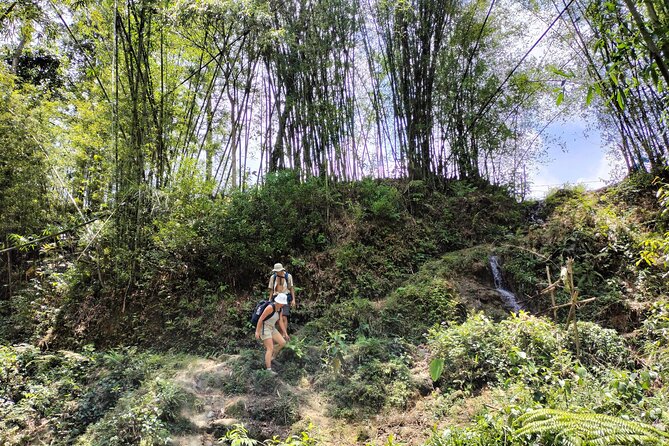
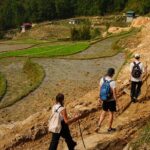
You’ll meet around the Sapa pickup point at 15 Tuệ Tĩnh, and the start time is around 9:00 AM, with pickup commonly described around 9:15 AM. From there, you start trekking into Muong Hoa valley toward Lao Chai, an area inhabited by the Hmong ethnic minority.
The walk is listed at about 6 hours, with the route passing through the Y Li area. In plain terms, Day 1 is your foundation day: you ease from town into valley trekking and build rhythm for the next two days.
What makes Lao Chai and this first stretch worth it:
- you’re walking into farming terrain, so the scenery doesn’t feel staged
- you get rice-terrace views that are more interesting than a single roadside stop
- you’re entering a community route early, which helps the later cultural moments feel connected rather than random
A practical consideration: Day 1 often sets your pace for the whole trip. If you start too fast, you’ll feel it later on. Take your time with the stops for photos. Rice terrace photos are easier when you’re not rushing.
Day 2: Ta Van to Giang Ta Chai, Bamboo Forest to Red Dzao Villages
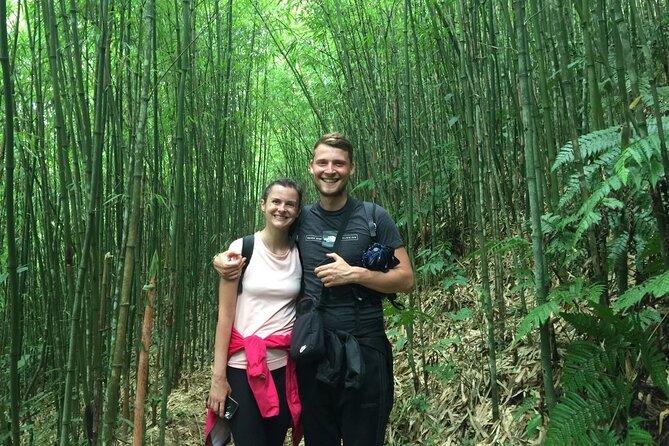
Day 2 starts with a local breakfast, then you leave Ta Van village. From there, you trek through a bamboo forest toward Giang Ta Chai village, home to people from the Red Dzao ethnic minority group. This day runs about 7 hours.
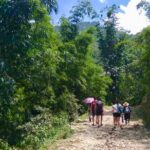
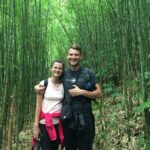
This is the day where the trek feels most varied. A bamboo forest section is a nice break from open valley paths—cooler air, shaded walking, and usually a different kind of scenery rhythm. Then, as you approach Giang Ta Chai, the view shifts back toward village life and countryside edges.
Why Giang Ta Chai matters on this route:
- it gives you a second cultural perspective (Red Dzao, after Hmong on Day 1)
- it helps explain how different groups adapt to the valley’s terrain
- it keeps the trek from being only about scenery; it’s also about people and place
The only drawback with a longer Day 2 is simple: endurance. You’re walking for about 7 hours, and the trail is naturally uneven in this type of terrain. If you know you’re not strong with long days, you’ll want to manage your breaks carefully—short stops, water in hand, and steady steps.
Day 3: Ban Ho Valley Sunrise, Nam Tong, and Back for Lunch
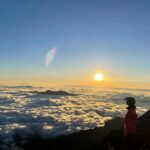
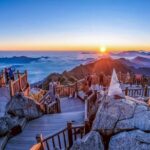
Day 3 is built around an early moment: after breakfast, you enjoy sunrise in Ban Ho valley. Then you start a short trek toward Nam Tong village, inhabited by the Red Dzao tribe, before returning to Ban Ho village for lunch. This day is about 4 hours, which makes it the lighter day in time and effort.
The sunrise is the headline. Early light changes everything—rice terraces glow, shadows sharpen, and valley shapes look more dramatic than in midday. Even if you’re not a hardcore photographer, sunrise is the moment when the trek stops feeling like a hike and starts feeling like a memory you’ll keep.
Nam Tong adds the human payoff. You’re not just seeing one Red Dzao community once—you’re ending your trek with a village visit after the sunrise. That final pairing makes the trip feel complete: early valley views, then community context.
A practical note: if you’re sensitive to cold mornings, bring layers. Even when the daytime feels mild in Sapa, mornings in the hills can feel chilly, especially before you’re warmed up by steady walking.
You can also read our reviews of more tours and experiences in Sapa

Homestay Culture: What You Can Learn Without Getting Lost
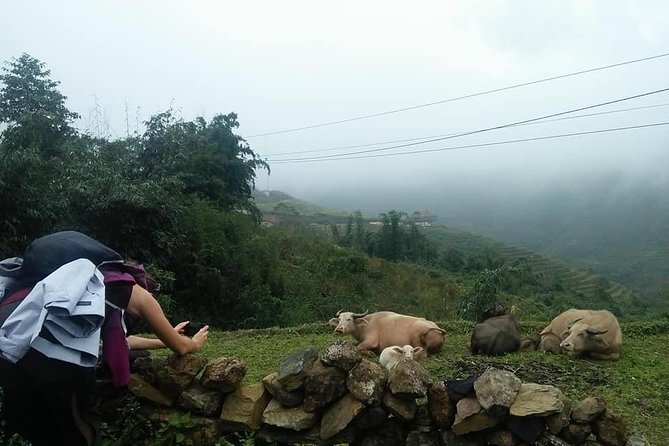
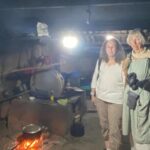
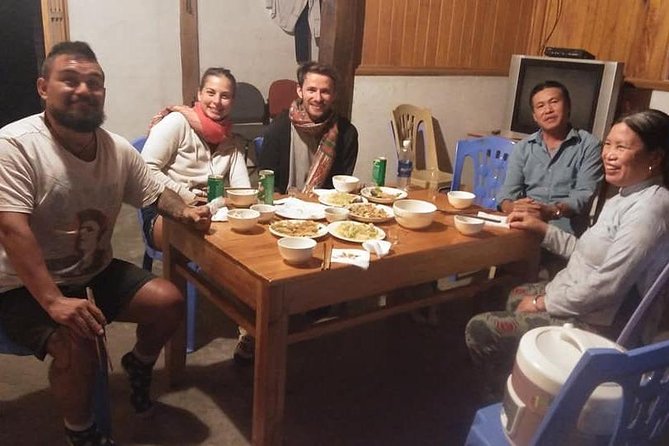
This tour is designed around meeting ethnic minority communities, and it includes meals twice for dinner and twice for breakfast. That means your homestay time isn’t just a place to sleep—it’s part of the cultural exchange.
What you’ll likely notice:
- families and daily routines tied to the valley and terraced farming
- differences in clothing, household customs, and how people organize community life
- the practical reasons traditions exist where they do (terrain, seasons, and work)
I also like that the tour is explicit about English-speaking guidance. Without that bridge, village visits can turn into a quick look-and-go. With an English-speaking guide, you’re more likely to understand what you’re being shown and ask better questions.
A consideration: homestays and village visits are living spaces. Keep your expectations respectful and simple. Bring a friendly attitude, and remember that you’re there as a visitor.
Your Walking Reality: Timing, Pace, and Group Size
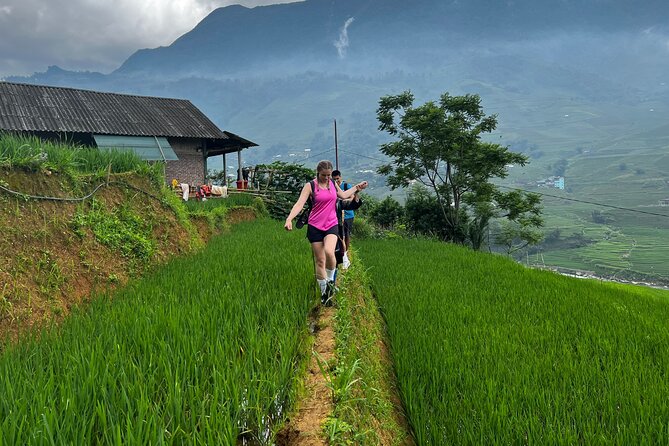
This trek runs 3 days total, and the structure is clear: long Day 1 and Day 2, then a shorter Day 3. The itinerary times are roughly:
- Day 1: about 6 hours
- Day 2: about 7 hours
- Day 3: about 4 hours (sunrise + short trekking)
That pacing is exactly why a 3-day version is worth it. You’re getting the deep valley experience without needing a full marathon schedule. One of the strongest bits of feedback is the idea that 3 days is the sweet spot if you have the time and energy.
Group size stays manageable with a maximum of 14. In practice, that tends to mean:
- you’re less likely to feel rushed
- your guide can keep an eye on the group
- the cultural stops feel more personal
Packing That Works for Muong Hoa Valley Trekking
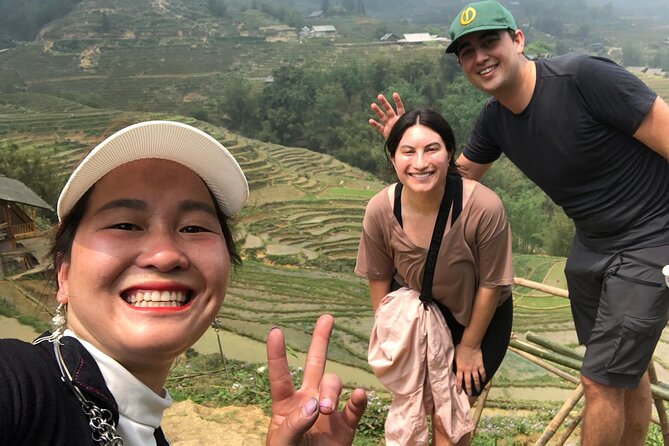
Since the tour requires moderate fitness and includes multiple hours of walking, pack like you’re trekking, not just visiting.
At minimum, plan for:
- comfortable hiking shoes (traction matters)
- a light rain layer or weather protection (because it depends on good weather)
- a warm layer for sunrise mornings
- water and small snacks for energy between photo stops (even if meals are included, you’ll still want quick fuel)
For photos, bring a small camera strap or secure bag. Valley wind and uneven paths can make “quick stops” harder if your setup is bulky.
Who This Trek Suits Best (And Who Might Want Another Option)
This is a great match if you want:
- real trekking time in Muong Hoa valley, not just viewpoint hopping
- cultural village interaction with Hmong and Red Dzao communities
- sunrise as part of the experience (Ban Ho valley on Day 3)
- a structured tour with guide support and meals handled
It’s also ideal if you like small-group travel and appreciate English guidance for deeper context.
You might want to think twice if:
- you struggle with long walking days (especially the 6–7 hour stretches)
- you’re very sensitive to cold mornings
- you need a schedule that never changes due to weather—this one requires good conditions
Should You Book This 3-Day Trek in Muong Hoa Valley?
Yes, I’d book it if you’re choosing between a quick Sapa outing and a real valley experience. The combination of rice-terrace views, bamboo-forest trekking, and two different ethnic community routes (Hmong and Red Dzao) gives you a fuller sense of Sapa than a one-day version.
The value is also strong for the price because meals are included throughout the trek days, and you’re not juggling logistics for food. Add in the small max group size and English-speaking guidance, and it becomes a low-stress way to do something that would be harder to organize on your own.
If you’re confident with moderate trekking effort and you can handle an early start for sunrise, this is the kind of trip that usually earns the phrase must do.
FAQ
Where does the tour start and end?
It starts at 15 Tuệ Tĩnh, Việt Nam, Sa Pa, Lào Cai, Vietnam and ends back at the same meeting point.
What time does the tour start?
The listed start time is 9:00 AM, and pickup is described around 9:15 AM in Sapa Town.
How long is the trekking tour?
It runs for 3 days (approximately).
Is the trek suitable for everyone?
It’s listed for travelers with moderate physical fitness level.
How many people are in the group?
The tour has a maximum of 14 travelers.
What meals are included?
Breakfast is included 2 times, lunch is included 3 times, and dinner is included 2 times.
Is an admission ticket required?
Admission ticket is listed as free.
Do you get an English-speaking guide?
Yes, the tour includes an English speaking tour guide.
Does the tour depend on weather?
Yes. It requires good weather, and if it’s canceled due to poor weather you’ll be offered a different date or a full refund.
Can I cancel and get a full refund?
Yes. Free cancellation is available up to 24 hours in advance for a full refund.