REVIEW · HIKING & TREKKING
From Sapa: 2 Days 1 Night Trek Over Night At Homestay
Book on Viator →Operated by Sapa May Travel · Bookable on Viator
This 2-day, 1-night Sapa trek is interesting because it mixes Muong Hoa Valley village walking with an overnight stay in a working community, not a hotel bubble. I like that you’re guided by a local English speaker (many trips highlight Mao Cô) and you get hands-on culture time, from a spring-roll cooking session to dinner with local rice wine. One consideration: transfers can feel bumpy on the ride between Sapa and the trailheads, and the walking can add up across two days.
The value is also clear on paper: for about $55 per person, you get a private room at the homestay plus dinner, breakfast, lunch, and entrance tickets, with drinks handled separately. Also, groups stay small (up to 15), so you’re not stuck feeling like a moving school trip.
In This Review
- Key highlights worth planning for
- Getting picked up and finding your feet in Sapa
- Y Linh Ho and Lao Chai: terraces, streams, and minority village life
- Ta Van village homestay: spring rolls at the table and rice wine after
- Day 2 breakfast, checkout, then a 6 km Red Dao walk
- Supan village lunch and the return to Sapa by mid-afternoon
- Price, inclusions, and what to budget for drinks
- Group size and your guide: why Mao Cô keeps showing up in the stories
- Practical tips for a smoother trek in Sapa
- Who should book this Sapa 2D1N homestay trek?
- Should you book? My call
- FAQ
- What does the tour include?
- Is there pickup in Sapa?
- Where do I stay overnight?
- Which villages are visited during the trek?
- How long is the walking on Day 2?
- What time does the tour end?
- Is there a lunch included?
- Are drinks included with meals?
- How many people are in the group?
- Can I cancel for a full refund?
Key highlights worth planning for
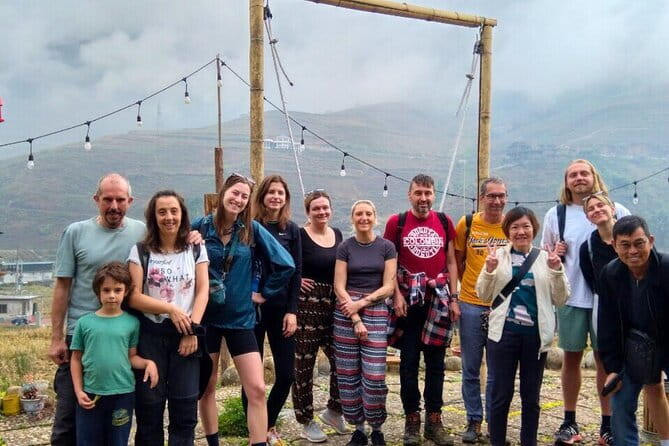
- Ta Van homestay overnight with Hmong and Zay community life and a private room
- Rice-terrace village route through Y Linh Ho, Lao Chai, Ta Van, then on to Giang Ta Chai
- Mao Cô’s English-led storytelling that helps you make sense of what you’re seeing
- Cooking class time: you make fried spring rolls at the homestay
- Day 2 includes a real walk: about 6 km to Red Dao villages, plus a local lunch stop
- Small-group pace: maximum 15 people, with guide support throughout
Getting picked up and finding your feet in Sapa
Your day starts early, with pickup from Sapa hotels or the pre-arranged meeting point between 8:00 and 8:30 a.m. The tour base is near Sa Pa Retreat Condotel on Hoàng Liên, so it’s easy to meet up without complicated transfers. If you like a smooth start, arrive a few minutes early and keep water handy—Sapa mornings can shift fast.
Then comes the driving between Sapa and the valley route. One thing to be ready for: the rides can feel a bit rough, so if you’re sensitive to motion, you’ll be happier if you pack accordingly (seat position helps too). Once you’re out on the village roads and walking paths, the pace feels more human and less like commuting.
You can also read our reviews of more evening experiences in Sapa



Y Linh Ho and Lao Chai: terraces, streams, and minority village life
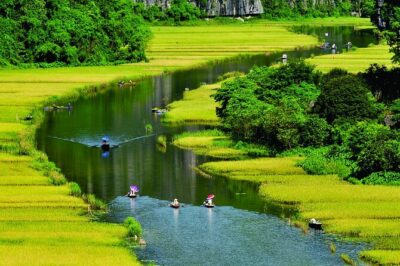
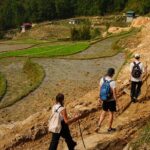
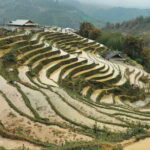
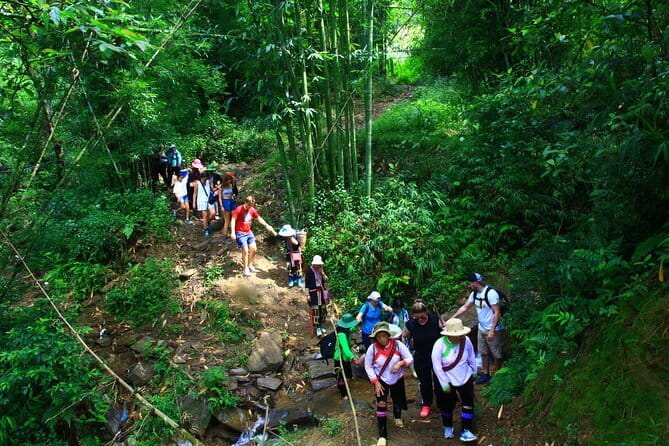
The first major walking segment targets Y Linh Ho village, about 8:30 a.m., with roughly 2 hours here. This area sits along Muong Hoa Valley and looks framed by the Hoàng Liên Sơn mountain range, with terraced fields, streams, and footpaths that are made for wandering slowly. This is where you start seeing the farming logic of the valley—water routes, stepped fields, and villages built along the contours.
Next you head toward Lao Chai, around 10:30 a.m., for about 3 hours. Lao Chai is known as home to multiple ethnic minority groups, including Black Hmong, Red Dao, and Giay. For me, that matters because it explains why the village feel changes even within a short distance: dress, daily routines, and how people move through the terraces can look different from one hamlet to the next.
A practical note: this part of the day is about walking and looking, not checking boxes. If it’s misty or slippery, slow down on the paths and keep your footing first—your best views usually come when you’re not rushing.
Ta Van village homestay: spring rolls at the table and rice wine after
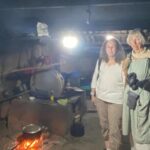
About 8 km from Sapa, you reach Ta Van village, with arrival timing around late afternoon. By 5:30 p.m., you’re at the homestay, and the evening is where the trip shifts from sightseeing to lived-in experience. You prepare fried spring rolls directly as a cooking activity, and it’s a great moment to ask questions while your hands are busy.
Dinner happens at the homestay too, and the experience includes a chance to try local rice wine. If you’ve heard the phrase happy tea and happy water from past guests, that’s the kind of local hospitality tone you can expect here—simple, welcoming, and offered casually. You don’t need to force it, but if you’re curious, this is one of the best times to sample.
You also sleep in a private room at the homestay in Ta Van. That single night is the heart of the itinerary: it’s what turns a short trek into something you remember beyond photos. It also means you’re not sprinting back to Sapa at the end of day one—you get to see village life after the day-trippers thin out.
Day 2 breakfast, checkout, then a 6 km Red Dao walk
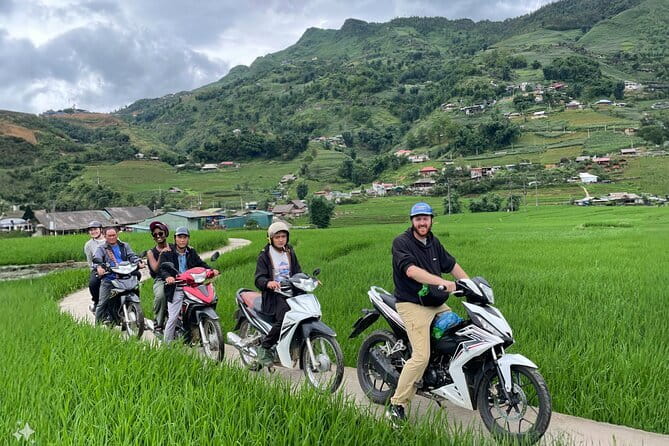
Day two starts with breakfast at the homestay from about 8:00 to 9:00 a.m., followed by checkout. The schedule then moves into the next village circuit with an early start, around 9:15 to 9:30 a.m.
Your next stop is Giang Ta Chai village. From there, you walk about 6 km to visit two villages of Red Dao. The total time on this segment is around 4 hours, so plan on sustained walking, including stretches where you’ll be moving steadily rather than pausing every few minutes. If you’re the type who likes to linger, bring that patience—this route is built to let you connect gradually with village rhythms.
This is also the part of the trek where your guide’s perspective really matters. With a local English tour guide, you’re better able to connect what you see—fields, homes, and footpaths—with the people who live there. If Mao Cô is your guide, the trip often benefits from her ability to explain what these communities value, and why the scenery looks the way it does.
Supan village lunch and the return to Sapa by mid-afternoon
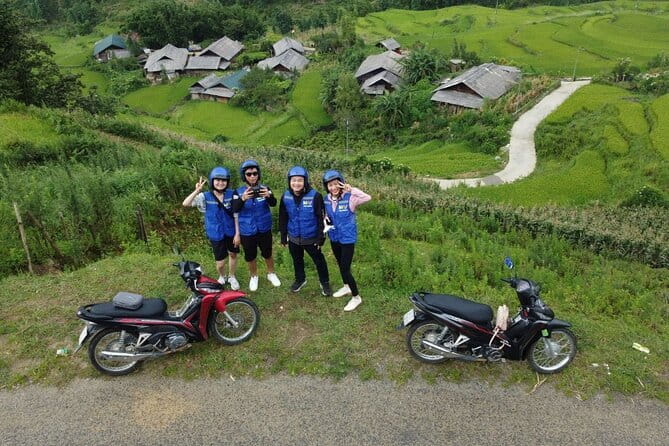
Around 12:00 p.m., you reach Supan village and take lunch at a local restaurant. This is a welcome break after the walk, and it also keeps the day realistic. Then, around 1:00 p.m., the bus picks you up from the restaurant back to Sapa town.
You typically arrive back between 1:30 and 2:00 p.m., and the tour ends back at the meeting point. I like that finish time because it gives you the afternoon to explore Sapa on your own—if you want a second round of photos, a warm drink, or just time to rest your legs before dinner.
You can also read our reviews of more hiking tours in Sapa

Price, inclusions, and what to budget for drinks

At $55 per person, this is priced like an entry-level Sapa experience with real trekking and a homestay night. You’re not paying for luxury gear or private transfers; you’re paying for the guided route, village access, and meals that keep the schedule moving.
Here’s what’s included:
- Dinner and breakfast
- Private room at the Ta Van homestay
- Local English tour guide
- Entrance ticket
- Lunch (the program lists lunch as included)
What’s not included: drinks in meals. That’s the main extra cost to plan for. If you prefer bottled water, juices, or alcohol beyond what’s offered, budget a bit ahead so nothing surprises you at the table.
Also, since admission tickets are included, you’re not constantly wondering if a viewpoint requires another small payment. For a short 2-day trek, that simplicity helps.
Group size and your guide: why Mao Cô keeps showing up in the stories
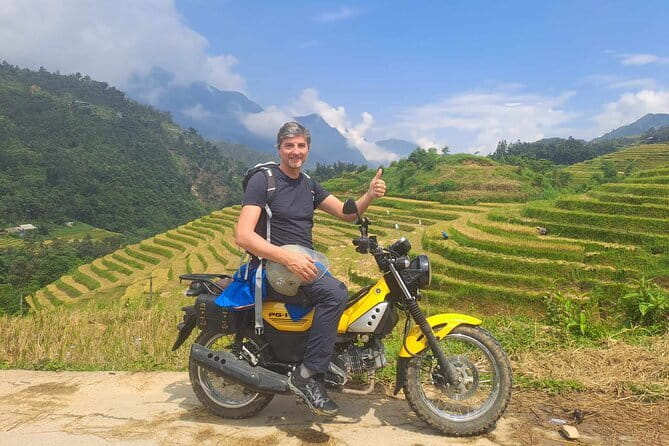
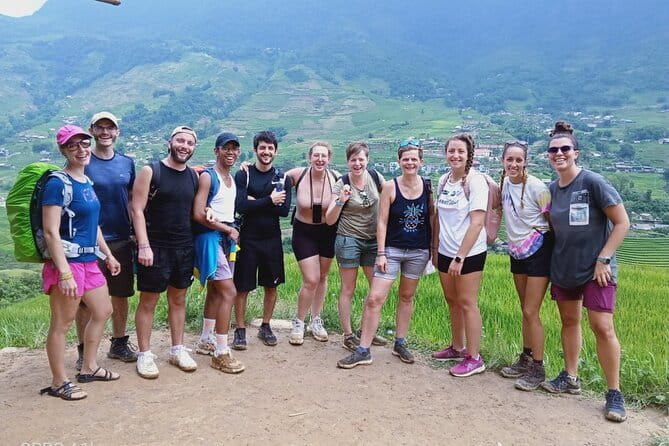
The group limit is 15 people, which is big enough to meet others but small enough to stay flexible. In practice, smaller groups mean you can slow down when the path demands it and ask questions without shouting over a crowd.
The guide detail is a standout: many experiences for this route are led by Mao Cô, with strong English and a focus on cultural context. Even if your trekking skills are average, a good guide makes the walk feel purposeful instead of random. You’ll get explanations tied to what you’re passing—village structure, community life, and why terraced farming and river valleys shape daily routines.
One good move: ask one question per village stop. Don’t worry about getting it perfect. Your guide can usually connect it to something visible right there on the path, which makes the answers click.
Practical tips for a smoother trek in Sapa

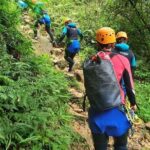
This experience is called a trek, but it’s also a village route—so the comfort details matter. Since the schedule includes multiple village walks, wear shoes with solid grip and break them in before you come. The terrain can be uneven, and Sapa weather can turn a damp day into a slippery one.
Bring a small day bag with essentials like water, a light layer, and a phone/power plan for photos. If you’re someone who gets motion sick, consider that the transfers can be bumpy between Sapa and the valley areas, and position yourself where the ride feels most stable.
Also, remember you’re sleeping at a homestay. You’re not at a hotel, so keep expectations realistic and focus on the reason you came: walking the valley, learning village life, and eating as part of the community rhythm.
Who should book this Sapa 2D1N homestay trek?
You’ll likely love this if you want:
- A 2 days / 1 night Sapa plan that includes both walking and a homestay overnight
- An English-speaking local guide to explain what you see
- A route that hits Y Linh Ho, Lao Chai, Ta Van, Giang Ta Chai, and ends near Supan village for lunch
- A small-group experience (max 15) where you can actually talk
You might want to think twice if:
- You’re expecting a fully cushy, low-walking itinerary (there is a meaningful Day 2 segment, including a 6 km walk)
- You can’t handle uneven roads, since the transfers can feel rough
Should you book? My call
If your goal is an authentic Sapa experience with village walking plus a real Ta Van homestay night, this is a strong choice. The price feels fair because meals and guide time are built in, and the overnight stay is the ingredient that usually separates a memorable trek from a standard day tour.
Book it if you’re comfortable walking on uneven paths and you want culture you can talk about after you’re back in town. Pass or compare other options if you want a more relaxed route or you’re extremely sensitive to bumpy road rides.
FAQ
What does the tour include?
It includes dinner and breakfast, a private room at a homestay in Ta Van Village, a local English tour guide, entrance tickets, and lunch (listed as included).
Is there pickup in Sapa?
Yes. The tour includes pickup from hotels in Sapa town or a pre-arranged meeting point, starting around 8:00–8:30 a.m.
Where do I stay overnight?
You stay overnight at a homestay in Ta Van village, with a private room.
Which villages are visited during the trek?
The program includes Y Linh Ho, Lao Chai, Ta Van village, Giang Ta Chai village, and Supan village. It also includes a walk to two Red Dao villages.
How long is the walking on Day 2?
On Day 2, you walk about 6 km to visit two villages of Red Dao.
What time does the tour end?
You arrive back in Sapa town around 1:30–2:00 p.m., and the activity ends back at the meeting point.
Is there a lunch included?
Yes. Lunch is included during the program, with lunch at Supan village listed in the schedule.
Are drinks included with meals?
No. Drinks in meals are not included.
How many people are in the group?
The tour has a maximum of 15 travelers.
Can I cancel for a full refund?
Yes. Cancellation is free, and you can cancel up to 24 hours in advance of the experience start time for a full refund.