REVIEW · HIKING & TREKKING
1 day Fansipan Trekking
Book on Viator →Operated by Sapa Original Trek · Bookable on Viator
A hard mountain day starts at dawn in Sapa. This Fansipan trek works because you get an English-speaking guide and round-trip hotel transfers built in, so you’re hiking instead of hunting for logistics. I also like that the big costs that trip up many independent hikers, like entry fees and insurance, are handled for you. One drawback: this is a serious climb, with big elevation gain and a long day, so average fitness won’t feel “easy.”
What makes it especially compelling is the payoff at the top—Fansipan reaches 3,143m—and the route gives you a chance to enjoy the forest scenery, not just the summit photo. Expect a start at 6:00am, a long uphill rhythm, and a choice for the way down. If you’re prone to altitude headaches, go slow from the start and plan for extra breaks.
In This Review
- Key Things That Make This Trek Work
- Why Fansipan Feels Like a Real Sapa Challenge
- Price and Logistics: What You Pay For, What You Don’t
- 6:00 AM Pickup to Tram Ton Pass: The Real Start Line
- A practical note on timing
- The Ascent From Tram Ton: Forest Steps and a Big Elevation Jump
- How the guide helps more than you might expect
- Lunch at Around 2,800m: Fuel for the Final Push
- What I like about this lunch setup
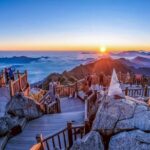
- Reaching the Top at Fansipan: Views That Cost Effort
- The “last third” feeling
- Going Down: Same Route or Cable Car (For a Fee)
- My practical advice
- Guides, Names, and the Human Side of the Trek
- What to Bring (So the Day Feels Hard, Not Miserable)
- Who Should Book This, and Who Should Rethink It
- Book it if…
- Rethink it if…
- Should You Book This 1-Day Fansipan Trek?
- FAQ
- How hard is the Fansipan 1-day trek?
- What time does the trek start?
- Is hotel pickup and return included?
- What’s included with the entrance fee?
- Is lunch and water provided?
- Can I take the cable car down?
- Can I cancel for a full refund?
Key Things That Make This Trek Work
- 6:00am start from Tram Ton pass (about 2,000m) so you’re on the trail early
- 12km each way / 24km total with roughly 1,600–1,700m elevation gain
- English-speaking guide plus included insurance for a safer feel on a steep route
- Picnic lunch at a high camp area (around 2,800m) to keep energy steady
- Return options: same route down or a cable car alternative for a fee
Why Fansipan Feels Like a Real Sapa Challenge
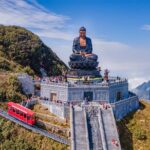
Fansipan is the highest peak in the Indochina peninsula, at 3,143m. That alone makes it more than a “walk in the park.” The trek also climbs fast enough that your legs get the message early—there’s about 12km to cover each way, plus roughly 1,600 to 1,700m of elevation gain.
This kind of hike changes your whole day. You won’t just be watching views; you’ll be managing pace, breath, and footing. The good news is that you’re not alone. A professional English-speaking guide helps you move efficiently, and many guests emphasize that the guide keeps things safe and manageable even if you’re slower.
You can also read our reviews of more hiking tours in Sapa
Price and Logistics: What You Pay For, What You Don’t
At $80 per person, this doesn’t look cheap at first glance. Then you see what’s inside the price, and it starts to make sense for a one-day summit push:
Included
- Hotel pickup/round-trip transfers (so you don’t budget time or money for taxis)
- An English-speaking guide
- Picnic lunch
- 1.5 liters of water
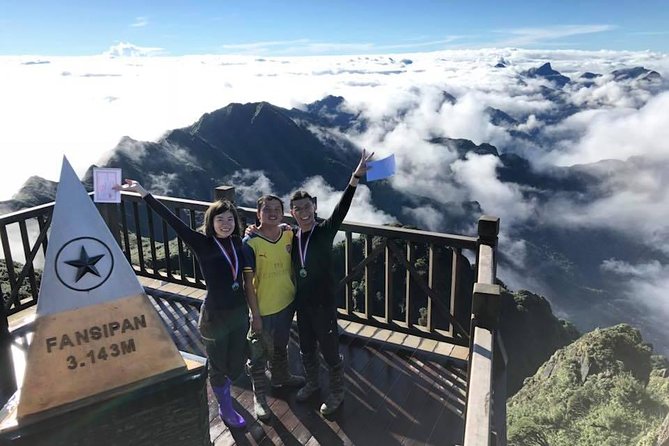
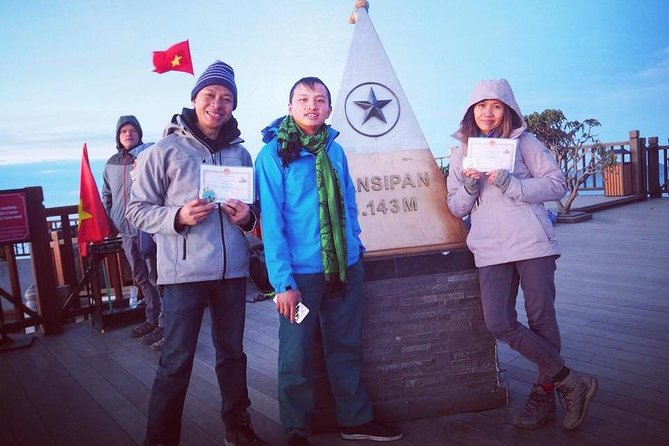
- Entrance fee, plus a medal and certificate
- Insurance
- Transport by car (or scooter if it’s just one person)
Not included
- Tips for your guide
- Cable car tickets (if you choose that descent option)
For most independent hikers, the “hidden” costs are the hard part: entry fees, transport to Tram Ton pass, and the time drain of doing it all yourself. Here, the structure is tight: you start at 6:00am and return back to the meeting point the same day.
6:00 AM Pickup to Tram Ton Pass: The Real Start Line
Your day begins early. You’ll handle breakfast on your own, then meet pickup around 6:00am and head to Tram Ton pass (about 2,000m). Getting to the pass matters because it cuts out the lowest-elevation slog and sets you up for a climb that feels more “mountain hike” and less “getting there.”
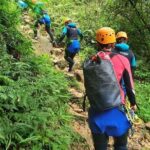
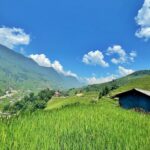
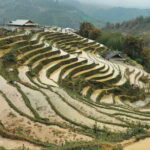
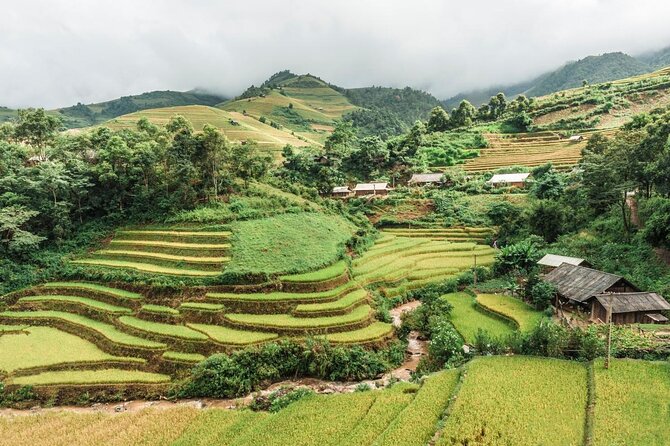
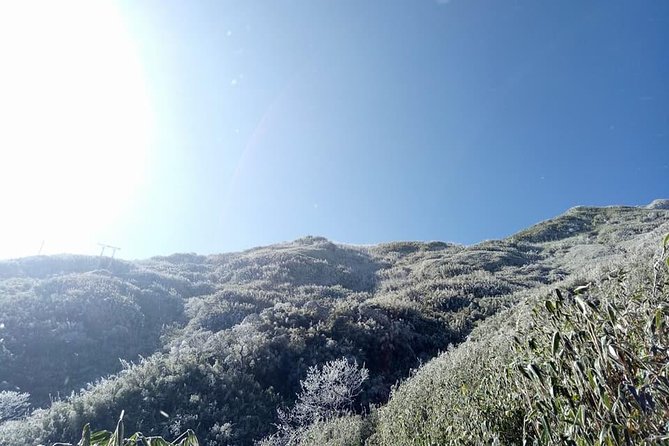
From the start, you’re already in forest terrain. The route includes sections with bamboo, old trees, colorful flowers, and streams. That’s a big deal for a long day. It means you can enjoy shade and frequent natural “beats” during the ascent, not just stone steps and switchbacks.
A practical note on timing
Plan on a long outing even if you’re fit. The hike to the summit is often quoted as 10–12 hours of trekking time. Add transport and you’re in the 10–13 hour day range.
The Ascent From Tram Ton: Forest Steps and a Big Elevation Jump
The main trek is about 12km one way and roughly 1,600–1,700m elevation gain. That’s the core truth of this itinerary: you’re not just walking uphill; you’re climbing a mountain.
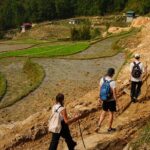
The trail style shifts as you gain altitude. You start in forest, then the environment gets colder and more exposed as you approach higher camp zones. Many hikers slow down over time, especially in the last part of the climb where the grade can feel steep quickly. The good sign in the feedback is pacing: guides are described as patient, calm, and able to keep slower hikers moving without rushing.
You can also read our reviews of more tours and experiences in Sapa

How the guide helps more than you might expect
A good guide is more than a person holding a map. On a route like this, they help you:
- choose safe footing when the ground gets slick
- take breaks before you burn out
- keep your pace steady so altitude feels less brutal
If you learn anything from this hike, it’s that “summit success” comes from controlled effort, not hero moments.
Lunch at Around 2,800m: Fuel for the Final Push
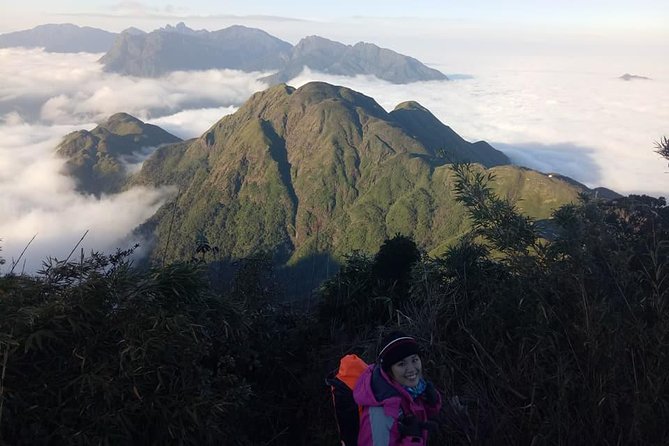
Around the middle of the trek, you stop for lunch at a camping site area around 2,800m. This is a picnic lunch, and it’s timed so you don’t wait until you’re fully depleted.
That matters because a long, steep hike needs energy before you crash. If you go into the final push hungry or low on water, your body pays for it later.
You’re also carrying 1.5 liters of water as part of the included setup. In Sapa’s mountain weather, your thirst might not feel obvious at first, but you still need steady hydration.
What I like about this lunch setup
It’s placed at height, not at the end of the hardest part. That means you can eat, regroup, and keep your momentum. For a summit hike, that’s often the difference between a relaxed top view and a painful slog to the finish.
Reaching the Top at Fansipan: Views That Cost Effort
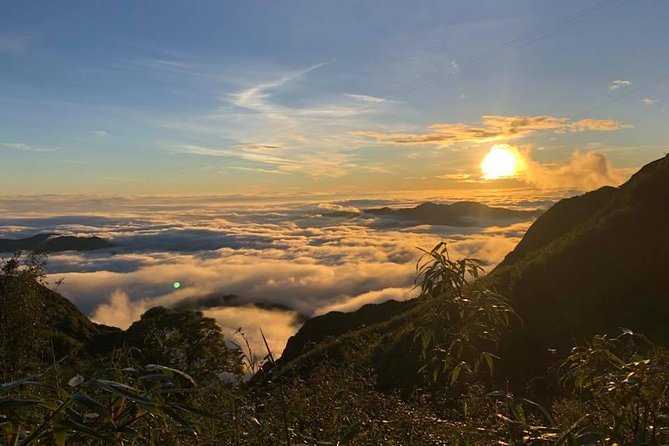
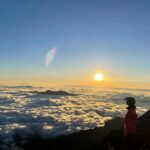
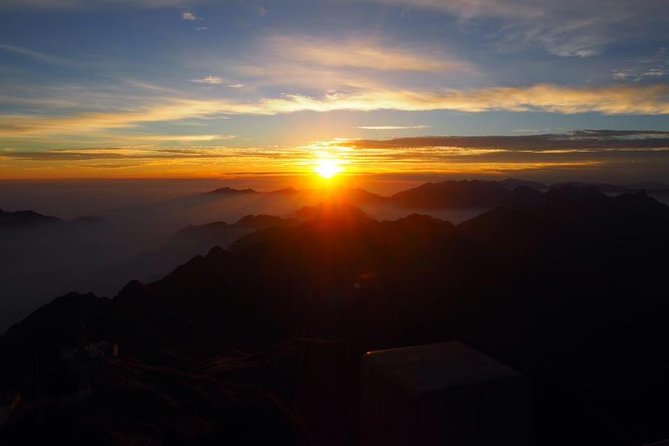
Fansipan tops out at 3,143m, and arrival is often around 12–13 hours from the start depending on pace and conditions. The summit moment is the reason people do this in the first place, but the key is how you get there.
Weather in Sapa can swing. Even if the summit view looks muted in cloud or fog, the win is still real: you reached the highest peak in the region by walking up a long, steep route under your own power, with a guide keeping you safe.
The “last third” feeling
Many hikers notice that the trail becomes notably steeper later on. That’s normal on mountain routes. The smarter move is to treat the late climb like a series of short efforts instead of one long grind.
Going Down: Same Route or Cable Car (For a Fee)
You have two options for descent:
1) Descend via the same route you took up
This gives you a continuous mountain experience and lets you see the forest and viewpoints you passed earlier. It also means more time on your feet, which your knees will notice.
2) Cable car down
This is available for an extra fee, and it’s a common choice when time, energy, or leg fatigue starts to pile up. If you take the cable car, your day still feels like a real trek because you earned the summit on foot.
My practical advice
If you’re worried about your legs, go for the cable car down. If you want maximum scenery and you’re confident your knees can handle it, take the same trail down and move slow on any slippery sections.
Guides, Names, and the Human Side of the Trek
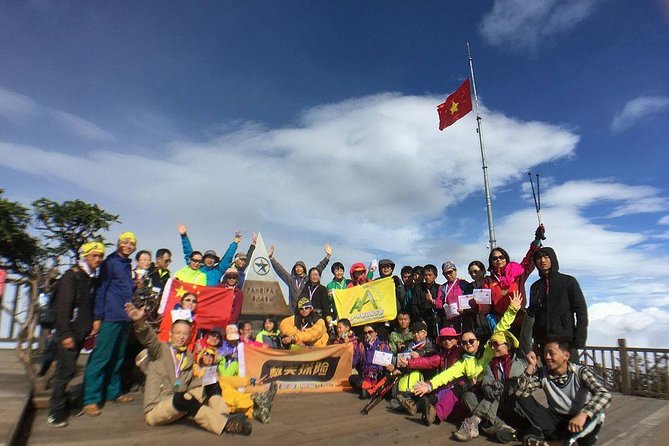
One of the strongest themes is the quality of guidance. Different groups are led by different people, including English-speaking guides with names such as Mr Tinh (known for clear communication and organization), Mr Choo (praised for pacing and patience), and guides like Sinh and Ms Ho (with attention to safety and local nature details).
Even if you don’t know which guide you’ll get, the pattern is consistent: guides are described as calm, helpful, and tuned into different hiking speeds. That’s the kind of service that matters on a steep route. It keeps the hike from turning into a stress test.
What to Bring (So the Day Feels Hard, Not Miserable)
The tour includes core items like water and lunch, but you still control your comfort. Since this is a high, cold-prone mountain day, pack like you’re hiking in real weather:
- sturdy footwear with grip for steep steps
- a light rain layer (weather can shift fast in the mountains)
- warm clothing for colder summit altitude
- your own snacks if you know you prefer extra calories
Also, I’d expect rain. One highlight from a guide-led experience was the provision of raincoats you can keep. Even if yours is sunny, having a rain layer in your daypack is still smart.
Who Should Book This, and Who Should Rethink It
This trek is built for people with strong physical fitness and a hiking mindset. The hike is described as very hard and difficult, best for experienced hikers, and it can take 10–13 hours total.
Book it if…
- you want one unforgettable summit day in Sapa
- you’re comfortable with steep elevation gain
- you like the idea of a guide-led pace on a demanding route
Rethink it if…
- you’re new to hiking and dread steep climbs
- you don’t handle altitude or long exertion well
- you’re expecting a casual walk with lots of downtime
If you’re close to the line, don’t assume you’ll be fine. On a mountain like Fansipan, “fine” often turns into “slow and sore,” and the pace will depend heavily on you.
Should You Book This 1-Day Fansipan Trek?
If you want a structured, guide-led summit hike without the headache of transport and entry logistics, this is a solid deal. For $80, you get the hard-to-arrange pieces: hotel transfers, an English-speaking guide, insurance, water, lunch, and the entrance fee details (plus a medal and certificate). That turns a complicated day into something you can focus on: the climb.
I’d book it if you can handle steep terrain and you’re ready for a long day that ends back in Sapa. Skip it if you want an easy outing or you’re unsure about your fitness level. Fansipan is the main event here, and it keeps the promise.
FAQ
How hard is the Fansipan 1-day trek?
It’s described as very hard and difficult. You’ll hike about 12km one way, with roughly 1,600 to 1,700m of elevation gain, and it usually takes around 10–12 hours of trekking time.
What time does the trek start?
The start time is 6:00am. You’ll take transport up to Tram Ton pass (about 2,000m) to begin the hike.
Is hotel pickup and return included?
Yes. Round-trip hotel transfers are included, so you don’t need to book a taxi for the journey to and from the start point.
What’s included with the entrance fee?
Entrance fees are included in the tour price, and you receive a medal and certificate as part of that entry.
Is lunch and water provided?
Yes. You get a picnic lunch and 1.5 liters of water for the day.
Can I take the cable car down?
You can choose to take the cable car down for an additional fee. Cable car tickets are not included in the tour price.
Can I cancel for a full refund?
You can cancel up to 24 hours in advance for a full refund. If you cancel less than 24 hours before the start time, the amount paid won’t be refunded.