REVIEW · HIKING & TREKKING
Sapa Trekking Tour Full Day
Book on Viator →Operated by Travel New Land · Bookable on Viator
Bamboo trails lead to big valley views. This full-day Sapa walk mixes small-group trekking (max 12) with hands-on culture led by an on-site H’Mông or Dao guide, plus lunch included after village time. You’ll see how families live across terraced fields as you move through Y Linh Ho, Lao Chai, and Ta Van.
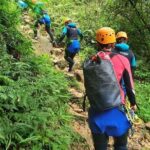
The main thing to plan for is footing: when it’s wet, the paths can get extremely muddy and slippery, so bring the right shoes (gum boots help a lot).
In This Review
- Key things to know before you go
- Why This Sapa Trek Works for Real Day-Travelers
- The 8:00–8:30 Start: Pickup, Luggage, and What to Expect
- Y Linh Ho Village: Your First Taste of Terraces and Trail Life
- Through Muong Hoa Valley to Lao Chai: Streams, Ethnic Diversity, and Real Views
- Ta Van at 12:30: Lunch Time Energy and Culture on Display
- Reaching the Highest Point: How to Get Panoramas Without Rushing
- Guides You’ll Actually Remember: H’Mông and Dao Culture Through People
- Price and Value: What $24.17 Gets You (and Why It’s Not Just Marketing)
- What to Pack for Slippery Trails (This Is the Part That Saves Your Day)
- Who This Trek Suits Best in Sapa
- Should You Book This Sapa Trekking Tour?
- FAQ
- How long is the Sapa trekking tour?
- Where does pickup happen, and when does it start?
- Which villages are included in the route?
- Is lunch included?
- Are sightseeing tickets included?
- What’s the maximum group size?
- What fitness level do I need?
- Do I need special shoes for trekking in Sapa?
Key things to know before you go
- Max 12 people keeps the pace flexible and makes photo stops actually workable
- Y Linh Ho, Lao Chai, Ta Van gives you a solid village-to-village taste of Muong Hoa Valley
- Lunch is included, and it usually lands right after your last village stop
- Guides from H’Mông/Dao communities share customs in a practical, personal way
- Rain makes a difference: expect wet ground and plan for a slower, careful walk
Why This Sapa Trek Works for Real Day-Travelers
Sapa trekking has a reputation for being either too short to feel meaningful or too long to be comfortable. This one hits a sweet spot: about 6 hours of active time, with enough village wandering to feel personal, and enough structure to make it easy to do from Sapa town without fuss.
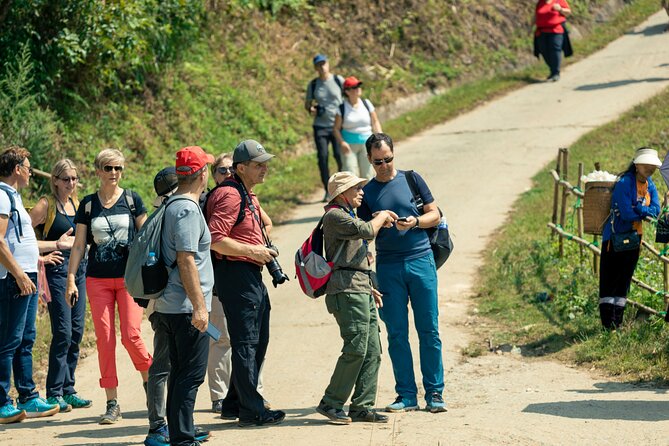
What I like most is the way the route is paced. Your group stays small, and the plan is described as fully flexible, with optional stops and route adjustments based on your preferences and fitness. That matters in Sapa, because one rainstorm can change trail conditions fast.
Second, you get a guide who’s not just translating words. You’re with an on-site H’Mông or Dao guide, and the idea is cultural exchange as you go—customs, daily life, and local food, not just photo stops.
The only caution: the hike can be slippery. If you’re heading out after rain, treat this like a hiking day, not a city stroll.
You can also read our reviews of more hiking tours in Sapa

The 8:00–8:30 Start: Pickup, Luggage, and What to Expect
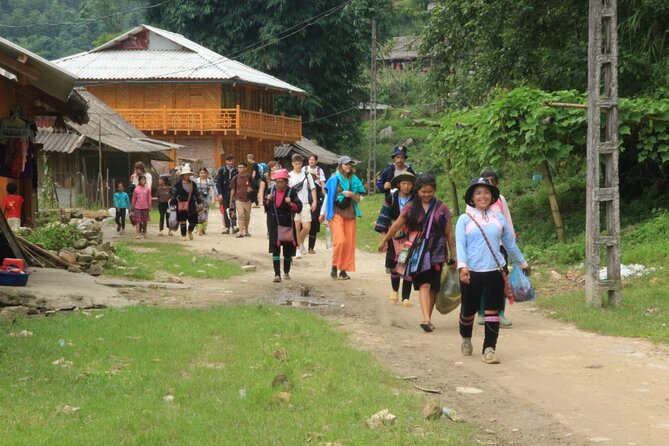
You’ll start early-ish, with pickup between 8:00 and 8:30. The tour offers two options: you can be picked up at your town center hotel, or you can meet at Sapa Retreat Condotel (03 Hoàng Liên, TT. Sa Pa).
If you have luggage, you can leave it at the hotel before heading out. That’s a big quality-of-life detail. Carrying a backpack plus trekking items gets old fast, and Sapa weather can be unpredictable.
Plan on returning to the same meeting point at the end. The day is designed around a smooth run—guide, transport, and village stops—so you’re not trying to figure out routes between points on your own.
Y Linh Ho Village: Your First Taste of Terraces and Trail Life
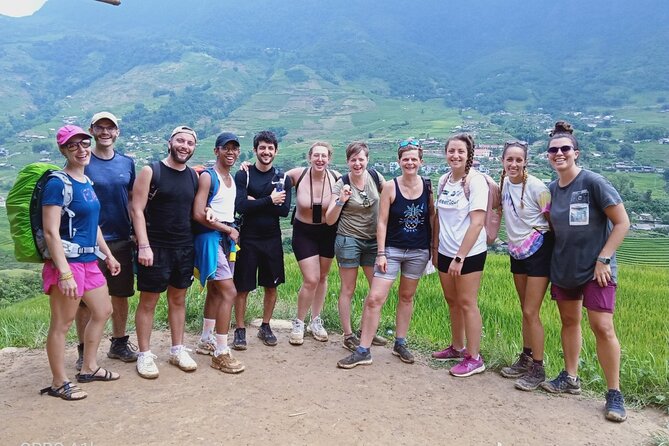
The first stop is Y Linh Ho Village, and you’ll spend about 2 hours here. Admission is included, so you’re not stuck hunting for tickets or figuring out what’s covered.
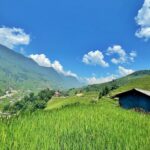
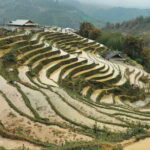
This is a good kickoff village because it sets the rhythm: you’re already walking along Muong Hoa Valley territory, surrounded by the Hoàng Liên Sơn mountain range, with views of terraced fields and streams nearby. In plain terms, this is where you see the way farming and water shape daily life.
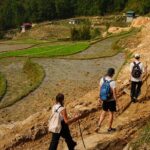
One practical note: plan for the village-time portion to include walking between viewpoints and small paths. If it’s wet, those paths can be slick, so watch your step and keep your pace steady—your guide’s job is to keep the group moving safely.
For photos, Y Linh Ho is also where you’ll start noticing how the valley opens up. If your goal is that classic Sapa panorama look, this early section is where you start building momentum toward it.
Through Muong Hoa Valley to Lao Chai: Streams, Ethnic Diversity, and Real Views
From Y Linh Ho, you’ll move through Muong Hoa Valley, an area home to several ethnic minority groups including H’mong, Red Dao, Tay, and Giay. Your route passes through the valley as you go, so you’re not only seeing villages—you’re also seeing the working geography that connects them.
Next up is Lao Chải Village. This part of the trek includes a calmer, more walkable feel: you pass through areas near a small clear stream, and the trail often gives you repeated chances to look out toward the valley.
Why I think this section is a highlight: Lao Chải isn’t just a stop where you stand for a few minutes. It’s positioned as a natural step between villages, and the valley views show up as you move, not just at the highest point later.
The downside? If the weather turns, this can be the stretch where you realize how muddy mountain trails can get. You’ll want shoes you trust and a bit of patience. Your guide can help with careful footing, but the best strategy is to prevent slips in the first place.
Ta Van at 12:30: Lunch Time Energy and Culture on Display
You arrive at Ta Van Village around 12:30, which is a smart timing choice. Ta Van isn’t far enough into the day that you’re exhausted, but it’s late enough that you’re ready for a real meal and a break.
Ta Van is associated mainly with H’mong, Dao, Giay, and Tày ethnic groups. The key idea here is you get more than scenery—you get cultural context tied to how people farm, raise livestock, and grow rice.
Lunch is included, and it tends to come after your Ta Van time. A good lunch at altitude matters because the day still has walking ahead. If you’re sensitive to cold, eat when it’s offered and don’t wait until you feel shaky.
You might also notice that some routes include stops that feel more like a local interaction than a formal viewpoint. The itinerary is described as flexible, so don’t assume every day is identical. But the focus stays the same: village life plus the walk connecting it all.
You can also read our reviews of more tours and experiences in Sapa


Reaching the Highest Point: How to Get Panoramas Without Rushing
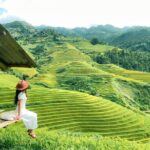
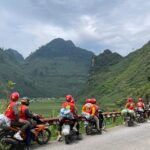
The trek includes time at the tour’s highest point, where you’re set up for panoramic views of the Muong Hoa Valley, including the terraced fields and the Hoàng Liên Son Range. This is where your eyes get a “big picture” reset after hours of detailed village walking.
Here’s how to make the most of it without wasting energy:
- Use the highest-point stretch for slow breathing and steadier steps, not for sprinting to the next angle.
- Keep your camera ready, but don’t force fast movement if footing is wet.
- Ask your guide for the best side for light and valley views if weather is changeable.
The tour description also emphasizes flexible route adjustments and optional stops. That’s helpful at the highest point, because some groups will want extra photo time, while others just want the views and a comfortable pace back down.
If clouds move fast, this is still your target moment. Sapa is famous for shifting conditions, so plan to take the view when it comes, not when you think it should.
Guides You’ll Actually Remember: H’Mông and Dao Culture Through People
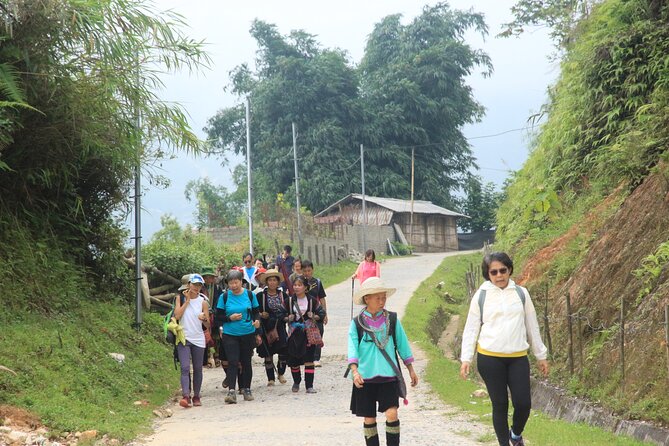
The guide isn’t an afterthought here. Each small group is led by an on-site H’Mông or Dao guide, and the intent is cultural exchange that feels firsthand—customs shared as you walk, not as a lecture before you leave.
In the notes from past experiences, guides you might see include Ms Su, Maucha, and Mao Cô. Names like these pop up because the guides often bring a personal style: clear English for explanation, and a genuine focus on making sure you understand what you’re seeing.
Look for the moments when the guide pauses and answers small questions. Those are often where you pick up the details that make the day stick with you, like how daily routines tie into planting, water, and village life.
Also, don’t be shy about letting your guide adjust your pace. One of the benefits of a max 12 traveler group is that the leader can tailor rest stops and photo breaks to how you feel that day.
Price and Value: What $24.17 Gets You (and Why It’s Not Just Marketing)
At around $24.17 per person, this tour is priced like a budget-friendly way into Sapa trekking culture. But the value comes from what’s included, not just the sticker number.
You’re getting:
- Pickup/drop-off at central hotels
- A tour guide through multiple village stops
- Sightseeing tickets
- Lunch
- Insurance
- A small-group format (max 12)
That combination matters. In Sapa, many “cheap” tours end up charging extra for village entry, meals, or transport time. Here, lunch is included, and admission ticketing is also covered, which makes the day easier to manage.
Drinks are not included, so budget for water and any extra you want. The best move is to bring a refillable bottle if you can, then buy what you need where it makes sense.
This is also the kind of trek that’s great if you want a village-and-views day without committing to multi-day hikes. If you’re staying in Sapa town and want a true walking experience, it fits that use case well.
What to Pack for Slippery Trails (This Is the Part That Saves Your Day)
Your biggest packing decision is footwear. Even when conditions look fine at breakfast, Sapa can be wet. If it rained the night before, expect slippery paths and muddy stretches.
So pack like this:
- Gum boots or waterproof hiking shoes (gum boots are a standout recommendation)
- Socks you don’t mind getting muddy
- A light rain layer or poncho (weather can change)
- Sun protection for cloud breaks and higher viewpoints
- A small snack backup in case lunch timing feels earlier than you prefer
The tour includes lunch, but it’s still a full walking day. Having water and something small to nibble keeps your energy steady.
If you’re the type who worries about balance, use trekking poles if you have them. They aren’t mentioned as included, so bring your own if you use them regularly.
Who This Trek Suits Best in Sapa
This is a smart fit if you:
- Want one full day of trekking from Sapa town
- Like learning directly from local guides
- Prefer small groups with a paced itinerary
- Have moderate physical fitness and can handle uneven, sometimes muddy ground
It’s also a good option if you want classic Sapa views without committing to bikes or longer multi-day treks.
If you have serious mobility limitations, this may be tougher. The tour requires walking on village paths and terrain that can become slippery. In that case, you’d want to look for a shorter, flatter option (or plan a private arrangement if available).
Should You Book This Sapa Trekking Tour?
I’d book it if your priority is a small-group village trek with included lunch and a guide who brings the culture story into the walk. The combination of Y Linh Ho + Lao Chải + Ta Van, the valley viewpoints, and the flexible pacing makes this a strong value day in Sapa.
Do it only with one clear plan: prepare for wet trail conditions. Bring gum boots or waterproof shoes, and don’t expect a dry, easy stroll if the weather has been moving through the mountains.
If that sounds like your kind of day, you’ll likely leave with photos, stories, and a much clearer sense of how Muong Hoa Valley farming connects to daily life.
FAQ
How long is the Sapa trekking tour?
The duration is about 6 hours.
Where does pickup happen, and when does it start?
Pickup runs from 8:00 to 8:30 from your central Sapa town hotel, or you can go to the meeting point at Sapa Retreat Condotel.
Which villages are included in the route?
You visit Y Linh Ho, then Lao Chải, and you arrive at Ta Van around 12:30.
Is lunch included?
Yes. Lunch is included, and drinks are not included.
Are sightseeing tickets included?
Yes. Sightseeing tickets are included.
What’s the maximum group size?
The tour has a maximum of 12 travelers.
What fitness level do I need?
You should have a moderate physical fitness level.
Do I need special shoes for trekking in Sapa?
Sapa trails can be very muddy and slippery in rainy conditions. Gum boots are strongly recommended, or bring waterproof shoes you trust.