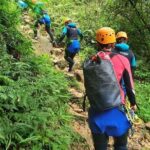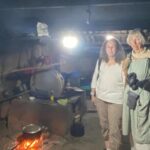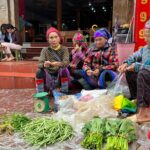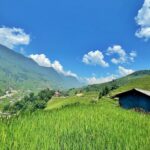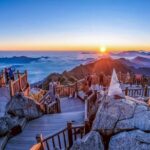
Four and a half hours, and Sapa changes. This off-road jeep tour takes you out past the usual stops to viewpoints over the huge valley and toward village life that feels real, not staged. I love the mix of big mountain views and close-up culture, with secret village roads that make the ride part of the story.
I also really like how the pace works for photos. The jeep style is open enough that you can see clearly and enjoy the air, and guides such as Tamay, May, LyLy, and Vang have a way of making the culture stops feel personal and easy to understand.
One thing to plan for: weather. In mist or rain, the day can shift or the tour may be canceled for safety, so go in with layers ready and a flexible mindset.
In This Review
- Key highlights worth your attention
- A Sapa jeep tour that feels like a real route, not a checklist
- Price and what you truly get for $79
- Pickup from Sapa City: how the day starts
- Muong Hoa Valley: the long view drive that makes the tour feel special
- Ta Phin and the Hang Da Village stop: watching daily life in motion
- Lao Chai rice terraces: when the scenery is bigger than the roads
- Ta Van Village: Hmong, Day, and Dao culture in one stop
- Open-air jeep comfort: a small detail that changes everything
- Group size: why the max 12-person limit matters
- Who this jeep tour fits best
- Simple planning tips so the day feels smooth
- Should you book this Sapa off-the-beaten-path jeep tour?
- FAQ
- How long is the A Glimpse Of Sapa Jeep Tour?
- Where does pickup happen?
- Is there an English-speaking guide?
- What’s the group size?
- What villages or areas does the tour include?
- What’s included in the ticket price?
- What should I bring or pay for myself?
- What happens if the weather is poor?
Key highlights worth your attention
- Muong Hoa Valley viewpoints: long stretches of scenery as the jeep drops in and climbs out
- Village time beyond photos: chances to see daily work and chat with local families
- Rice terrace views: Lao Chai area scenery that frames the mountains in soft light
- Ethnic culture encounters in Ta Van: Hmong, Day, and Dao communities in one stop
- Guides named Tamay and May: strong English and clear explanations that help you connect the dots
- Small-group feel: maximum 12 people, so you aren’t swallowed by a crowd
A Sapa jeep tour that feels like a real route, not a checklist
Sapa can feel very planned when you stick to the main walking loops. This jeep outing changes that by putting you on backroads and dirt stretches where the valley opens up again and again.
The ride matters. A good day in Sapa isn’t only about reaching villages, it’s about seeing how the terrain shapes daily life—terraces on slopes, homes tied to valleys, and roads that snake along ridgelines.
You can also read our reviews of more tours and experiences in Sapa.

Price and what you truly get for $79
At $79 per person for about 4 hours 30 minutes, you’re paying for convenience and vehicle access to spots many walking-only tours struggle to reach. The duration is long enough to cover multiple areas without turning into a full-day grind.
What’s included is practical. You get a professional English-speaking tour guide, a jeep with fuel handled, bottle water, rain poncho, and a helmet. Entrance fees for the village stops are also included, so you’re not doing cash math every time you arrive somewhere.
What you should still budget for: drinks, tips, and personal expenses. If you’re the type who buys snacks every time you stop, you’ll want a little extra cash in your pocket.
Pickup from Sapa City: how the day starts
Your day typically begins with pickup from Sapa City, from your hotel or a meeting point. You’ll meet your guide and get a short briefing so you know what to expect before the roads start getting interesting.
This early start is a value play. It helps you beat the busiest timing around Sapa viewpoints and gives you more calm time when you reach the valley and villages.
Muong Hoa Valley: the long view drive that makes the tour feel special
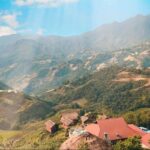
The heart of the experience starts with the jeep heading toward Muong Hoa Valley. On the way, you pass through parts of Sapa that include French colonial-era architecture, then you head down toward the valley and up again.
This is where the jeep format shines. You’re not just looking out once—you’re moving through layers of scenery, and each turn brings a new angle on the hills and rice fields.
You’ll spend about two hours in this valley area. That’s enough time to enjoy viewpoints without feeling rushed, but you still keep momentum so you don’t miss the later village encounters.
Ta Phin and the Hang Da Village stop: watching daily life in motion
After Muong Hoa Valley, the route continues toward Ta Phin, with a stop connected to Hang Da Village. This part of the day is less about famous photo backdrops and more about human-scale moments.
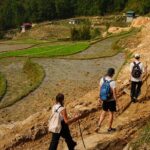
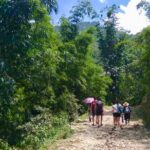
Depending on the season, you may stop to see a school, watch people working in the fields, or meet a local family. That seasonal flexibility matters because it changes what you’ll observe—from active planting to routine farm work.
A small caution: if you prefer a fixed schedule where every stop is identical, this style might feel slightly variable. The upside is that the stop can match what’s actually happening that day.
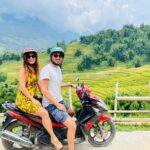
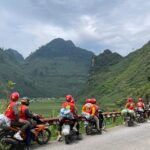
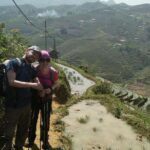

Lao Chai rice terraces: when the scenery is bigger than the roads
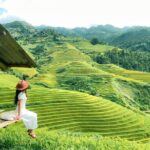
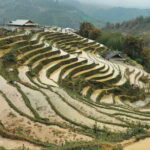
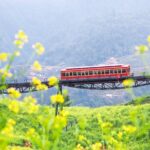
One of the reasons people book a jeep tour in Sapa is to reach terrace views without spending hours hiking uphill. Lao Chai fits that goal: you get sweeping views of the rice terraces and a look at how villages sit right against the mountain slopes.
The terrace area tends to look different depending on light and mist. Even if the weather isn’t crystal-clear, the valley can still feel dramatic—especially because you’re arriving by vehicle and can stop at viewpoints without exhausting yourself.
If you’re tired from a previous trekking day, this portion is a smart contrast. You still see the terraces, but your legs get a break while your eyes do the walking.
Ta Van Village: Hmong, Day, and Dao culture in one stop
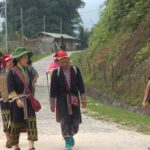
The Ta Van stop is where the tour shifts from scenery to people. The focus here is on ethnic communities—Hmong, Day, and Dao—so you’re not only seeing terraces and valleys, you’re learning how locals live across them.
You may hear stories and cultural explanations directly from your guide, and this is also where the day often becomes memorable. In the experience, guides such as Tamay and May have been highlighted for teaching visitors about local life in a way that’s easy to follow.
One especially meaningful moment described in the feedback involved meeting women from the Red Dao community. It’s the kind of encounter that turns a place from scenery into a relationship—someone welcomes you, explains a bit, and you leave with a clearer picture of the culture.
Open-air jeep comfort: a small detail that changes everything
A jeep tour sounds comfortable on paper, but the real difference is how the vehicle supports viewing. In this style of tour, you can enjoy an open-air feel, which makes it easier to see without pressing into glass or settling for blurry angles.
You also get basic safety gear like a helmet, plus rain protection with a poncho. That may sound small, but in Sapa, it’s the difference between enjoying the stops and spending the day damp and annoyed.
Bring what you can: closed-toe shoes help if there’s uneven ground at viewpoints or village edges. And pack a light layer—cool mountain air can feel sharp even when Sapa looks mild in town.
Group size: why the max 12-person limit matters
A maximum of 12 people keeps the tour from turning into a moving bus line. You’ll have a better chance to ask questions, hear explanations, and get clear viewpoints at stops.
That group size also helps during short transitions between places. You won’t be stuck waiting while a huge crowd filters through narrow village lanes or viewpoints.
Who this jeep tour fits best
This is a strong match if you want the Sapa highlights without a full trek. You’ll still see rice terraces, valley viewpoints, and multiple villages, but you’ll do it with vehicle support for most of the day.
I’d also recommend it if you like learning through conversation. The tour runs with an English-speaking guide, and the cultural stops are built around understanding daily life—not just passing by.
If you’re traveling with limited time in Sapa, the 4.5-hour format is a practical choice. It gives you variety without stealing an entire day that you might want for town wandering, a café break, or a shorter walk.
Simple planning tips so the day feels smooth
- Bring a compact rain layer even if the forecast looks decent, since mist and showers happen fast in the mountains.
- Expect dirt roads and uneven ground near viewpoints; shoes and a steady stance help a lot.
- If you care about photos, pick a few key moments to slow down at—valley viewpoints are where an extra minute makes a difference.
- Consider setting aside some cash for drinks and tips so you don’t feel rushed at stops.
Should you book this Sapa off-the-beaten-path jeep tour?
Book it if you want a smart blend of Sapa views and village culture with minimal hiking. The price-to-time value is strong because entrance fees and key comforts like ponchos, helmets, and water are included, and the max 12-person group keeps the experience human-sized.
Skip it—or at least think twice—if you’re very weather-dependent. This tour requires good weather, and misty conditions can affect what you see. If you’re the type who needs a guaranteed plan with zero changes, choose a simpler, more indoor-friendly activity in Sapa for backup.
If you want the valley, the terraces, and a real cultural encounter all in one day, this off-road jeep route is one of the most practical ways to get it without burning your legs.
FAQ
How long is the A Glimpse Of Sapa Jeep Tour?
It runs for about 4 hours 30 minutes.
Where does pickup happen?
Pickup is offered from Sapa City, either from your hotel or from a meeting point.
Is there an English-speaking guide?
Yes. The tour includes a professional English-speaking tour guide.
What’s the group size?
The tour has a maximum of 12 travelers.
What villages or areas does the tour include?
You’ll visit Muong Hoa Valley, Ta Phin (with a stop toward Hang Da Village), and Ta Van Village, plus Lao Chai Village in the route described.
What’s included in the ticket price?
Included: professional English-speaking guide, jeep and fuel, bottle water, rain poncho, helmet, and entrance tickets to visit villages.
What should I bring or pay for myself?
Drinks, tips, and personal expenses are not included, so plan for those.
What happens if the weather is poor?
The experience requires good weather. If it’s canceled due to poor weather, you’ll be offered a different date or a full refund.