REVIEW · HIKING & TREKKING
Daily Tour: Sapa Trekking in Muong Hoa valley, Bamboo forest
Book on Viator →Operated by Vietnam Nomad Trails · Bookable on Viator
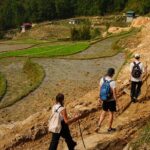
Clouds over Sapa, trails into Muong Hoa: this 5-hour guided trek brings you to Lao Chai and Ta Van with hassle-free pickup and a village lunch, and the small-group size keeps it personal. The catch: the paths can get muddy, especially after rain, so you’ll want a moderate fitness level and proper shoes.
I also like how it’s built for first-timers. You don’t need to figure out directions or mountain roads on your own—you get a guide who can explain what you’re seeing, plus real time in the bamboo forest and countryside viewpoints.
One more thought: Sapa can feel cold and damp, so plan for October to March with warm layers. Even on a short trek, you’ll be walking on uneven ground, so you’ll feel it in your calves if you’re not used to trails.
In This Review
- Key highlights worth caring about
- Muong Hoa Valley beats guessing your way in Sapa
- The 5-hour trek: realistic expectations for your legs
- From Lao Chai to Ta Van: villages you can actually talk about
- Ta Van lunch: a real break, not just a pit stop
- Bamboo forest walking: cooler air and quieter moments
- Guide Lang and the value of a small, steady pace
- Price and what $29.90 buys you in real terms
- Getting ready: clothing and gear that keep the day pleasant
- Logistics that matter: pickup, return, and where the tour ends
- Who should book this trek, and who should skip it
- Should you book Vietnam Nomad Trails for the Muong Hoa trek?
- FAQ
- How long is the Sapa trekking tour?
- What time does the tour start?
- Where do we meet for the tour?
- How big is the group?
- Is hotel pickup and drop-off included?
- What’s included in the price?
- What should I bring?
- Can I get a refund if I cancel?
- Is lunch included, and are dietary needs handled?
Key highlights worth caring about
- Small group (max 14) for a calmer, easier-to-follow pace
- Pickup from Sapa center plus return transport so you’re not juggling taxis
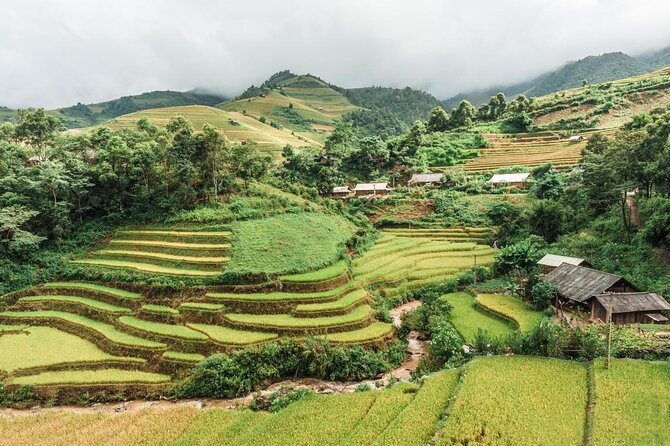
- Muong Hoa Valley viewpoints on a route that includes Lao Chai and Ta Van
- Village lunch in Ta Van that keeps you connected to daily life, not just scenery
- Bamboo forest walking for a cooler, greener change of scenery
- Guide support on tricky footing, which really matters after rain
Muong Hoa Valley beats guessing your way in Sapa
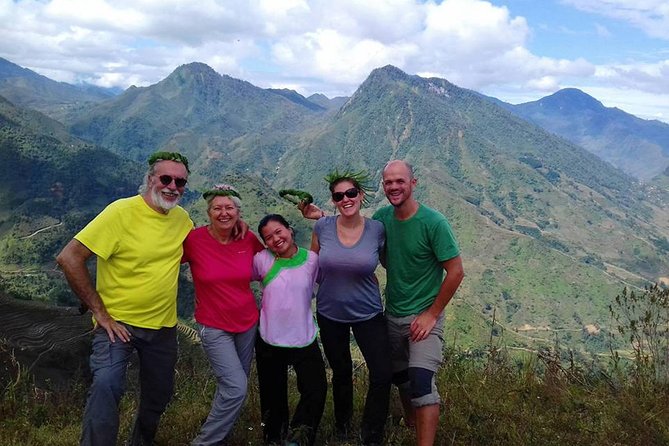
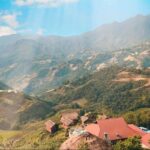
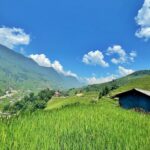
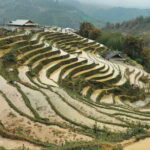
Sapa looks scenic from the viewpoint photos, but once you’re there, the real work is simple: you need a route that makes sense. This trek is a strong answer because it’s guided, time-boxed (about five hours), and focused on Muong Hoa Valley, one of the region’s best areas for that classic hill-and-rice-terrace feeling.
I like the way the tour is set up to help you get oriented fast. You’ll walk through a real village corridor—Lao Chai, then toward Ta Van—so you start to understand how these communities sit on the slopes. Instead of treating Sapa like a checklist, you get a guided story while you move.
And at $29.90, it’s not trying to be a premium day-long production. It’s closer to the smarter local version: enough structure to reduce stress, enough hiking to feel like you earned the views.
You can also read our reviews of more hiking tours in Sapa

The 5-hour trek: realistic expectations for your legs
This tour is timed at roughly 5 hours, which sounds short until you remember you’re hiking downhill and uphill over uneven ground. The good news is the route is paced for a general “moderate physical fitness” level. You’re not doing a technical climb; you are doing real walking.
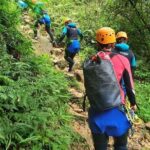
The terrain can shift. If it rained the night before, you may hit muddy sections that make footing a bit tricky. One review described it as challenging that day, but also said the guide and local helpers supported the group and got everyone through. That’s the kind of practical reassurance you want to hear.
What to expect in the rhythm:
- Morning pickup and transfer in the Sapa area
- A trek segment moving between village areas
- A lunch stop in Ta Van village (a true pause, not a rushed bite)
- Continued walking toward another village area before returning to Sapa
If you love long hikes with lots of extra time for photos and slow wandering, you might crave more hours. But if you want a satisfying introduction to the valley without losing the whole day, this timing is a sweet spot.
From Lao Chai to Ta Van: villages you can actually talk about

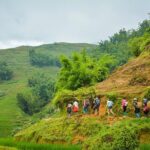
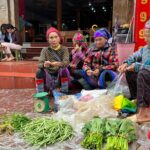
The route connects Lao Chai and Ta Van, two village areas that help you understand Muong Hoa Valley beyond the postcard angle. On this kind of trek, you’re not just looking at people’s land—you’re walking through the lived-in space that shapes daily life.
Why this matters for your experience:
- You see how homes and paths work together on steep terrain.
- You get context from your guide as you move, so the “what am I looking at” questions get answered while you’re still in it.
- You get a better sense of scale. A lot of Sapa photos flatten the distances. On the ground, you feel how far those valleys open up.
A nice benefit of having a guide is that you’re not stuck trying to decode every detail alone. Reviews mention that guides shared information about plants, villages, and culture, and that kind of commentary turns a walk into something more memorable than a scenic stroll.
Small-group size also changes the experience. With a cap of 14 travelers, you’re less likely to get stretched into awkward lines, and your guide can keep track of the group.
Ta Van lunch: a real break, not just a pit stop
Lunch is included, and it happens in Ta Van village. This is a big deal for value because it saves you from hunting for food during the trek. It also makes the meal part of the day’s story, not a separate activity you squeeze in afterward.
What you can realistically expect:
- A local setting and a pause from the walking
- Enough time to eat without sprinting to catch the next segment
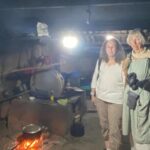
Some reviews specifically praised the meal at a homestay setup as delicious. Even when you don’t know the exact menu in advance, the key is the structure: you’re not scrambling for lunch in the middle of nowhere.
If you have dietary requirements, you should flag them at booking. The tour information is clear that you’ll be asked about dietary needs, which is exactly what you want for a smooth lunch.
One practical note: drinks beyond water aren’t included. The tour provides mineral water and bottled water, but if you want juice, soda, or other beverages, you’ll likely need to pay for those separately.
Bamboo forest walking: cooler air and quieter moments
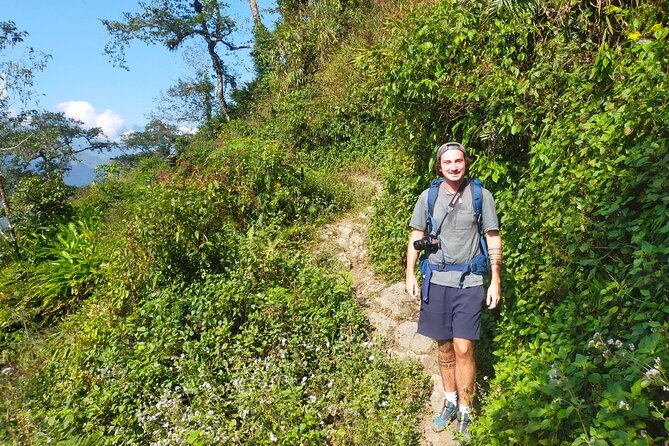
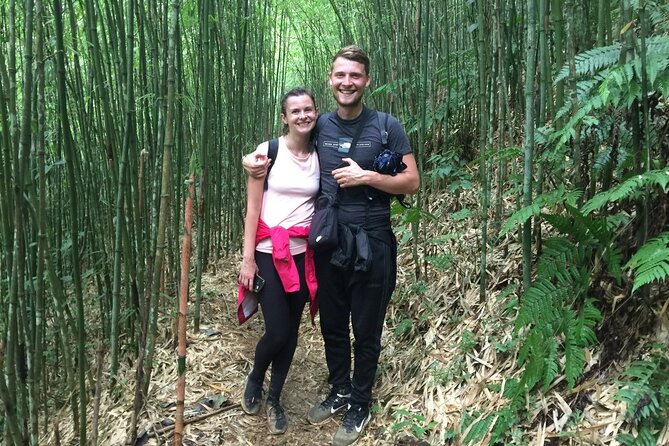
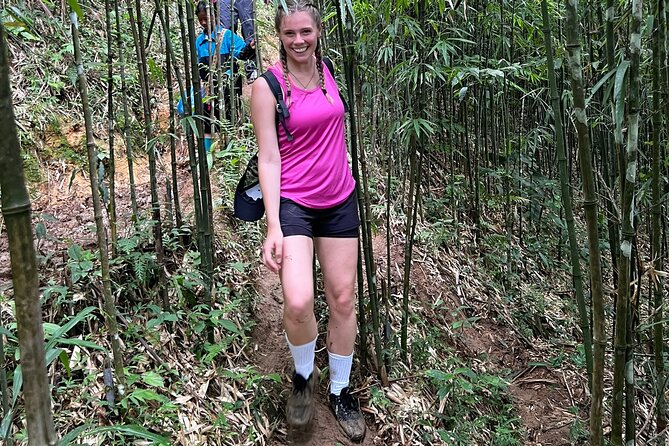
The tour focuses on a bamboo forest stretch as part of the trekking experience. Even without fancy stops, bamboo forest walking does something useful: it changes the sound and the light. You’re often under a canopy that feels cooler and more shaded than open fields.
In practical terms, it can also give your legs a small mental reset. When the views open up again, you notice them more because the walk hasn’t been only “look and go.” It’s a sequence.
If you tend to get restless on straight scenic routes, this kind of section can feel like a breather. And if you’re traveling in hotter months, bamboo shade can make the mid-route feel more comfortable.

Guide Lang and the value of a small, steady pace
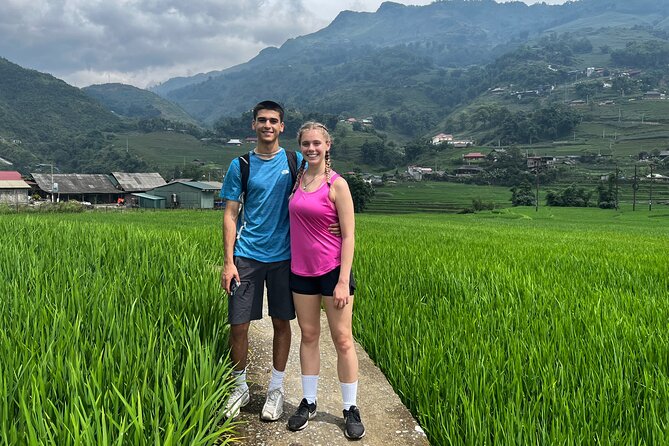
This is the kind of tour where the guide matters more than you’d think. Reviews mention Lang by name and describe him as wonderful and knowledgeable, with explanations that go beyond pointing at buildings.
Here’s what that means for you:
- You’ll get context while you’re still moving, so you can connect the dots before you forget.
- Your guide can help you read what’s around you—villages, plants, and culture—so the trek feels purposeful.
- In rougher conditions, guidance becomes safety support.
One review said the morning was tougher because it had rained, making parts muddy. The guide and local helpers gave the group confidence and support. That’s exactly the reason you should choose a guided trek in a valley like Muong Hoa: small local knowledge can save you from needless slips, frustration, or wrong turns.
With a group capped at 14, you’ll feel like you’re with a team, not part of a parade.
Price and what $29.90 buys you in real terms
Let’s talk value, because the price is the first thing you’ll notice.
At $29.90 per person, you’re getting:
- An English-speaking guide
- Lunch (served during the trek)
- Mineral water plus bottled water
- Hotel pickup in Sapa center (or pickup from the tour office)
- Bus back to Sa Pa
- A small group (max 14)
- Admission ticket is listed as included
What you don’t get:
- Beverages beyond the provided water
- Travel insurance
- VAT
- Personal expenses
So is it a good deal? For many visitors, yes, because the cost covers the parts that are usually annoying to assemble yourself: transport back, a guide, and a proper lunch stop. If you’ve ever tried to DIY a village trek in Sapa, you know the hidden costs add up fast: taxi rides, uncertain meeting points, and paying someone to translate or guide anyway.
The biggest “value tip” here is timing. This is about 5 hours, not a full day. You buy the experience without losing your entire schedule, which matters if you’re also planning other Sapa activities.
Getting ready: clothing and gear that keep the day pleasant
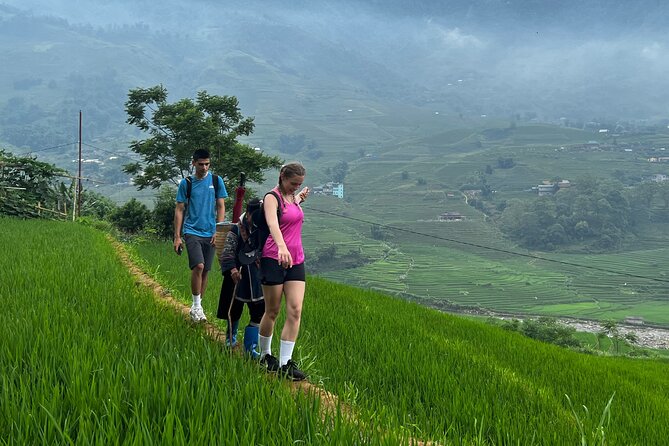
This trek is only a few hours, but the ground can be uneven and sometimes slippery. So treat packing as part of the tour.
Bring:
- Trekking shoes (not just sneakers you’d wear to dinner)
- Sunglasses
- Sun cream
- Insect repellent
- Warm clothes if you’re visiting from October to March
- Something to stay comfortable if weather shifts (Sapa can be unpredictable)
Timing also matters. You should arrive at the meeting point about 15 minutes before the 9:00 am start. The meeting point is by Sapa Church (and pickup can also be handled from the tour office in Sapa center).
Small cultural reminder: respect local culture in Sapa. That’s not just polite—it keeps your interactions smooth when you’re moving through villages.
Finally, don’t overthink it fitness-wise, but don’t ignore it either. The tour asks for moderate physical fitness. If stairs and slopes are tough for you, consider choosing a gentler option in Sapa.
Logistics that matter: pickup, return, and where the tour ends
The tour starts at 9:00 am and ends back at the meeting point, so you don’t have to plan a separate return. Hotel pickup is offered in Sapa center, and the backup pickup point is at the tour office on Tue Tinh street.
You’ll also be near public transportation, which is handy if you’re already roaming Sapa by local transport. But the main benefit is simple: fewer moving parts. You show up, hike, eat lunch, and return without chasing another schedule.
One more thing to note: a current valid passport is required on the day of travel. So if you’re traveling with a photocopy or photos only, fix that before the trek day.
Who should book this trek, and who should skip it
This tour is a great fit if you:
- Want a guided introduction to Muong Hoa Valley
- Like small groups (max 14) and a steady pace
- Prefer hassle-free pickup and drop-off in Sapa center
- Are happy with a few hours of real walking and uneven ground
- Want lunch included at a village stop in Ta Van
You might want a different option if you:
- Hate muddy conditions or slippery trails
- Expect a totally flat walk
- Need lots of long breaks beyond the scheduled lunch time
- Are looking for an all-day trek with extensive downtime
Should you book Vietnam Nomad Trails for the Muong Hoa trek?
If you want an efficient, guided way to see Muong Hoa Valley, I’d book it. The price is fair for what’s included, and the small-group size plus hotel pickup makes it less stressful than most DIY attempts. Add a village lunch in Ta Van and bamboo forest walking, and you get a day that feels like Sapa, not just transit between viewpoints.
The main reason to pause is conditions. If you’re easily discouraged by mud or you dislike uneven trails, your comfort may depend on weather. Still, having a guide like Lang and local helpers can make the difference between a frustrating walk and one you actually enjoy.
If this sounds like your style, book. Go early with decent shoes, pack your sun and insect gear, and you’ll be in good shape to earn the views the hard way. (In a good way.)
FAQ
How long is the Sapa trekking tour?
The duration is about 5 hours.
What time does the tour start?
The start time is 9:00 am.
Where do we meet for the tour?
The meeting point is Sapa Church in Sapa. The activity ends back at the meeting point.
How big is the group?
The tour has a maximum of 14 travelers.
Is hotel pickup and drop-off included?
Yes. Hassle-free pickup is offered from your hotel in Sapa center, and return transport is included (bus back to Sa Pa).
What’s included in the price?
An English-speaking tour guide, lunch, mineral water, bottled water, and bus back are included. Admission tickets are also listed as included.
What should I bring?
Bring trekking shoes, sunglasses, sun cream, and insect repellent. Warm clothes are recommended from October to March. Also, arrive 15 minutes before departure.
Can I get a refund if I cancel?
Yes. Free cancellation is available up to 24 hours in advance for a full refund.
Is lunch included, and are dietary needs handled?
Lunch is included (served in Ta Van village). You should advise any specific dietary requirements at the time of booking.