REVIEW · HIKING & TREKKING
Trekking Through Rice Terraced Fields – 1Day
Book on Viator →Operated by Trekking Tour Sapa · Bookable on Viator
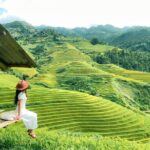
Rice terraces make Sapa feel close up. This 5 to 6 hour trek takes you through Hmong, Giay, and Red Dao villages and shows you the famous terraced paddies with mountain and river valley views.
I especially like the way the day is built around small, up to 15 people group walks led by local guides such as Chu or Sang, who share what daily work looks like and how families live and build. One consideration: parts of the route can be a tougher moderate fitness hike, and some sections are long and uphill, so grippy shoes really matter.
You’ll start around late morning (9:30 am is listed), get picked up if you’re nearby, trek between three stops, then return for local lunch and transport back to Sapa.
In This Review
- Key Highlights You’ll Notice Fast
- Why This 1-Day Trek in Sapa Feels Like Real Village Time
- The Route: Y Linh Ho, Lao Chai, and Ta Van in One Long Day
- Stop 1: Y Linh Ho Village
- Stop 2: Lao Chai (Black Hmong Village)
- Stop 3: Ta Van Village (Giay Minority)
- Rice Terraces and River Valley Views: What the Tough Parts Feel Like
- Guides Who Actually Explain What You’re Seeing
- Pacing and Practical Comfort: 5 to 6 Hours in the Hills
- Food, Water, and Village Interactions Along the Way
- Price and Value: Is $45 Worth It in Sapa?
- Who Should Book This Trek Through Rice Terraces?
- Should You Book This 1-Day Trek Through Sapa’s Rice Terraces?
- FAQ
- What villages will we visit on this 1-day trek?
- How long is the trek?
- Where do we meet, and does pickup work?
- What’s included in the price?
- Is there admission or village entry fee added during the tour?
- What level of fitness do I need?
- What should I bring for the hike?
- Can I cancel for a full refund?
Key Highlights You’ll Notice Fast
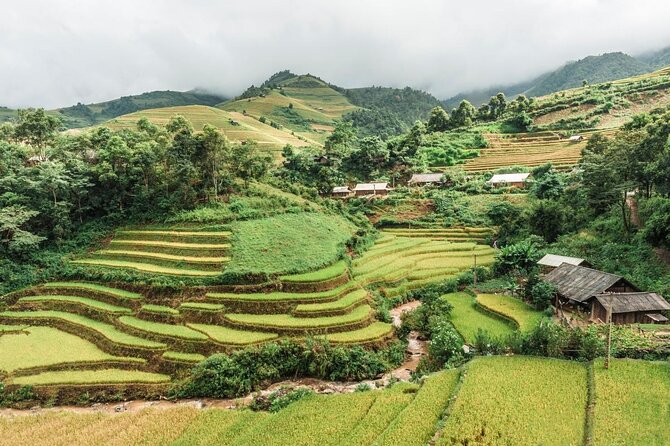
- Three focused village stops: Y Linh Ho, Lao Chai, and Ta Van, with Hmong (including Black Hmong) and Giay perspectives
- Rice terrace climbing with valley views: you’ll spend real time among the paddies, not just a quick photo stop
- Local guide storytelling: guides like Chu, Sang, Vang, Mai, and Du explain village life, including rice work and traditions
- Included lunch plus village entry fees: local food (vegetarian option noted) and gate access are part of the price
- Small group pacing: you can ask questions and actually hear the answers
- Footwork matters on wet ground: mud and slipperiness come up often, especially on paddy paths
Why This 1-Day Trek in Sapa Feels Like Real Village Time
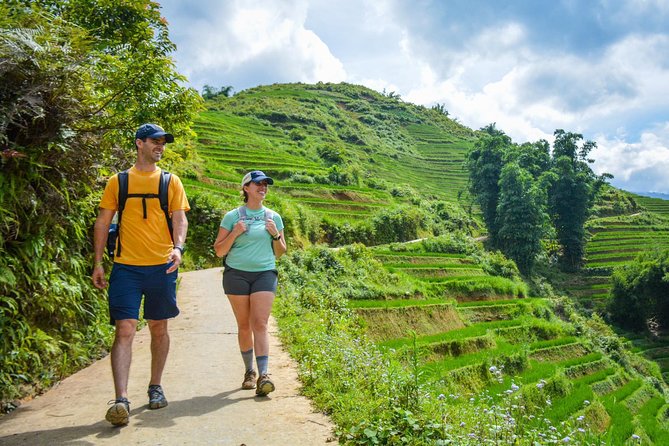
This tour works because it’s not trying to cram everything into a few rushed viewpoints. You spend your day walking between villages and rice terraces, so the mountains feel less like a backdrop and more like the reason people live here. The route includes Y Linh Ho, Lao Chai, and Ta Van, and the mix of ethnic communities keeps the cultural story from feeling repetitive.
The second thing I like is the guide emphasis. This is one of those rare Sapa days where you’re not just handed a trail and a timer. Guides such as Chu, Sang, Vang, Mai, Du, or Dom are repeatedly praised for explaining what you’re seeing in plain language, from how people farm and work to how homes are built and how traditions are practiced.
The one drawback to keep in mind is effort level. At least one account points to a 12 km trek and a substantial climb through terrain that can get wet and slippery. If you’re expecting flat walking or a gentle stroll, you’ll likely be disappointed. If you’re okay with an active day in mountain weather, you’ll probably love it.
You can also read our reviews of more hiking tours in Sapa

The Route: Y Linh Ho, Lao Chai, and Ta Van in One Long Day
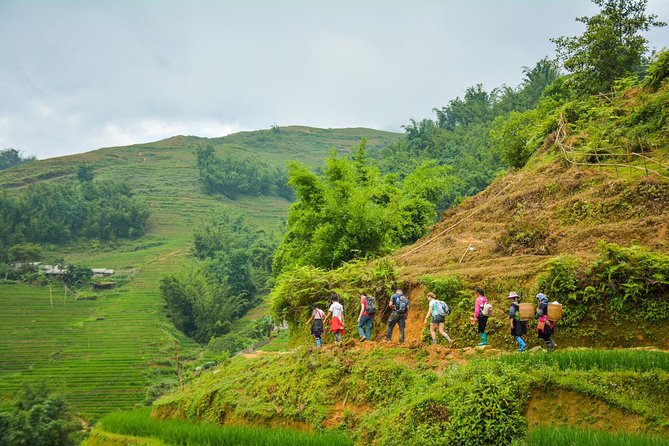
The day is structured around three stops, each with time to actually arrive, walk through the village surroundings, and take in daily life.
Stop 1: Y Linh Ho Village
Y Linh Ho is where the trek starts to feel like you’ve left the main town behind. You’ll meet your guide around Sapa Town or near the main church, then head out toward the village route. This first segment is listed at about 2 hours, so it’s long enough to settle in rather than bounce from one spot to another.
What makes Y Linh Ho special is that it sets the tone: terraces, small lanes, and the mountain rhythm of the valley. This is also a good time to ask your guide to frame what you’ll see later. Some guides share how different groups farm and work, and that context makes the rest of the walk click.
Stop 2: Lao Chai (Black Hmong Village)
Lao Chai is listed next (about 2 hours), and it’s often where people feel the day becomes more about community than views. You’ll walk as the village scenery changes, and you’ll get more of the cultural explanation that makes Sapa feel specific instead of generic.
Even within the larger umbrella of the Hmong community, the day is designed around differences in practices and daily life. The tour description also signals you’ll learn about customs, traditions, and how rice fields tie into work and home life.
Stop 3: Ta Van Village (Giay Minority)
Ta Van comes after Lao Chai (about 1 hour). This is the segment that shifts the cultural focus toward the Giay minority and helps explain how groups differ in everyday life. The goal here isn’t trivia; it’s to help you notice what changes when people live in the same valley but maintain distinct traditions.
By the time you reach Ta Van, you’ll likely be ready for lunch and a break. The tour includes transport back, so you’re not stuck guessing how to get from the village back to town.
Rice Terraces and River Valley Views: What the Tough Parts Feel Like
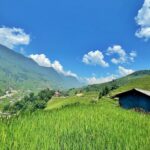
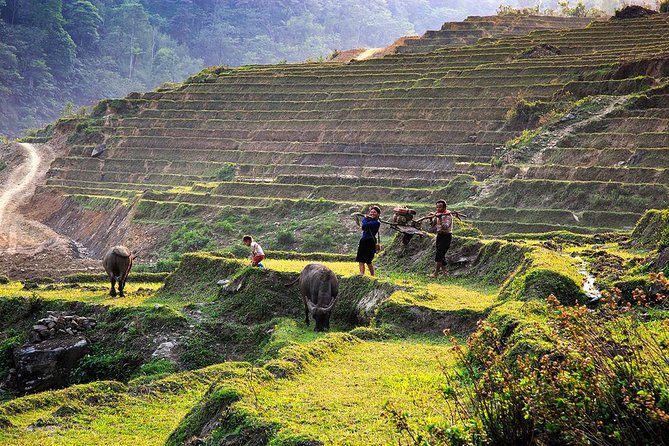
Let’s talk about the part most people remember: the rice terraces. You’re coming to Sapa for paddies, so you’ll want the day to deliver them in real walking time, not a drive-by.
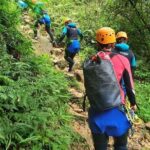
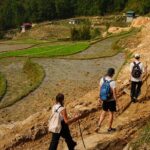
Expect a mix of uphill and uneven paths. One important clue shows up in multiple accounts: sections can involve a climb through rice paddy terrain, and there can be muddy, slippery ground. If it’s been raining, the path can feel more like careful footwork than sightseeing.
Plan for sore legs even if you’re fairly fit. The trekking time is listed as 5 to 6 hours, and at least one account mentions around 12 km total trekking distance. That adds up when you’re walking on mountain soil and stepping across terrace edges.
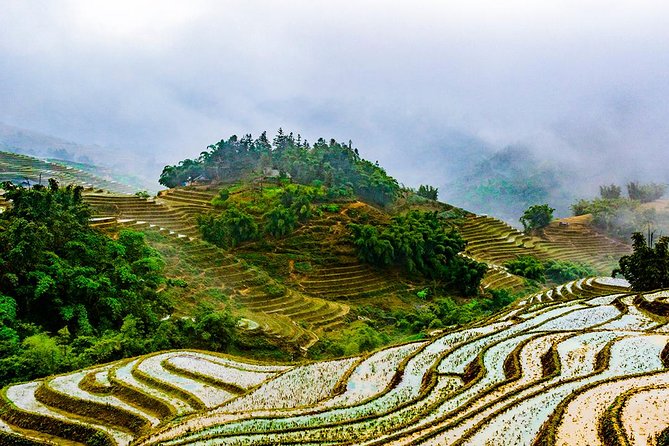
The good news: the payoff is immediate. As you gain and lose elevation, you’ll look out toward the valley and river setting that gives Sapa its dramatic feel. And because you’re walking between villages, the scenery changes constantly, so it doesn’t feel like you’re staring at the same view for hours.
Guides Who Actually Explain What You’re Seeing
This tour lives or dies by the guide, and here you have strong signals. Many accounts specifically praise English ability and the way guides turn the walk into a conversation.
You might get a guide like:
- Chu, mentioned as friendly and sharing lots of knowledge (including how she can adjust the day so you don’t need to end early)
- Sang, highlighted for thoughtful insights into hill tribe culture
- Vang, noted for strong Q-and-A and a positive vibe
- Mai, praised for good English and personable explanations
- Du and Dom, mentioned for friendliness and practical pacing
The content focus is not random. The tour description points to topics like Hmong marriage traditions, rice fields, work routines, and house building techniques. Even if every guide hits every topic, the structure is there, so you’re more likely to come away with a sense of how life runs day to day—especially in and around the rice terraces.
One more practical note: not every guide will speak at the same depth unless you ask. I’d treat your day like a two-way walk. If you care about a specific topic—rice cultivation details, how houses are built, or how village life is organized—ask early. You’ll get more out of the experience.
Pacing and Practical Comfort: 5 to 6 Hours in the Hills
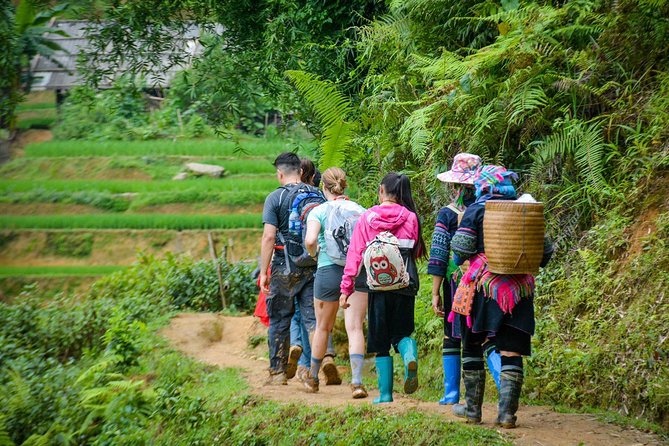
The schedule is straightforward: you start late morning, then spend your time walking between villages and taking breaks as the day unfolds. The tour includes village entry fees, bottled water, and lunch, so you can keep your mental energy on walking and questions.
Group size is capped at 15 travelers, which usually means you can hear your guide and stop when you need to without the whole line grinding forward.
Still, pacing matters. Some accounts describe a trek that can be longer or steeper than expected. If you’re bringing kids or you’re planning a family day, choose based on your group’s ability to handle uneven terrain. One family-friendly note: a guide was praised for being patient with a wide age range, but that didn’t turn the walk into a stroll—it still involved meaningful distance.
Also watch the weather. Mountain mist and rain aren’t just a comfort issue; they can affect footing. Even with included water and lunch, you’ll want to be ready for damp ground.
Food, Water, and Village Interactions Along the Way
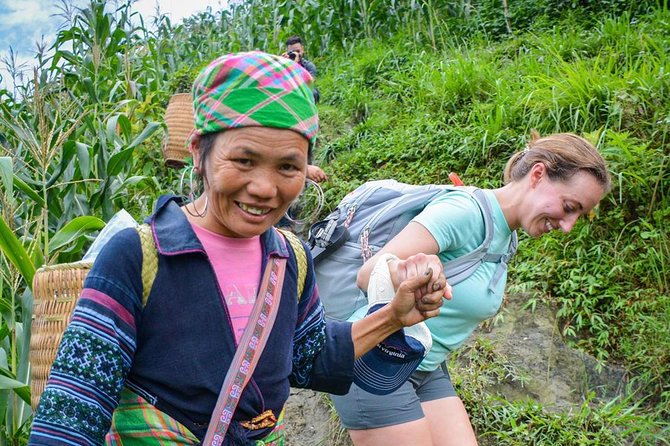
Lunch is included, and it’s described as local food with vegetables, meat, and vegetarian options. That’s one of the best value adds here: in Sapa, a day trek often becomes expensive once you start buying meals between villages. Here, the day includes food plus one small bottle of water per person.
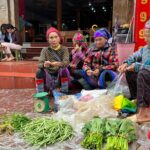
What you should expect from village interaction is a lot of human energy. One note in the accounts mentions kids trying to sell small items like bags and key rings. That’s part of the everyday economy in these areas, not something scripted for tourists. If you’re inclined to buy, keep it simple, be respectful, and don’t treat it like a hard sell.
If you’re not interested in shopping, that’s okay too. A friendly smile and polite no goes a long way.
Price and Value: Is $45 Worth It in Sapa?
At $45 per person, this tour sits in the mid-range for a one-day trek. The value comes from what’s bundled:
- local lunch (with vegetarian option noted)
- bottled water (small bottle)
- village entry fees
- transport back to Sapa
- a guide with an emphasis on culture and daily life
What you’re really paying for is time with a local person who can translate what you’re walking through. In a place like Sapa, where villages can look similar from a distance, having context matters. The guide-led cultural explanations—plus the chance to ask questions—can turn a scenic walk into something memorable.
If you’re trying to keep costs down, this is a strong choice because many self-guided routes in the hills still require informal fees and you’d spend your own money on lunch.
Who Should Book This Trek Through Rice Terraces?
This is a good fit if you:
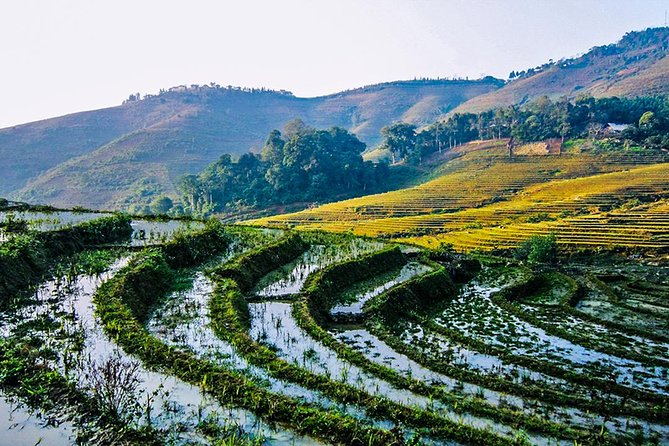
- want to see rice terrace fields up close on foot
- care about learning about local customs and traditions (including marriage traditions, rice work, and home building topics)
- prefer a small-group experience where you can ask questions
- are comfortable with moderate hiking
You might think twice if you:
- need a very easy walk with minimal climbing
- have mobility issues or rely on step-free paths
- expect every guide to give a highly detailed lecture without you asking questions
If you’re an active traveler with flexible expectations, this is the type of day that gives you both views and understanding.
Should You Book This 1-Day Trek Through Sapa’s Rice Terraces?
Book it if you want one day in Sapa to feel like you’re walking through village life, not just collecting photos. The combination of three village stops, included lunch, and a guide who explains what you’re seeing is the heart of the value.
Skip it only if your top priority is comfort over walking. Plan on a real trek, bring your grippy shoes, and treat the day as active sightseeing with cultural context. If you do that, you’ll come away with a clearer sense of how Sapa’s communities live with the mountains and rice terraces every day.
FAQ
What villages will we visit on this 1-day trek?
You’ll visit three village areas: Y Linh Ho, Lao Chai, and Ta Van. The tour also focuses on ethnic communities in Sapa, including Hmong and Giay, and it mentions Red Dao as part of the broader village coverage.
How long is the trek?
The duration is listed as about 5 to 6 hours.
Where do we meet, and does pickup work?
The tour includes a meeting point at Trekking Tour Sapa in Sa Pa and it notes pickup is offered. You’ll also be met at your hotel in Sapa Town or in front of the main church.
What’s included in the price?
The price includes local lunch, bottled water (one small bottle per person), village entry fees, and transport back to Sapa.
Is there admission or village entry fee added during the tour?
No. Village entry fees are included.
What level of fitness do I need?
The tour asks for travelers with moderate physical fitness. The route can involve climbing and trekking time that may be difficult for people with mobility limitations.
What should I bring for the hike?
Comfortable shoes are important, because the route can be muddy and slippery in parts. You’ll also want to dress for mountain weather since the trek is outdoors for several hours.
Can I cancel for a full refund?
Yes. You can cancel up to 24 hours in advance for a full refund. If you cancel within 24 hours of the start time, the amount paid is not refunded.