REVIEW · SAPA
The best view and most authentic tour in Sapa (Non Touristy)
Book on Viator →Operated by Sapa Original Trek · Bookable on Viator
A half-day in Sapa, but nothing cookie-cutter. This combo outing pairs a non-touristy valley trek with time on the Cai River paddleboarding at sunset, so you get both community life and big-open views. It’s built for real-world walking and a real river session, not a quick photo stop shuffle.
Two things I really like: the small group feel (and it can be private for just your group), and the fact that key comforts are included—lunch, bottled water, and an English-speaking guide. One thing to think about first: the walking component calls for a moderate fitness level, so if you’re expecting an easy stroll only, this may feel like work.
In This Review
- Key Things to Know Before You Go
- How This Sapa Experience Feels: Local Trails + Sunset on the Cai
- Entering the Hmong Village World (Giang Cha and Beyond)
- Rice Terraces, Corn, and a Bamboo Stretch You’ll Notice
- Suoi Thau Village and the Ta Phin Valley Views
- The Cai River Paddleboarding Part: Beginner Friendly, Sunset Timed
- Lunch, Water, and Entrance Fees: Why the Price Actually Makes Sense
- Small Group, Real Access to People and Places
- Guides Who Actually Connect the Dots (Mo and Toa)
- Practical Tips for Your 8:30 Start and 6–7 Hour Day
- Who This Tour Fits Best
- Should You Book the Sapa Original Trek + Cai River Paddleboarding?
- FAQ
- What time does the tour start, and how long is it?
- Where does the tour start and end?
- Is this tour private or shared?
- Is paddleboarding included, and do beginners get help?
- Are paddleboards and water provided?
- What’s included in the price of $52?
- What’s not included?
- Which villages and ethnic groups are visited?
- What fitness level do I need?
- Can I cancel for a full refund?
Key Things to Know Before You Go
- Paddleboards are provided, and beginners get a lesson before free time on the river
- 1 liter of bottled water per person is included, plus lunch
- Village visits include both Hmong and Dzao communities, with weaving and daily-life stops
- You walk on quieter trails through rice paddies, terraces, and a bamboo section
- Guides you might meet include Mo and Toa, who used their local knowledge well in past trips
How This Sapa Experience Feels: Local Trails + Sunset on the Cai
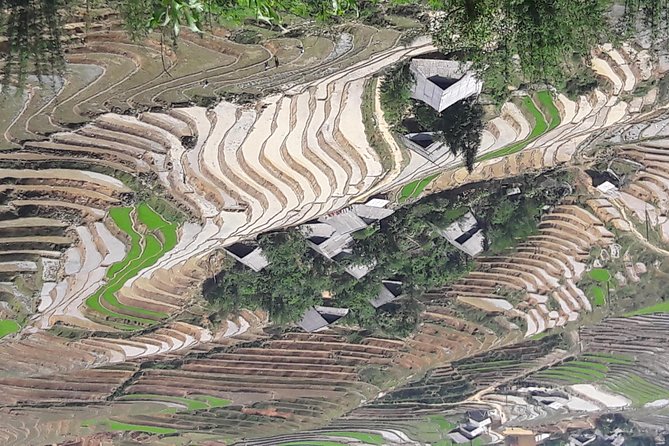
Sapa can be a traffic jam of buses and selfie lines. This tour is for the moments you actually remember: farm paths, village rhythms, and the hush that shows up when the sun starts to drop over the valley.
You start at 8:30 am and the total time runs about 6 to 7 hours. That’s long enough to earn your views, but not so long you feel wrecked before the river portion. The provider keeps the pace practical with transport by car following the program, which matters because Sapa roads can be slow and uneven.
The best part is that the day doesn’t depend on perfect weather for the whole experience. Even if the sky is cloudy, you still have village life, walking, and the river activity. And because it’s designed as a small group outing, you’re less likely to feel swallowed by crowds.
You can also read our reviews of more tours and experiences in Sapa.

Entering the Hmong Village World (Giang Cha and Beyond)
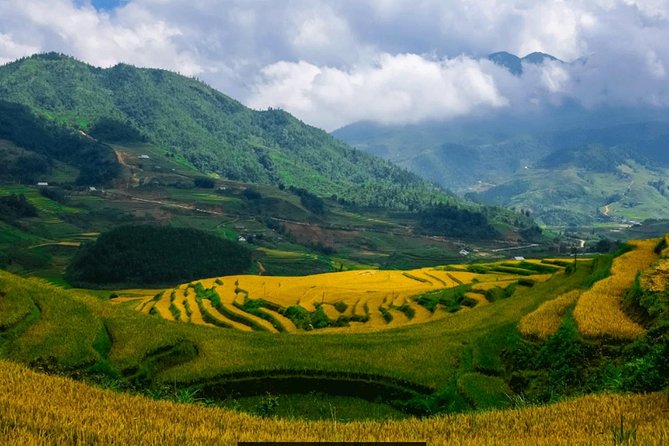
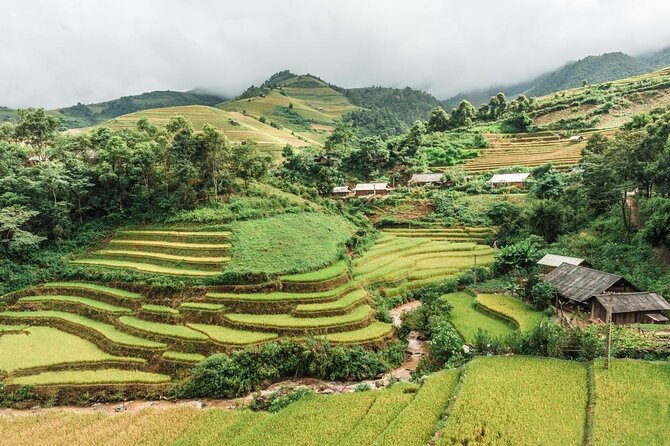
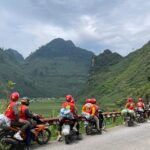
The trekking starts with a car transfer to the Giang Cha village of the Hmong ethnic group. From there, the walking is framed by farmland: rice paddy fields that look calm and still, but feel busy up close. You’re not just passing scenery—you’re moving through it.
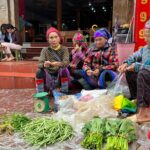
Giang Cha is especially meaningful for one reason: you’ll see the work behind traditional clothing. The village is home to hemp and indigo weavers using traditional techniques to craft tribal costumes. If you like travel that connects what you see to how people actually live and work, this is the kind of stop you’ll appreciate.
What makes this village portion valuable is that it’s not only about materials. The day includes time to visit Hmong houses and explore everyday life. That’s where the trip shifts from walking through a place to understanding a place.
A practical consideration: village stops can mean uneven ground and stairs-like bits around homes. Wear shoes you trust. Don’t plan to dress like you’re going to brunch. This part is hands-on, even if you don’t pick anything up.
Rice Terraces, Corn, and a Bamboo Stretch You’ll Notice
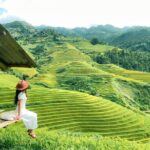
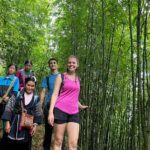
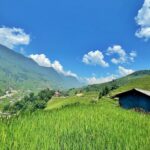
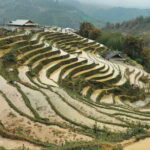
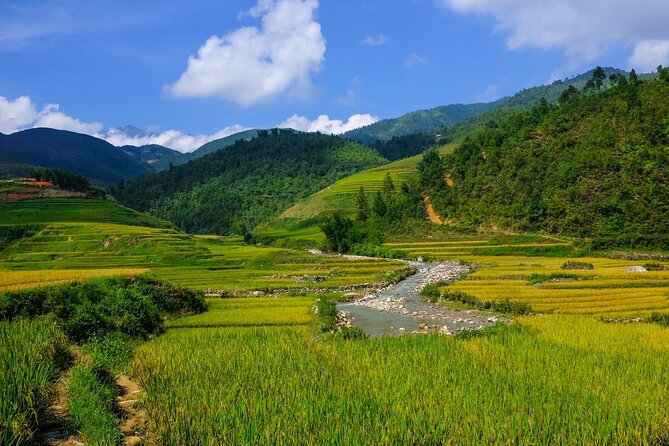
Between village moments, you’ll cross through farmland and vegetation: corn and rice terraces and a bamboo jungle section. That mix is a big deal because it changes the feel of the trek. Terraces open up big sightlines when you’re higher up, then the bamboo section brings a cooler, quieter mood as you move through.
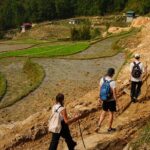
The trekking is described as peaceful valley and non-touristy trails. That wording usually matters in Sapa, where “touristy” often means the path is crowded at the same time every day. Here, the idea is to walk on routes that feel lived-in rather than staged.
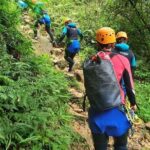
In terms of effort, this part can be deceptively physical. Rice and corn terraces often include short climbs and steps. You don’t need to be a marathon runner, but you should be ready for a steady pace and some uphill sections.
Suoi Thau Village and the Ta Phin Valley Views
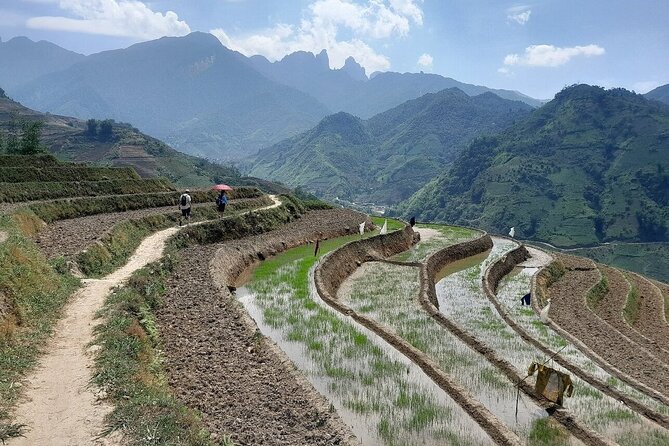
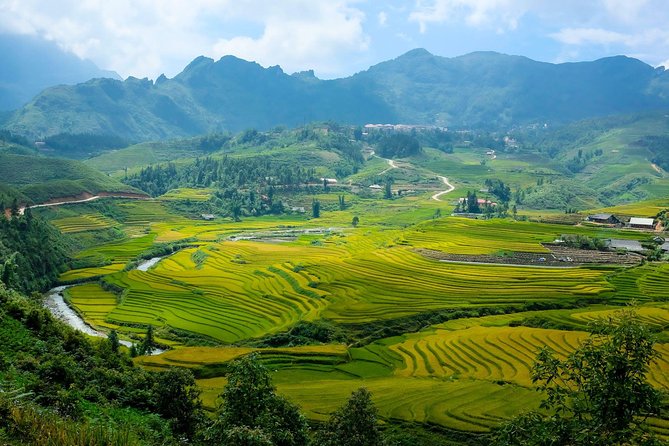
After the Hmong stops, the day continues uphill to Suoi Thau village of the Dzao ethnic people. This is where the trek leans into viewpoint payoff.
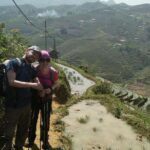
You’ll get panorama views of the Ta Phin valley. This kind of view is the reason you tolerate the climb: you can finally see how the farmland threads through the hills and how communities are placed where the land makes sense.
If you’re the type who likes photos, this is the moment. If you’re not, you’ll still feel it, because the view gives you a reset after walking. It’s also a good time to slow down, drink some water, and regroup with your group.
One drawback to consider: viewpoints can mean wind and sun exposure. Even in Sapa, conditions can swing. Bring layers you can adjust quickly, and keep water access in mind since you’ll be working up a sweat during the trek.
The Cai River Paddleboarding Part: Beginner Friendly, Sunset Timed
The tour’s headline promise includes paddleboarding on the Cai River as the sun sets. That timing is not just pretty—it changes how the river feels. Evening light often makes the whole experience feel calmer and more open.
Paddleboards are provided, which saves you from the hassle of renting gear elsewhere. You also get included bottled water, and the tour is designed to keep costs down because it packs multiple components into one price.
If you’re a beginner, this is one of the stronger points of the experience. Beginners receive a lesson first, and then once you feel comfortable, you can explore more of the river yourself. That lesson matters because it makes the paddleboarding part less intimidating. You’re not just thrown into the water and told to figure it out.
Practical consideration: you’ll want shoes that can handle wet conditions. Even with paddleboarding gear provided, you can still end up with damp feet and slippery boarding areas. Bring quick-drying basics if you have them.
Lunch, Water, and Entrance Fees: Why the Price Actually Makes Sense
At $52 per person, you’re not just paying for a hike. The included list is where the value shows up:
- Lunch
- Entrance fee
- English-speaking guide
- Transport by car following the program
- 1 liter of water per person
- Mobile ticket
- Paddleboards provided (as part of the river experience)
This matters because DIY travel in Sapa often turns into a patchwork: guide cost here, transport there, lunch somewhere else, then you’re still scrambling for activity gear. Here, the tour bundles the main friction points.
Also, the tour is described as a small group option with discounts and a setup that helps keep costs down. Add in a guide who speaks English, and you’re buying time and clarity—someone handles the flow so you can focus on the experience.
A realistic expectation: $52 isn’t a budget-only price, but it’s also not priced like a luxury private day. The value comes from what’s included and how much ground you cover without having to coordinate everything yourself.
Small Group, Real Access to People and Places
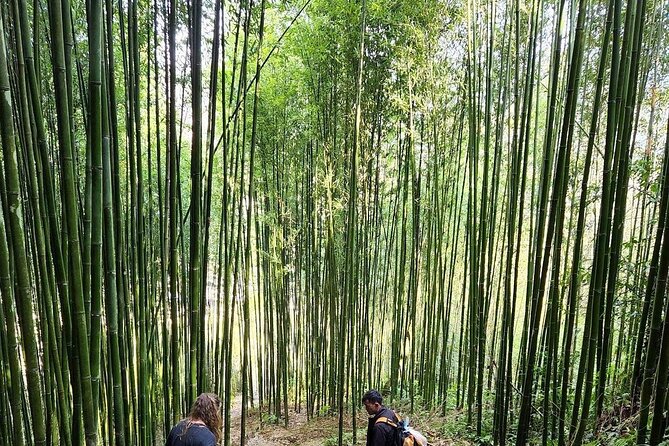
One reason Sapa tours feel thin is crowd control. When too many people arrive together, village visits can feel rushed and the trek becomes a human traffic line.
This tour aims for the opposite: very few tourists on the trails and a small group dynamic. The reviews associated with this experience also point to the authenticity of the route and the fact that you see farming and daily tasks rather than only walk past staged moments.
Another helpful detail: even though it’s small group focused, it’s also described as private tour/activity in the sense that only your group participates. That’s a meaningful difference if you’re sensitive to crowd energy or just prefer a quieter pacing.
If you want Sapa without the classic chaos, this is the right shape of tour.
Guides Who Actually Connect the Dots (Mo and Toa)
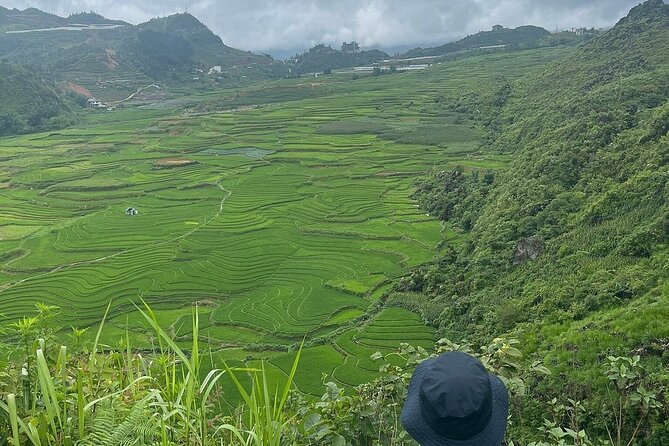
Names that come up in past trips are Mo and Toa. The key takeaway isn’t the name itself—it’s the way the guide experience shows up in the day.
The reviews describe guides sharing interesting facts about life there, and doing it in a way that makes the walk and the village visits feel connected. That’s what turns a good itinerary into a memorable day: someone explains what you’re seeing as you go.
A practical tip for working with an English-speaking guide: ask simple questions like what people grow at different times of year, or how weaving fits into a household routine. If your guide is as talkative and grounded as Mo and Toa were reported to be, you’ll get more than surface answers.
Practical Tips for Your 8:30 Start and 6–7 Hour Day
This is a full half-day outdoors, so plan like it’s active travel.
What to wear
- Closed-toe shoes with grip for terraces and bamboo sections
- Layers you can adjust for sun and wind near viewpoints
- Something you don’t mind getting a bit damp for the river portion
What to bring
- A small bag for phone/keys that can handle some moisture
- Sun protection if the forecast looks bright
- A light towel or dry shirt for after paddleboarding (optional, but useful)
Pace expectations
- The tour asks for moderate physical fitness. That usually means you can walk, you may climb, and you should be comfortable moving for hours. If that’s you, you’ll be fine.
Who This Tour Fits Best
This tour is ideal if you:
- Want non-touristy trails and a real village rhythm
- Prefer guided travel where context is built in
- Are okay with active walking and want an added payoff on the river
- Are a beginner to paddleboarding but still want to do it safely
It may not fit you as well if you:
- Want a mostly flat, low-effort day
- Strongly dislike physical activity but still want the scenic parts only
- Have very limited mobility and can’t handle uneven paths
Should You Book the Sapa Original Trek + Cai River Paddleboarding?
If your goal is Sapa that feels human—farm work, village life, and then sunset on the river—this is a solid booking. The best reason to choose it is the mix: it combines trekking and paddleboarding without forcing you to coordinate multiple vendors. You also get the practical inclusions that matter on a day like this: lunch, water, guide support, transport, entrance fees, and paddleboards.
My rule of thumb: book it if you’re ready to walk on uneven terrain and you’d genuinely enjoy a guided start before being on the river. Skip it if you want a gentle stroll with minimal climbing.
FAQ
What time does the tour start, and how long is it?
It starts at 8:30 am and lasts about 6 to 7 hours.
Where does the tour start and end?
The activity ends back at the meeting point.
Is this tour private or shared?
It’s listed as a private tour/activity, meaning only your group participates.
Is paddleboarding included, and do beginners get help?
Yes, paddleboarding on the Cai River is part of the experience. Beginners receive a lesson before they paddle more independently.
Are paddleboards and water provided?
Yes. Paddleboards are provided, and you also get bottled water (listed as 1 liter per person).
What’s included in the price of $52?
The price includes an English-speaking guide, lunch, entrance fee, transport by car following the program, and 1 liter of water per person.
What’s not included?
Not included are tip, insurance, and personal expenses.
Which villages and ethnic groups are visited?
The trek incorporates three minority villages connected to Hmong and Dzao ethnic people. The itinerary includes Giang Cha village (Hmong) and Suoi Thau village (Dzao), with Hmong house visits along the way.
What fitness level do I need?
You should have a moderate physical fitness level.
Can I cancel for a full refund?
Yes. You can cancel up to 24 hours in advance for a full refund. If you cancel less than 24 hours before the start time, the amount paid is not refunded.