REVIEW · HIKING & TREKKING
Sapa 2-Day Trekking Tour – Explore Villages & Scenic Trails
Book on GetYourGuide →Operated by Cat ba memories · Bookable on GetYourGuide
Rice terraces and village life in two days.
This Sapa 2-day trek is built around real ethnic villages and walking trails, with your choice of Tả Van for a more classic valley route or Hầu Thào for a quieter, off-the-beaten-path feel. You start from Sapa Town at 9:00 AM, hike about 10–14 km each day, then sleep in a private room at an overnight homestay with traditional meals.
Two things I like a lot: the small-group pace and the way the guides handle food and route details. You may end up with a group as small as five people, so you can ask questions, take breaks, and actually keep up without feeling rushed, like Mao did for one group. Meals also get real attention, including allergy care and vegetarian or vegan options, with examples like Sung double-checking with host families.
One consideration before you book: the provided inclusions and transfers mention Cat Ba (bus Hanoi–Cat Ba and a Lan Ha Bay/Hạ Long Bay cruise), while this is a Sapa trekking tour. It might be a package-mix in the details you received, so you’ll want to confirm exactly what transfers and meals apply to your Sapa trekking dates, not another itinerary.
In This Review
- Key points that matter before you go
- Sapa trek overview: what this 2-day tour is really for
- Picking between Tả Van and Hầu Thào without second-guessing
- Tả Van route: cultural immersion, gentler feel
- Hầu Thào route: quieter trails, more remote village time
- The Tả Van itinerary: Muong Hoa Valley to a Dzay homestay
- Day 1: Sapa → Y Linh Ho → Lao Chải → Tả Van (lunch, then overnight)
- Day 2: Tả Van → Giang Tả Chải → Sapa (breakfast, then return)
- The Hầu Thào itinerary: longer mileage and mountain-side scenery
- Day 1: Sapa → Y Linh Ho → Lao Chải → Hầu Thào (lunch, then overnight)
- Day 2: Hầu Thào → Giang Tả Chải → Sapa (lunch, then return)
- Homestay night: private room, family meals, real village contact
- Your guides and why small-group matters more than you think
- Timing, pacing, and how hard is it really?
- How long you’ll be walking
- What to pack: the list that saves you from Sapa weather tantrums
- Price and value: $58 with homestay and guiding
- Logistics and meeting point: start near Sapa’s center, but not in crowds
- Who should book this trek, and who should skip it
- My booking verdict: should you book this Sapa trek?
- FAQ
- FAQ
- How far do you hike each day?
- What are the two route options (and how do they differ)?
- What meals are included during the 2 days?
- What time does the trek start, and where do I meet?
- What should I pack for the trek?
- Is the trek suitable for wheelchair users or people with mobility issues?
Key points that matter before you go
- Two route styles: Tả Van is the more gentle cultural option; Hầu Thào tends to feel longer and more remote.
- Small group energy: people report very small groups, which means less crowding and more personal guidance.
- Homestay meals get careful attention: vegetarian/vegan is available, and allergy handling is actively checked with families.
- Day-by-day distance is steady: plan on about 10–14 km/day with a moderate difficulty level.
- Guides shape your experience: names like Mao, Thao, Sung, Su, Chai, Ai, and Gom come up, each steering toward quieter local spots.
Sapa trek overview: what this 2-day tour is really for
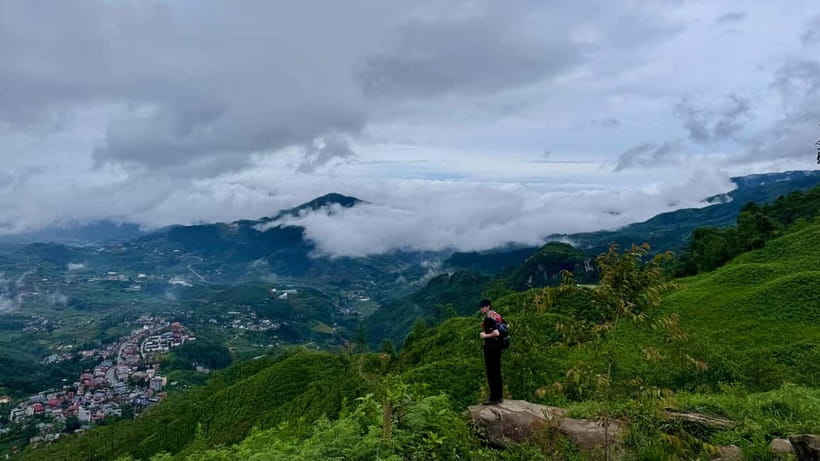
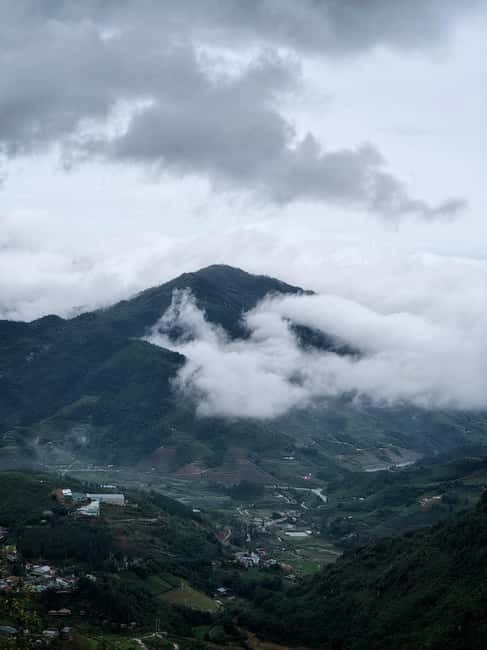
This tour is for two types of people. If you want rice terraces, valley views, and village culture without a long hiking schedule, Tả Van fits well. If you want the same region but with fewer crowds and a more raw mountain feel, Hầu Thào is the pick.
What makes it practical is that it’s short: 2 days and 1 night. You get a full walking day, an overnight homestay, then another hike back. You’re not signing up for a multi-day ordeal, but you are getting out on foot where the villages actually live.
And because the groups are small, you’re more likely to feel like you’re walking with locals and a guide, not being moved like luggage. In one group, Mao made sure everyone stayed included and comfortable with questions and pacing.
You can also read our reviews of more hiking tours in Hanoi


Picking between Tả Van and Hầu Thào without second-guessing
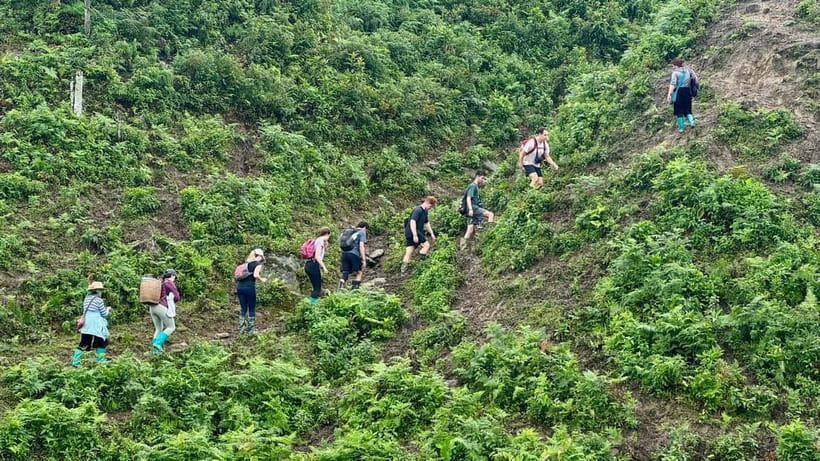
Both routes share the same opening thread: you start in Sapa and move through key villages along the way. The difference is what you do after Lao Chai and how far the day stretches toward the mountains.
Tả Van route: cultural immersion, gentler feel
On the Tả Van route, you’ll walk into Muong Hoa Valley with stops at Y Linh Ho and Lao Chai. These are known for colorful costumes, craft work, and the kind of village scenes where you can actually talk with people instead of just passing through.
You’ll then end Day 1 by arriving in Tả Van for the night. One of the big advantages here is that the trek is often described as well-paced with shorter distances and relaxing stops, which matters if you want to enjoy the views without feeling strung out.
Hầu Thào route: quieter trails, more remote village time
On the Hầu Thào route, you follow a similar trail early on, then keep going toward the mountain-side village of Hầu Thào. The goal is fewer tourists and more direct connection with Hmong families.
Expect a longer day and narrow mountain trails with dramatic cliffside scenery. It’s still a guided trek, but the day feels more “mountain” than “valley,” and people often say it pushes them a bit more out of their comfort zone.
The Tả Van itinerary: Muong Hoa Valley to a Dzay homestay
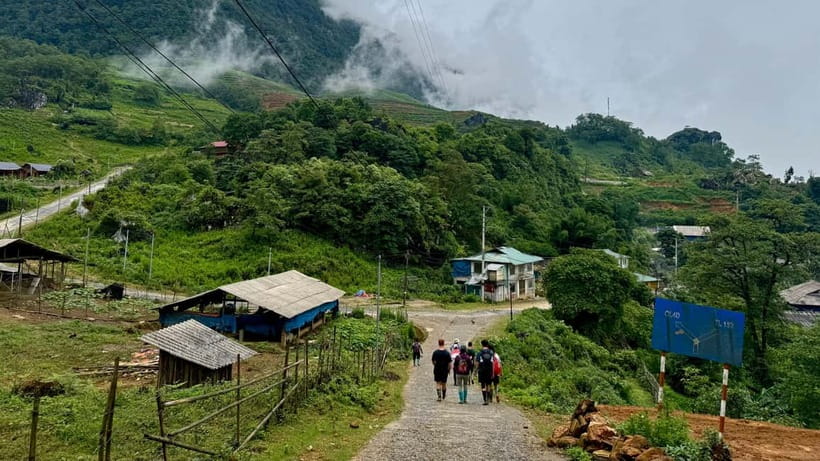
Here’s how the Tả Van option typically flows, with the stops that give the route its character.
You can also read our reviews of more tours and experiences in Hanoi
- Doris Cruise 5 star cruise 2 days visiting Halong Bay Lan Ha Bay private balcony
★ 5.0 · 2,338 reviews





Day 1: Sapa → Y Linh Ho → Lao Chải → Tả Van (lunch, then overnight)
You start from Sapa Town at 9:00 AM and walk into Muong Hoa Valley. Y Linh Ho is usually your first village stop. It’s a good “warm-up” look at local life and costumes, and it helps you get used to the pace before the longer segments.
Then you head to Lao Chai, another well-known village area. This stop tends to be where you notice crafts and clothing details the most, because the route brings you through active village settings rather than only viewpoints.
Lunch is partway through the walking day, and it’s timed with stunning rice terrace views. You don’t just eat. You pause with the scenery, take photos, and reset your legs.
You finish Day 1 in Tả Van, where the overnight stay is in a Dzay homestay. You’ll have dinner at the homestay and—depending on the group and family rhythm—time to share stories around the fire. That night-to-night connection is one of the highlights people keep repeating.
Day 2: Tả Van → Giang Tả Chải → Sapa (breakfast, then return)
Day 2 starts with breakfast and a crossing of a suspension bridge. That bridge is one of those small moments that changes the feel of the hike—suddenly you’re in a different part of the valley and the trail opens up.
After that, you’ll trek through bamboo forest toward Giang Tả Chải. Giang Tả Chải is described as a Red Dao village, by a waterfall. The waterfall setting is a strong “finish-line” vibe: it gives you a natural anchor for the walk rather than just ending on a random road.
Lunch happens before your driver takes you back to Sapa. From there, the tour ends back at the meeting point near Sapa.
The Hầu Thào itinerary: longer mileage and mountain-side scenery
If you book Hầu Thào, you keep the same early rhythm but trade the end of Day 1 for a more remote setting. That’s what changes the whole mood.
Day 1: Sapa → Y Linh Ho → Lao Chải → Hầu Thào (lunch, then overnight)
You start the same way, walking from Sapa into the valley through Y Linh Ho and Lao Chải. This shared first stretch is useful because you’re not losing the best start-of-day village experiences.
After Lao Chai, the route keeps heading toward the mountains to reach Hầu Thào. This is where fewer tourists and raw mountain charm come in. The group often feels quieter, and you spend more time in a village that feels like it’s living its everyday life, not performing it.
Dinner is described as traditional and spent with a Black Hmong family. Some guides are also particularly good at choosing quieter trail segments to avoid busier tourist paths, which is a big reason people mention guides like Thao and others by name.
Day 2: Hầu Thào → Giang Tả Chải → Sapa (lunch, then return)
Day 2 brings you along narrow mountain trails with dramatic scenery. The route is usually longer and can require stronger focus on footing, especially if weather has been damp.
You’ll then head to Giang Tả Chải again for lunch and the return to Sapa. The payoff is the combination of village stops plus scenery that feels more dramatic and less “roadside.”
Homestay night: private room, family meals, real village contact
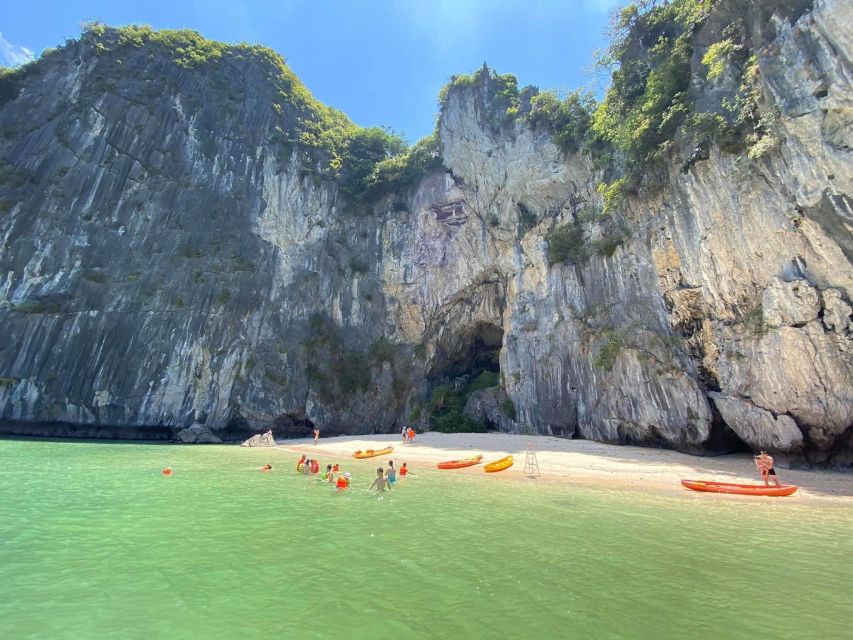
The overnight stay is a big part of why this tour feels different from a day hike. You sleep in a private room at a homestay, not a dorm setup. That’s a comfort win after a hiking day.
Meals are also included: traditional Vietnamese dishes with local ingredients. What stands out is how consistently the food is handled well, including dietary needs. If you’re vegetarian/vegan, options are specifically noted, including vegetarian/vegan for breakfast.
If you have an allergy, you’ll want to tell your operator in advance, and then count on the guide to manage it with the host family. Sung is mentioned as double-checking meal safety with families, which is exactly what you want to hear.
One more practical note: homestay meals can be meat-based for many dishes, so if you’re picky with food types, plan to request your preferences ahead of time. The good news is that vegetarian/vegan options exist.
And yes, if conditions and timing allow, you might get a chance for a quick swim at a nearby waterfall. It’s not something to bank on, but if you’re hoping for a dip, pack a swimsuit just in case.
Your guides and why small-group matters more than you think
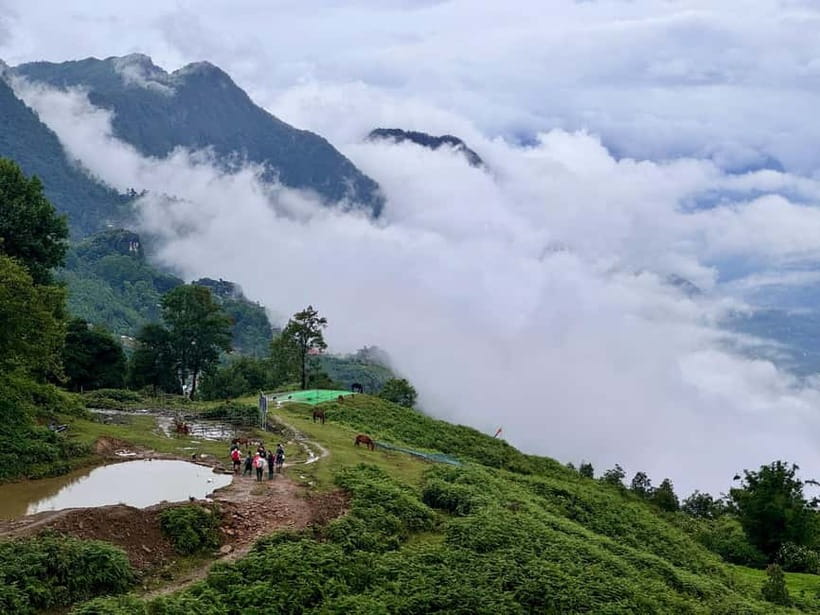
A guide can make the difference between seeing villages and understanding how people live there. Here, the guides come up again and again by name, with examples like:
- Mao keeping the group included and comfortable with questions and breaks
- Thao steering people away from busy areas and toward local spots
- Sung handling allergy details carefully and checking with host families
- Su pointing out plants, animals, and local customs during the trek
That last detail matters because it’s easy to lose context on a trail. When your guide tells you what you’re looking at, the walk becomes easier to enjoy and harder to forget.
Small groups amplify this. If you’re with only a handful of people, you’re less likely to get stuck behind slow walkers or crowds. One group was reported at five people, and that kind of ratio is where you feel the tour becomes more personal.
Timing, pacing, and how hard is it really?
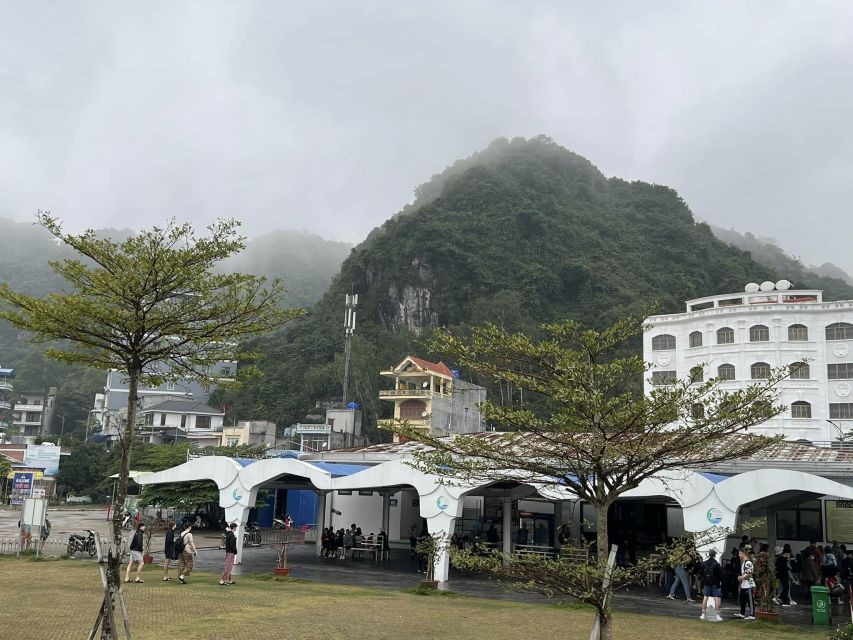
Plan your body around 10–14 km per day. The trek is described as moderate difficulty, with basic fitness needed. If you have knee trouble, you should treat the uneven steps and descents seriously. Even if the total distance doesn’t sound huge, Sapa trails can be leg-heavy.
The trekking starts at 9:00 AM from Sapa Town. I’d treat that as a real departure, not a suggestion. You’re also told to arrive 15–30 minutes early so you can check in, store big bags, and get a briefing.
Some reviews also mention that rain can make trails muddy. If you’re trekking in May–Sept, expect wet ground. It’s doable, but it means traction becomes non-negotiable and your shoes will get dirty.
How long you’ll be walking
The daily time is described in reviews as manageable: around 3.5 hours on the first day for some groups, and about 2 to 2.5 hours on the second day. That said, your pace and breaks matter, and in small groups your guide can adjust.
What to pack: the list that saves you from Sapa weather tantrums

This tour gives you a straightforward packing list, and I’d follow it closely.
Bring:
- Comfortable hiking shoes with grip
- Sun hat and sunglasses for brighter trail stretches
- Long pants and change of clothes
- Water bottle and comfortable clothes for walking
- Insect repellent
- Rain jacket, especially in rainy season (May–Sept)
If you’re unsure whether your feet are happy hiking on muddy steps, gumboots might be a solution. Some people mention renting them if needed. If you’re bringing your own, make sure you can still walk steadily.
Also: keep a small daypack. Big bags can be stored at the office, so don’t overload your back while trekking.
Price and value: $58 with homestay and guiding
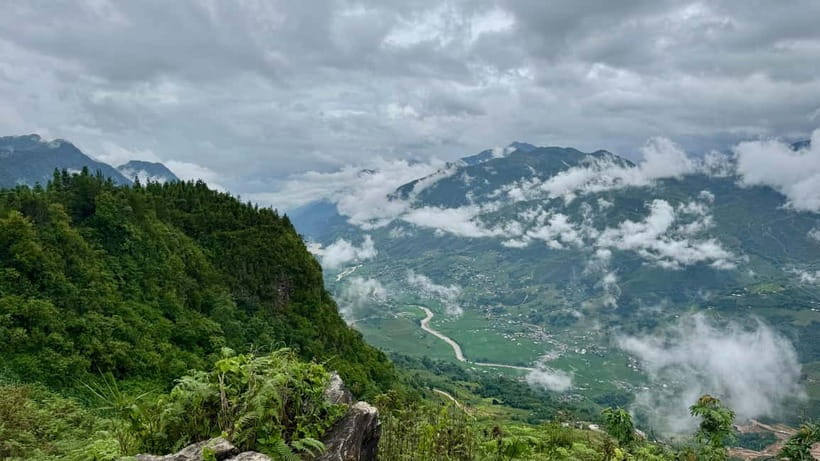
At $58 per person, the value depends on what’s actually included for your exact dates. On paper, you’re paying for a guided 2-day trek with an overnight homestay, meals, tickets, and transfers tied to the tour.
Meals are included (2 lunches, 1 dinner, 1 breakfast). You’re also getting a homestay private room, plus sightseeing tickets and route organization.
Where I’d be cautious is that the inclusions list you received also includes Cat Ba transfers and a Lan Ha Bay/Hạ Long Bay cruise with kayaking. That doesn’t match a simple Sapa trekking outline, so confirm what’s truly bundled with your booking. If it is bundled, then the $58 might be part of a bigger value package. If it isn’t, then it’s a very strong price for a guided Sapa homestay trek.
A smart move: ask the operator to write your itinerary in one clear list—where you go each day, what meals you get, and what the transport includes. That keeps you from paying extra for something you thought was covered.
Logistics and meeting point: start near Sapa’s center, but not in crowds
The meeting point is about 1 km from Sapa’s central area, near Sapa TT Homestay. The location is described as tranquil but still easy to reach by taxi or motorbike.
Your Day 2 return includes car pickup back to Sapa after lunch. The activity ends back at the meeting point.
If you like having your base nearby but don’t want to start in chaos, this setup makes sense. You’ll be able to check in early, store luggage, and get a briefing before the trail begins.
Who should book this trek, and who should skip it
This is a great fit if you want:
- A short trek with a real village experience
- Rice terrace scenery plus culture through ethnic groups
- A small-group feel with guides who actively manage details
- Homestay life for one night with included meals
It’s not the best match if you have:
- Back problems
- Mobility impairments
- Heart problems
- Pregnancy
- Wheelchair use
- Visual impairment
- Insect allergies
Also, you should plan to handle hills, uneven steps, and at times muddy conditions in rainy months.
If you’re traveling as a couple, solo, or small group, this tour style usually works well because the guiding and pacing can adjust to your group.
My booking verdict: should you book this Sapa trek?
Yes, I’d book it if you want a real Sapa walking experience in just 2 days. The homestay setup, small-group pacing, and strong food handling (including allergy care) make this a high-value way to experience villages without turning it into a marathon.
But do one thing first: confirm that your booking details match Sapa, not a Cat Ba cruise add-on. Once that’s clear, choose Tả Van if you want gentler pacing and culture, or Hầu Thào if you want quieter trails and a more remote mountain feel.
FAQ
FAQ
How far do you hike each day?
The trek is about 10–14 km per day, with a moderate difficulty level. The exact timing depends on your pace and the guide’s breaks.
What are the two route options (and how do they differ)?
You can choose the Tả Van route for a more cultural, valley-style trek, or the Hầu Thào route for a more remote, adventurous hike. Both include village stops early in the day, then diverge as you head toward the overnight village.
What meals are included during the 2 days?
The tour includes 2 lunches, 1 dinner, and 1 breakfast. Vegetarian or vegan options are available, including for breakfast.
What time does the trek start, and where do I meet?
The trek starts at 9:00 AM from Sapa Town. You’re advised to arrive 15–30 minutes early at the meeting point near Sapa TT Homestay.
What should I pack for the trek?
Bring comfortable hiking shoes, sunglasses, a sun hat, change of clothes, water, long pants, insect repellent, and comfortable clothes. A rain jacket is also recommended since trails can be muddy in rainy season.
Is the trek suitable for wheelchair users or people with mobility issues?
No. The tour is listed as not suitable for wheelchair users and people with mobility impairments. It’s also not suitable for pregnancy, back problems, and heart problems.
You Might Also Enjoy



More Hiking & Trekking Tours in Hanoi

More Tours in Hanoi
- Ninh Binh Full-Day Tour from Hanoi to Hoa Lu, Tam Coc & Mua Cave Via Boat & Bike
★ 5.0 · 4,384 reviews