
REVIEW · SAPA TREKKING TOURS
From Hanoi: 2-Day Sapa Cultural Exchange Tour with Homestay
Book on GetYourGuide →Operated by VIETNAM OPENTOUR CO LTD · Bookable on GetYourGuide
Sapa starts on a sleeping bus. This 2-day trip blends a Muong Hoa Valley hike with an overnight stay at a local Dzay family in Ta Van, so you get more than just photos. I like that it’s small (max 15 people) and the guide helps you connect, not just follow. One heads-up: Sapa weather can be cold and foggy, and that can affect what you see on the trail.
The best part for me is the rhythm: bus out of Hanoi, walking through rice paddies and villages, then a real family evening before you hike again. Transport is handled for you with air-conditioned bus rides and scheduled comfort stops, so you’re not stuck figuring anything out. It also helps that there’s an English-speaking live guide, and I’ve seen guides like Chun, Lala, Cheng, Lily, Sung, and Za get praised for patience and helpful explanations.
You should also know the homestay is basic. It’s comfortable enough for an overnight, but it’s not a city hotel, and you’ll want warm clothes either way.
In This Review
- Key things to know before you go
- From Hanoi to Sapa on a sleeping bus with real breaks
- Day 1 hike: Y Linh Lo to Ta Van through the Muong Hoa Valley
- The Ta Van homestay: where the trip becomes more than trekking
- Day 2 trek: rice paddies, bamboo forest, and Giang Ta Chai views
- Getting back to Hanoi without losing your whole day
- Guides make or break the cultural exchange
- Homestay comfort: what you can expect in Ta Van
- What’s included in the $100 price, and where the value really shows
- Weather, footwear, and cash: your real prep checklist
- Who should book this, and who should skip it
- Should you book this 2-day Sapa cultural exchange tour?
- FAQ
- How long is the tour and when does it start?
- Where do you pick up in Hanoi?
- What’s included in the price?
- What trek distance and duration is on Day 2?
- What should I bring?
- Is this tour suitable for children or limited mobility?
Key things to know before you go
- Sleeping bus from Hanoi keeps your time efficient while you travel overnight
- Small group size (up to 15) makes it easier to ask questions and move at a human pace
- Dzay homestay in Ta Van is the core of the experience, not a side stop
- Two trekking days with clear segments (including a 4 km, 2-hour section on Day 2)
- Guides often help with photos and answer culture questions along the way
From Hanoi to Sapa on a sleeping bus with real breaks

Day 1 starts with pickup in the Hanoi Old Quarter area (Hoan Kiem district). If you’re near the meeting point, it’s listed at 204 Tran Quang Khai Street, near Hong Ha Hotel. From there, you board the sleeping bus out of Hanoi, and yes, you’ll have a couple of comfort stops along the way.
The practical win here is you don’t lose a whole day to transportation. You’re already moving toward Sapa while most of the group is still back in Hanoi life mode. You’ll typically arrive in Sapa around lunchtime, which gives you enough time to eat before the first hike starts.
A small note: a few people found the travel day a bit stressful because they weren’t sure what was happening when. That’s not your job to solve, but it’s smart to stay flexible, keep your phone charged, and be ready for changes. The tour does mention itinerary adjustments based on weather and operating conditions.
You can also read our reviews of more tours and experiences in Hanoi



Day 1 hike: Y Linh Lo to Ta Van through the Muong Hoa Valley
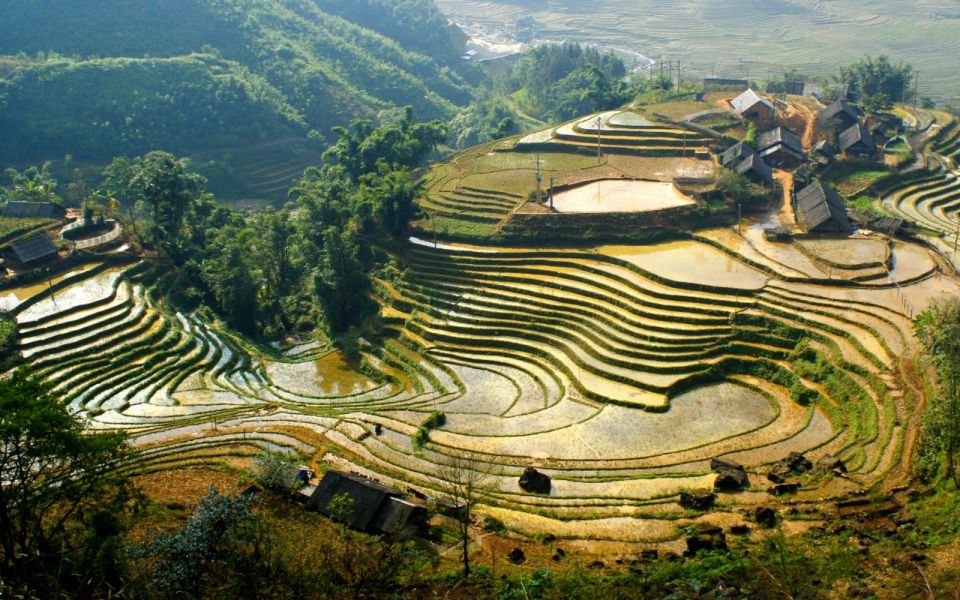
After lunch in Sapa, you begin trekking to Y Linh Lo. This first leg is described as a downhill route through the Muong Hoa Valley, with chances to pass rice paddies and small hamlets. Expect to slow down at points because you’ll be learning how locals live, not just walking through scenery.
Why this matters: walking downhill can feel easier on your legs in theory, but it also makes slippery footing more likely, especially if conditions are damp. Bring shoes you can trust on uneven trails. One review specifically flagged that the hike can be slippery, which is exactly what you want to plan for rather than hope for.
From there, you continue toward Ta Van village, which is settled by the Dzay people and is commonly considered a highlight of the area. During the Day 1 route, there’s also a stop in Lao Chai village, where you’ll have a chance to communicate with local villagers. That’s the point of the cultural exchange here: conversation is built into the walk, not added later as a quick photo stop.
One downside to be aware of: Day 1 is often the longer stretch, and people do mention it can be tiring. Still, the good news is the trekking is described as not a huge elevation challenge, more about time on the trail and road/trail conditions than steep climbing.
The Ta Van homestay: where the trip becomes more than trekking

Once you reach Ta Van, you stay overnight with a local Dzay family. This is the big differentiator for this tour. You’re not just sleeping near the culture—you’re sharing a night in it.
What you’ll likely feel on arrival is that the pace shifts. The day is active, then you settle in, eat, and rest. The tour includes meals: Day 1 dinner and Day 2 breakfast are part of the package, and multiple people praised the food, saying it felt better than a typical hotel meal.
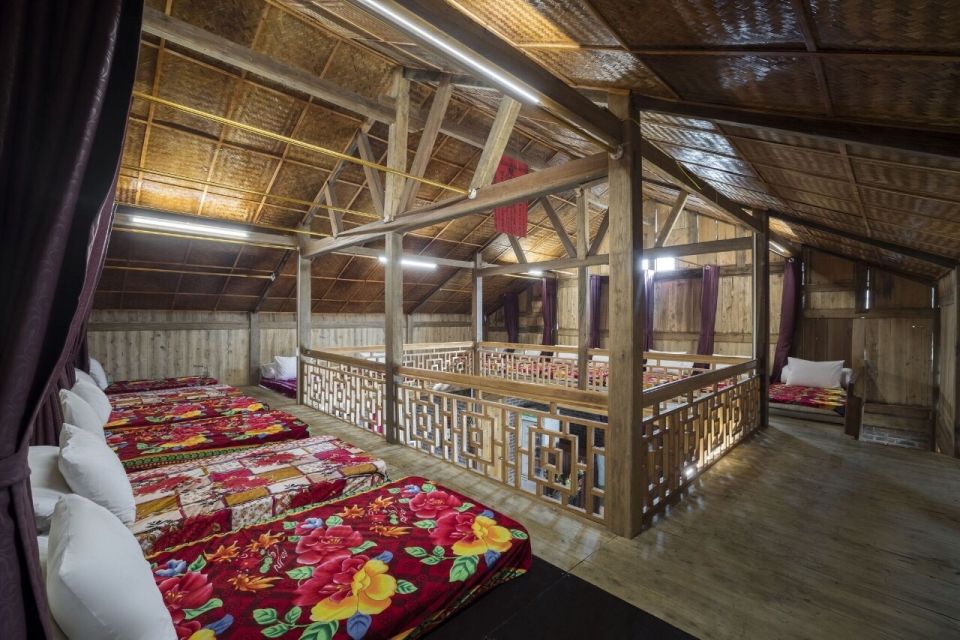
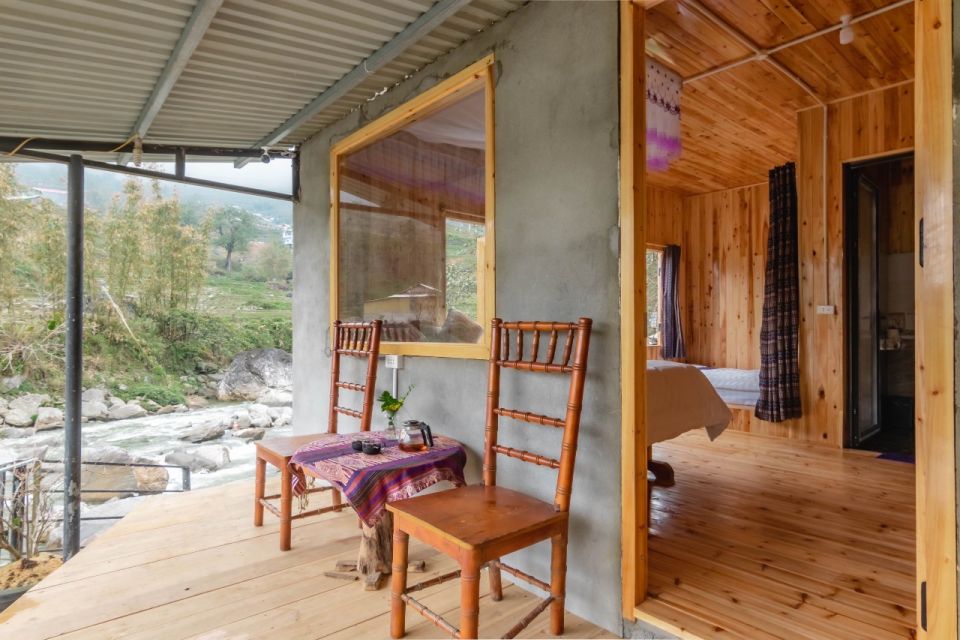
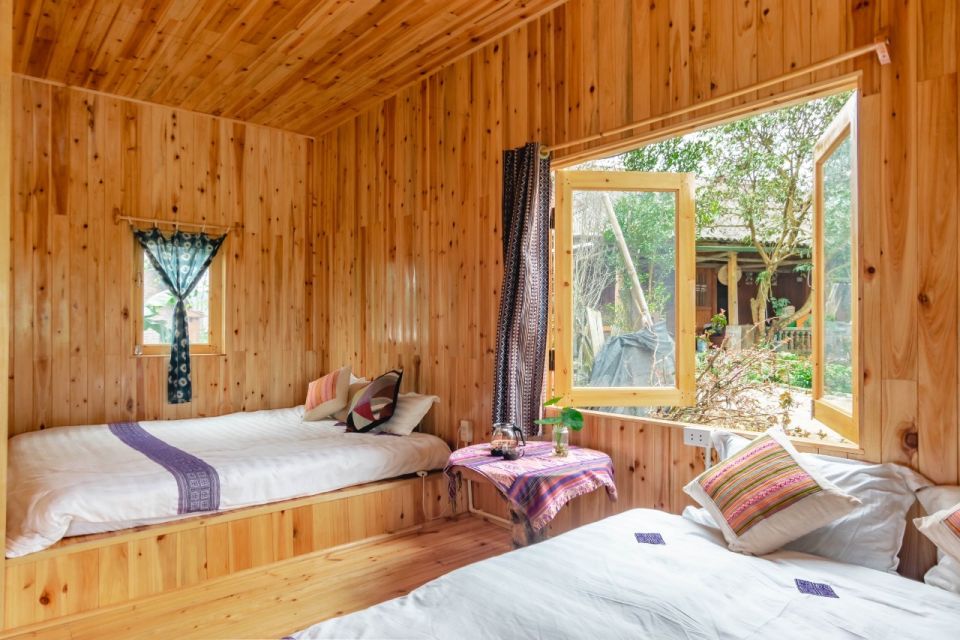
Facilities are basic by design. You’ll have a single bed with a mosquito net, and there’s a public bathroom with hot water at the homestay. One review described the homestay as feeling more like a hostel than a luxury lodge, which is a good expectation-setting phrase. If you’re the kind of person who needs lots of privacy, perfect plumbing, or modern room amenities, you might find it underwhelming.
On the plus side, the homestay night gives you the chance to slow down and be part of the family rhythm. You’re also more likely to get better conversations than on a day trip where everyone rushes off at sunset.
Day 2 trek: rice paddies, bamboo forest, and Giang Ta Chai views
Day 2 starts with breakfast prepared by the family. Then you head out on a shorter, focused trek segment: about 4 km and around 2 hours.
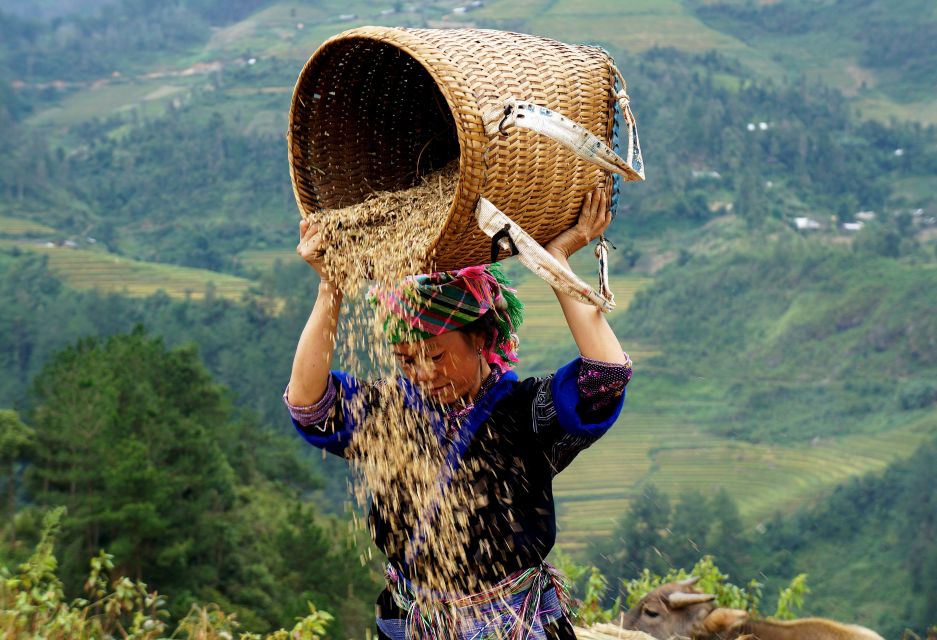
This part is built for views and photos. The route is described as scenic through rice paddies, with an opportunity to take pictures when you arrive. After that, you’ll walk through a bamboo forest, then stop for a panoramic view of Giang Ta Chai village, home of the red Dzao people.
The cultural angle here is subtle but real. You’re seeing how different communities mark their places in the valley, and the stops are timed so you can look, listen, and then move on. A lot of people talk about the valley’s beauty when conditions are clear—so if you care most about photos and long sightlines, pay attention to what the weather looks like in Sapa that morning.
Rain changes the experience. One traveler noted that the second hike got a bit dangerous when it rained. That’s not to scare you off, but it is a reason to bring proper trekking shoes and to keep an extra-grip mindset on any slick surfaces.
From Giang Ta Chai, you continue toward the Ciang Ta Chai Bridge and then to the main road. After that, the bus meets you and takes you back into Sapa town for showers, checkout, a meal, and downtime while the group lines up for the return trip.
Getting back to Hanoi without losing your whole day
After you’re back in Sapa town, you can shower at your hotel (your tour includes the option to refresh once you’re back). You’ll also have time to eat or relax until the group is ready to depart.
Then you board the bus back to Hanoi with two comfort breaks along the way. You’ll be dropped back at Tran Quang Khai Street, returning you to the same general area you started from.
This matters for pacing. With a trip like this, the hardest part isn’t always the walking—it’s stacking long travel segments. Here, the tour builds in breaks and predictable meal moments so you’re not trying to hunt down food or figure out local transport after hiking all morning.





Guides make or break the cultural exchange
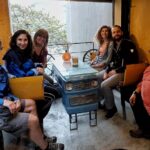
The tour includes a live English guide, and that’s one of the best value points. When you hike in villages and pass through communities, your questions are only half the battle. The other half is context—and guides provide that.
I saw multiple strong mentions of guide support and care. People praised Chun for answering culture questions and taking lots of pictures. Lala and Cheng were praised for being friendly and helping make the trek easier to understand. Sung and Za got repeated praise as top guides who paid attention to the group. Lily even received a mention for helping someone who got sick with a traditional treatment from her tribe.
Not every guide will be identical, but the overall pattern is clear: this isn’t a guide-less wandering experience. If you like learning while you walk—names, village life, and customs—this format is built for you.
Homestay comfort: what you can expect in Ta Van
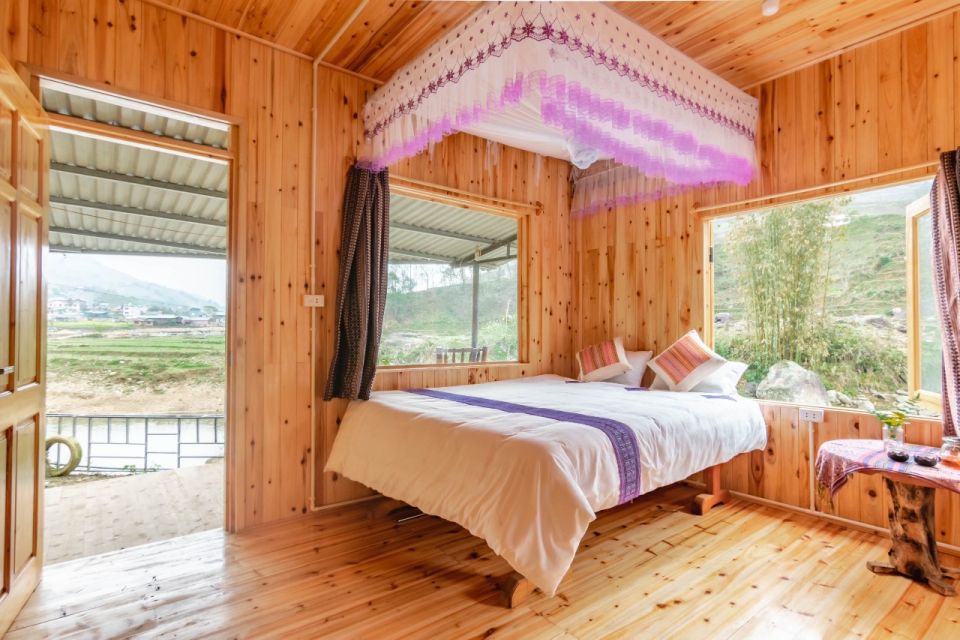
Let’s get practical about the homestay side. The tour includes a basic bed with a mosquito net, and you’ll have access to a public bathroom with hot water. That’s useful information because it tells you the trip has a few comforts covered, without claiming it’s a resort.
You should also plan for simple facilities and a rural setup. Warm clothing is not optional. The tour explicitly notes cold weather from September to March, and it also warns that fog is common from December to March. That fog point matters because it can turn “panoramic view” into “panoramic guess,” so pack with weather reality in mind.
If you’re sensitive to cold, bring layers you can actually hike in. A warm jacket, scarf, and hat are specifically recommended. Also, cash is important in Sapa sometimes because the banking system can be unreliable. US dollars, euros, and Australian dollars are accepted, but it’s smart to have some Vietnam Dong too.
What’s included in the $100 price, and where the value really shows
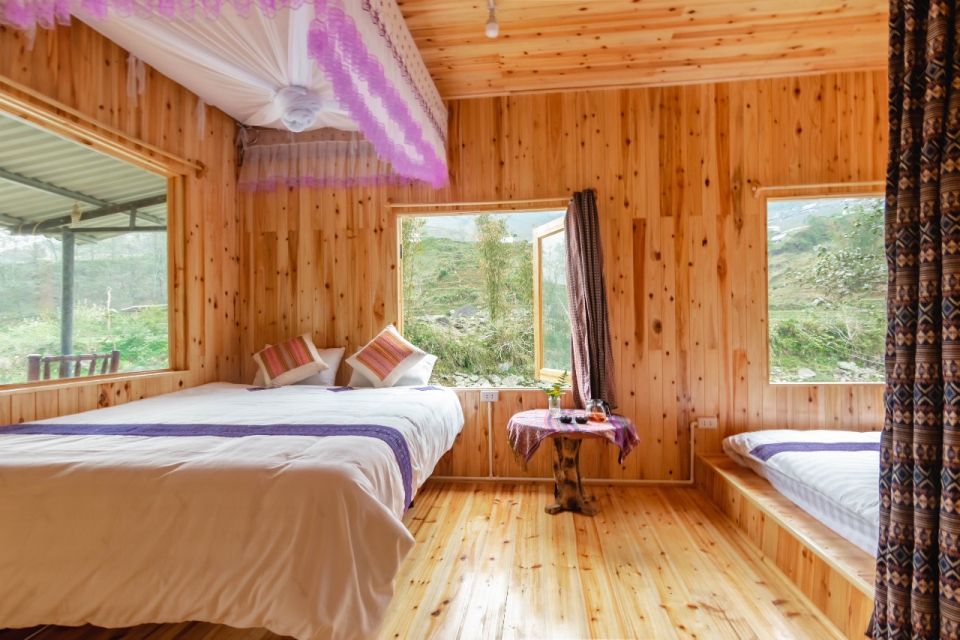
At $100 per person for 2 days, the price only feels good if you understand what’s bundled. This tour includes:
- Hotel pickup and drop-off
- Return transport in an air-conditioned bus
- Meals (1 breakfast, 2 lunches, 1 dinner)
- Tour leader/guide (English)
- Homestay bed with mosquito net
- Public bathroom with hot water at the homestay
So you’re paying for more than a hike. You’re paying for transport from Hanoi, guided trekking time, and the overnight stay that puts you close to the Dzay community experience. If you tried to do this on your own, you’d still need a transport plan, a guide, meals, and a homestay arrangement.
Is it a luxury bargain? No. But it’s a solid deal for an organized cultural exchange with real overnight participation and meals handled for you.
The biggest price-related “gotcha” isn’t cost—it’s whether you’re comfortable with basic lodging and cold weather. If that part doesn’t fit your style, you might feel the value is off even if the math is fine.
Weather, footwear, and cash: your real prep checklist
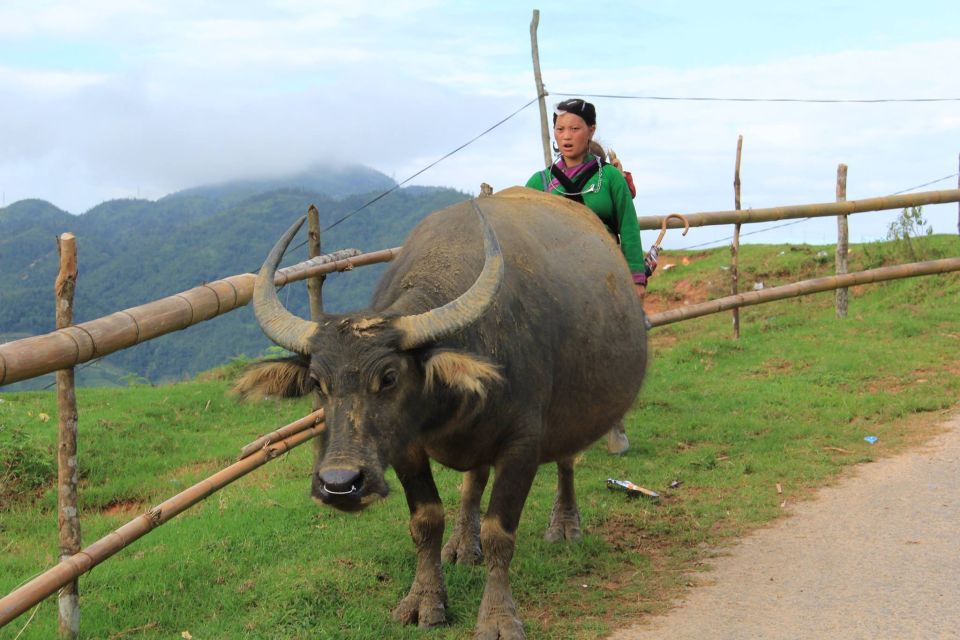
This trip rewards good packing. Here’s what matters most based on the route and conditions:
- Comfortable shoes: trails can be slippery, especially when it’s wet
- Warm clothing: Sapa is cold from September to March, often foggy December to March
- Cash: bring Vietnam Dong; banking in Sapa can be unreliable
- Passport or ID card: required to join
- Personal pacing: Day 1 can feel long, so don’t plan anything heavy after the hike
Also keep in mind the tour can adjust the itinerary due to weather and operating conditions. That’s normal for this region, and it’s exactly why you should check conditions before you expect clear views.
Who should book this, and who should skip it
This tour makes the most sense if you want:
- a small-group trek (up to 15)
- guided cultural exchanges with the chance to communicate in villages
- an overnight homestay with a Dzay family in Ta Van
- a structured 2-day plan that handles transport and meals
I’d be cautious if you:
- need mobility support (the tour is not suitable for people with mobility impairments)
- are traveling with small children (not suitable for children under 6)
- are pregnant (the tour notes it’s not suitable for pregnant women)
- don’t want basic lodging or you hate cold weather unpredictability
Should you book this 2-day Sapa cultural exchange tour?
If you’re chasing an actual village night, this one is easy to recommend. The trek has clear village segments, the homestay is a real part of the experience, and the included meals remove a lot of friction.
Book it if you can handle:
- walking 2 days with short-to-moderate distances
- cold and possible fog
- basic homestay comfort
Consider skipping (or choosing a different style of trip) if you want a hotel-only setup, have mobility needs, or you’re extremely weather-dependent on getting perfect views. If you’re flexible and you pack for cold, this is the kind of Sapa trip that feels personal—because you spend the night with people who live there.
FAQ
How long is the tour and when does it start?
It’s a 2-day tour. Starting times vary, so you’ll need to check availability to see the exact departure schedule.
Where do you pick up in Hanoi?
Pickup is available from hotels in the Hoan Kiem district (Hanoi Old Quarter area). The meeting point is listed at 204 Tran Quang Khai Street near Hong Ha Hotel, and the tour ends back at the same meeting point.
What’s included in the price?
The tour includes hotel pickup and drop-off, return transport in an air-conditioned bus, meals (1 breakfast, 2 lunches, 1 dinner), an English-speaking guide, and the homestay bed with mosquito net plus access to a public bathroom with hot water.
What trek distance and duration is on Day 2?
Day 2 includes a trek of about 4 km that lasts around 2 hours.
What should I bring?
Bring a passport or ID card, comfortable shoes, warm clothing (warm jacket, scarf, hat), comfortable clothes, and cash.
Is this tour suitable for children or limited mobility?
No. The tour is not suitable for children under 6, for people with mobility impairments, or for pregnant women.
You Might Also Enjoy




More 2-Day Experiences in Hanoi
- Doris Cruise 5 star cruise 2 days visiting Halong Bay Lan Ha Bay private balcony
★ 5.0 · 2,338 reviews


More Tours in Hanoi
- Ninh Binh Full-Day Tour from Hanoi to Hoa Lu, Tam Coc & Mua Cave Via Boat & Bike
★ 5.0 · 4,384 reviews