REVIEW · HIKING & TREKKING
Sapa Valley Trek and Homestay – 3D2N
Book on Viator →Operated by Trekking Tour Sapa · Bookable on Viator
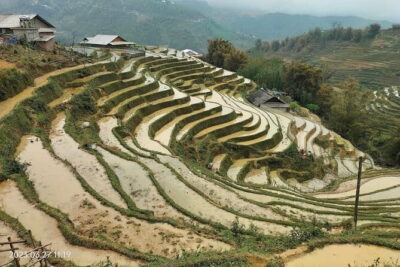
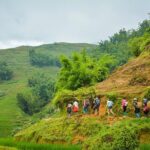
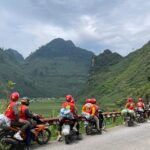
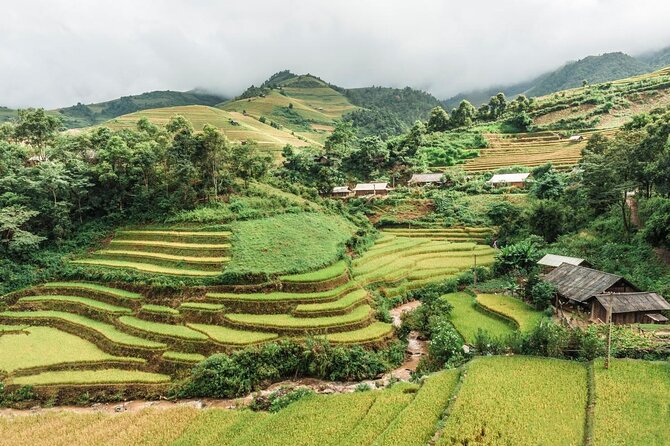
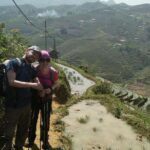
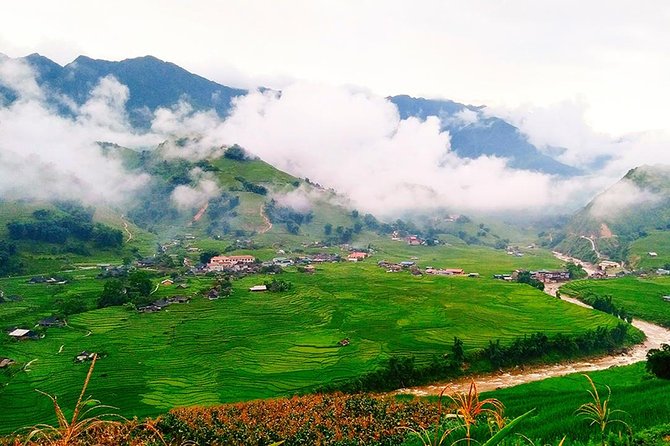
A trek that reads like real mountain life. I like the small-group size (up to 15) and the culture-led guidance from local Hmong guides such as SoSo and Ly. You’ll walk through five villages across Hmong, Giay, and Red Dao communities, with views down to Sapa’s big river valley, rice terraces, and even the Giang Ta Chai waterfalls.
The one real drawback is physical effort: the route includes uphill stretches and can be slippery, so plan for moderate fitness and expect the trek to depend on good weather.
In This Review
- Key Things That Make This Sapa 3D2N Trek Worth It
- What You’re Really Signing Up for in Sapa Valley
- Price and What You Actually Get for $170
- Starting Point and How the Day Gets Rolling at 9:00
- Day 1: Y Linh Ho Down to the Cat Cat Road, Then Ta Van With a Village Host
- Day 2: Giang Ta Chai Waterfalls and the Ban Ho Trail Into Red Dao and Tay Territory
- Day 3: Traditional Houses in Ban Ho and the Nam Tong Finish
- Homestay Life: Coziness, Hot Showers, and What to Expect
- Trek Fitness: How Hard This Actually Feels on the Ground
- Guide Quality Makes or Breaks Sapa Treks
- Logistics That Keep Your Budget and Headspace Simple
- Who This Trek Is For (and Who Should Rethink It)
- Should You Book This Sapa Valley Trek and Homestay?
- FAQ
- What time and where does the tour start?
- How many villages do you visit, and which groups are included?
- What’s included in the tour price?
- Is pickup offered, and do you return to Sapa afterward?
- Do you get a homestay night, and is there time to shower?
- How physically demanding is the trek?
- Can you cancel for free, and does weather affect the tour?
Key Things That Make This Sapa 3D2N Trek Worth It
- Five villages across three main ethnic groups (Hmong, Giay, Red Dao), plus Tay communities you’ll meet along the way
- Homestay night in a village family setting, with time to rest and a hot shower on Day 1
- Coffee/tea break with village views, then a climb toward the Giang Ta Chai waterfalls
- Ban Ho village visits that mix cultures, including Red Dao and Tay perspectives
- Meals and village entry fees included, so your budget stays simple (3 lunches, 2 breakfasts, 2 dinners)
- Guide support that matters on real trails, and multiple guides (SoSo, May, Dom, Sush, Mae) are known for helping with pace and tricky footing
What You’re Really Signing Up for in Sapa Valley
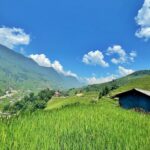
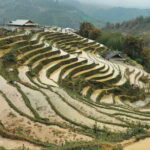
This is a 3-day, 2-night style trek focused on people, not just scenery. The heart of it is time in village areas tied to Hmong, Giay, and Red Dao ethnic minorities, with plenty of chances to see rice terrace farming up close and learn daily customs as you walk.
The pacing is the point. You’re not cramming everything into one long day and calling it culture. Instead, you move village to village, then slow down enough to meet hosts, walk local paths, and hear explanations from your guide.
If you want a “see Sapa from a viewpoint” trip, this won’t be that. If you want Sapa’s human scale—houses, work, and traditions—this format fits well.
You can also read our reviews of more hiking tours in Sapa

Price and What You Actually Get for $170
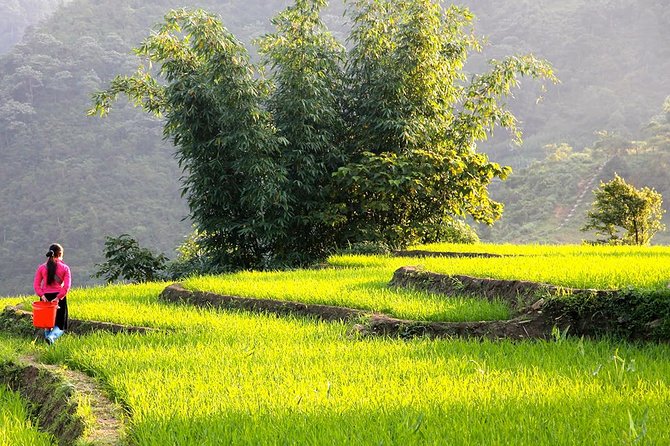
At $170 per person, you’re paying for a guided multi-village trek with food and key logistics handled. The list of included items is where the value shows:
- Local guide for the full experience
- Village entry fees
- Accommodation homestay (1 night)
- Meals included: 3 lunches, 2 breakfasts, 2 dinners
- Transport back to Sapa after the trek ends in the villages
- 1 big bottle of water per person
- Pickup offered (as an option with the tour)
- Mobile ticket
When you add it up, you’re not just buying a hiking route. You’re buying the “messy parts” that often cost extra on your own—guide time, village access, and keeping you fed across multiple days.
The one thing to keep realistic: if you like to add extra drinks or snacks during the homestay evenings, that’s not included. You’ll also want to bring travel insurance of your own.
Starting Point and How the Day Gets Rolling at 9:00
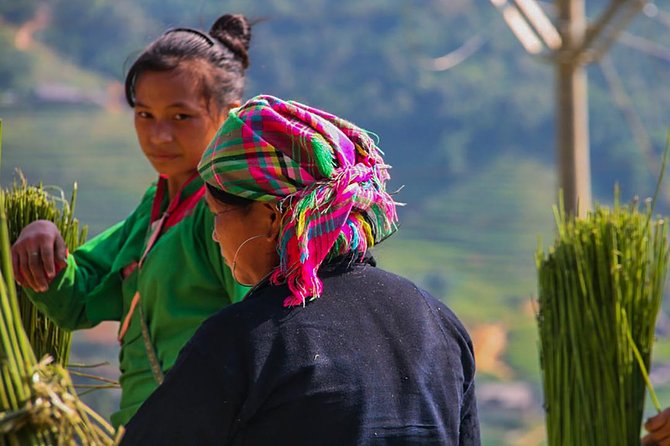
Your day starts at 9:00am at Sapa Church (the meeting point listed). After a brief introduction, you head out toward the village areas on foot.
This early start matters in Sapa because daylight is your friend on mountain paths. It also gives your guide time to handle the rhythm of the group—checking in, adjusting pace, and keeping the day from feeling like a race.
You’ll also see admission tickets included at the stops listed, so you’re not juggling separate payments while trying to enjoy the walk.
Day 1: Y Linh Ho Down to the Cat Cat Road, Then Ta Van With a Village Host
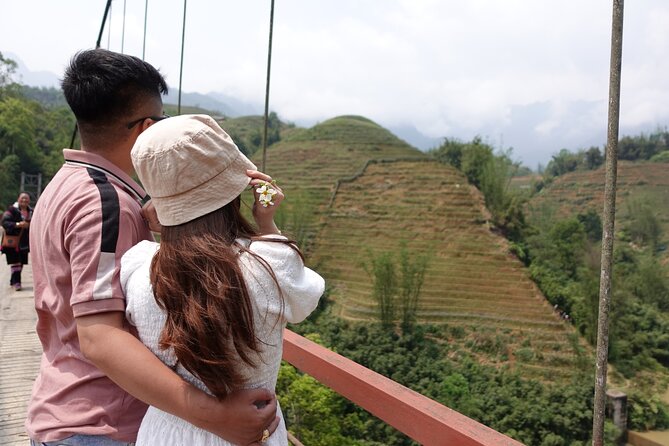
Day 1 begins with Y Linh Ho, and then you move down toward the Cat Cat road area (about a 2km walk mentioned). This is the kind of opening that helps you get your bearings fast: you’re already out in the valley before your legs fully know what’s happening.
Why this works: the first day is often when trekking tours either feel staged or feel real. Here, the structure sets you up for village life instead of only stopping for photos.
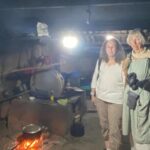
Next comes Ta Van village, home to the Giay minority. You’ll be welcomed by your host family, then you get downtime to rest, take a hot shower, and get ready for your dinner.
This is one of the best parts of the whole trip. A village homestay isn’t only about sleeping—it’s about resetting between walks. That hot shower and rest window can make the difference between enjoying Day 1 and feeling wiped out for Day 2.
Potential consideration: Ta Van days usually mean you’ll be trading comfort for authenticity. The homestay setup is designed for village living, not a resort schedule.
Day 2: Giang Ta Chai Waterfalls and the Ban Ho Trail Into Red Dao and Tay Territory
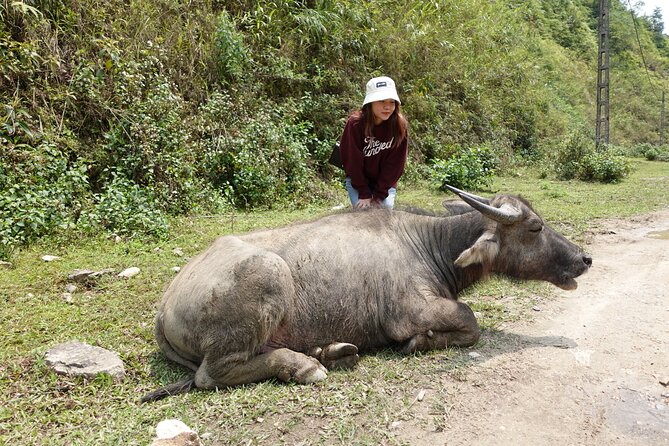
Day 2 starts with a slower, more scenic feel. You begin with a cup of hot coffee or tea, and you can explore the homestay surroundings and nearby rice fields. Then after breakfast, you head uphill toward the waterfalls of Giang Ta Chai.
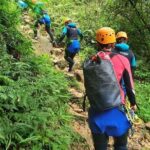
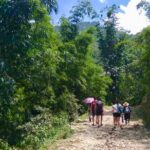
The uphill walk plus the promised waterfall stop is a classic Sapa combo: grind first, payoff later. Even if you’ve been hiking before, the mountain altitude and wet trail conditions (depending on season) can make “normal” steps feel heavier.
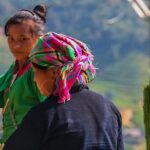
The payoff is also cultural. Your guide is there to connect what you’re seeing—fields, village layout, house building, daily work—to the ethnic communities you’re visiting.
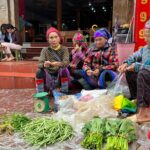
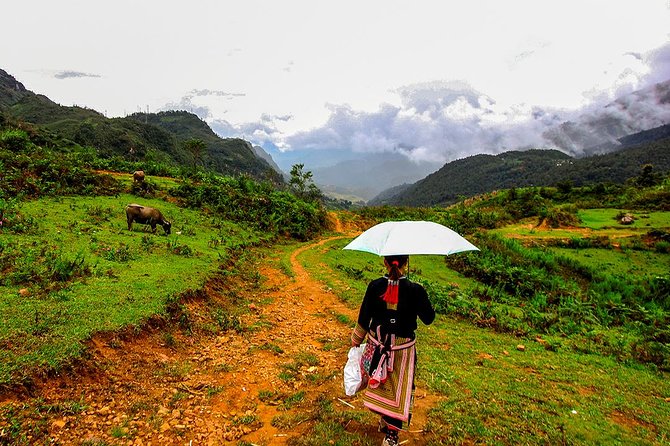
After the break, you move on to Su Pan, described as a community of the Black Hmong minority, and then continue walking to Ban Ho village. In Ban Ho, you’ll meet groups including the Red Dao and Tay communities (and the route notes additional minorities in that village).
This is where the tour earns its educational tone. Instead of only talking from the outside, you’re meeting people at the place where traditions are lived day to day.
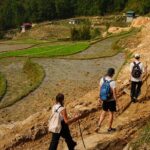
One practical note: the walk segments between village areas can involve uneven, slippery sections. I’d treat this as a “grip matters” day, not a light stroll.
You can also read our reviews of more tours and experiences in Sapa

Day 3: Traditional Houses in Ban Ho and the Nam Tong Finish
After breakfast in Ban Ho village, you shift into a more direct cultural visit: traditional houses and Tay culture learning. This stop is a good change of pace because you’re not only moving—you’re paying attention to how people live.
Then you go to Nam Tong village. While the details provided are lighter here, the pattern stays consistent: walk, observe, learn, and then finish by returning to your meeting point in Sapa.
This final day is often when trekkers feel two things at once: satisfaction and fatigue. The route is designed so you’re not starting from zero again. You’re building from what you saw on Day 1 and Day 2—so the third day feels like completion rather than a repeat.
Homestay Life: Coziness, Hot Showers, and What to Expect
You get homestay accommodation for 1 night, and you have two dinners and two breakfasts included across the days. On Day 1 in Ta Van, the schedule explicitly includes time to rest and take a hot shower before dinner, which is a big comfort upgrade for a trek.
In real terms, this means you’ll likely get:
- Family welcome and a chance to slow down
- A place to sleep that’s in a village setting
- Meals included, so you’re not hunting for food mid-trek
What to be ready for: homestays are not hotels. Even when they’re clean and comfortable, you should expect simple village conditions and follow your host family’s lead on schedules and routines.
Also plan around what’s included (meals and basic trekking logistics) and what isn’t (extra drinks). You can keep the trip smooth by budgeting for small extras rather than assuming everything on-site is covered.
Trek Fitness: How Hard This Actually Feels on the Ground
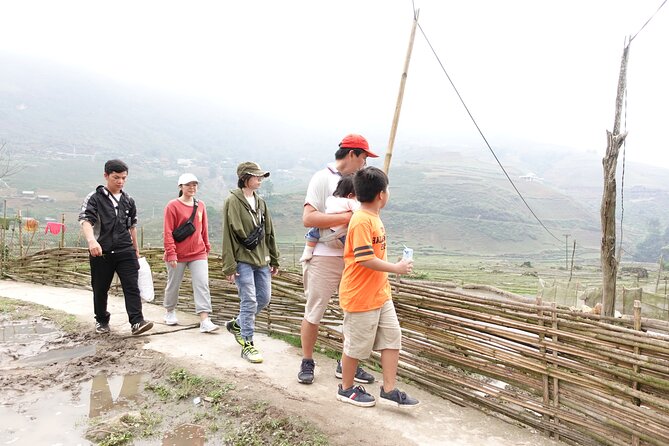
The tour says you should have moderate physical fitness. That lines up with what the route description suggests: uphill walking, village-to-village trails, and at least one clear natural stop at the Giang Ta Chai waterfalls.
From a practical standpoint, I’d plan for:
- Sturdy footwear with grip
- Layers that handle cool mountain mornings
- A calm attitude about pacing (especially in wet conditions)
If you’re coming with kids or anyone who gets tired quickly, this tour can still work, but you’ll want to be honest about distance and uphill effort. The group size maxes at 15, which usually helps your guide manage pace, breaks, and support.
If you want a trek that feels “easy scenic,” this probably won’t be it. If you want “real walking with real explanation,” it’s a good match.
Guide Quality Makes or Breaks Sapa Treks
This is a guided experience built around learning. That doesn’t automatically mean “lots of lectures.” It usually means your guide connects each step—rice fields, house building, marriage traditions, work routines—to the communities you meet.
The guides highlighted in the feedback share a similar theme: they help with more than directions. Names you may be assigned (based on past groups) include SoSo, Ly, May, Dom, Sush, and Mae.
A strong guide matters because Sapa trails aren’t only about endurance. They’re also about timing—knowing when to stop, when to keep moving, and how to handle slippery or difficult sections without making the day stressful.
If you care about cultural context, look for a guide who will answer questions. The tour’s structure suggests your guide will.
Logistics That Keep Your Budget and Headspace Simple
This tour includes a lot of the stuff that can quietly blow up your travel budget:
- Village entry fees included
- Meals included across multiple days
- Transport back to Sapa at the end
- One bottle of water per person
- Pickup offered (so you’re not always starting from the street)
It also uses a mobile ticket model, which usually means less paperwork and fewer last-minute headaches.
The biggest logistics question you should ask yourself is about start time. 9:00am is early enough that you’ll want to be ready the night before—get supplies, set a plan for warm clothes, and don’t rely on last-minute shopping.
Who This Trek Is For (and Who Should Rethink It)
This tour is a strong fit if you want:
- Village-focused Sapa time, not only viewpoints
- A mix of rice fields, river valley scenery, and waterfalls
- Learning about customs and daily life tied to Hmong, Giay, and Red Dao communities
- A homestay night with meals handled
It may not fit if you:
- Want a fully relaxed, low-effort walking schedule
- Are sensitive to uphill days or slippery trail conditions
- Need a hotel-style setup with lots of convenience features
If you’re the type who likes talking with hosts, asking questions, and walking at a human pace, this one is made for you.
Should You Book This Sapa Valley Trek and Homestay?
I’d book it if your main goal is authentic village experience: meeting multiple ethnic communities, seeing rice terraces in context, and walking toward the Giang Ta Chai waterfalls with a local guide who explains what you’re looking at.
I would hesitate only if you’re looking for an easy stroll or you know you struggle with uphill days. The tour is built for people with at least moderate fitness, and it depends on good weather to run well.
Also, check your expectations about homestays. You’re getting a homestay night and included meals, plus a hot shower on Day 1 in Ta Van. You’re not getting a hotel spa experience.
If that trade-off sounds fair, this is a solid value way to see Sapa beyond the main town.
FAQ
What time and where does the tour start?
It starts at 9:00am at Sapa Church (the meeting point listed in Sapa).
How many villages do you visit, and which groups are included?
You visit five different villages and spend time with Hmong, Giay, and Red Dao ethnic minority communities. You’ll also meet Tay communities in Ban Ho.
What’s included in the tour price?
The price includes village entry fees, local guide, homestay accommodation (1 night), transport back to Sapa after the tour, meals (3 lunches, 2 breakfasts, 2 dinners), and 1 big bottle of water per person.
Is pickup offered, and do you return to Sapa afterward?
Pickup is offered, and you also get transport back to Sapa after the experience ends in the villages. The tour ends back at the meeting point.
Do you get a homestay night, and is there time to shower?
Yes, there is homestay accommodation for 1 night. On Day 1 in Ta Van, your schedule includes time to rest and take a hot shower before dinner.
How physically demanding is the trek?
The tour is listed for travelers with moderate physical fitness. The route includes uphill walking and trail sections that can be slippery, so you should be prepared for real hiking.
Can you cancel for free, and does weather affect the tour?
You can cancel for a full refund if you cancel at least 24 hours before the experience starts. The experience requires good weather; if it’s canceled due to poor weather, you’ll be offered a different date or a full refund.