REVIEW · HIKING & TREKKING
2D1N Buffalo trek by Hmong Sister House and Trekking
Book on Viator →Operated by Hmong Sister House and Trekking · Bookable on Viator
Buffalo-house trekking hits different. You’ll hike through Sapa’s Hmong villages, rice terraces, and forest, then sleep in an authentic family Hmong house for the night. If you like travel that feels hands-on—story-driven, practical, and real—this 2D1N trip is built for that.
What I like most is the people-first way this trek moves. You start with a hot shower and breakfast at Zizi homestay, then you’re out on foot exploring village life where animals and families share daily space—an education you can’t get from a quick viewpoint stop.
One thing to consider: this is a real hike. The trekking needs moderate physical fitness, and the company also notes it depends on good weather, since conditions matter a lot in mountain terrain.
In This Review
- Key things to know before you go
- Two Days in Sapa: Hmong Buffalo-Home Trekking, the Real Way
- Pickup, Zizi Homestay, and Starting With a Comfortable Base
- Day 1: Hau Thao Village Walk, Livestock Life, and Guide-Led Lunch
- The Overnight: Sleeping in an Authentic Family Hmong House
- Day 2 Sunrise Trek: Rice Fields at Work, Red Dao Village, and a Waterfall Finish
- Why the $110 Price Feels Fair for This Kind of Trek
- Practical Tips: Weather, Packing, and the Moderate-Fitness Reality
- Who This Trek Is For (and Who Might Want a Different Style)
- Should You Book Hmong Sister House and Trekking?
- FAQ
- What’s the meeting point for the Buffalo trek?
- Is pickup included?
- How long is the trip?
- What fitness level do I need?
- What’s included for meals?
- Does it require good weather?
- Can I cancel for a full refund?
Key things to know before you go
- English-speaking H’mong guidance focused on daily life, not just sights
- An overnight in a family Hmong house, tied to the buffalo-house story
- Village walking through Hau Thao and Red Dao areas, plus rice fields early on Day 2
- Meals included (breakfast and lunch cooked/prepared during the trek)
- Pickup from the bus station area around 7am, then return at the end
- Good-weather dependent mountain walking with a moderate pace
Two Days in Sapa: Hmong Buffalo-Home Trekking, the Real Way
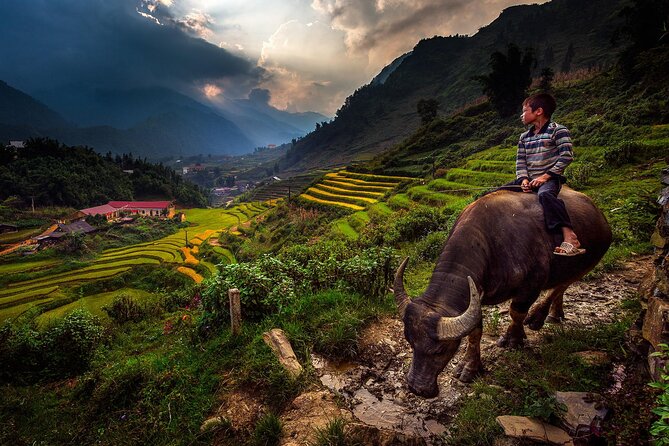
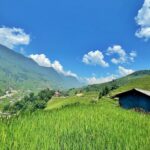
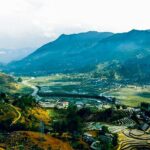
Sapa can feel touristy fast—especially if your plan is mostly short drives and quick stops. This trek takes a slower route: you hike through everyday places where people live, farm, and manage livestock. The goal is to follow Hmong footsteps—up through forest and villages, then back down toward new communities and a waterfall.
What makes it work is that it’s not just scenery. It’s the rhythm of the day. You’ll wake, eat, walk, and learn how work and home life connect in the mountains. The homestay stay adds a big chunk of context: you’re not only passing through.
Also, I like that the experience is flexible in spirit. The route can be customized differently by request, so you’re not locked into one rigid “checklist” day.
You can also read our reviews of more hiking tours in Sapa
Pickup, Zizi Homestay, and Starting With a Comfortable Base
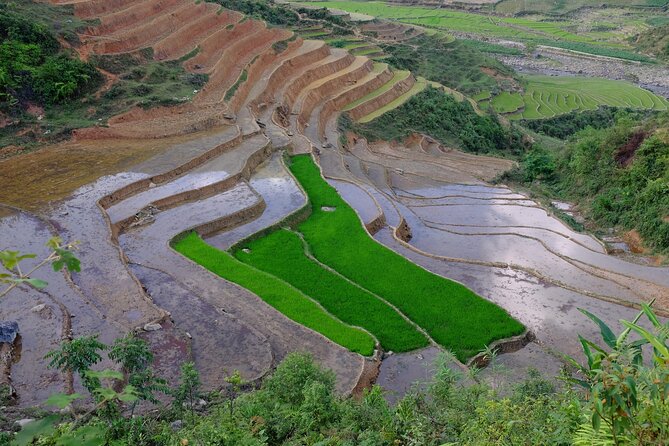
The day begins with a practical touch: pickup around 7am from the bus station area. That means you’re not spending your morning hunting transport or losing time to logistics. They’ll bring you to Zizi homestay so you can leave luggage.
Once you arrive, the homestay setup matters more than you might expect on a trek. You get a hot shower and a hearty breakfast cooked by Zizi before heading out. In mountain treks, that kind of start helps. You’re fueled before you step onto uneven ground, and you’re not rushing through breakfast while everyone decides what to wear.
If you’re the type who likes to be ready for the hike instead of “winging it,” this is the right kind of first half-day.
Day 1: Hau Thao Village Walk, Livestock Life, and Guide-Led Lunch
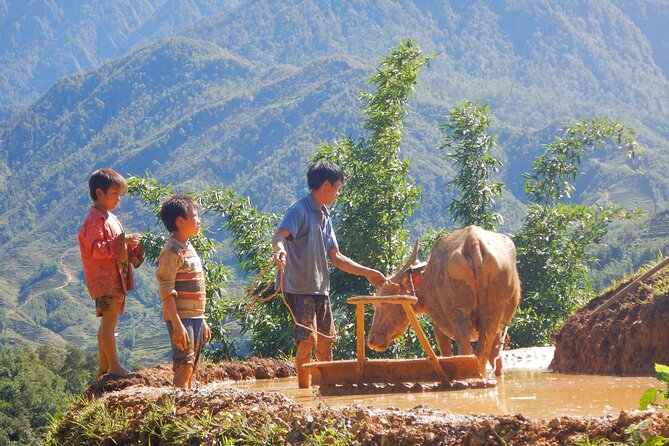
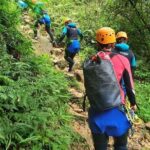
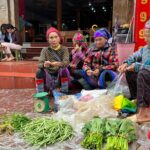
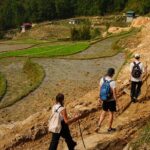
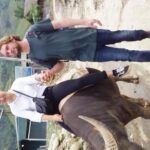
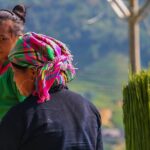
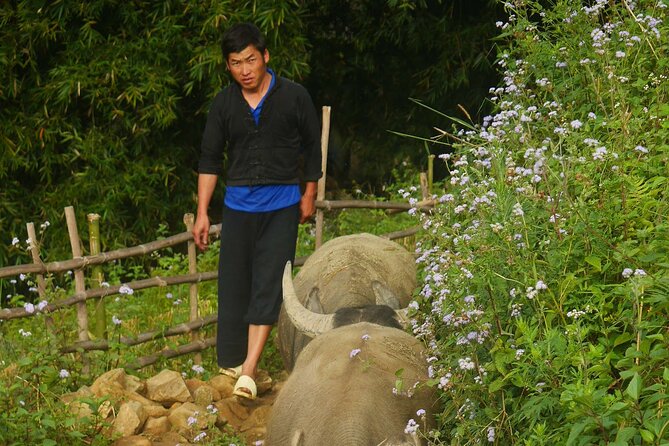
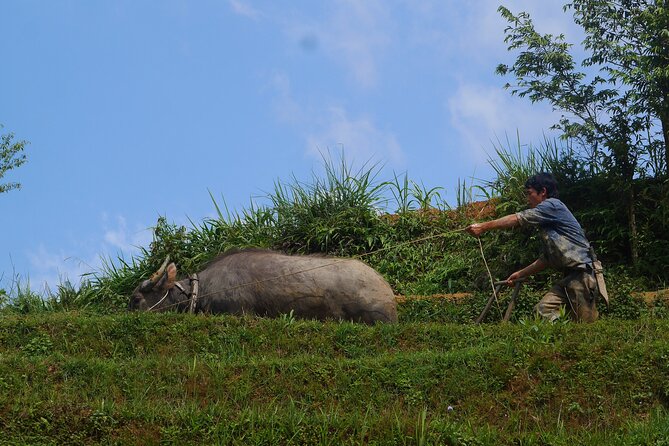
Day 1 is built around village exploration right away. After breakfast, the trek leads from Hau Thao village, where you spend time moving through the area’s ethnic community life. Expect to see how the Hmong minority families live in this mountainous zone, including lots of animals co-existing alongside inhabitants.
That animals-and-homes detail is more than a photo moment. In places like this, livestock aren’t “farm scenery”—they’re part of the household system. Seeing it up close helps you understand why the buffalo-house story matters to the people you meet.
At some point during the trek, lunch is included and prepared by your guide. This is one of those small details that changes the whole feel of a trip. Instead of scrambling for food or paying extra for a stop that interrupts your walk, you keep moving with local timing.
A couple notes for your comfort:
- Wear shoes with grip. Paths can be uneven, especially when you’re walking between village areas.
- Don’t plan to go light on layers. Even in warmer months, mornings in Sapa can feel cooler, and forests can shift the temperature.
The Overnight: Sleeping in an Authentic Family Hmong House
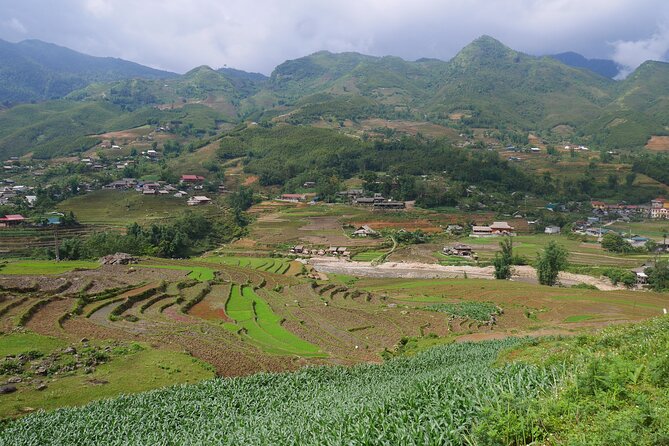
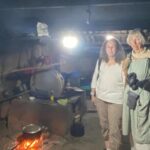
The highlight on paper is the buffalo-house connection, but the highlight in real life is the overnight itself. You stay in an authentic family Hmong house for the night after your first day’s walking.
This is where the experience becomes more than a trek. You’re living inside the home routine for a night. That gives you a sense of how families maintain their day-to-day lives—what matters, what stays consistent, and how “home” looks when work and environment are tightly linked.
The name Zizi comes up for a reason here: you’re not just booking a random overnight. You’re joining the rhythms of a specific family setup tied to the buffalo-house story.
In one standout review, the guide Li was described as sharing stories about her own childhood and how her community lives in past and present day. That kind of storytelling is exactly what you want from an experience like this—human context that turns the trek into a conversation, not a tour.
Day 2 Sunrise Trek: Rice Fields at Work, Red Dao Village, and a Waterfall Finish
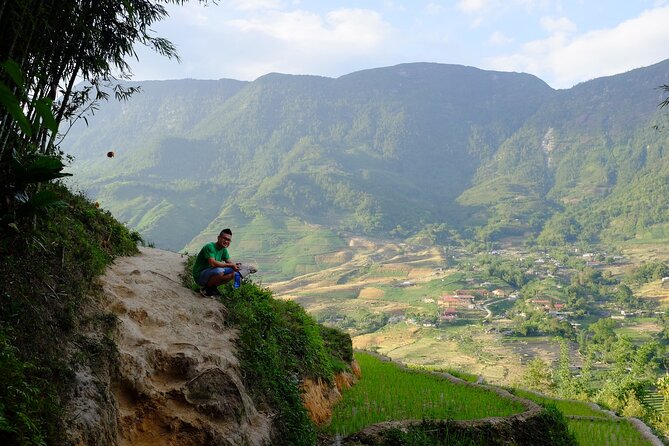
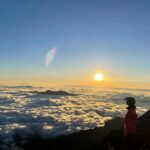
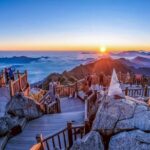
On Day 2, the pace shifts to early morning. You’ll wake up with sunrise and have breakfast, then you say goodbye to the family before trekking down.
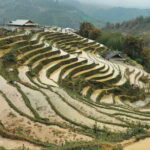
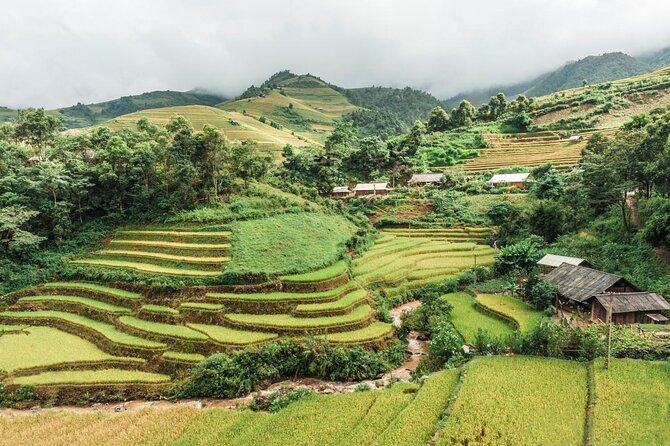
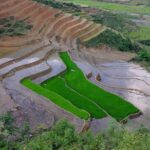
One of the most memorable parts is what you see on the way: farmers working early on the rice fields. Watching early field work gives you a grounded perspective on the landscape’s purpose. It’s not just “pretty terraces,” it’s labor and timing—people responding to growing cycles and weather.
Then you move toward a Red Dao village. The trek includes time in another ethnic community area, so your second day keeps the “follow the footsteps” theme going rather than turning into a single straight-line walk.
The day ends with reach to a waterfall. The waterfall finish is a nice payoff for a day spent moving downhill through villages and fields. Even if the hike feels calm, you’ll feel that moment when the setting changes.
Practical note: the Day 2 walk is the kind of descent that can be tough on knees if you’re not used to it. Pack for careful walking—grip over speed.
You can also read our reviews of more tours and experiences in Sapa
Why the $110 Price Feels Fair for This Kind of Trek
At $110 per person for roughly 2 days, this isn’t a bargain trekking festival. But it also isn’t overpriced for what you actually get—especially in Sapa where “cheap” can sometimes mean cut corners.
Here’s the value picture that matters:
- Pickup from the bus station area around 7am saves you hassle and time.
- An overnight in a family Hmong house is the biggest cost driver for a trek like this, and it’s also the core of the experience.
- Meals are included: breakfast and lunch are part of the program, plus breakfast again on Day 2.
- A local English-speaking H’mong guide adds real learning time. This isn’t just directions; it’s the stories and context that make the trek feel alive.
You’ll also see group discounts mentioned, which can make pricing better if you’re booking with more people. And the fact that it’s typically booked about 85 days in advance suggests this is a popular windowed experience—if you’re traveling in busy season, don’t wait until the last week.
In plain terms: you’re paying for a guided, culturally anchored two-day hike with a home stay and meals. If that’s what you want, the price makes sense.
Practical Tips: Weather, Packing, and the Moderate-Fitness Reality
This trek can’t run without weather. The provider explicitly says the experience requires good weather, and they’ll offer a different date or a full refund if it’s canceled due to poor weather.
So how should you plan?
- Bring a light rain layer even if skies look fine. Mountain weather changes fast.
- Expect slippery moments on the walk. Even when paths are manageable, rice-field areas can be damp.
- Use shoes with traction. Flip-flops are for the hotel, not for trekking days.
About fitness: it’s listed for moderate physical fitness. That means you should be comfortable hiking for long stretches and walking on uneven ground. If you’re recovering from an injury or rarely walk stairs, you might feel it on Day 2’s descent.
Also, it’s a private tour/activity, meaning only your group participates. That’s a plus if you want less crowd noise and more room for questions—but it also means your comfort level depends on your group’s pace.
Who This Trek Is For (and Who Might Want a Different Style)
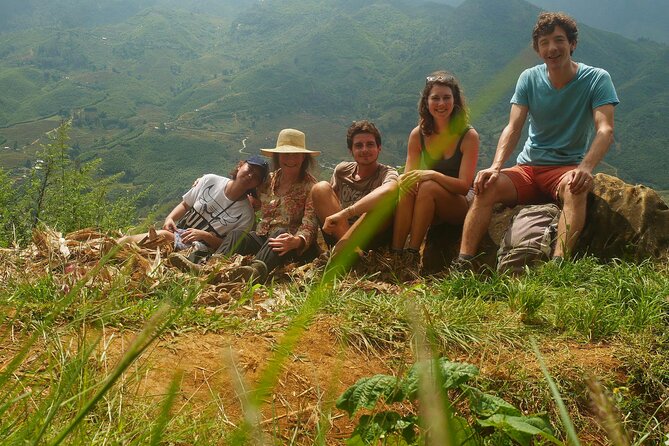
This works best if you want:
- Authentic village life over staged attractions
- A guide who can explain daily living, farming rhythms, and community context
- An overnight that adds meaning, not just a bed for the night
It might be less ideal if you want:
- A fast “see everything” schedule
- A fully comfortable itinerary with minimal walking
- A trip centered mainly on big-ticket monuments rather than people and place
Families? It’s not described as kid-focused, and the moderate fitness level suggests you should judge it based on the walkers in your group. Service animals are allowed, so if that’s relevant for you, this is good to know.
Should You Book Hmong Sister House and Trekking?
I’d book it if your idea of a great Sapa trip includes living like locals for two days—walking between villages, eating with the rhythm of the day, and sleeping in an authentic family home connected to the buffalo story.
Don’t book it if you’re chasing a light stroll with zero effort. This is a trek. It also depends on weather, so you need flexibility in your dates.
My bottom line: for the mix of English-speaking local guidance, homestay immersion, and the realistic pace of a village-to-waterfall hike, this is strong value. It’s the kind of trip that leaves you with more than photos—more like stories you can explain to friends.
FAQ
What’s the meeting point for the Buffalo trek?
The tour starts at Hmong Sister House and Trekking in Ta Van, Mường Hoa, Sa Pa, Lào Cai, Vietnam, and it ends back at the meeting point.
Is pickup included?
Yes. Your car will pick you up at the bus station around 7am and bring you to Zizi homestay.
How long is the trip?
It’s a 2-day experience (approx.).
What fitness level do I need?
The trek is designed for travelers with moderate physical fitness.
What’s included for meals?
You’ll have breakfast cooked/prepared by Zizi, lunch prepared by the guide on Day 1, and breakfast again on Day 2.
Does it require good weather?
Yes. The experience requires good weather. If canceled due to poor weather, you’ll be offered a different date or a full refund.
Can I cancel for a full refund?
Yes. Free cancellation is available up to 24 hours in advance for a full refund.