REVIEW · HIKING & TREKKING
Mountain views & Rice Terraced Fields Hiking – 2D 1N
Book on Viator →Operated by Trekking Tour Sapa · Bookable on Viator
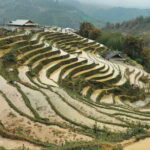
Rice terraces and villages in two days. This Sapa trek blends mountain viewpoints with Hmong and Giay village visits, plus a homestay night and time in rice-terrace country. You also get a window into Sapa’s big river valley and how multiple ethnic communities live and work here.
I also like that it runs in a small group, with a maximum of 10 people, so your guide can actually explain what you’re seeing. One consideration: this is a walking tour with uphill and downhill sections, so plan on moderate fitness and expect weather to matter—especially around the waterfall day.
You meet around Sapa Church at 9:00 am and wrap back at the same meeting area after day two. If you end up with guide San, there’s a clear pattern of praise for his explanations, and the homestay food also tends to score well.
In This Review
- Key Highlights Worth Booking For
- Why This Sapa Trek Feels More Real Than a Standard “Tour Bus” Day
- Day 1: Hang Da Village Viewpoint Up, Then Black Hmong Daily Life Down
- Day 1 Food and Homestay Night: The Best Part of the Value
- Day 2: Giang Ta Chai’s Waterfall Stop and the Walk to Ta Van
- The Culture Lesson: Hmong Marriage Traditions and More
- Price and Value: What $90 Buys You in Sapa
- Fitness, Timing, and What to Pack (So You Enjoy It)
- Who Should Book This Trek, and Who Might Want to Skip It
- Should You Book This Mountain Views and Rice Terraced Fields Hike?
- FAQ
- How long is the Mountain Views & Rice Terraced Fields Hiking tour?
- Where is the meeting point for the tour?
- What time does the tour start?
- Is pickup available?
- What’s included in the price?
- Is accommodation included?
- What fitness level do I need?
- What happens if the weather is bad?
- How many people are in the group?
Key Highlights Worth Booking For
- Small group hiking (max 10): more conversation, fewer rushed photo stops
- Five village visits in 2 days: Hmong, Giay, and Red Dao culture side by side
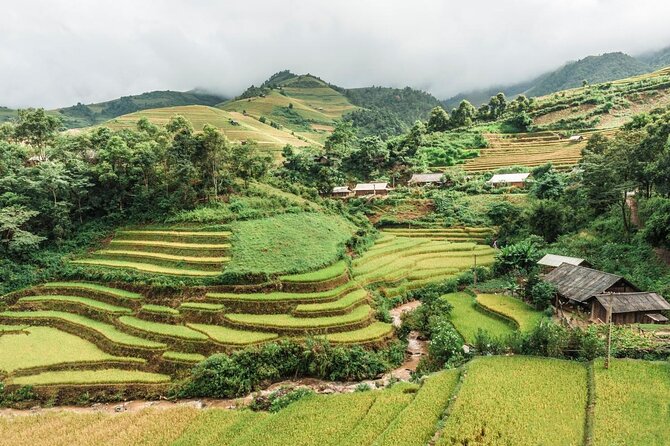
- Rice terrace and viewpoint moments: a short uphill for big mountain views
- Waterfall day in Giang Ta Chai: one of the most scenic stops on the loop
- Homestay included (1 night): dinner and breakfast are part of the value
- Guide-led culture teaching: you’ll hear about work, house-building, and Hmong marriage traditions
Why This Sapa Trek Feels More Real Than a Standard “Tour Bus” Day
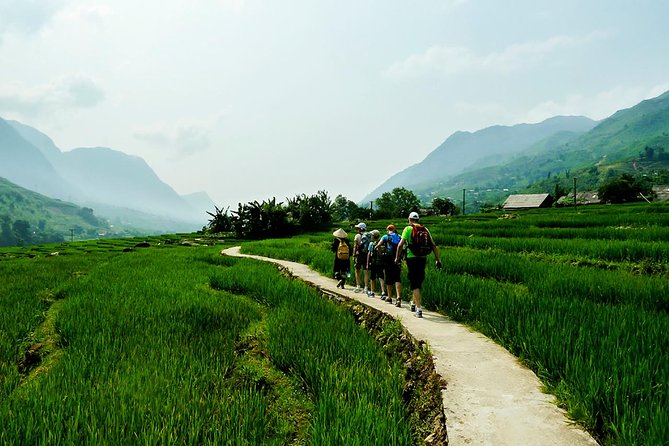
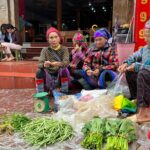
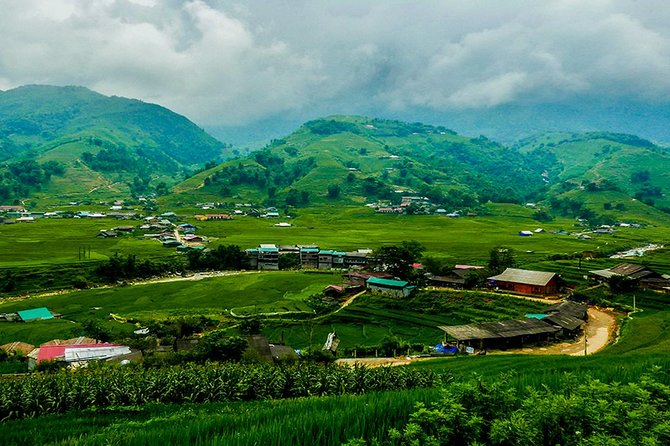
Sapa is famous for scenery, but what makes this 2D/1N hike worth your time is how quickly it moves from views to people. The route is built around visiting multiple ethnic minority villages, including Hmong (including Black Hmong), Giay, and Red Dao cultural stops, not just one quick photo opportunity.
I like that the focus isn’t only on what Sapa looks like. Your guide is set up to talk through how communities live—things like rice-field work, house-building techniques, and even Hmong marriage traditions. That’s the sort of detail that turns a walk into something you remember after the mountain photos fade.
One more practical win: the pace is “guided trekking,” not a wall-to-wall sprint. You’ll have structured meal time, a homestay night, and defined village stops across day one and day two. This matters in Sapa because weather can swing quickly, and you’ll want a plan that keeps you moving without exhausting you.
You can also read our reviews of more hiking tours in Sapa
Day 1: Hang Da Village Viewpoint Up, Then Black Hmong Daily Life Down
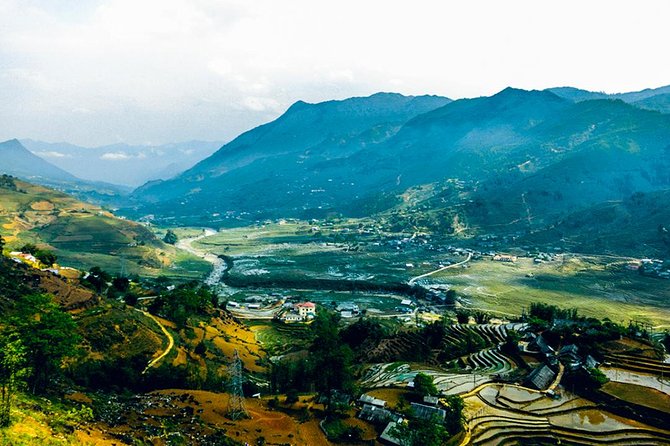
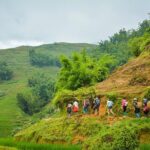
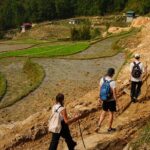
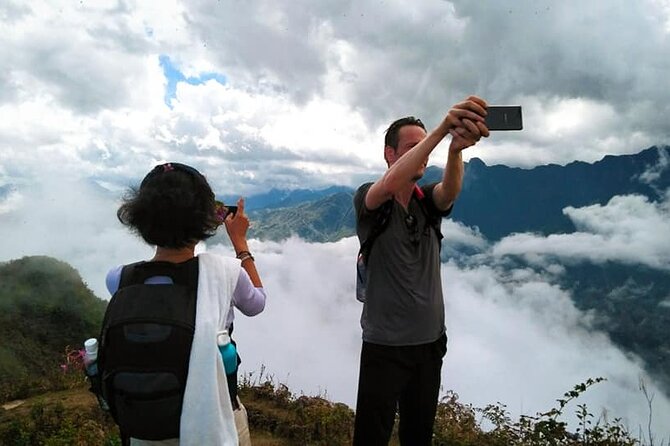
Day one starts at 9:00 am near Sapa Church (P. Hàm Rồng, TT. Sa Pa, Sa Pa, Lào Cai). After a short introduction, you’ll head out on a small trail that climbs about 1 km uphill toward the first viewpoint area. That first ascent is short enough to feel doable, but it’s long enough to give you a noticeable change in perspective—exactly what you want in a place where the valley and hills do the talking.
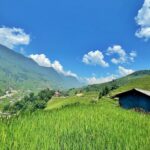
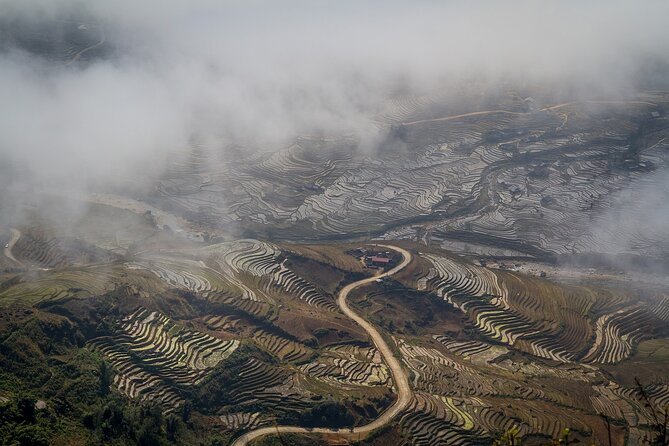
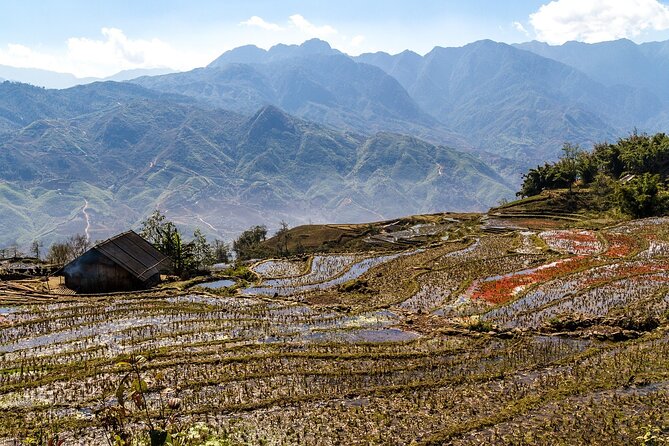
Hang Da Village stop is also where you’re meant to settle into the “why Sapa is special” part of the trip. The admission ticket is included here, which usually means you’re not just walking through a random spot; you’re entering a structured viewpoint or village area. Expect mountain views and that classic Sapa feel—height, clouds moving through, and terraced shapes showing up in the distance.
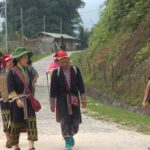
Then you shift gears after lunch. The next section takes you down the road to Hau Thao, a village of the Black Hmong ethnic minority. This is where the trip starts feeling less like scenery sightseeing and more like daily life watching. The visit is described as focused on local routines, and if timing lines up, you may see people doing the work that keeps households running.
Two tips that make this day smoother:
- Wear shoes you trust on uneven paths. The morning climb and later downhill both mean footing matters.
- Bring a lightweight layer. Even when the city feels warm, hillside walks can cool off fast once you gain elevation.
Day 1 Food and Homestay Night: The Best Part of the Value
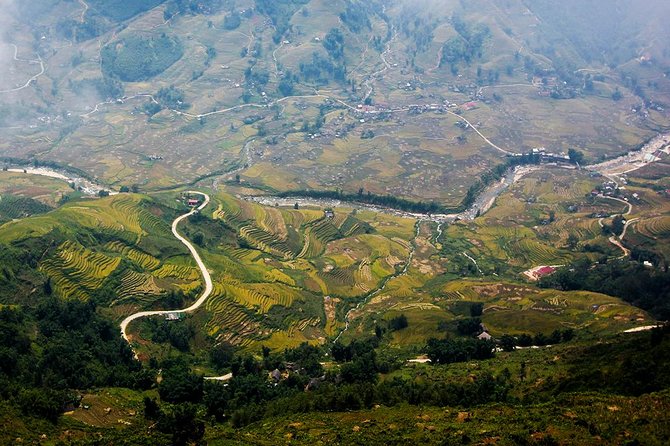
Dinner and breakfast are included, and you stay in a homestay for one night. The practical benefit is simple: you don’t have to plan meals, negotiate transport, or search for where to eat after you’ve walked all day. Your day is “done for you,” which is a big part of the appeal at this price point.
The homestay experience also gets strong praise for food and overall quality. That matters, because in many Sapa trekking deals the homestay can be more about “survive the night” than about comfort. Here, the pattern is that the meals are actually enjoyable, and the homestay setting is part of what makes the trek feel human, not staged.
You also get one big bottle of water per person included. If you’re the kind of person who drinks a lot during hikes, you’ll be grateful it’s built into the package rather than tacked on later.
Important reality check: extra drinks are not included, and tips are not included. Plan on that so you’re not scrambling at the homestay.
Day 2: Giang Ta Chai’s Waterfall Stop and the Walk to Ta Van
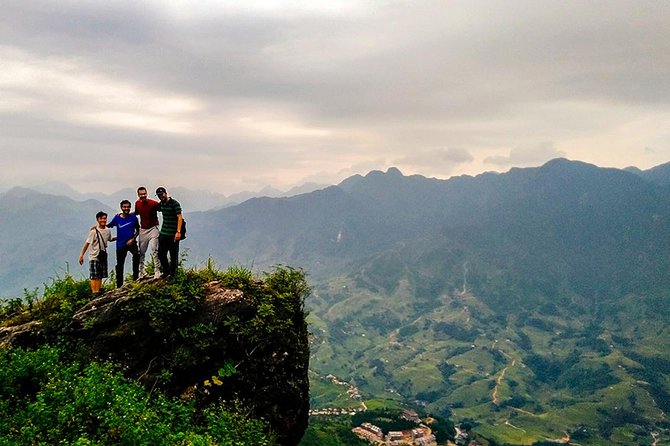
After breakfast in the homestay, you start day two with more trekking. The next highlighted stop is Giang Ta Chai Village. This part of the itinerary is described as a walk where you can see a waterfall and also take in the area’s views. An admission ticket is included here, so again, you’re entering a recognized point rather than only following a trail between scattered viewpoints.
Waterfall stops in Sapa have one side effect: they can mean damp ground and slick surfaces. You don’t need to worry—just don’t show up in flimsy sneakers. Pack footwear that can handle wet sections and uneven village paths.
From Giang Ta Chai, you head downhill to Ta Van Village. Ta Van is where you’ll see both Giay and Black Hmong communities. It’s a good close to the itinerary because you’re ending on a village where cultural variety is part of the picture, not an abstract concept.
At the end of the tour, you’re transported back to Sapa and the experience wraps back at the meeting point area.
The Culture Lesson: Hmong Marriage Traditions and More
One of the most praised parts of this trek is the way guides explain what you’re seeing. The tour is designed around learning about local life and traditions, including:
- Hmong marriage traditions
- Rice-field work
- House building techniques
- General insights into culture, customs, and everyday rhythms across the ethnic communities
This is exactly where a good guide earns their pay. Rice terraces and viewpoints are easy to market, but understanding why people build, plant, and live the way they do takes interpretation—and that’s what you’re paying for when you choose a guided package like this.
In the reviews, guide San is singled out for being very good at telling the story and explaining details. Even if you don’t get the same guide, the structure of the tour suggests you’ll spend time on commentary, not just silent trekking.
You can also read our reviews of more tours and experiences in Sapa
Price and Value: What $90 Buys You in Sapa
At $90 per person for 2 days, the best way to judge value is by looking at what’s bundled in. This isn’t just a guided walk with no support.
You get:
- 1 night homestay
- Dinner and breakfast
- Lunch (included twice)
- Village entry fees
- A local guide
- Transport back to Sapa after the trek ends
- 1 big bottle of water per person
For many travelers, that package approach is what keeps the cost reasonable: you’re paying for logistics, meals, and access, not only the guide. And because the group is kept small (up to 10), you’re not competing with a crowd for the guide’s attention.
It’s also worth noting that this tour is typically booked about 5 days in advance on average. If your travel dates are tight, it’s smart to lock it in early rather than hoping for last-minute availability.
Fitness, Timing, and What to Pack (So You Enjoy It)
This trek is described as a good fit for people with moderate physical fitness. That usually means you should be comfortable with uphill and downhill walking for stretches of time, not long endurance suffering.
What to pack based on this route’s shape:
- Good walking shoes with grip (especially for the waterfall day)
- A light rain layer or poncho. The itinerary depends on good weather, and wet paths happen around waterfalls.
- A small day bag for your essentials (water, phone, a layer)
- Extra cash for extra drinks at the homestay, since those aren’t included
- A tip budget if you want to reward your guide. Tips are not included, but many people do tip when explanations and hosting are strong
Start time is 9:00 am, so plan your morning in Sapa accordingly. If you’re staying in the area, you’ll likely want to be ready a bit before the start so you can meet the group on time.
Who Should Book This Trek, and Who Might Want to Skip It
This tour is a great match if you want:
- A short, structured 2-day trek instead of a long multi-day plan
- Real contact with Hmong, Giay, and Red Dao village life
- A homestay night that includes meals (and isn’t only a place to sleep)
- Guides who explain culture, including topics like Hmong marriage traditions and rice-field work
- A small group vibe (max 10), where conversation is easier
You might want to skip it if:
- You prefer a fully flat walk with minimal elevation changes
- You don’t want to deal with weather dependence, since the experience requires good weather and can be rescheduled or refunded if it can’t run
Should You Book This Mountain Views and Rice Terraced Fields Hike?
I think you should book it if you’re traveling to Sapa for more than just photos. The real appeal here is the blend of mountain viewpoints, village visits across ethnic groups, and a homestay night where meals are included. The consistent praise for guide San’s explanations and the quality of homestay food is a strong signal that this is run as an experience, not just a walking route.
Book it soon if you’re in a busy season window, since it’s commonly reserved about 5 days ahead. And do it with realistic expectations: you’re trekking on uneven paths with some uphill and downhill, and Sapa weather can influence what you see.
If that sounds like your kind of trip, this 2D/1N loop is a smart, good-value way to experience Sapa’s villages alongside its famous views.
FAQ
How long is the Mountain Views & Rice Terraced Fields Hiking tour?
It runs for 2 days (about 2 days total).
Where is the meeting point for the tour?
You meet at Sapa Church (P. Hàm Rồng, TT. Sa Pa, Sa Pa, Lào Cai 333100, Vietnam).
What time does the tour start?
The start time is 9:00 am.
Is pickup available?
Pickup is offered, and the tour also lists Sapa Church as a meeting point area.
What’s included in the price?
The tour includes dinner, breakfast, lunch (2 times), village entry fees, a 1-night homestay, local guide, transport back to Sapa after the tour ends in the villages, and 1 big bottle of water per person.
Is accommodation included?
Yes. You get a homestay for 1 night.
What fitness level do I need?
The tour is for people with a moderate physical fitness level.
What happens if the weather is bad?
The experience requires good weather. If it’s canceled due to poor weather, you’ll be offered a different date or a full refund.
How many people are in the group?
The tour has a maximum of 10 travelers.