REVIEW · HIKING & TREKKING
Sapa : 2-Day Trek & Heartwarming Homestay with an Ethnic Family
Book on Viator →Operated by Vietnam Nomad Trails · Bookable on Viator
Sapa feels personal on this trek. You hike through Muong Hoa valley with unforgettable rice-terrace views, then sleep with an ethnic family instead of returning to a hotel the same day. Hotel pickup and drop-off make it feel easy to start and easy to end, even if you are new to northern Vietnam.
I especially like two things: the small group size (max 10) and the way the hike turns into real conversation with local people. On my reading of the experience, guides such as Nhu, Chai, Thao nhu, and Khu are a big reason this works, because they adjust the walk and answer questions as you go. The main drawback is physical effort—this is for moderate fitness, with slippery spots possible—so you’ll want trekking shoes and warm clothes for the night (especially Oct–Mar).
In This Review
- Key things that make this Sapa homestay trek worth it
- Why this 2-day Sapa trek is a smart first-timer move
- Day 1: Sapa start, Muong Hoa valley walking, and cooking with the family
- Day 2: village footpaths, possible waterfall stops, and a slower kind of sightseeing
- The homestay part: what sleeping with an ethnic family really changes
- Guides who turn trekking into conversation (not just direction)
- Price and value: what $59 includes and what to budget
- What to pack for Sapa’s cooler weather and wet footing
- Who should book this trek (and who should skip it)
- Quick tips to get the best experience from your homestay night
- Should you book the Sapa 2-day trek and homestay?
- FAQ
- What is the duration of the trek and homestay?
- Where do I meet the group, and when does it start?
- Is hotel pickup and drop-off included?
- How big is the group?
- How physically demanding is the walk?
- What meals are included?
- What should I bring for the weather and the trek?
- What is not included in the price?
Key things that make this Sapa homestay trek worth it
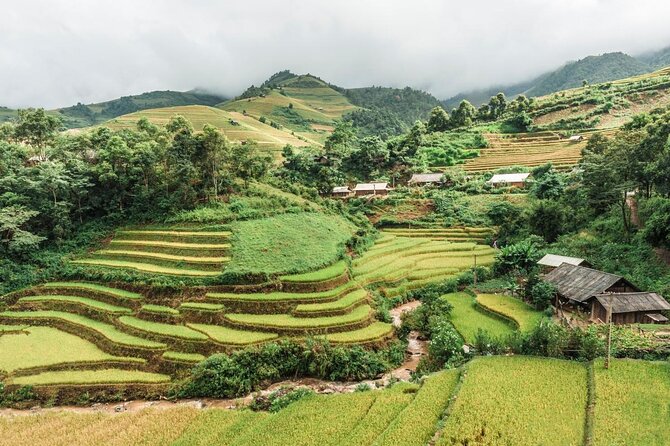
- Muong Hoa rice terraces instead of a rushed day-trip
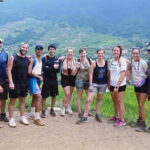
- Max 10 people, so your guide can keep an eye on the group and the pace
- A hands-on cooking class with a local family, then dinner together
- A full 1-night homestay experience (meals included)
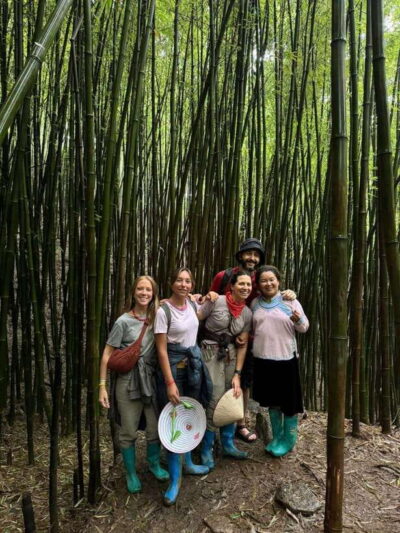
- Stops can include villages, waterfalls, and bamboo forest along the route
Why this 2-day Sapa trek is a smart first-timer move
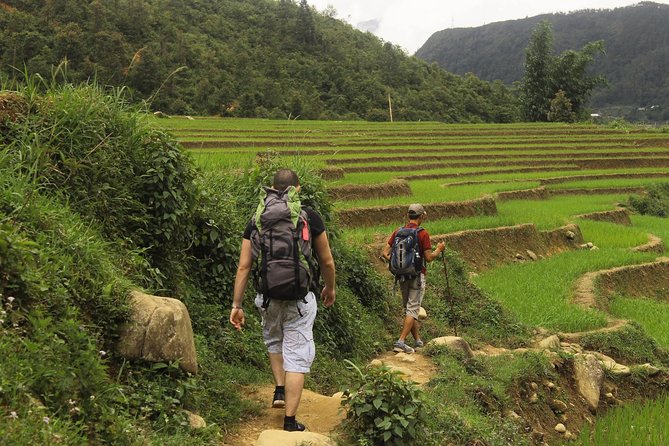
Sapa can overwhelm you at first: fog, scooters, stairs, and too many viewpoints that all blur together. This 2-day trek is different because it slows everything down. You get guided walking, meal moments, and a family stay that actually puts you into local daily life.
What I like is the balance between structure and freedom. You don’t worry about getting lost, because you’re following a guide and a planned route. At the same time, you’re not stuck inside a van for the whole day, either. You’ll spend real time on foot, moving through terraced fields and village paths at a human pace.
And yes, the guides matter here. Names like Nhu, Chai, Thao nhu, and Khu come up again and again, usually for the same reason: they keep things friendly, clear, and practical while you hike.
You can also read our reviews of more hiking tours in Sapa

Day 1: Sapa start, Muong Hoa valley walking, and cooking with the family
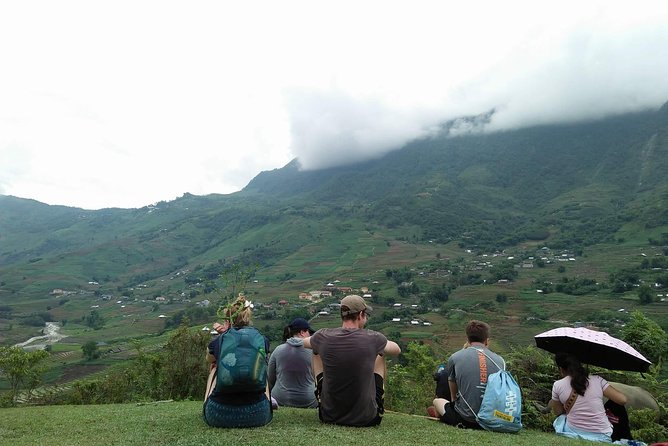
You start at 9:00 am with a meeting point at Nomadtrails Boutique Hotel (015 Tue Tinh, Sapa). If you’re the type who arrives right on time, I’d nudge you to arrive 15 minutes early, since you want time to check in and settle your gear.
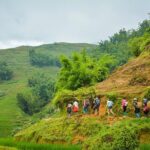
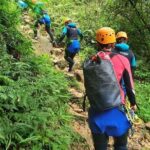
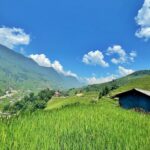
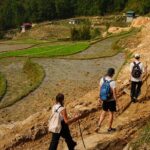
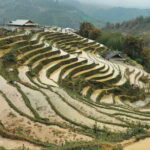
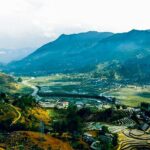
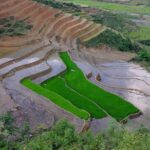
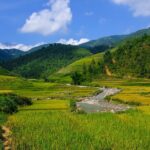
From there, you’ll move into the scenic walking zone around Sapa, with Muong Hoa valley as a highlight. This is where the famous Sapa look shows up in a way that feels close-up instead of postcard-far. Rice terraces cascade down the mountainsides, and you can actually feel the slope and the steps underfoot.
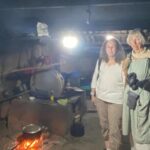
A big part of Day 1 isn’t only hiking. You’ll join a hands-on cooking class led by the homestay family, then share dinner with them. That combination changes the mood of the day: you go from watching daily work and fields outside to learning how food gets made inside the home.
Practical note: if you are not used to uneven paths, take it slow on the first climbs. Early on you’re still figuring out where the footing is solid and where it turns slick after mist or rain.
Day 2: village footpaths, possible waterfall stops, and a slower kind of sightseeing
Day 2 continues with walking through the areas around Sapa that many people come to see on foot. In the routes people describe, you may pass through places such as Ta Ta Phin and Lao Chai, plus stretches that include bamboo forest and even a waterfall stop.
Even if your exact route differs, the tone is consistent: you’re not doing a sprint between viewpoints. You’re walking between smaller worlds—villages, farm paths, and moments where you can pause and look around without feeling rushed by a bus schedule.
This is also where having a guide who can manage timing becomes useful. Some routes include spots where you’ll want a quick stop for photos or a short break, and your guide can help you do that without stretching the day into chaos.
If you get cold easily, remember that mornings can be crisp in Sapa, even when you think it will warm up fast. Layering is your friend.
The homestay part: what sleeping with an ethnic family really changes
The homestay night is the heart of this experience, and it’s more than a marketing line. Sleeping in a local home changes what you notice. Instead of seeing a village as a photo backdrop, you start paying attention to daily rhythms: how meals happen, how conversations flow, and how people structure their space.
You’ll get 1 breakfast in the homestay and 1 dinner with a local family. On top of that, there are 2 lunches included at local restaurants. This matters because it removes the awkward guessing game about what’s safe to eat and what’s worth your time.
You’ll also be asked to respect local culture. That’s not just a polite add-on—simple things like being mindful with your behavior and staying open to how the household lives will make your night smoother and warmer.
Also, bring your “curious, not intrusive” mindset. Ask questions. Notice details. But don’t treat people like a roadside exhibit.
Guides who turn trekking into conversation (not just direction)
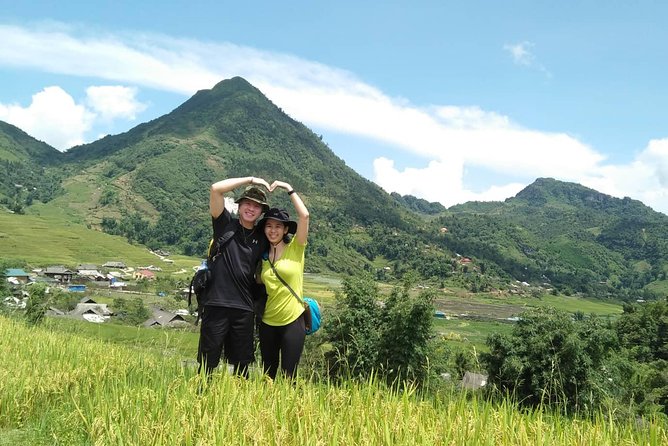
One reason this trek scores high is the guide experience. Names you’ll likely see include Nhu, Chai, Thao nhu, and Khu, and the common theme is practical friendliness.
A good guide does three things at once:
- Keeps you moving at a safe pace
- Explains what you’re seeing as you walk, not after you leave
- Handles questions without making you feel like you’re slowing the group
If you want language help, this is one of those tours where English support is often strong. Guides are described as speaking English well and answering questions readily, so you don’t have to rely only on your phone to understand the places you pass through.
And if you are traveling solo or as a couple, a small group helps. You get time to talk, not just stand in a line.
You can also read our reviews of more tours and experiences in Sapa

Price and value: what $59 includes and what to budget
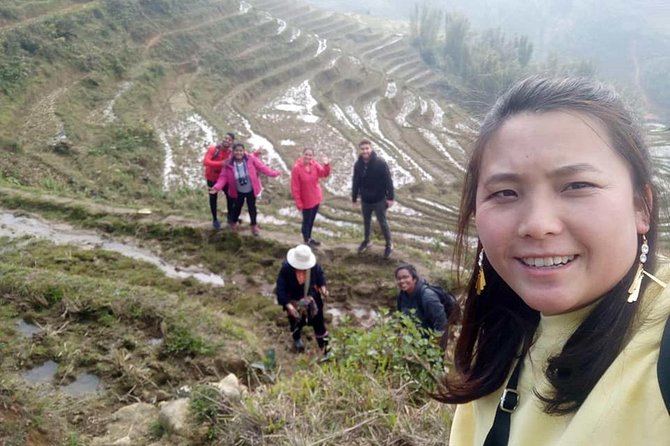
At $59 per person for a 2-day Sapa trek + 1-night homestay, this is priced like a full experience, not a basic hiking tour. What you get for that money adds up fast in a place where tours often charge extra for food and transport.
Included in the price:
- Hotel pickup and drop-off
- Air-conditioned vehicle
- Bus back to Sapa center
- 1 night homestay accommodation
- 2 lunches at a local restaurant
- 1 dinner with the homestay family
- 1 breakfast at the homestay
- Mineral water provided each day (small amount per person)
Not included:
- Beverages
- Travel insurance
- VAT
- Personal expenses
So the real budgeting question is simple: you’ll likely spend extra on drinks and any personal purchases during the trip. If you’re careful with bottled water and snacks, you can keep it tidy.
Value-wise, the biggest win is that your money supports local meals and a family stay—not just a guide and a route map. If you want Sapa on foot with cultural context, this price-to-experience ratio is strong.
What to pack for Sapa’s cooler weather and wet footing
Sapa weather can flip between cool and damp, especially from October to March, so warm layers matter. Here’s what I’d treat as non-negotiable based on what the tour asks you to bring:
- Trekking shoes with grip (wet stone and mud happen)
- Warm clothes for the night
- Sunglasses (yes, even when it looks gray)
- Sunscreen
- Insect repellent
- Clothes you don’t mind getting a little dirty
Also, bring a small daypack. You’ll want water and small essentials, but you don’t need to pack like you’re climbing a mountain.
If you are prone to blisters, tape or blister patches are worth it. On uneven trails, prevention beats cure.
Who should book this trek (and who should skip it)
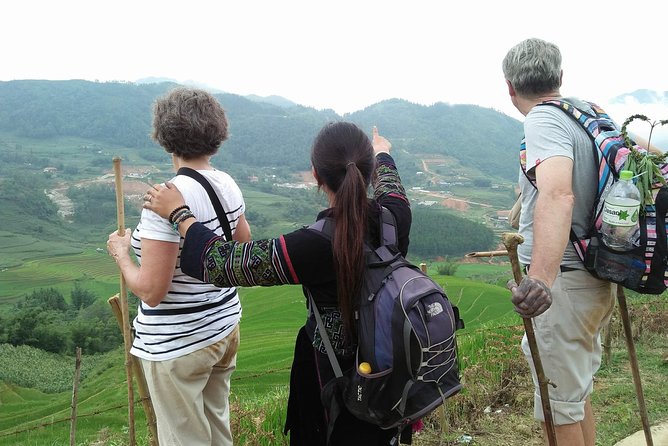
This works best for:
- First-time visitors to Sapa who want more than a quick look
- People who like hiking but want it managed (no navigation stress)
- Travelers who care about meeting local families and learning daily routines
- Couples, small groups, and solo travelers who want a calmer pace
It may be less ideal for you if:
- You dislike any moderate uphill/downhill walking
- You struggle with slippery surfaces
- You need a fully private, no-contact style of travel (homestays involve social interaction)
The tour asks for moderate physical fitness, which is a fair label. You’re not doing anything extreme, but you do need comfortable legs and steady footing.
Quick tips to get the best experience from your homestay night
- Keep your attitude open. You’re there to learn, not to judge.
- Ask questions about daily life, then listen more than you talk.
- Be ready for different meal styles and household schedules.
- Dress in a way that respects the setting, especially indoors.
Small actions make a big difference. And when it goes well, that’s the kind of memory you remember long after the trail fades.
Should you book the Sapa 2-day trek and homestay?
Yes, if you want Sapa that feels grounded in real life, not just views. This tour’s strength is the combination: guided walking through terraced valleys plus a genuine family stay with cooking and shared meals. The small group size also makes it easier to feel cared for and to ask questions as you go.
Book it if:
- You like hiking but want guidance and structure
- You’re excited by cultural meals and home-based experiences
- You want a two-day plan that actually uses the time in the mountains
Consider another option if you want:
- Fully level walking all day
- A standard hotel-only experience
- Minimal interaction with local families
FAQ
What is the duration of the trek and homestay?
It’s a 2-day experience, including 1 night of homestay accommodation.
Where do I meet the group, and when does it start?
You meet at Nomadtrails Boutique Hotel, 015 Tue Tinh, Sapa, and the start time is 9:00 am. Plan to arrive 15 minutes early.
Is hotel pickup and drop-off included?
Yes. Hotel pickup and drop-off are included, and an air-conditioned vehicle is part of the plan.
How big is the group?
The experience is capped at a maximum of 10 travelers.
How physically demanding is the walk?
You should have moderate physical fitness. The tour notes that trails can be slippery, so trekking shoes matter.
What meals are included?
You’ll get 2 lunches at local restaurants, 1 dinner with the local family, and 1 breakfast in the homestay.
What should I bring for the weather and the trek?
Warm clothes are recommended for Sa Pa from October to March. Bring trekking shoes, sunglasses, sun cream, insect repellent, and clothes for the night.
What is not included in the price?
Beverages, travel insurance, VAT, and personal expenses are not included.