REVIEW · HIKING & TREKKING
Sapa: Ta Phin Village Trek with Lunch and Bathing Experience
Book on GetYourGuide →Operated by HELEN · Bookable on GetYourGuide
Sapa turns into real life on this trek. It strings together Hmong and Dao traditions with rice-paddy walking, then ends with a local herbal bath in Ta Phin.
I really like two things here: the chance to meet people and see everyday culture up close, and the views and farming scenery during the hike. The day also stays well organized for a 9-hour plan.
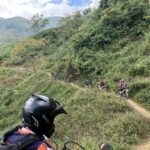
One main consideration: this is still a real hike, with stretches on uneven paths and cave steps that require steady footing. If you hate walking, you might feel underwhelmed.
In This Review
- The big idea: why this Ta Phin trek feels different
- Key highlights to know before you go
- The day’s route: from Hoàng Văn Thụ to Ta Phin Cave
- Suoi Ho and the Black Hmong village: what you’ll actually see
- Ma Tra lunch: why eating with a Hmong family is more than a meal
- Ta Phin village: Hmong marriage traditions and Red Dao herbal expertise
- Ta Phin Cave: cool air, dark steps, and good shoes
- Herbal bath experience: the best part to plan after trekking
- Pace, weather, and who should (and shouldn’t) book
- Value check: is $28 worth it in Sapa?
- Small-group realities: sellers and the Ta Phin feel
- Should you book this Ta Phin trek?
- FAQ
- How long is the Ta Phin Village trek?
- Where does the tour start from?
- What’s included in the price?
- What should I bring?
- Is a child allowed on this tour?
- Are there restrictions during the trek?
- Is the guide available in English?
The big idea: why this Ta Phin trek feels different
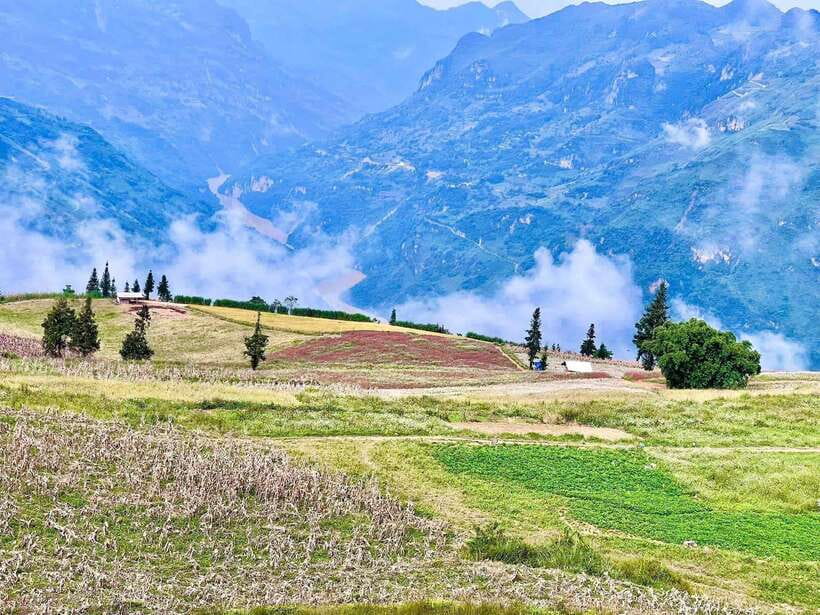
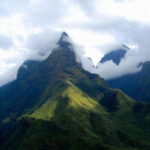
This tour works because it doesn’t just drop you at a viewpoint. You start in the countryside around Sapa—cardamom trees in the valleys, small villages with old houses, then rice paddies you walk right through. By the time you reach Ta Phin, you’re not seeing a “tour stop.” You’re seeing how the community lives.
Ta Phin also matters because it’s described as a living village of Hmong and Dao life. That means the visit is less about performances and more about daily practices—like how women make brocade goods to sell, and what Ta Phin Cave looks like when it’s part of local geography, not a theme park.
And then there’s the bath. After hours of trekking, a herbal remedy soak can feel like someone finally turned the pain volume down.
Key highlights to know before you go
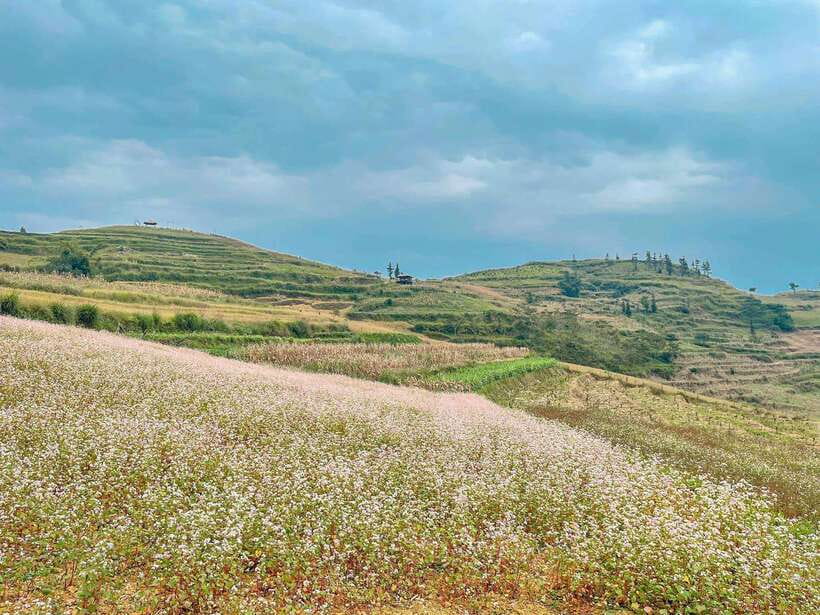
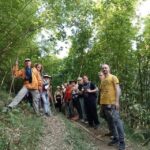
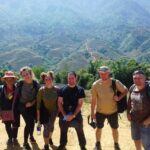
- Small-group trekking (up to 10) for a more personal pace with an English-speaking guide
- Cardamom valleys and Black Hmong village Suoi Ho early in the day, before the busiest crowds build
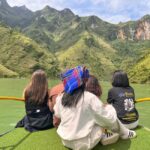
- Ma Tra lunch with a Hmong family in a spot with big mountain views
- Ta Phin Cave visit plus village time to see brocade-making by local women
- Herbal bath experience as the emotional reset button after hiking
You can also read our reviews of more tours and experiences in Sa Pa
The day’s route: from Hoàng Văn Thụ to Ta Phin Cave
You’ll get picked up around 9:00 from your accommodation. The van then runs you to the meeting area near 01 Hoàng Văn Thụ (also tied to the massage discount later). From there, the tour quickly shifts from car time to foot time.
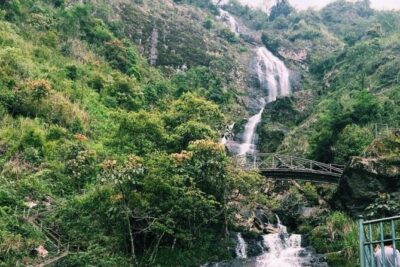
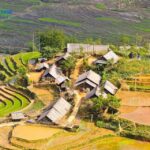
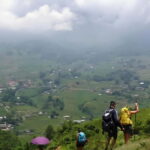
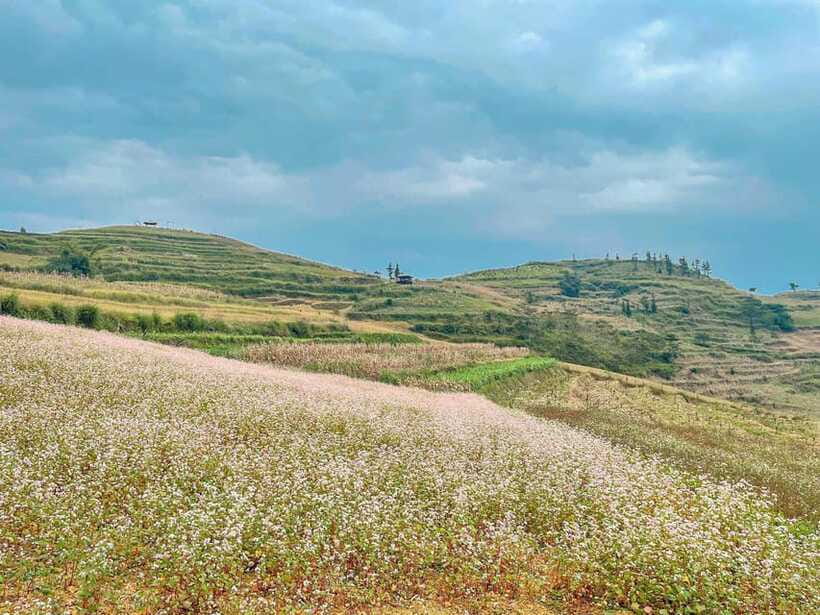
The first walk is short but scenic. You’ll move along a small trail to see cardamom trees in the valleys, then continue down toward Suoi Ho, a village of the Black Hmong minority. Expect smaller, older village houses and a feel for how daily life blends with the mountains around Sapa.
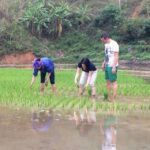
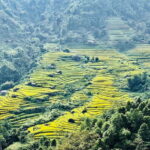
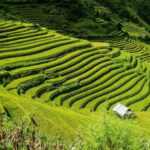
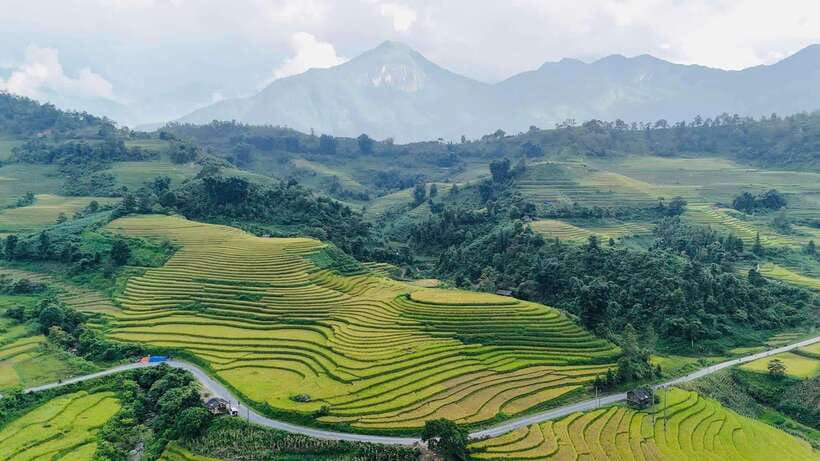
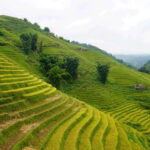
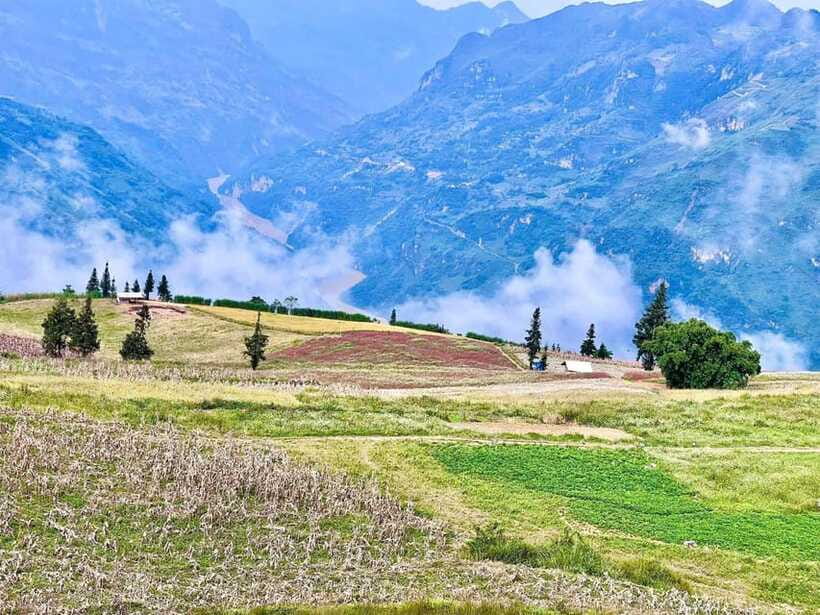
Next comes the working-farm part of the day. You’ll hike on a small road inside the rice paddies toward Ma Tra village. This segment is one of the best values of the itinerary because you’re not just passing scenery—you’re walking through the environment that locals farm every season. You also may encounter common animals used by local people, like water buffalo, chickens, dogs, and pigs.
Finally, you head toward Ta Phin village, with the option to see Ta Phin Cave during village time. The cave visit is part of the experience flow, not a separate tour. That’s convenient, but it also means you should be prepared to shift your footing and pace once you’re underground.
Transport back to Sapa usually happens in the 16:30–17:00 window, depending on how the day runs.
Suoi Ho and the Black Hmong village: what you’ll actually see
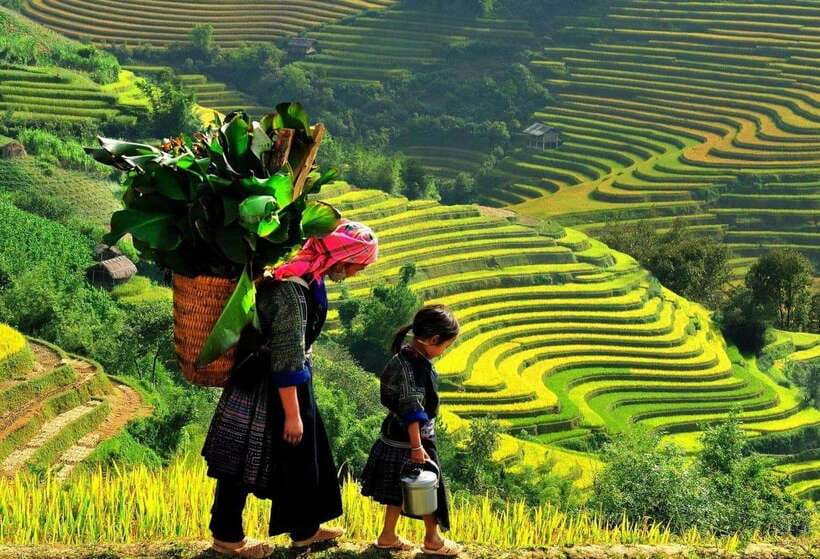
The Suoi Ho stop isn’t about ticking a checkbox. It’s a chance to observe how the settlement sits in a real mountain setting—small homes, daily routines, and animals that are part of normal life. In this area, you’ll likely notice how the village and surrounding farmland shape each other.
If you’re curious about ethnic cultures in northern Vietnam, this is the early anchor point. You’re not rushing straight to Ta Phin. You get a baseline for what “village life” looks like here before moving on to Hmong and Dao traditions later in the day.
A practical tip: keep your questions simple and respectful. You’re moving through someone’s normal day, not museum rooms.
Ma Tra lunch: why eating with a Hmong family is more than a meal
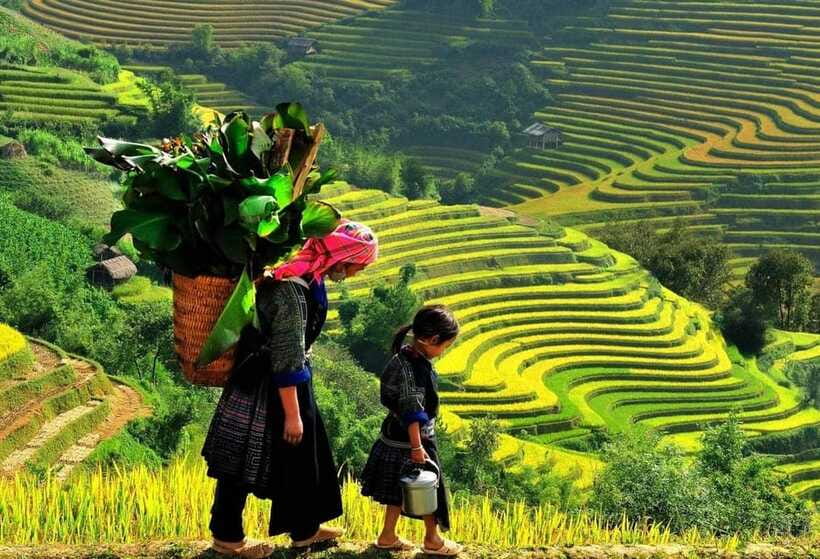
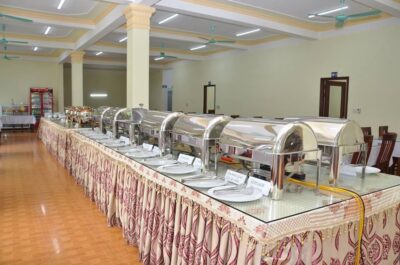
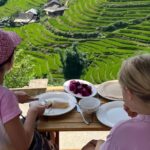
Lunch is served around midday at a small restaurant run by a traditional Hmong family. The big practical win is that you eat somewhere with mountain views instead of a generic restaurant stop.
The day’s schedule is built so lunch happens when you’ve already earned it—after the rice-paddy walking and the first village section. That matters because it sets expectations. You won’t feel like lunch is an interruption. It feels like a checkpoint.
Also, you’re getting more value here than just food. With a local guide, the meal becomes part of the cultural context: how farming supports food, how daily schedules work, and what people consider important.
Two things to plan for:
- Drinks at lunch aren’t included, so bring a little extra cash if you want something beyond water.
- The restaurant is local. That’s part of the charm, but you should expect basic comfort.
Ta Phin village: Hmong marriage traditions and Red Dao herbal expertise
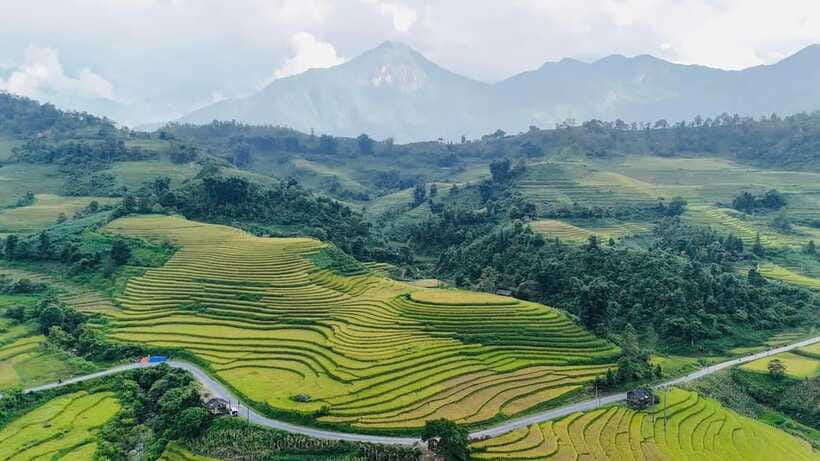
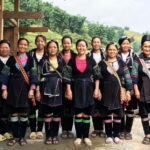
Ta Phin is the cultural center of the day. You’ll spend break time and guided visit time in the village area. This is where the tour’s ethnic focus becomes more specific.
Here’s what you can look for:
- Hmong people are noted for unique marriage traditions.
- The Red Dao are described for herbal medicine knowledge and using plants from the land to treat illnesses.
In real terms, this means your guide’s storytelling can feel more grounded. Instead of hearing general statements, you’re seeing a village environment where herbal knowledge and plant use are part of life.
You’ll also see women make brocade products to sell. This isn’t just a craft demonstration. It’s tied to household income and identity—so it helps you understand why textiles matter here.
You can also read our reviews of more hiking tours in Sa Pa
Ta Phin Cave: cool air, dark steps, and good shoes
Ta Phin Cave is included, and that’s a big plus for people who love a bit of mystery. The cave goes deep into the mountains, so it’s not just a quick look from the entrance.
But cave time changes how you move. It can be dark and can feel slippery depending on conditions. If you tend to wear thin-soled shoes, this is where you’ll pay for it.
What I suggest:
- Wear comfortable, grippy shoes.
- Slow down before you need to.
- Don’t rush the group. In tight cave spaces, one fall can turn a fun detour into a stress moment.
If you’re the type who gets uneasy in low-light spaces, you can still do this cave well—but keep your pace controlled.
Herbal bath experience: the best part to plan after trekking
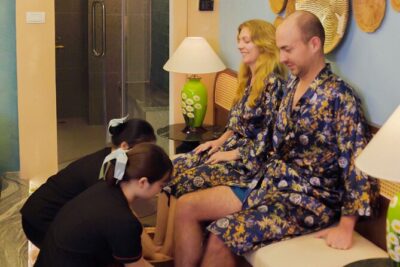
After walking and cave time, you’ll head to the bathing place for a herbal bath experience—designed to relax you after the long trek.
What makes it memorable is the intention. This isn’t a random spa stop. It’s framed as a local remedy, connected to the region’s herbal traditions you’ve already heard about around Ta Phin and Dao knowledge.
You typically get time for soaking, and the experience is described as having options like bathing in private or sharing spaces. Either way, the real win is recovery: warm herbal water after hours on foot can reset your body fast.
A quick expectation check: this is still a local facility. One review experience described the bathing area as small and damp. That doesn’t mean it’s unsafe, but it does mean you should go with practical expectations rather than thinking of a luxury setting. Bring a towel if you need one, and plan for minimal comfort frills.
Pace, weather, and who should (and shouldn’t) book
This tour is 9 hours, with trekking and multiple village stops. You’ll want to assume you’re on your feet most of the day. Even when there are photo stops and guided time, the walking adds up.
Bring:
- Comfortable shoes
- Hat
- Sunscreen
- Water
- Insect repellent
- Camera
Also, plan for weather swings. Sapa can change quickly, so sunscreen and a hat still matter even if clouds roll in. For the hike itself, you’ll likely want to have some extra snacks ready too, since your main food moment is lunch.
Who it’s a fit for:
- People who like rural walking and cultural interaction
- Anyone okay with a moderate-to-brisk pace for a long day
Who should think twice:
- Children under 6, pregnant women, people with back problems, mobility impairments, or wheelchair users (the tour involves considerable walking and uneven steps)
Value check: is $28 worth it in Sapa?
At about $28 per person for a 9-hour day, the value comes from what’s included and what’s not.
Included:
- Pickup and drop-off from your accommodation
- Guide (English)
- Lunch at a traditional Hmong family restaurant
- Ta Phin Cave entrance
- Herbal bath experience
Not included:
- Drinks at lunch
- Tips for the guide
- Personal expenses
So what are you really paying for? A big chunk is the logistics plus access. Pickup, cave entry, and the herbal bath are the kind of things that can cost more if you do them separately. Then you add the guide time and cultural context, which is hard to replicate on your own without wasting hours.
Also, the small group size (limited to 10) helps value. If you get a guide who can pace the day and answer questions, that’s where the “cheap enough, worth it” feeling happens.
One more value kicker: after your trip, you get a 20% discount on massage at Massage Lits, 01 Hoang Van Thu. That’s a nice way to finish the day—especially if your legs feel like they’ve been audited.
Small-group realities: sellers and the Ta Phin feel
Even when a trek feels quiet, trails can bring foot-traffic from people selling items. You might get approached while walking. The best approach is calm and polite: a simple no is usually enough, and you don’t owe anyone a long conversation while you’re trying to keep a steady pace.
Also, remember this is village area access. The tour data is clear on respectful behavior:
- no smoking
- no littering
- don’t feed animals
- don’t touch plants
If you follow that, you help keep the experience comfortable for everyone.
Should you book this Ta Phin trek?
Book it if you want a single-day Sapa plan that mixes rice-paddy walking, Hmong and Dao culture, Ta Phin Cave, and a herbal bath—without needing to coordinate anything yourself. The small group size and English guide make it especially easy to get context without feeling lost.
Skip it (or look for a different option) if you want a gentle, low-effort stroll. This route includes substantial walking and cave steps, and the day can feel more “on the move” than “pause and chat.”
If you do book, go with grippy shoes, sunscreen, water, and the mindset that village time is for observing and asking thoughtful questions—not treating the day like a photo set.
FAQ
How long is the Ta Phin Village trek?
The tour runs for 9 hours.
Where does the tour start from?
The meeting point is near 01 Hoàng Văn Thụ (including Massage Lits).
What’s included in the price?
Pickup and drop-off from your accommodation, a guide (English), lunch at a traditional Hmong family restaurant, Ta Phin Cave entrance, and a herbal bath experience.
What should I bring?
Wear comfortable shoes and bring a hat, camera, sunscreen, water, and insect repellent.
Is a child allowed on this tour?
This tour is not suitable for children under 6 years.
Are there restrictions during the trek?
You should not smoke, litter, feed animals, or touch plants.
Is the guide available in English?
Yes. The tour includes a live English-speaking guide.