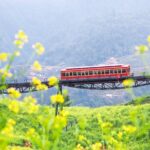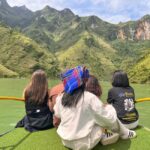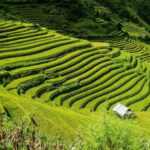
Rice terraces that feel close enough to touch.
I like how this 1-day Sapa trekking route keeps things small-group and human-scaled, with real village stops instead of just passing viewpoints. Two highlights I’m excited about are the amazing terraced-field views and the chance to learn from an authentic local Hmong guide (with English support). One thing to consider is the walking time and uneven paths, so this is not a good fit if you’re looking for a low-effort stroll.
You start in Sa Pa town at 9:00am, right near Sa Pa Church, and spend the day moving through rice terraces and mountain valleys in a way that makes the scenery feel earned. Along the way, you’ll get a family-style lunch cooked with local food, plus water, which is a big deal on a hike that lasts about 5 hours. The only potential snag is transportation expectations: the tour advertises pickup included, but one booking found the return ride required a taxi payment at the end.
This is also a tour that pays attention to culture, not just photos. You’ll see and learn about traditional clothing linked to the Black Hmong, Flower Hmong, Red Hmong, Tay, and Dzay groups, and the day ends in Ta Van where Dzay and Hmong communities live together. If you want terraced fields plus context on who lives there and how, this route makes sense.
In This Review
- Key things to know before you go
- Why This 5-Hour Sapa Trek Feels Like a Local Walk
- Getting Started at Sa Pa Church and Timing Your Day
- Y Linh Ho: Terraces First, Then a Real Village Lunch
- Down the Muong Hoa River to Lao Chai’s Black Hmong Village
- Learning the Meanings Behind the Clothing You See
- Ta Van Finish: Rolling Terraces and a Dzay–Hmong Community
- Price and Logistics: Is $24 Good Value for This Day?
- What’s Included, What to Bring, and What Not to Wear
- Pace, Weather, and “Can You Amend the Trek?”
- Who This Trek Suits Best (and Who Should Skip It)
- Should You Book This 1-Day Sapa Terraced Fields Trek?
- FAQ
- What time does the tour start?
- How long is the trekking experience?
- Where is the tour meeting point?
- Is lunch included?
- Is water included?
- What languages do the guides speak?
- How big is the group?
- Does it include pickup in Sapa?
- What should I wear or bring?
- Who is this tour not suitable for?
Key things to know before you go
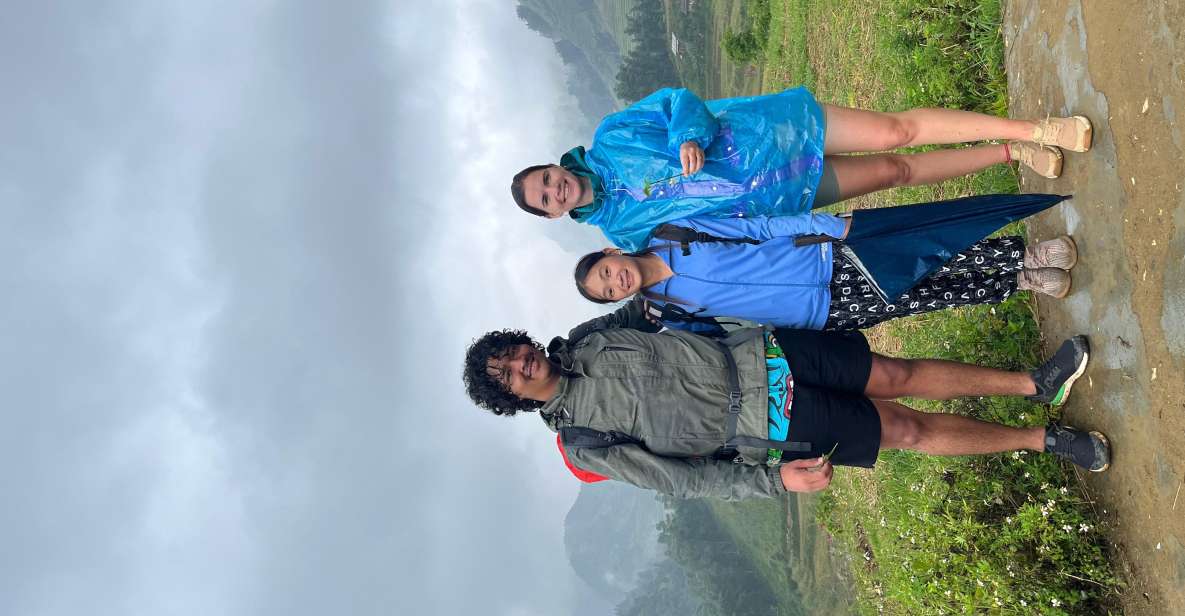
- Small group of up to 10 keeps the vibe calm on narrow paths and in villages
- English and Vietnamese guide so you get explanations, not just directions
- Y Linh Ho lunch is family-style, including vegetarian options
- Muong Hoa river route connects valleys and viewpoints in a logical flow
- Village-to-village trek links Lao Chai and Ta Van with terraced scenery throughout
- Cultural clothing lessons help you connect the landscape to real people and traditions
Why This 5-Hour Sapa Trek Feels Like a Local Walk
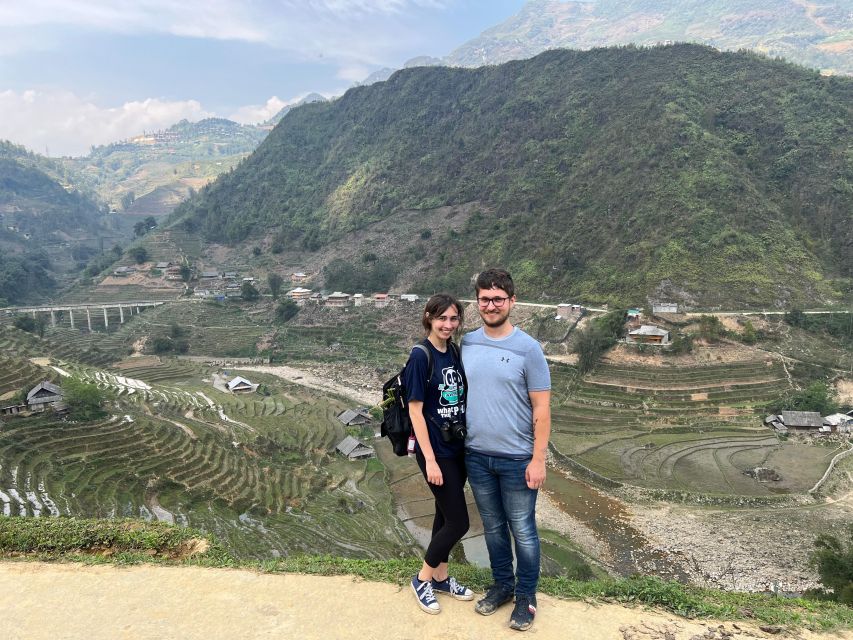
Sapa trekking can go one of two ways: you either hike with a script of big stops, or you move through the countryside at a pace where you actually notice details. This one stays in the second lane. The day is short enough to feel doable, but the route covers enough ground to make the terraced views matter.
I like that you’re not stuck in one village. You move from Y Linh Ho to Lao Chai along the Muong Hoa river, then finish in Ta Van. That progression matters because you see how terraced fields, valleys, and river life connect across different communities.
The other part I value is the guide relationship. You’re learning from an authentic local Hmong guide, and there’s English support available during the walk. In one booking, the guide’s mother provided explanations in English at a good level, which made the route feel more like conversation than a lecture.
You can also read our reviews of more hiking tours in Sa Pa

Getting Started at Sa Pa Church and Timing Your Day
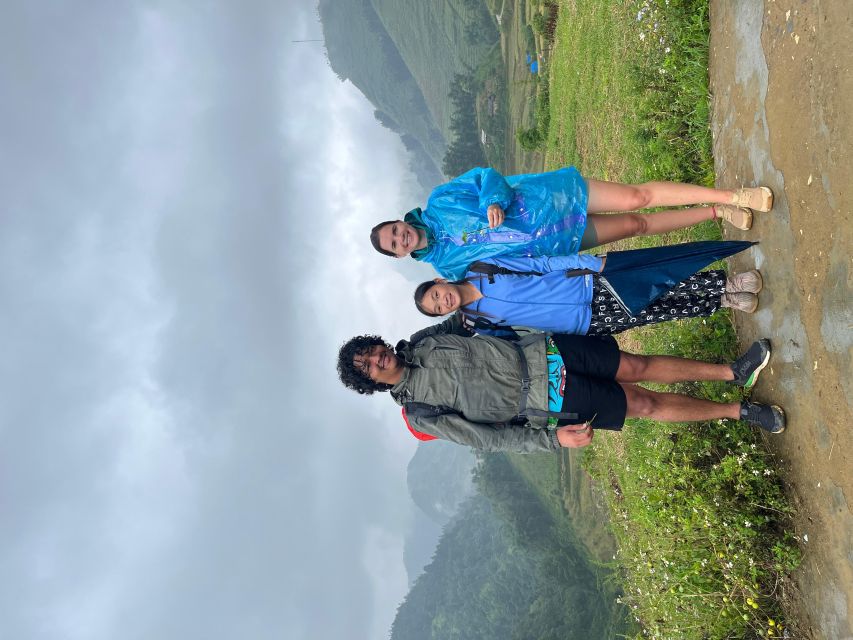
You meet at 9:00am at Sa Pa Church in Sa Pa town. Starting at a fixed time is useful in Sapa because weather can shift quickly, and you’ll want daylight for the terraces.
The tour runs until about 2:00pm, with a total duration listed as around 5 hours for the trek experience. That timing usually works well if you’re trying to fit Sapa trekking into a larger travel plan without losing half the day.
Pickup is included, and they say they can pick you anywhere in Sapa. Still, I’d treat transport as a “confirm with the operator” item when you book. One verified booking had pickup covered but found the return taxi wasn’t included and had to be paid separately, while the return out of town required taxi planning. If you’re staying close to Sa Pa Church, you might have an easier time; if you’re farther out, ask how the return works.
Y Linh Ho: Terraces First, Then a Real Village Lunch
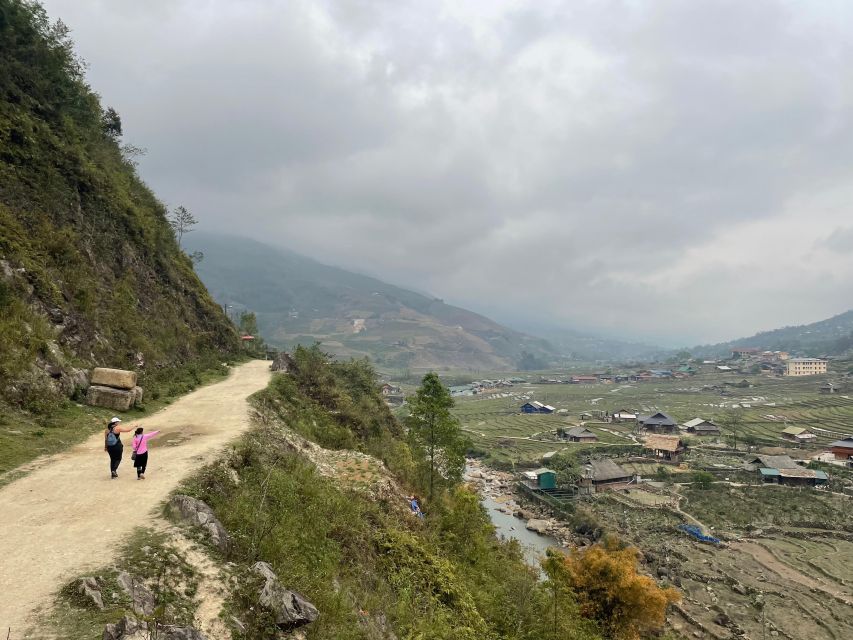
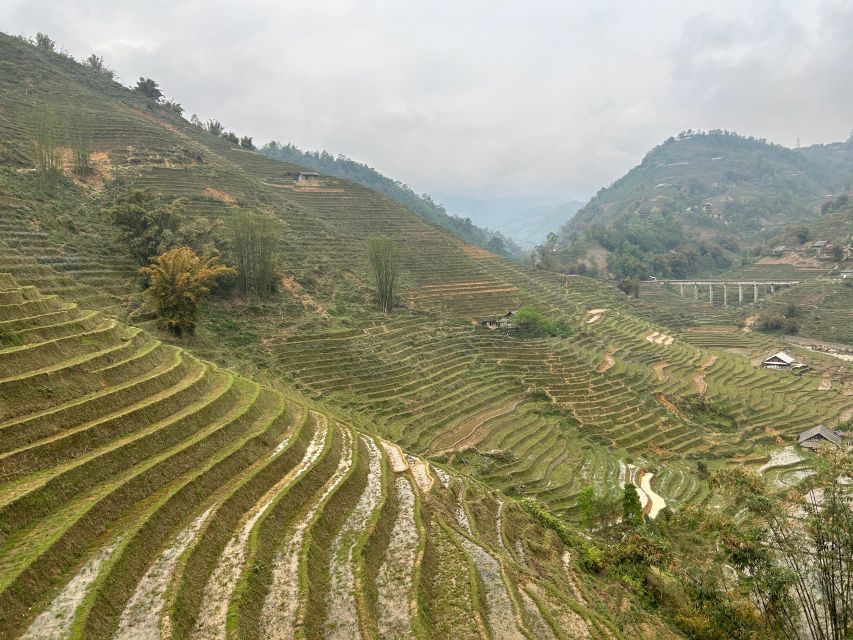
Your route begins with a trek through rice terraces and mountain valleys to Y Linh Ho village. This is where the day’s “wow” starts to build, because the terraces are right in the middle of the path experience, not just something off to the side.
Y Linh Ho is also your lunch stop. The lunch is family-style and cooked in village local food, and vegetarian options are available. That matters because it solves the classic hiking problem: you don’t have to hunt for food during a tight morning.
I also like that the lunch is part of the flow, not an awkward long break. You stop, eat, refuel, then continue along the river and terraces with your energy still decent.
Practical note: plan for a few minutes of settling in, eating, and then stepping back onto uneven ground. Wear shoes that won’t slip if the path is damp.
Down the Muong Hoa River to Lao Chai’s Black Hmong Village
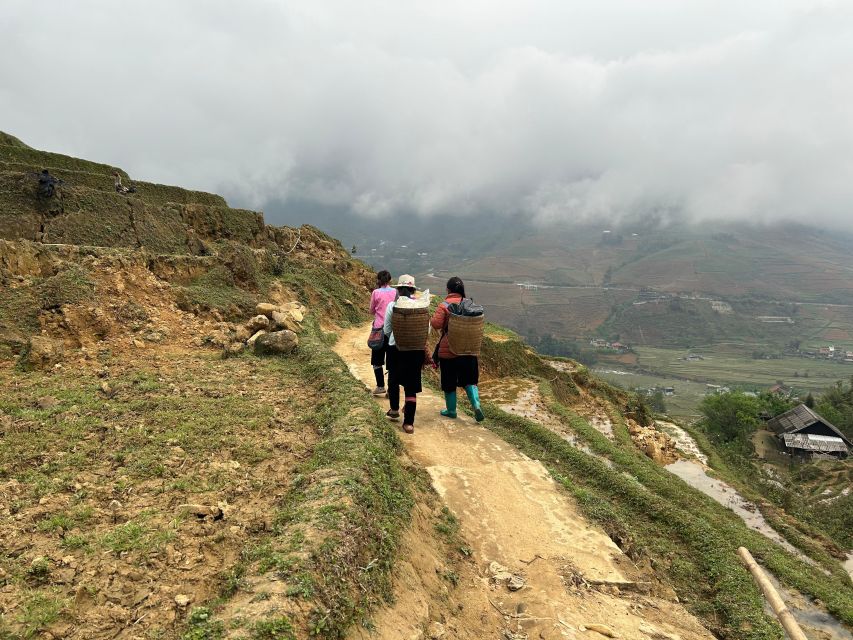
After Y Linh Ho, you trek through rice terraces and incredible mountain valleys along the Muong Hoa river toward Lao Chai, a Black Hmong village. This is one of the most scenic segments because the river helps “organize” the valleys, so the view feels structured, not random.
Along the way, you’ll see the Hoang Lien Son Mountain area. Even if you don’t know every peak, seeing the mountain frame around villages and terraces makes the region click.
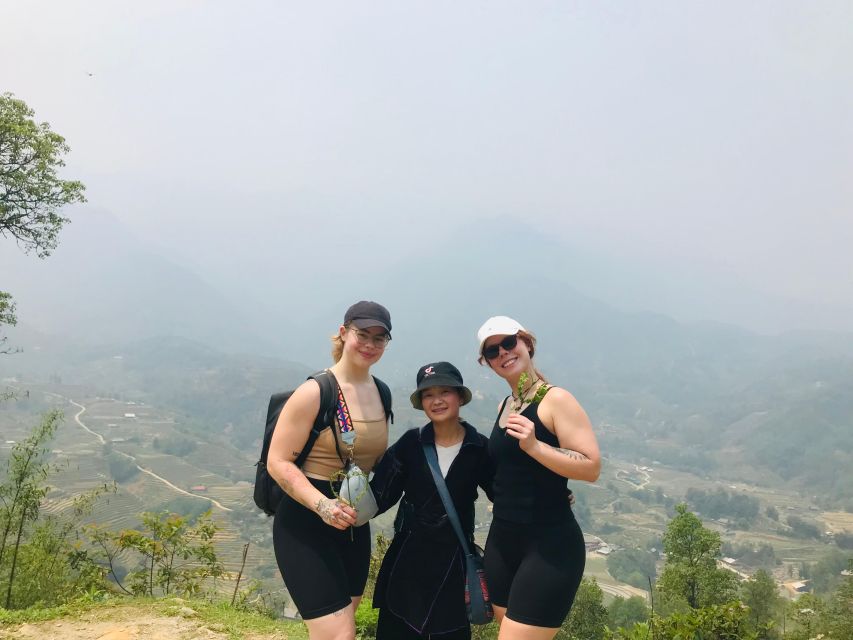
In Lao Chai, you get spectacular panorama views of the village, river, and mountains stretching as far as you can see. This is the part where you’ll want your camera ready, but also a moment to just stand still. Terraced scenery is dramatic in photos, but in person it’s the scale that surprises you.
Expect some back-and-forth with elevation. The route is described as trekking through valleys and rolling rice terraces, so you’re not doing a flat walk.
Learning the Meanings Behind the Clothing You See
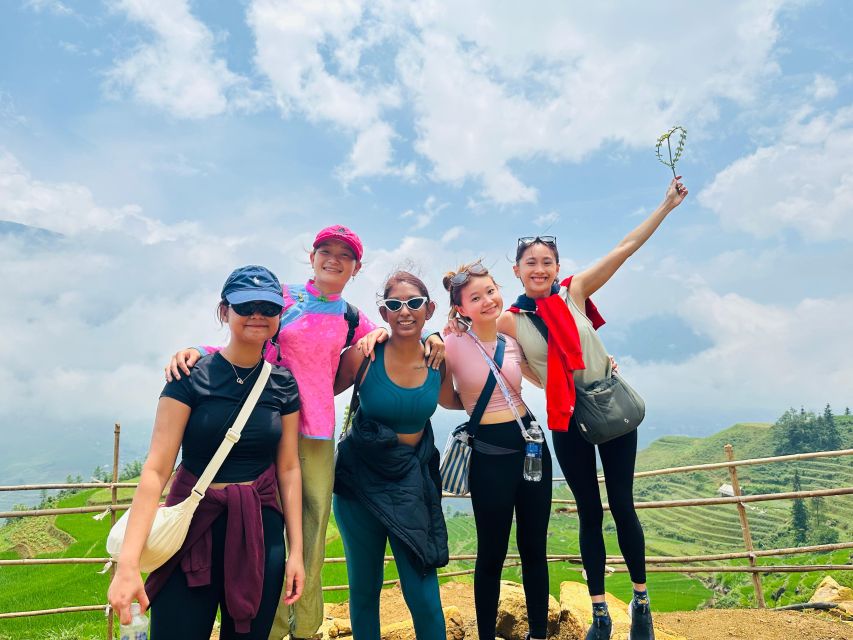
This tour doesn’t treat culture like a side quest. In Lao Chai, you learn about and see traditional clothing from multiple groups, including Black Hmong, Flower Hmong, Red Hmong, Tay, and Dzay ethnic tribes.
I like this approach because it helps you read what you’re seeing. Instead of just admiring outfits, you connect clothing to identity and community. You’re on foot through the villages, so the information feels relevant in the moment.
One helpful thing from the experience reports: the guide and family members can explain along the route in a way that works for English speakers. That’s important on a cultural trek, because the value isn’t just the photos—it’s the understanding you leave with.
If you’re the type who enjoys learning as you go, you’ll probably appreciate this part more than you expect.
You can also read our reviews of more tours and experiences in Sa Pa
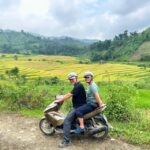
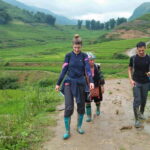
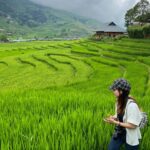

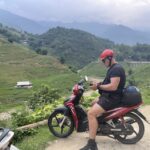
Ta Van Finish: Rolling Terraces and a Dzay–Hmong Community
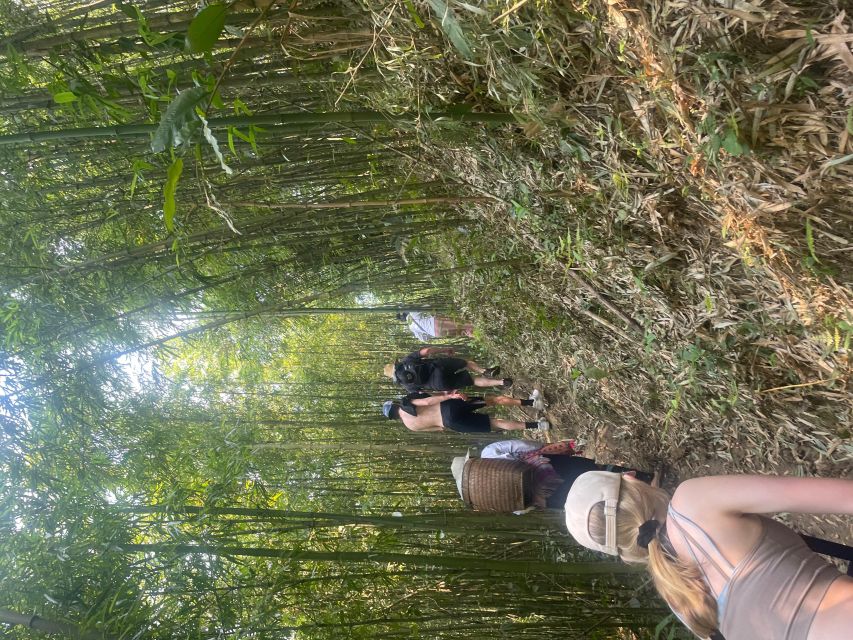
The final trek takes you from Lao Chai through mountain valleys and rolling iconic rice terraces to Ta Van village. The description is pretty clear: this is a last stretch with terraces again front and center, so you finish with more of the scenery that brought you here.
Ta Van is noted for a blend of Dzay and Hmong people living together in the mountains. That detail gives the ending more meaning than a simple stop for a final photo. It’s a reminder that these villages are living communities, not museum pieces.
By the time you reach Ta Van, you’ll likely feel the rhythm of the day: terrace views, valley walking, river context, and then village culture and introductions. It’s a good “full loop” feel even though it’s only a half-day.
Price and Logistics: Is $24 Good Value for This Day?
At $24 per person for about 5 hours, this trek looks like solid value on paper—especially because lunch and water are included. Many short tours try to cut costs by leaving food and water out, so you end up paying extra. Here, you get a family-style local lunch plus water, which helps keep the day simple.
You also get a live guide (English and Vietnamese) and a small group capped at 10 participants. That matters because on narrow paths and at viewpoint stops, smaller groups often mean less waiting and more attention from the guide.
Still, I’d look at logistics as the one place value can vary. Pickup is included, but one verified booking had to pay for a taxi on the return. So while the trek itself is priced fairly, your actual transport total may depend on where you’re picked up from and how you’re returned to town.
If you want value, this is a good choice as long as you pack correctly and arrive on time. Comfort and footwear can make or break a short trek.
What’s Included, What to Bring, and What Not to Wear
Included:
- Lunch
- Water
- Live tour guide (English, Vietnamese)
- Small group (up to 10 participants)
- Pickup included (where they can pick you anywhere in Sapa)
They also recommend you bring:
- Insect repellent
- Trekking gear
- Sunscreen
- Rain gear
- Sports shoes
What not to do:
- No oversize luggage
- No open-toed shoes
- No sandals or flip flops
That footwear rule is not optional. Terraced paths can be uneven, and sandals give you zero grip if the ground is slick or gritty. Sports shoes are the safer default.
My practical advice: bring a small daypack with just essentials. Leave anything bulky in your room because oversize luggage isn’t allowed and it just gets in the way.
Pace, Weather, and “Can You Amend the Trek?”
One of the nicest details in the tour notes is that they can amend the trek for different abilities and weather conditions. That flexibility matters in Sapa, where clouds and mist can show up fast, and where steep sections can feel harder if you aren’t used to uneven ground.
The tour itself is listed as running from 9:00am to 2:00pm, and it’s described as trekking through terraces, valleys, and villages. So even if the walk is only part of that window, you should plan for real walking time plus stops.
If rain hits, your rain gear becomes your best friend. If bugs are active, insect repellent helps you enjoy the stops instead of swatting at the edges of your day.
Who This Trek Suits Best (and Who Should Skip It)
This tour is best for you if you want:
- Terraced views in a single day without an all-day schedule
- A guided experience that includes village life and explanations
- A moderate walking plan (about 5 hours) rather than a short photo walk
It’s not suitable for:
- Children under 2 years
- Pregnant women
- People with mobility impairments
- Wheelchair users
- People over 70 years
Those restrictions are worth respecting. The route involves trekking through valleys and terraces, which can be tough on joints, balance, and stamina.
If you’re a confident walker with sturdy shoes and you enjoy village-focused hiking, this is a good fit.
Should You Book This 1-Day Sapa Terraced Fields Trek?
If you’re weighing this against a more basic viewpoint tour, I’d book it for the combination of terraced scenery, village lunch, and guide-led culture. The $24 price becomes easier to justify when you remember you’re not paying extra for lunch, and you get a small group with a guide speaking English and Vietnamese.
I’d skip it only if you need low effort, limited walking, or you’re in one of the listed unsuited groups. Also, if you’re very dependent on guaranteed transport timing, message the operator about pickup and return so you aren’t surprised at the end of the day.
If you want a day in Sapa that feels like it has a beginning, middle, and meaningful ending—Y Linh Ho, Lao Chai, then Ta Van—this route delivers. It’s one of those half-day experiences that can set the tone for the rest of your trip.
FAQ
What time does the tour start?
The tour meets at 9:00am at Sa Pa Church in Sa Pa town.
How long is the trekking experience?
The duration is listed as about 5 hours, with the tour running from 9:00am to 2:00pm.
Where is the tour meeting point?
You meet at Sa Pa Church in Sa Pa town.
Is lunch included?
Yes. Lunch is included and it’s family-style local food, with vegetarian options available.
Is water included?
Yes, water is included.
What languages do the guides speak?
The tour includes a live guide in English and Vietnamese.
How big is the group?
The group is kept small, limited to up to 10 participants.
Does it include pickup in Sapa?
Pickup is included, and they say they can pick you anywhere in Sapa.
What should I wear or bring?
Bring insect repellent, trekking gear, sunscreen, rain gear, and sports shoes. No open-toed shoes, sandals, or flip flops.
Who is this tour not suitable for?
It’s not suitable for children under 2, pregnant women, people with mobility impairments, wheelchair users, and people over 70 years.