REVIEW · HIKING & TREKKING
Sapa: Full-Day Trekking Tour to Lao Chai and Ta Van Village
Book on GetYourGuide →Operated by HKTRAVEL · Bookable on GetYourGuide
That first switchback hits fast. This Sapa trek mixes rice-terrace walking, mountain views, and real village life in Lao Chai and Ta Van. I love the walk along the Muong Hoa Stream and the chance to see how Black H’mong, Dzao, and Zay communities live in the Hoang Lien Son foothills. The one thing to consider: the route is short and timed, so if you’re hoping to get super close to every rice terrace scene, you may feel it’s more stop-and-go than nonstop photo walking.
You’ll start in Sapa, hike through villages, and end with a lunch stop before returning by car. The most useful setup is that you get an English-speaking guide and a clear schedule, which helps you understand what you’re seeing without getting lost on the trails.
In This Review
- Key moments to look forward to
- Rice terraces and the Muong Hoa Stream route
- Why the stream route feels valuable
- The main consideration
- Y Linh Ho and Lao Chai: seeing daily life beyond the postcard
- The part I’d treat as a learning moment
- A reality check on shopping pressure
- The big effort: climbing toward Ta Van (about 1,200 meters)
- What makes this climb worth it
- Who will feel this most
- Ta Van Village: Zay people, color, and homes with clay floors
- Lunch is the reset button
- One more practical note
- How the 6-hour schedule really plays out
- Pace tips that make the day easier
- The one mismatch to watch for
- Price and value: is $22 a fair deal?
- When the price might feel high
- What to bring so the day feels good (not just doable)
- Who should book this Sapa trek—and who should skip it
- Should you book this Sapa: Lao Chai and Ta Van trekking tour?
- FAQ
- How long is the Sapa trekking tour?
- Where does the tour start and do you pick up from hotels?
- What villages will I visit?
- Are lunch and any meals included?
- Is there an English-speaking guide?
- What’s the main hiking challenge?
- Is the tour suitable for people with mobility issues?
- What should I bring?
- Does the price include tickets?
- Is there an extra charge on public holidays?
Key moments to look forward to
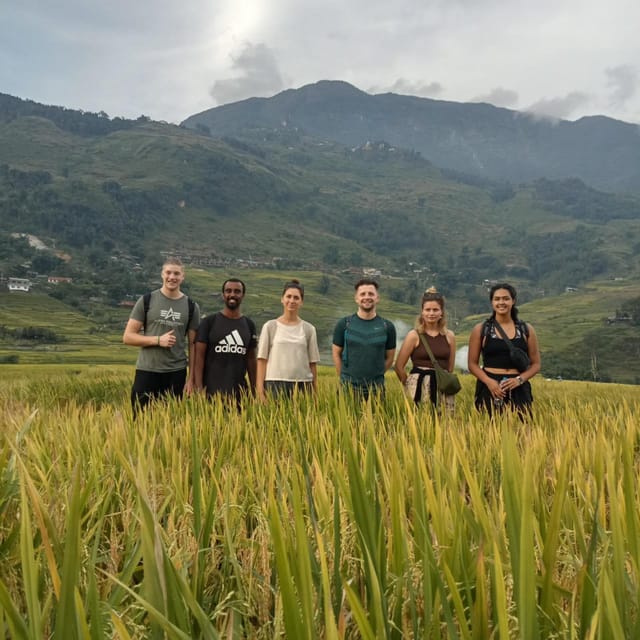
- Muong Hoa Stream rice-terrace walk: the scenery follows the water as the path climbs and curves.
- Hoang Lien Son mountain views: you’ll get big-range sightlines across the valleys.
- Village visits across multiple ethnic groups: Black H’mong, Dzao, and Dzay/Zay communities show up along the way.
- 1,200-meter climb to Ta Van: a real elevation effort, not just a gentle stroll.
- Ta Van clothing and house details: you’ll see the striking purple/blue/green outfits and wood+bamboo homes with clay floors.
- Lunch in Ta Van: you’re not trekking on an empty tank.
Rice terraces and the Muong Hoa Stream route
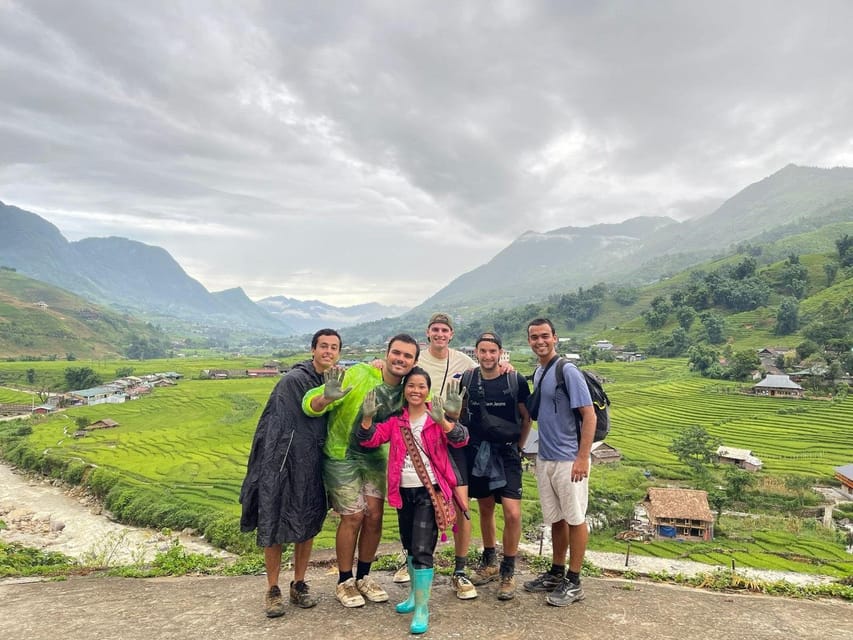
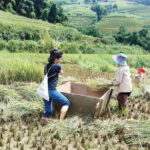
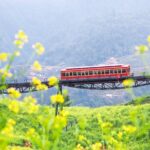
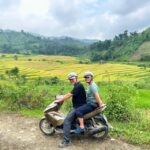
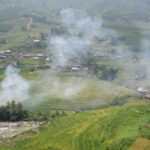
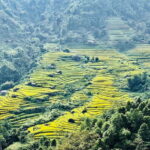
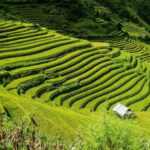
This is the part people remember when they picture northern Vietnam—walking through terraced fields with the mountains close enough to feel like they’re leaning in. The trail follows Muong Hoa Stream, and that matters. Water nearby usually means the valley stays alive: lush fields, more movement, and those layered views you get when the terrain drops and rises constantly.
You should expect a trail that changes character as you go. Early on, it’s about settling into the rhythm—steady steps, quick pauses for photos, and learning how the path connects different village edges. Later, your legs start keeping score. Even if you’re not a “serious trekker,” this is still a hiking day, not a sightseeing bus tour with tiny legs.
You can also read our reviews of more hiking tours in Sa Pa

Why the stream route feels valuable
The stream adds a natural thread to the day. Instead of bouncing between random viewpoints, your eyes track along the water as it threads the valley. That makes the walk feel like one connected experience, and it also helps you understand how villages formed around land that could be farmed and watered.
The main consideration
If you want long stretches of walking with constant uninterrupted views of rice terraces, be aware the day is structured around village stops too. You’ll get chances to look and shoot, but the schedule means you won’t have the whole day to chase every viewpoint.
Y Linh Ho and Lao Chai: seeing daily life beyond the postcard
Your trek begins with a start at Y Linh Ho village and then moves toward Lao Chai, one of the village stops that’s tied closely to the Black H’mong community. This is where the experience shifts from scenery into people and routines.
When you arrive at a village, you’re not stepping into a museum. You’re walking through places where daily work still happens—paths, doorways, and shared areas where life continues while visitors pass through. The Black H’mong presence is part of what gives Lao Chai its character, and you’ll notice how clothing, movement, and the way people talk to you (and guide you where you can go) shapes your time there.
The part I’d treat as a learning moment
I like this stop because it helps you reframe what you’re seeing. The terraces and mountains are the obvious attractions, but the villages are the point of the day. If you ask questions at the right moments—about daily practices, materials, or why certain things are done a particular way—you’ll leave with a much fuller understanding than you get from just taking photos.
You can also read our reviews of more tours and experiences in Sa Pa

A reality check on shopping pressure
One concern I’d flag: in some village areas, locals may follow or approach with items to sell. If you’re sensitive to that, plan for it mentally. You can be polite, browse if you want, and move on quickly when you don’t. If your goal is quiet walking and minimal interaction, this may feel a little sales-forward at times.
The big effort: climbing toward Ta Van (about 1,200 meters)
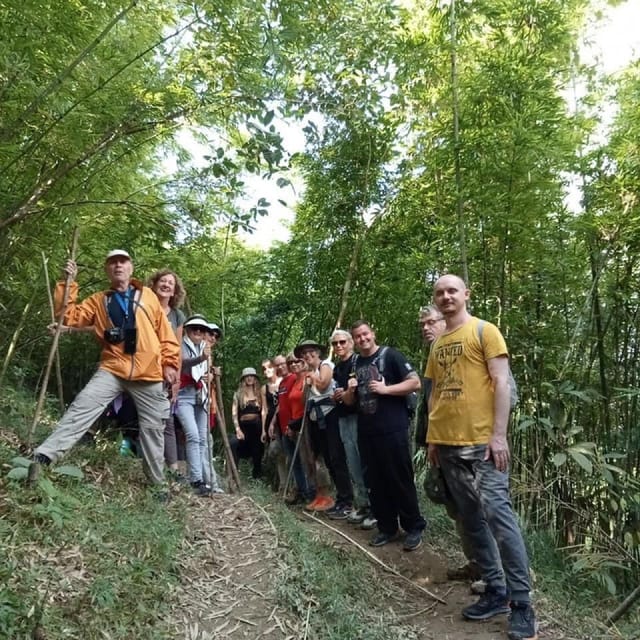
The day builds toward a key climb—about 1,200 meters up to Ta Van Village. That’s not a marketing number. It’s the main workout of the trip, and it’s why the day feels like a trek instead of a cultural stroll.
As you climb, you’ll feel the altitude effect and the slope right away. Your pace will likely slow naturally, especially if you stop for photos. The good news: the climb is part of the route, not something you do alone. You’re with a guide, and the path is chosen to keep you moving through the right village corridors.
What makes this climb worth it
Elevation buys you separation. The higher you go, the more the mountains and terraces open up behind and around you. Even when the weather shifts (mist happens in Sapa), you’ll still get changing layers of view. This is also where the “village up in the hills” idea becomes real—Ta Van isn’t just a name on a map.
Who will feel this most
If you’re used to hills, you’ll still work, but you’ll manage. If you don’t hike much, you’ll want to go slower than you think. This tour is not suitable for people with mobility issues, and that’s important—don’t plan to improvise footwear or stamina. Respect the terrain and choose a gentler option if you need one.
Ta Van Village: Zay people, color, and homes with clay floors
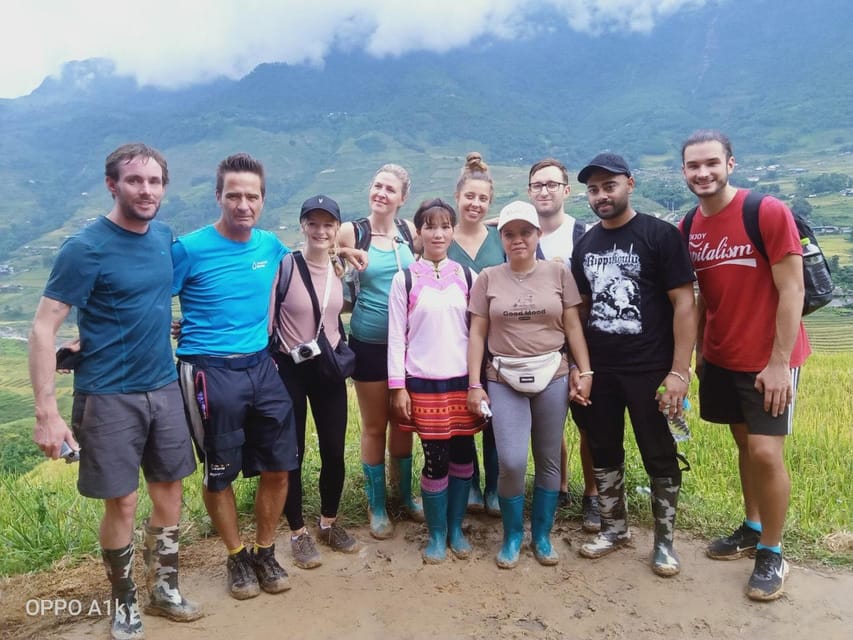
The climb ends at Ta Van Village, where you can visit the Zay community (sometimes referenced as Dzay/Dzay people). This is one of the most visually memorable parts of the day because of the clothing and the way village life is arranged.
You’ll see the dazzling purple, blue, and green garments that the Zay people wear. It’s not just color for show—you’ll notice patterns and how clothing functions as part of identity and everyday life. In photos it can look dramatic; in person, it reads as intentional and consistent.
Then there are the homes. You’ll walk among houses built of wood and bamboo with clay floors. That detail helps you understand the practical side of village architecture in the mountains—materials that match what’s available locally and what makes sense for the terrain and climate.
Lunch is the reset button
Lunch is included, and it’s served in Ta Van. That’s a big deal for a 6-hour trek because it keeps you from turning the last part of the day into a low-energy scramble. Plan to eat, drink water, and take a breather before heading back down.
One more practical note
In areas like Ta Van, you’ll likely see visitors taking photos. If you’re careful and respectful—moving when asked, not blocking doorways, and listening for guidance—you’ll have a smoother time. When people feel comfortable, the conversation tends to flow.
How the 6-hour schedule really plays out
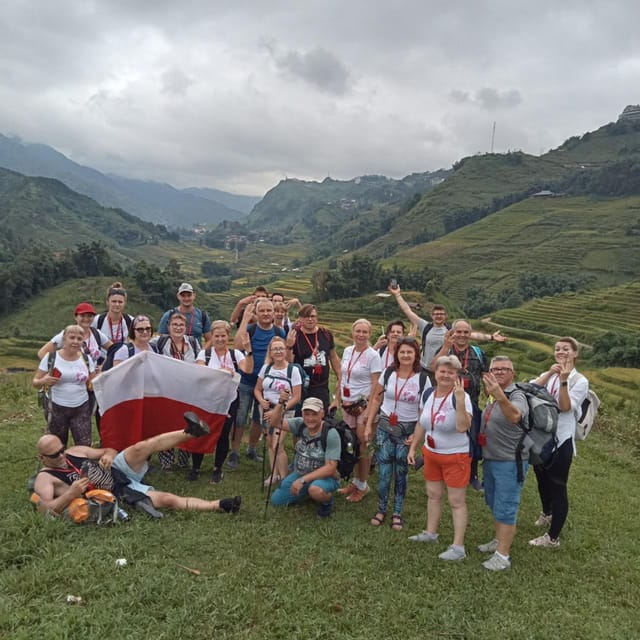
Even though this is labeled a full-day trekking experience, the total duration is about 6 hours. That’s a sweet spot in Sapa. It gives you the big “I hiked and saw villages” feeling without consuming your entire travel day.
Your pickup is included. The schedule runs between 8:00 AM and 8:30 AM, depending on where you’re staying. If you’re outside Sapa Town, the listed pickup point is the front of Delta Sapa Hotel at 031 Ng. Cầu Mây, TT. Sa Pa, Sa Pa, Lào Cai.
From there, the day is built around moving from one village zone to the next: start around Y Linh Ho, hike toward Lao Chai, then climb up to Ta Van, stop for lunch, and return to Sapa by car.
Pace tips that make the day easier
- Wear shoes you can hike in for hours. You’ll want grip.
- Bring water and plan small sips even if you don’t feel thirsty.
- Bring warm layers. Temperatures can shift in the mountains, and the climb can make you sweat while the air cools down again.
The one mismatch to watch for
A review I agree with in spirit: this kind of trip can feel like it’s moving from place to place, and you may want more explanation about each stop. If you want deeper background, ask your guide for it. English guidance is available, so don’t be shy about asking questions as you walk.
Price and value: is $22 a fair deal?
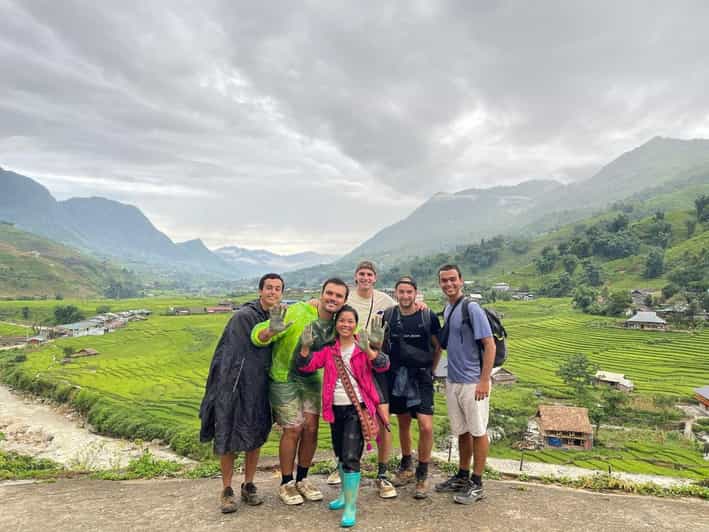
The price is $22 per person, and you get a package that’s more than “just a trail.” You’re paying for:
- An English-speaking tour guide in Sapa
- A main meal at lunch
- Scheduled sightseeing tickets
- Pickup included for accommodations in Sapa Town (and a defined pickup point outside town)
- The chosen route connecting multiple villages
When I look at value, I focus on how much effort you’re offloading. In a place like Sapa, figuring out routes between villages on your own can eat time, and the wrong turn can turn a half-day into an all-day headache. Here, the schedule and guiding reduce that risk.
When the price might feel high
One traveler concern was that it seemed pricey for the way the walk felt—shorter than they hoped, with interactions that can turn into sales moments. That’s a fair expectation check. If your top goal is maximum walking time right next to terraces with minimal social friction, you might feel under-served.
If your goal is a balanced mix—views plus villages plus a lunch stop—then $22 can feel reasonable.
What to bring so the day feels good (not just doable)
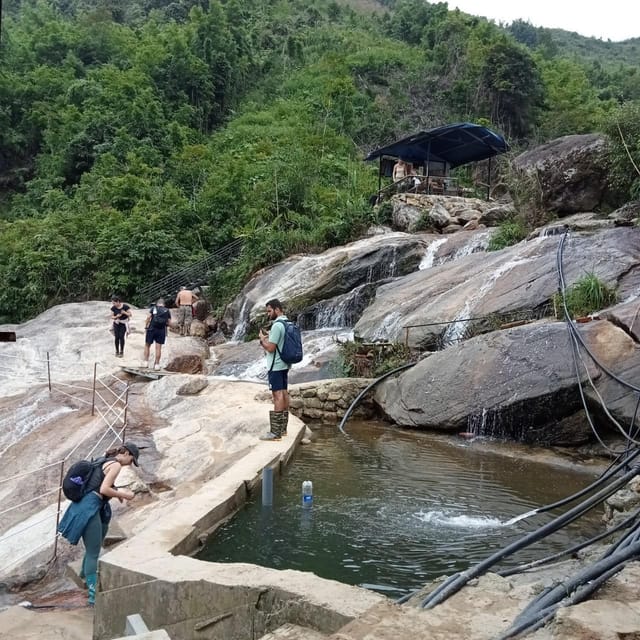
The basics are simple, and they matter:
- Comfortable shoes with good grip
- Warm clothing (layers beat one bulky piece)
- Camera for mountain and clothing details
- Water
If you tend to run cold on hikes, wear your warm layer even if it feels fine at pickup time. Sapa mornings can change quickly, and the climb can also make you sweat, then cool down when you slow.
Who should book this Sapa trek—and who should skip it
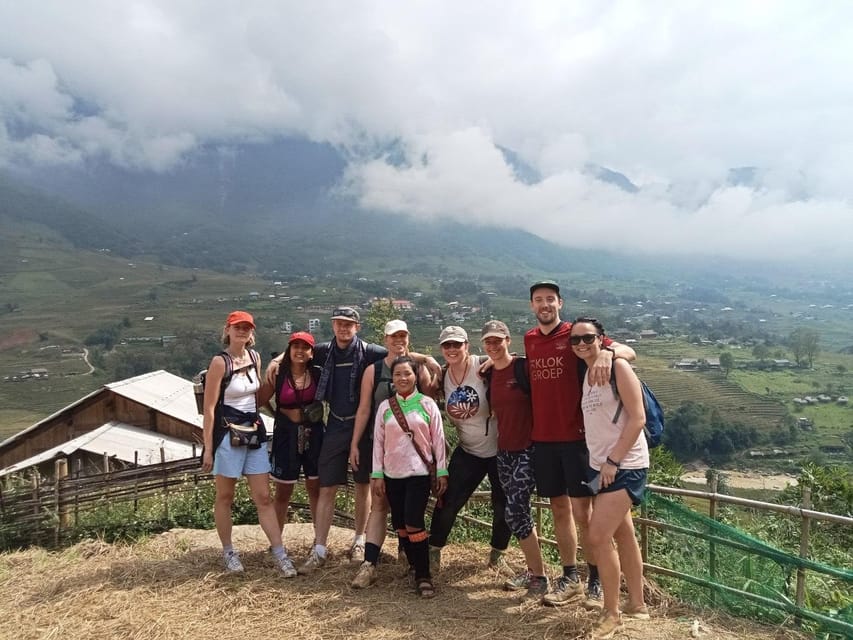
This tour fits best if you:
- Want a short hiking day that still feels like a real trek
- Like village visits and cultural context, not just scenic stops
- Are okay with some interaction along the way (including possible sales approaches)
- Can handle stairs and slopes, especially with the 1,200-meter climb toward Ta Van
Skip or choose something else if you:
- Have mobility issues (this tour isn’t suitable)
- Want a long, uninterrupted hike with no village stops
- Get stressed by people approaching to sell items
Should you book this Sapa: Lao Chai and Ta Van trekking tour?
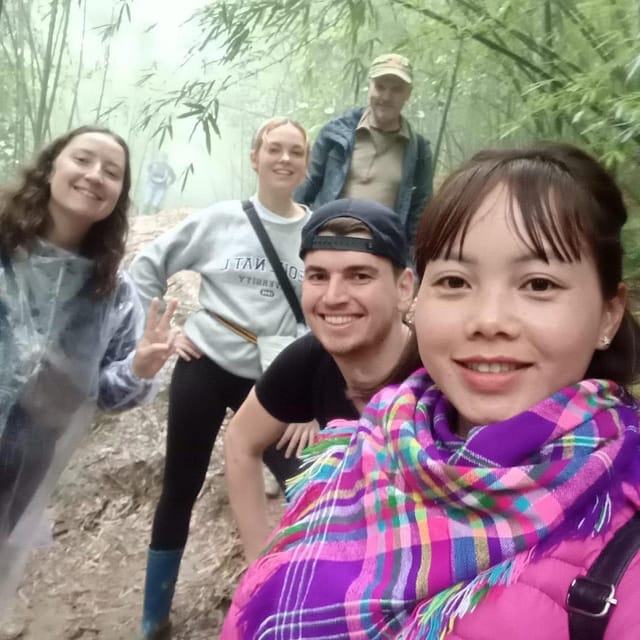
I’d book it if you want the Sapa formula that works: big mountain views, a hike through terrace country, and village visits that make the day feel grounded in real life. The included lunch and guide make it low-stress, and the 6-hour length is a good match for many itineraries.
I’d hesitate if you’re mainly chasing uninterrupted rice-terrace walking close-up or if you really dislike any hint of sales pressure. In that case, you may end up judging the day by what it wasn’t instead of what it is.
If you do book, I’d go in with two goals: pace yourself for the Ta Van climb, and ask your guide questions at Lao Chai and Ta Van so the cultural side feels more complete.
FAQ
How long is the Sapa trekking tour?
The duration is about 6 hours.
Where does the tour start and do you pick up from hotels?
Pickup is included. Pickup is available at accommodations in Sapa Town between 8:00 AM and 8:30 AM depending on location. If you stay outside Sapa Town, you should go to the front of Delta Sapa Hotel at 031 Ng. Cầu Mây, TT. Sa Pa.
What villages will I visit?
You’ll visit Y Linh Ho, Lao Chai, and Ta Van, and you’ll also pass through several tribal villages along the way.
Are lunch and any meals included?
Yes. The tour includes 1 main meal at lunch.
Is there an English-speaking guide?
Yes. The tour includes a live guide in English.
What’s the main hiking challenge?
The tour includes a climb of about 1,200 meters up to Ta Van Village.
Is the tour suitable for people with mobility issues?
No. This tour is not suitable for people with mobility issues.
What should I bring?
Bring comfortable shoes, warm clothing, a camera, and water.
Does the price include tickets?
Scheduled sightseeing tickets are included.
Is there an extra charge on public holidays?
Yes. On public holiday dates (31 Dec–2 Jan; 29 April; 30 April; 1 May; 2 Sep), there is an extra charge of 100,000 VND per person.