REVIEW · HIKING & TREKKING
Sapa: Private Muong Hoa Valley and Homestay Trekking 2-Day
Book on GetYourGuide →Operated by Sapa Trekking Hiking Tours · Bookable on GetYourGuide
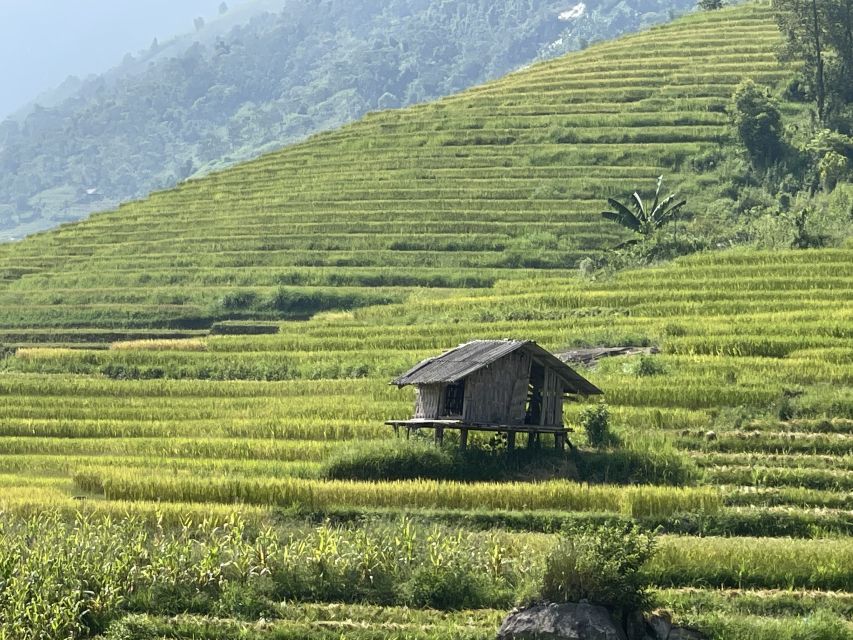
Muong Hoa packs two days of real life. You’ll be on foot through terraced rice fields and ethnic villages, with stops timed for views and for conversation, not just photos. It’s the kind of Sapa day that makes culture feel practical: how people plant, build, cook, and celebrate—right there on the trail.
The first big reason I like this route is the cultural contrast. You’ll spend time with Black Hmong communities, plus Giay and Red Dao traditions, and your guide connects the dots as you move between villages and homes. Second, the Giay homestay night matters, because you’re not just passing through—you get the rhythms of daily life for one evening and one meal cycle.
One consideration: this is a trekking-style itinerary. Even with trekking sticks and rain gear included, you’ll still want sensible shoes and a flexible attitude for uneven paths, weather shifts, and long walking days.
In This Review
- What Makes This Muong Hoa Trek Different From the Usual Sapa Tour
- Day 1: Y Linh Ho Terraces, Black Hmong Houses, and the Giay Homestay
- Day 2: Ta Van to Waterfall, Lake Stories, and Hau Thau Trumpet Moment
- The Homestay Night: Why It’s the Heart of the Value
- Trekking Reality Check: Pace, Gear, and Weather Prep
- Guides Like Du (Zu) and Pang Chou: What to Look For
- Price and Value at $78 Per Person (What’s Included Matters)
- Who Should Book This Private Muong Hoa Trek?
- Should You Book This 2-Day Private Muong Hoa Valley and Homestay Trek?
- FAQ
- What does this tour include for meals?
- Is there a homestay included?
- How long is the trek and what is the duration?
- What time does pickup happen in Sapa?
- Which villages are visited during the trek?
- What’s included for trekking support?
- How do you get back to Sapa at the end?
- Is the guide English-speaking?
What Makes This Muong Hoa Trek Different From the Usual Sapa Tour
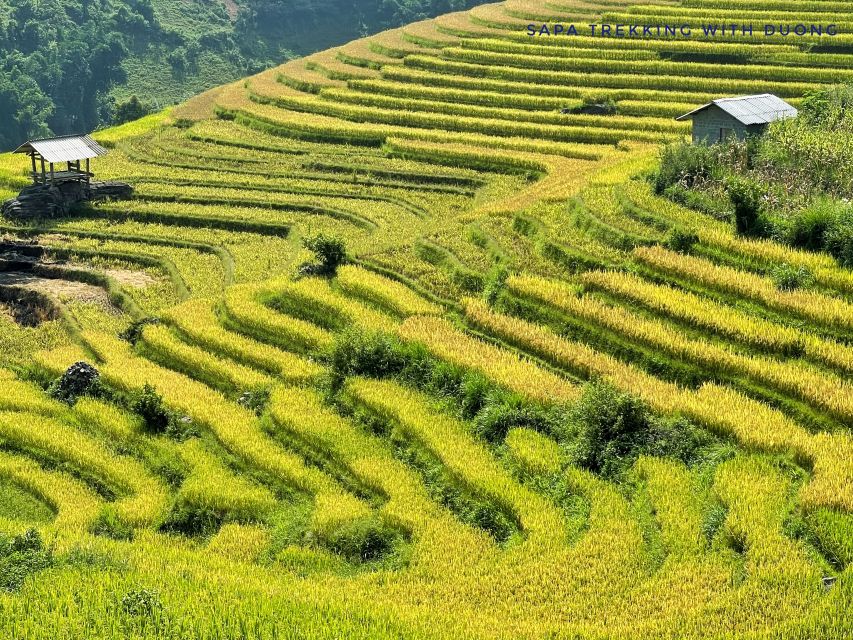
This trek is built around people and place, not just scenery. The valley is famous for its terraces, but the payoff here is how those fields connect to community life.
- 6 villages on two days keeps the experience moving while still giving time for village-house visits and lunch in local settings
- Three ethnic minority groups (Black Hmong, Red Dao, Giay) gives you real cultural comparison, not a single-theme stop
- Homestay with Giay hosts lets you see how daily routines and traditions feel when you’re in someone’s home
- Long view windows: terraced fields on day 1, plus waterfall and lake on day 2, so you’re not only photographing ridges
- Guide-led detail: examples include traditional house learning, clothing/indigo conversations, and even a trumpet story moment with elders
Day 1: Y Linh Ho Terraces, Black Hmong Houses, and the Giay Homestay
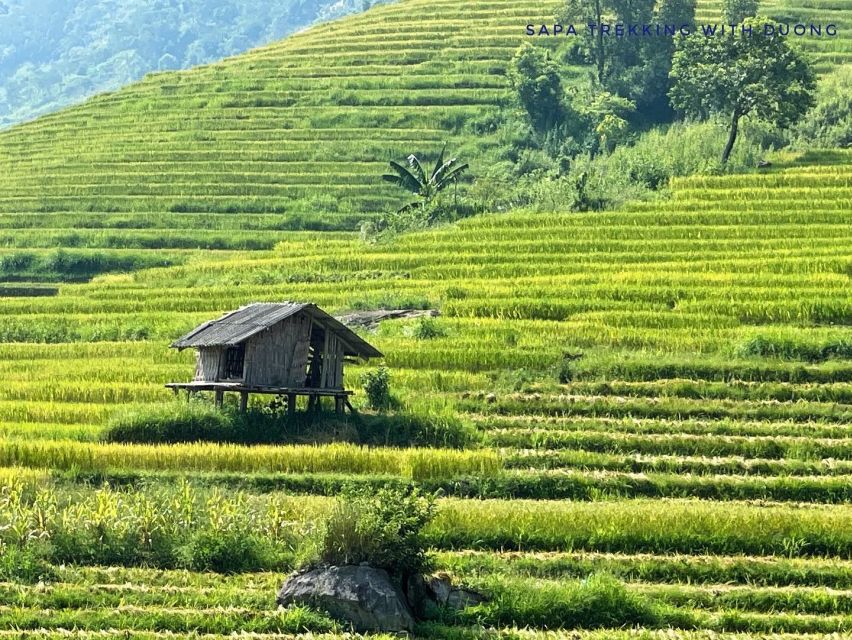
Day 1 starts with pickup in Sapa center (or Sapa Church), then a drive to the Muong Hoa area before the walking begins. The timing is designed so you hit the terraces while the day is still fresh and the light is friendly for photos.
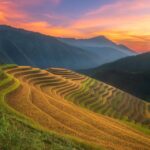
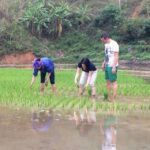
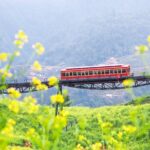
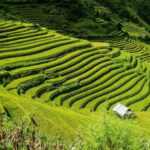
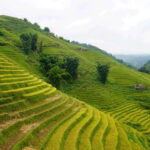
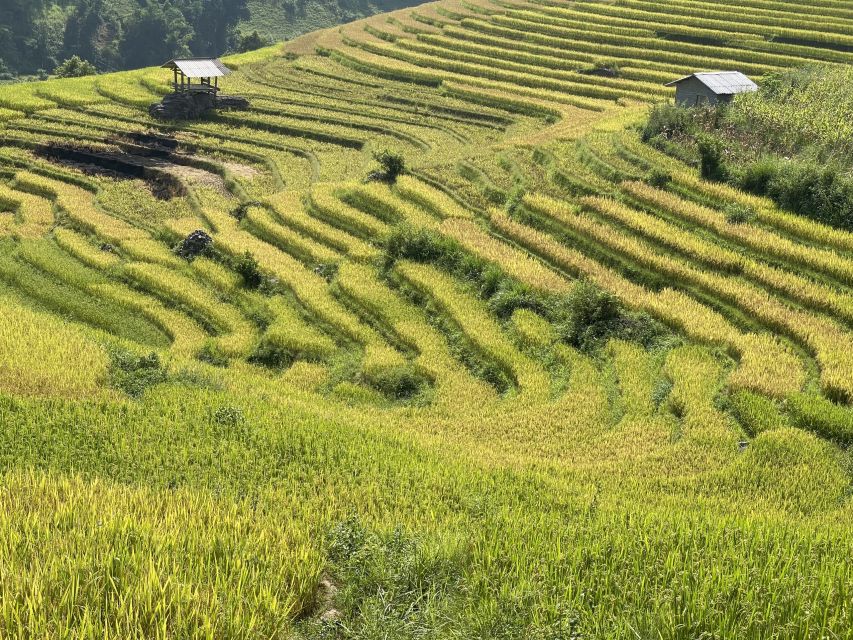
Your first stop is Y Linh Ho, where you’ll look over the terraced rice fields and see Black Hmong people planting rice. This is the kind of moment that teaches more than a lecture. When you watch the planting work, the terraces stop being a postcard and start being infrastructure—careful steps, water management, and seasonal timing.
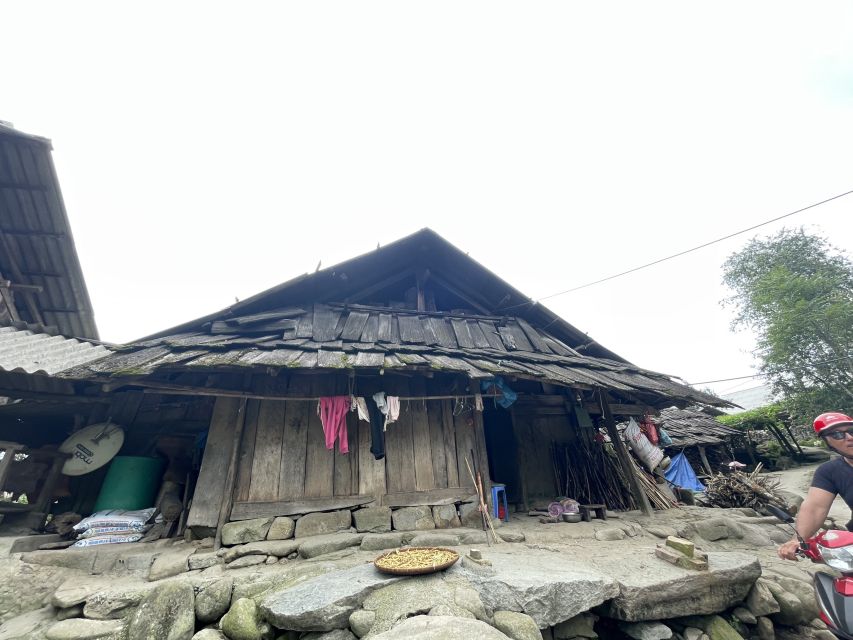
Next comes the cultural learning: you’ll visit a Black Hmong traditional house, with time to learn more about Black Hmong culture and everyday life. The most useful part isn’t a checklist of facts. It’s when your guide helps you understand why certain traditions exist and how they’re carried through daily practice.
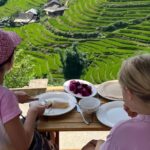
Lunch on day 1 is at a local home. You’ll eat local food and have time to talk with the people there. I like this lunch style because it reduces the usual tourist pattern of grabbing food fast and moving on. Here, lunch is part of the exchange—and it also gives your legs a real reset.
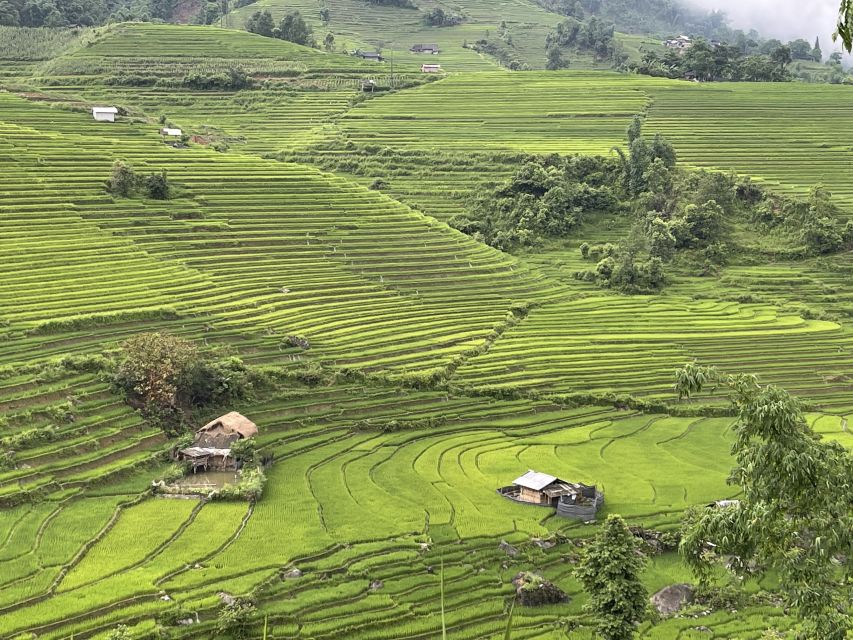
After lunch, the route shifts into more walking toward Lao Chai San and Lao Chai village. This section is about terrace views and village context close to the forest area. When the trail winds through the fields, the landscape turns into a moving classroom: terrace edges, small pathways, and how houses sit relative to rice plots.
By late afternoon you’ll reach the Giay homestay, arriving around 4:30. This is your overnight stop, and it’s where the tour adds depth. You’ll learn more about Giay culture, food, and traditional life, and you’ll get a clear sense of how Giay and Black Hmong differ in home layout and customs. Then you stay one night with your hosts—exactly the length you need to feel the difference without turning the trip into a multi-day relocation.
You can also read our reviews of more private tours in Sa Pa

Day 2: Ta Van to Waterfall, Lake Stories, and Hau Thau Trumpet Moment
Day 2 begins early. You’ll wake up, wash up, and enjoy breakfast with morning coffee or tea. It’s a calm start before the trail work ramps up again.
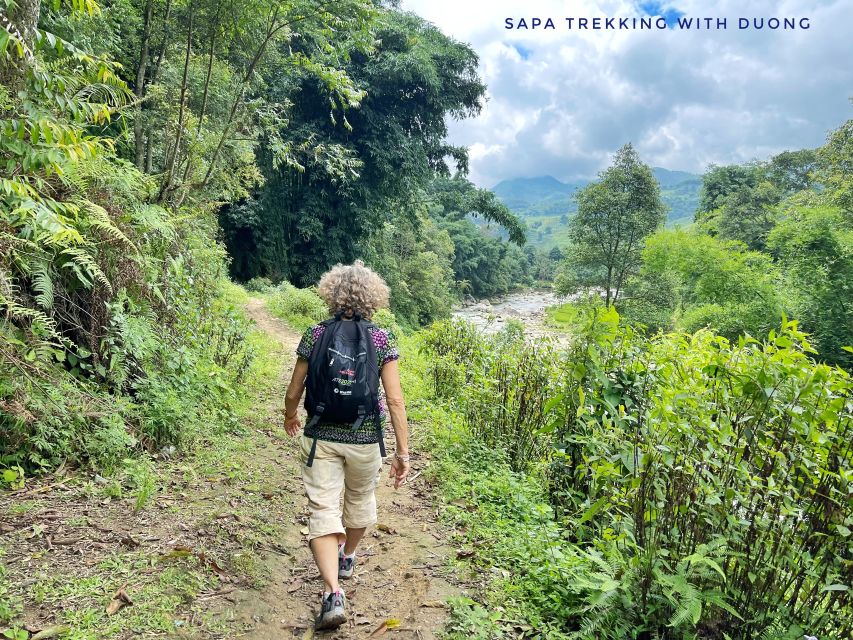
Your trek resumes around late morning, moving through terraces and passing through scenery like bamboo forest and toward a waterfall area. The schedule is structured so you don’t hit the most complex walking immediately after breakfast. Instead, you build back into the day with gradual momentum.
One of the best “pause and look” stops is Giang Ta Chai, where you’ll get to a waterfall and lake. You’ll rest there and listen to stories connected to the Black Hmong people. This is the kind of stop that turns a view into context—water isn’t just scenery; it’s part of how people understand place, work, and life patterns in the valley.
Lunch on day 2 is another Black Hmong home meal. The tour specifically sets it up so you’re eating what’s actually made there, not a generic substitute. When lunch is prepared in-village, you get a stronger sense of local cooking style—plus it’s easier for questions to happen naturally while you’re eating.
Then the final trekking leg takes you to Hau Thao village, described as the last village of the day. Along the way, your guide shares details about daily life, including how Hmong people raise things and how they make the unique clothing using indigo from indigo tree. This matters because it explains culture as skills and materials, not just costumes.
The day ends with a memorable cultural moment: you’ll talk about Hmong wedding traditions and also listen to the oldest men of the Black Hmong blow the trumpet. Even if you’re not sure what you’re hearing at first, this is one of those experiences where the meaning lands through your guide’s explanation and the setting itself.
Around mid-afternoon, you’ll return to Sapa by private taxi.
The Homestay Night: Why It’s the Heart of the Value
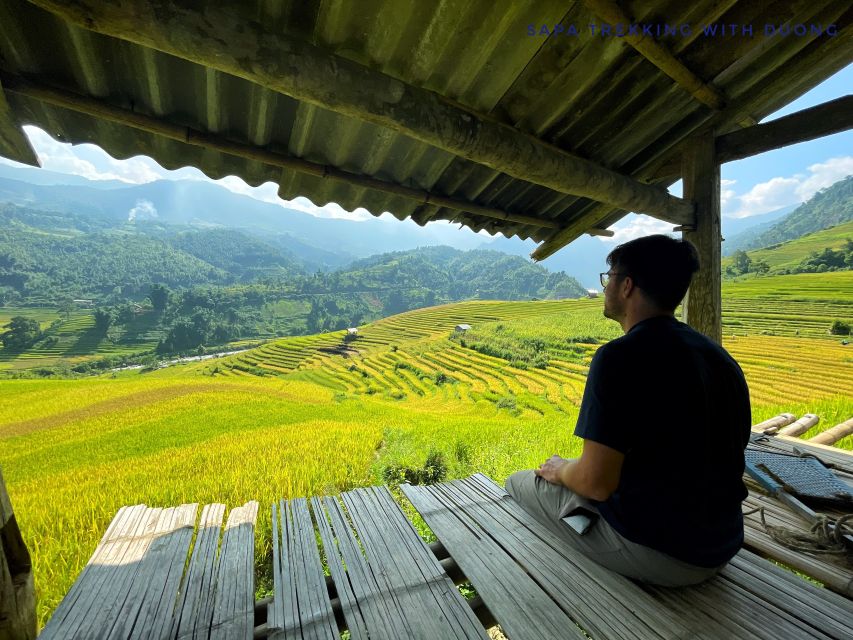
One night at a homestay can go two ways. Either it’s a checkbox, or it’s actually useful. On this tour, it’s the useful kind.
First, you’re placed with Giay hosts, and the day is structured so you learn about their culture before the night settles in. That timing helps you understand what you’re seeing during your evening—food routines, home details, and day-to-day customs—because you’ve already been introduced to the themes.
Second, the hosts are part of the teaching. The idea is comparison, too: your guide sets up conversations that help you notice differences between Black Hmong and Giay home life and traditions. That makes the homestay feel less like a single isolated stop and more like a chapter in a larger story.
Practical tip: treat this as someone’s home, not a performance venue. Keep your questions respectful, don’t rush photos, and be ready to follow the pace of your hosts. If you do that, you’ll get the best kind of memory here: one that feels grounded.
Trekking Reality Check: Pace, Gear, and Weather Prep
Sapa hikes can be deceptively physical. Paths can be slippery in wet weather, and terraces mean lots of up-and-down steps even when the trail isn’t steep like a mountain climb.
The good news: this tour includes the basics you actually need. You get a raincoat and trekking sticks per person, plus 1.5L of water per person per day. That’s the difference between showing up prepared and scrambling for supplies in town.
Timing matters too. You’ll walk across two full trekking days, with lunch breaks that are long enough to reset. That doesn’t mean it’s a leisurely stroll. It means you’re less likely to feel stranded mid-day with no food or no context.
What to bring (beyond what’s included): proper footwear with grip, a light layer for changing conditions, and something small to keep your essentials dry. Even with a raincoat provided, your day can still get chilly if the weather shifts.
Also, expect a few different surfaces. Terraced rice areas can be uneven. Forest sections and paths to waterfalls can feel more variable. Your trekking sticks help, but your shoes matter just as much.
Guides Like Du (Zu) and Pang Chou: What to Look For
A private tour stands or falls on the guide. This one is built around a local English-speaking guide, which is the right baseline if you want more than route commentary.
In prior runs of this exact style of trek, guides such as Du (Zu) have been highlighted for being friendly and explaining things clearly and energetically. Another guide name that comes up is Pang Chou, praised for giving a first-hand feel for ethnic minority culture and the landscapes.
Here’s what that means for you in real life: you’ll want to ask questions when something catches your eye. If your guide is doing their job well, they’ll connect what you’re seeing—houses, clothing, food, fields, and ceremonies—to answers you can actually use to understand the community.
If your guide also helps you compare Black Hmong and Giay practices (home style, clothing, traditions), the trek becomes more than a walking route. It becomes a learning day you can carry home.
You can also read our reviews of more hiking tours in Sa Pa
Price and Value at $78 Per Person (What’s Included Matters)
At $78 per person for two days, the price isn’t just about “being taken on a hike.” The value comes from what’s bundled.
What you get for the money:
- Pickup and drop-off in Sapa center
- Villages entry fees
- Local English-speaking guide
- 1 night homestay with an ethnic minority family
- Meals: 1 breakfast, 2 lunches, 1 dinner
- Water: 1.5L per person per day
- Raincoat and trekking stick per person
- Private taxi back to Sapa from the last village on day 2
That’s a lot of practical stuff handled for you. If you were to DIY it, you’d likely spend time coordinating the route, transport, and homestay, plus you’d still need a guide to make the culture understandable. Here, you’re paying for the structure and the people on the ground.
The one cost you should plan for: extra drinks along the way and tips for your guide/driver. Those are not built into the base price.
Overall, this is best viewed as a guided cultural package with trekking logistics solved, rather than a cheap hike.
Who Should Book This Private Muong Hoa Trek?
This fits you if you:
- Want more than scenery and prefer cultural learning through daily-life stops
- Like walking and can handle uneven paths for two full days
- Care about learning the differences between Black Hmong, Red Dao, and Giay through real village visits and a homestay night
- Appreciate a private format where questions can move at your pace
It may be less ideal if you want a super light stroll, or if you’re expecting a perfectly flat route with minimal walking. This is structured for real trekking days, just with good support and included gear.
Also, if you’re a foodie, you’ll probably enjoy the home-style lunches twice. The tour is built around meals made in the villages you visit, not standard tourist options.
Should You Book This 2-Day Private Muong Hoa Valley and Homestay Trek?
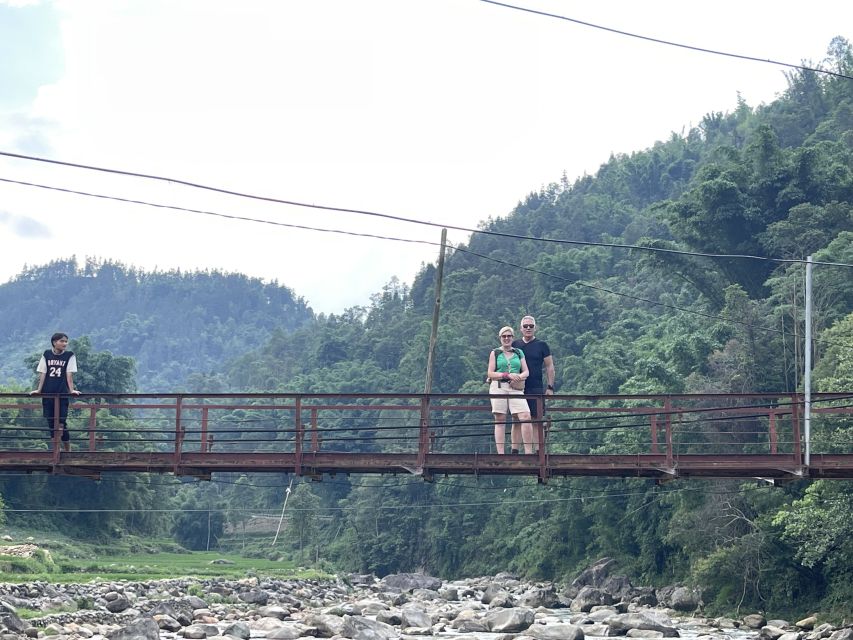
I’d book it if your Sapa trip has room for a serious cultural and walking experience. The reason is simple: the itinerary connects terraced fields to ethnic village life, then ties it together with a Giay homestay night and family meals. You’re not just touring—your day includes teaching moments, food, and comparison across communities.
Before you commit, think about your trekking comfort. If uneven ground makes you nervous, plan for that with proper footwear and a calm mindset. Also, be ready to communicate with people through your guide. The best moments here come when you ask questions and pay attention to the details your guide points out.
If you want your Sapa story to feel human—rice planting, house visits, indigo clothing, and even a trumpet moment—this is the right kind of tour.
FAQ
What does this tour include for meals?
It includes 1 breakfast, 2 lunches, and 1 dinner. Water is also included at 1.5L per person per day.
Is there a homestay included?
Yes. You spend 1 night at a homestay with the Giay ethnic group.
How long is the trek and what is the duration?
The experience lasts 2 days.
What time does pickup happen in Sapa?
Pickup is around 9:30AM from Sapa center, with the option to meet at Sapa Church as well.
Which villages are visited during the trek?
You visit Y Linh Ho, Lao Chai, Ta Van, Giang Ta Chai, Hau Thao, plus the homestay area associated with the Giay community.
What’s included for trekking support?
The tour provides trekking sticks and raincoats per person.
How do you get back to Sapa at the end?
After the last village stop on day 2, you return to Sapa by private taxi.
Is the guide English-speaking?
Yes. The tour includes a local English-speaking guide.